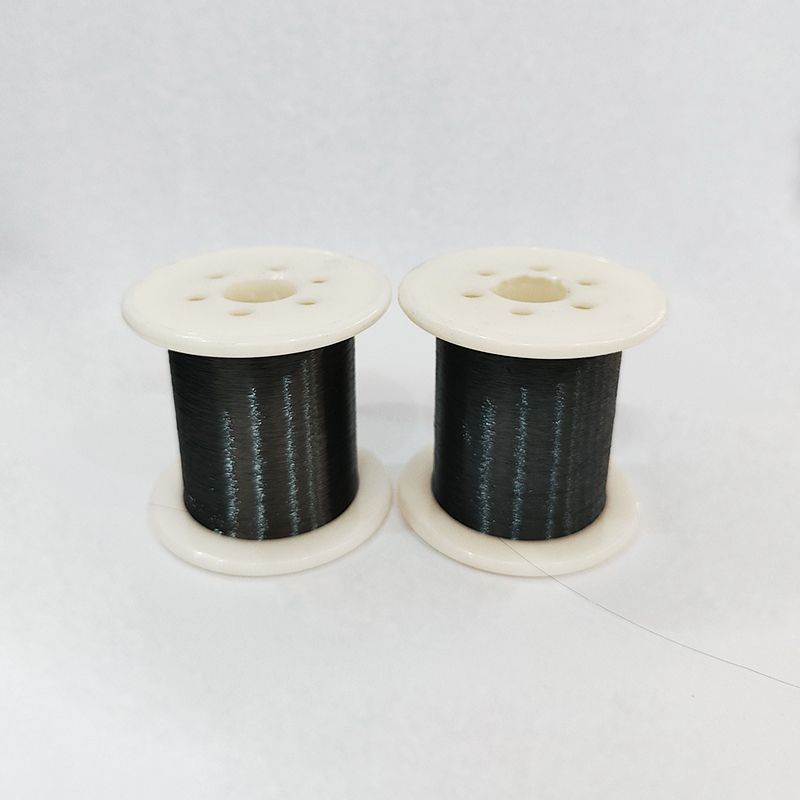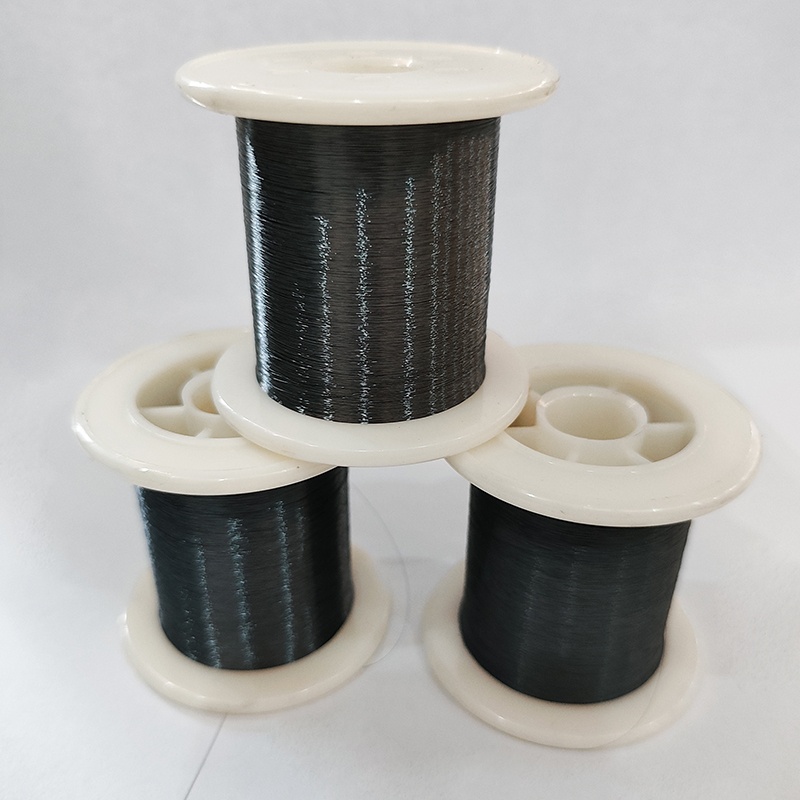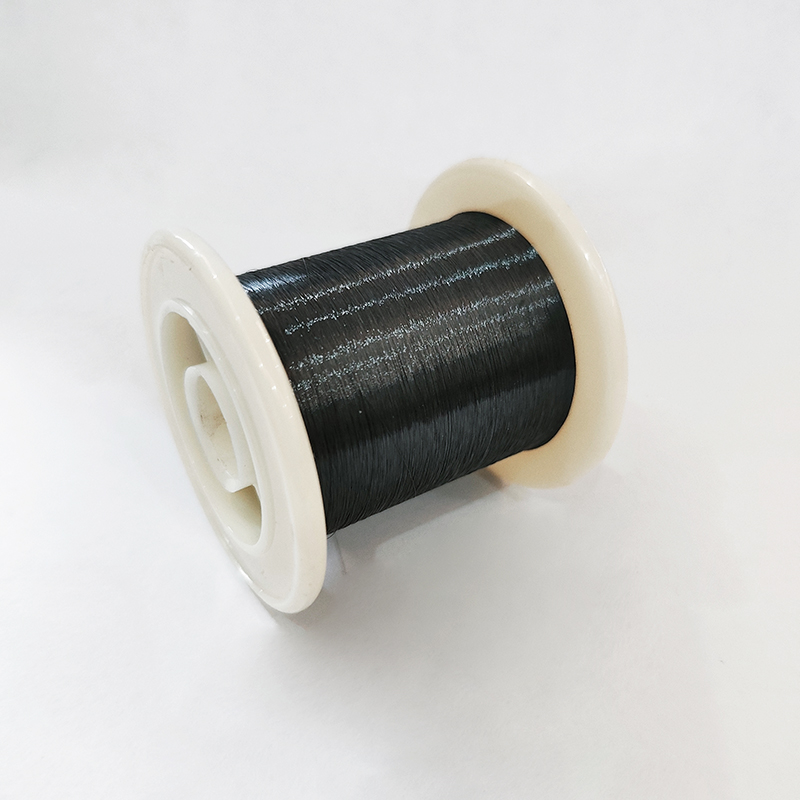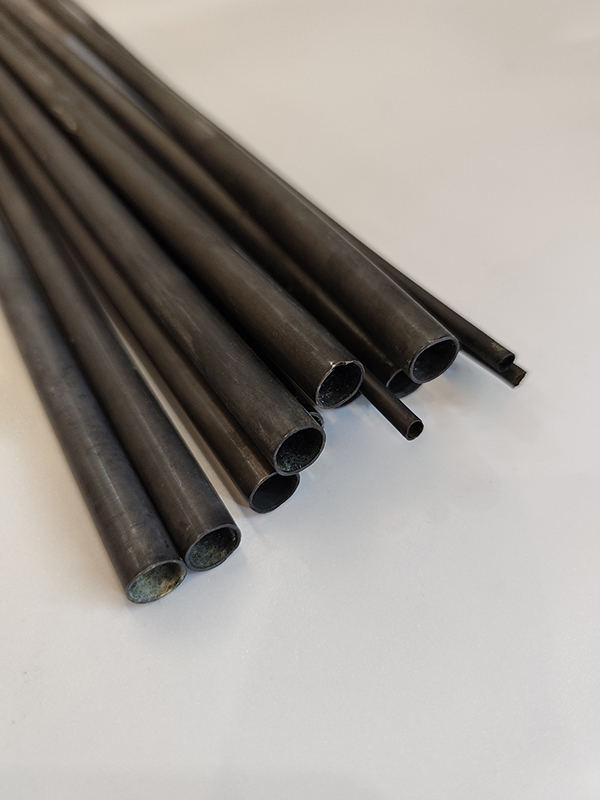
Nickel titanium alloy provides unique functions such as shape memory effect, superelasticity, and high damping, while carbon fiber composite materials contribute to high specific strength, high specific stiffness, and lightweight advantages.
The core advantages of titanium nickel memory alloy wire are its shape memory effect and superelasticity, which can restore the preset shape at specific temperatures and maintain excellent performance even after repeated deformation.
The superelasticity of nickel titanium wire is achieved through the reversible transformation of its internal crystal structure triggered by stress, which can spontaneously return to its original state after the external force is removed.
The common shape memory alloys are mainly divided into three categories: titanium nickel based, copper based, and iron-based. They are widely used in medical, aerospace, daily necessities, and other fields.
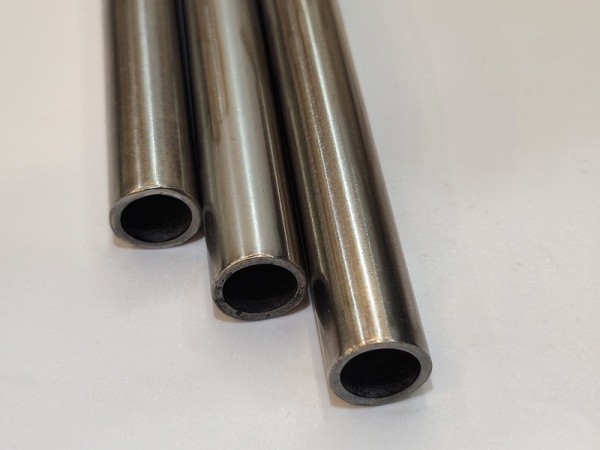
The processing of nickel titanium cold-rolled pipes is a key step in making high-precision pipes from nickel titanium alloy billets through cold rolling technology.
The shape memory effect of nickel titanium memory alloy is essentially a reversible crystal structure transformation process of martensitic transformation and reverse transformation that occurs under temperature changes.
Composite materials with memory properties mainly refer to Shape Memory Composites (SMCs), which combine the intelligent response characteristics of shape memory materials with the advantages of high specific strength and stiffness of composite materi…
The superelasticity of nickel titanium alloy refers to the unique mechanical properties of deformation under external force, which can be instantly restored to its original state after the external force is removed.