
 Chinese
 English
Service Hotline
+86 18948275773+86 13632667260


There are significant differences between nickel titanium alloy fibers and carbon fibers in terms of material, performance, and application, as follows:
1、 Material composition
Nickel titanium alloy fiber: mainly composed of two metal elements, nickel and titanium, made through specific alloying processes, belongs to metallic materials.
Carbon fiber: It is a microcrystalline graphite material obtained by carbonizing and graphitizing organic fibers (such as nylon fibers, acrylic fibers, etc.), with a carbon content of over 90%, and belongs to inorganic non-metallic materials.
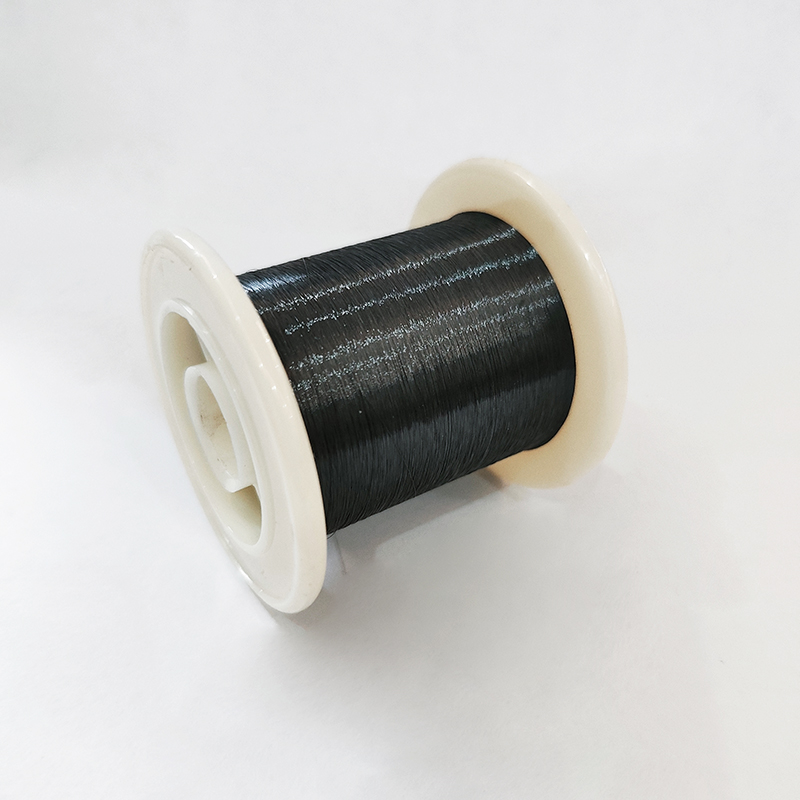
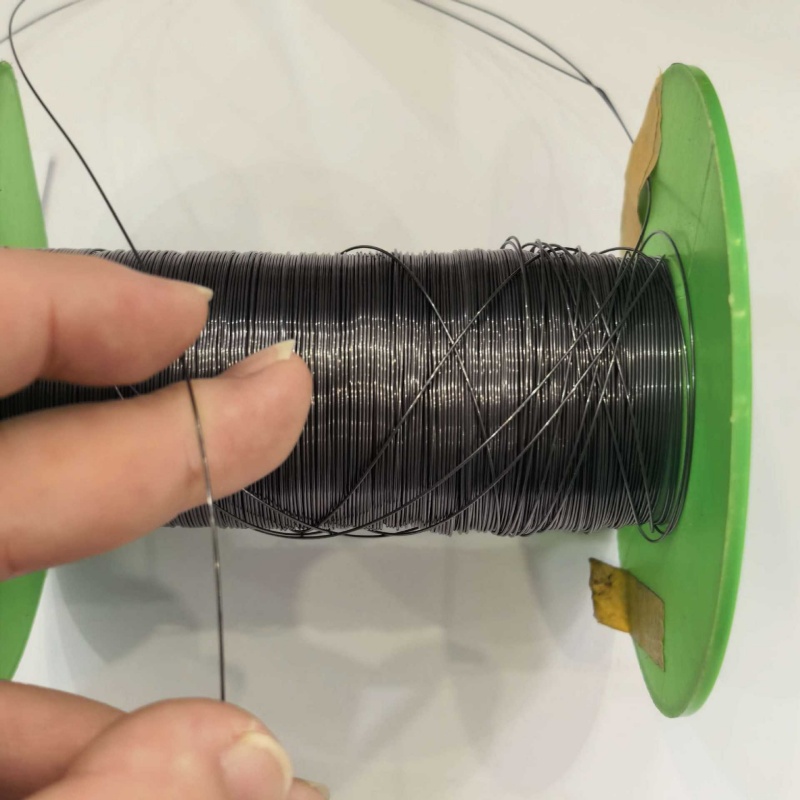
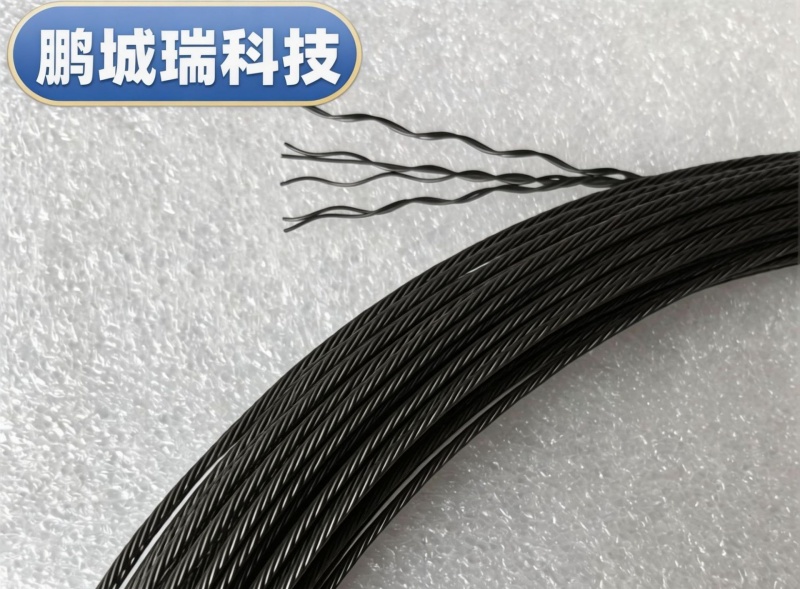
Nickel titanium fiber
2、 Performance characteristics
(1) Mechanical properties:
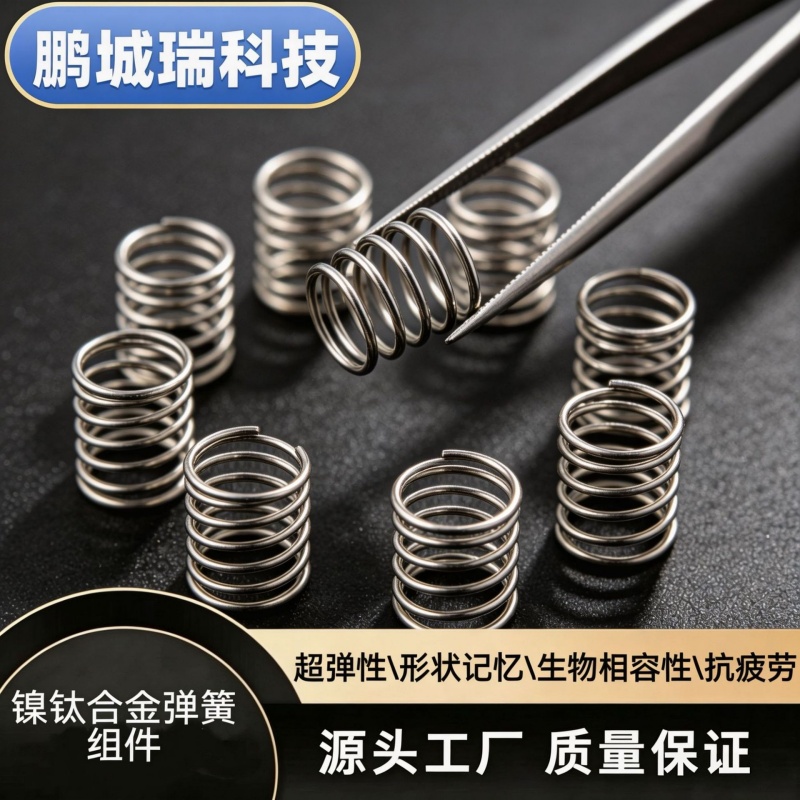
Nickel titanium alloy fiber: It has super elasticity and shape memory effect, can withstand large deformation without permanent deformation, can undergo plastic deformation at low temperatures, can recover to its original shape when heated to a specific temperature, and has a high fatigue life.
Carbon fiber: high strength, tensile strength exceeding 3500MPa, elastic modulus above 230GPa, with a specific strength 16 times greater than steel and 12 times greater than aluminum alloy, but high brittleness and relatively poor toughness.
(2) Physical performance:
Nickel titanium alloy fiber: The density is generally around 6.4-6.5g/cm ³, with a certain degree of magnetism, and its performance is greatly affected by temperature.
Carbon fiber: with a density of only 1/4 of steel and 1/2 of aluminum alloy, about 1.7-1.9g/cm ³, it has good high temperature resistance, can maintain stability at high temperatures of 2000 ° C, and has excellent corrosion resistance.
(3) Processing performance:
Nickel titanium alloy fibers: difficult to process, requiring special processes such as melting, drawing, etc., and difficult to weld.
Carbon fiber: usually needs to be composite with matrix materials such as resin and metal to make composite materials. The processing requirements are high, such as carbonization, composite molding, etc., but the processability of the composite material is good after it is made.
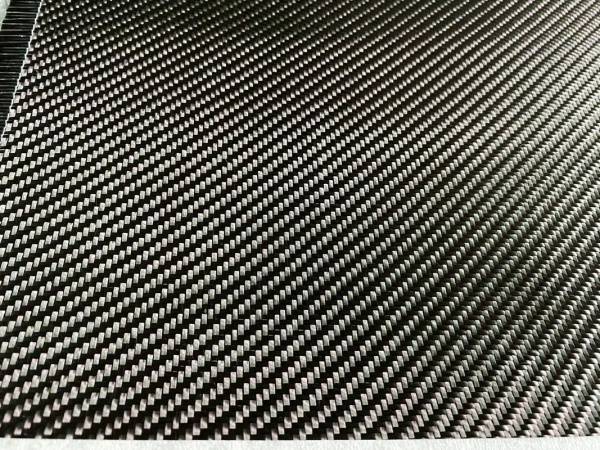
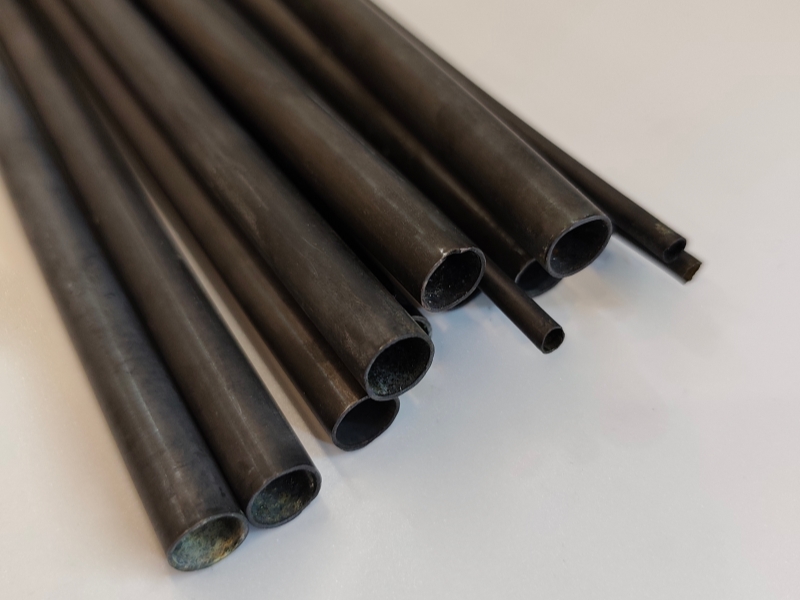
carbon fiber
3、 Application Fields
Nickel titanium alloy fiber: widely used in the medical field, such as making vascular stents, dental orthotics, etc., utilizing its shape memory effect and biocompatibility; It is also used in the aerospace industry to manufacture deformable parts, as well as in the clothing industry to produce fabrics with wrinkle recovery function.
Carbon fiber: mainly used in the aerospace, defense and military industries, such as manufacturing aircraft wings, rocket shells, etc., to reduce weight and improve performance; Used in the automotive industry for manufacturing body, chassis, and other components; In the field of sports and leisure, carbon fiber is widely used to improve the quality of products such as bicycles and golf clubs.
Wu Ge nickel titanium alloy proposes to combine nickel titanium alloy (NiTi) fibers with carbon fibers to create a composite material called "nickel titanium alloy carbon fiber cloth". This material is no longer a traditional structural material, but an intelligent structural material or multifunctional material. Nickel titanium alloy carbon fiber cloth, a new material that combines the high strength, wear resistance, and corrosion resistance of carbon fiber cloth with the shape memory effect, super elasticity, high damping, and self-healing ability of nickel titanium alloy, will create the next generation of materials with sensing, response, and environmental adaptability.
Nitinol
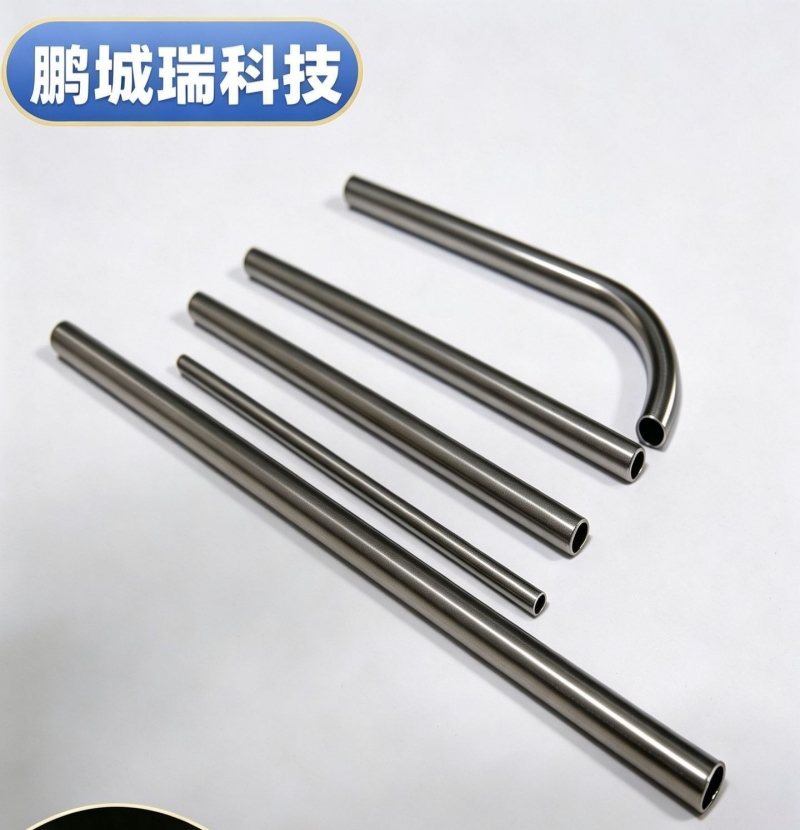
Seamless nickel titanium tube Nickel titanium fiber wire Nickel titanium plateApplication Area
Medical Industry New Energy Aerospace Machinery Manufacturing Marine Engineering Petrochemical IndustryContact Us
Contacts:Manager Wu +86 13632667260


 WeChat
 Call me
X