
 Chinese
 English
Service Hotline
+86 18948275773+86 13632667260



Nickel titanium alloy carbon fiber composite material is a new type of multifunctional composite material formed by combining nickel titanium alloy (shape memory alloy, SMA) with carbon fiber reinforced polymer (CFRP). It combines the core advantages of two substrates and compensates for the shortcomings of a single material through synergistic effects. It has important application value in aerospace, intelligent structures, high-end equipment and other fields. Its core characteristics can be analyzed from four dimensions: mechanical performance, functional characteristics, environmental adaptability, and processing and application characteristics:
1、 Mechanical performance: synergistic optimization of high strength and high toughness
The mechanical advantages of the two substrates complement each other, solving the pain points of traditional composite materials with "high strength but high brittleness" or "high toughness but insufficient strength":
1. High strength and high specific strength
Carbon fiber (such as T700 and T800 grades) itself has extremely high tensile strength (about 3-7GPa) and specific strength (strength/density, 5-10 times that of steel). As a reinforcing phase, it can significantly enhance the ovrall load-bearing capacity of composite materials; Although nickel titanium alloys (such as NiTi-55Ni) have lower strength than carbon fibers (about 1000-1500MPa), stress transmission can be optimized through "fiber/alloy interface bonding" to avoid local stress concentration and fracture of composite materials under stress. The overall specific strength can reach 3-5 times that of traditional metal materials (such as aluminum alloys).
2. High toughness and impact resistance
The shape memory effect and superelasticity (reversible deformation of 6% -8% at room temperature) of nickel titanium alloys are key: when composite materials are subjected to impacts (such as bird strikes in aviation structures or equipment drops), nickel titanium alloys can absorb energy through deformation and suppress brittle fracture of carbon fibers; At the same time, the plastic deformation ability of nickel titanium alloy can delay crack propagation, increasing the impact toughness of composite materials by 40% -80% compared to pure CFRP, solving the core defect of "brittle fracture" of CFRP.
3. Excellent fatigue performance
The fatigue life of nickel titanium alloy under cyclic loading is much higher than that of traditional metals such as steel and aluminum alloy, while the anti fatigue creep ability of carbon fiber is outstanding; After the combination of the two, the fatigue failure risk of composite materials is significantly reduced under long-term alternating loads (such as aviation engine blades and bridge damping structures), and the fatigue life can reach 2-3 times that of pure CFRP.

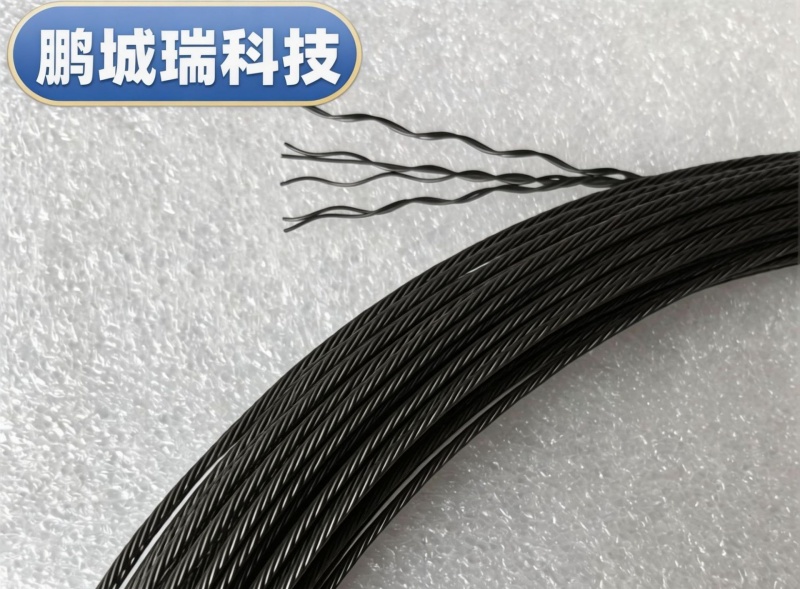
Nickel titanium alloy carbon fiber composite material
2、 Functional features: Dual capability of "carrying" and "intelligent response"
Different from traditional structural composite materials (which only bear mechanical loads), this material has intelligent control function due to the "shape memory effect" of nickel titanium alloy, achieving "structure function integration":
1. Shape memory and active deformation ability
Nickel titanium alloy can restore its preset shape (such as from a "bent state" to a "straight state") under temperature (or stress) triggering. After being composite with carbon fiber, the composite material can be used as an "intelligent structural component". For example, the "adaptive skin" of an aircraft wing can be optimized for aerodynamic shape by heating the nickel titanium alloy to drive skin micro deformation; The "deployable antenna" of a spacecraft can be folded (reducing volume) during launch and deployed through temperature triggering after entering orbit.
2. Stress self-monitoring and self-healing potential
The resistance of nickel titanium alloy undergoes significant changes with deformation (piezoresistive effect), which can be used as a "built-in sensor": when the composite material is subjected to stress and microcracks occur, the deformation of nickel titanium alloy will cause a sudden change in resistance, achieving real-time monitoring of stress/damage; In addition, by activating the shape memory effect of nickel titanium alloy through heating, its restoring force can "close microcracks", combined with the viscoelasticity of the polymer matrix, achieving a certain degree of "self-healing" and extending the service life of the structure.
3、 Environmental adaptability: corrosion resistance, high temperature resistance, and dimensional stability
1. Excellent corrosion resistance
The surface of nickel titanium alloy is prone to the formation of a dense oxide film (TiO ₂), which can resist corrosive environments such as acid and alkali, salt spray, etc; Carbon fiber itself has strong chemical inertness, and polymer matrices (such as epoxy resin and polyimide) can isolate external media. Therefore, the corrosion resistance of this composite material is far superior to traditional metals such as steel and copper alloys, and can be used in corrosive environments such as marine engineering equipment (such as underwater robot shells) and chemical pipelines.
2. Good high temperature and low temperature stability
The phase transition temperature range of nickel titanium alloy is wide (can be achieved by adjusting the composition to -50 ℃ to 150 ℃, or even higher), and it maintains its mechanical properties even at extreme temperatures; The high temperature resistance of carbon fiber is outstanding (for example, PAN based carbon fiber has stable performance below 200 ℃, and asphalt based carbon fiber can withstand above 600 ℃). Therefore, the composite material can adapt to alternating high and low temperature environments, such as the "thermal protection structure" of spacecraft (-180 ℃ to 100 ℃) and the "high-temperature component shell" of automotive engines.
3. Low coefficient of expansion, high dimensional stability
The coefficient of linear expansion of carbon fiber is extremely low (even negative, about -1 × 10 ⁻⁶/℃), which can offset the thermal expansion of nickel titanium alloy (about 10 × 10 ⁻⁶/℃) and polymer matrix; By optimizing the fiber laying direction (such as unidirectional or orthogonal laying), the overall thermal expansion coefficient of composite materials can be controlled below 1 × 10 ⁻⁶/℃, which is much lower than that of metal materials. It is suitable for precision instruments (such as optical equipment brackets), chip packaging, and other scenarios that require high dimensional accuracy.
4、 Core advantages and application directions
The essence of nickel titanium alloy carbon fiber composite material is the fusion of "structural load-bearing" and "intelligent function", and its core advantages can be summarized as: high strength+high toughness+shape memory+environmental resistance. At present, it is mainly applied in high-end fields with strict performance requirements, as follows:
Aerospace: adaptive wings, deployable structures, thermal protection components, dependent on material's high specific strength, shape memory, and resistance to high and low temperatures;
Intelligent equipment: flexible robot joints, adaptive shock absorbers, material dependent hyperelasticity, stress self-monitoring;
Precision manufacturing: optical instrument brackets, chip packaging bases, relying on the low coefficient of expansion and dimensional stability of materials;
Marine/Chemical Industry: Underwater robot casing, corrosion-resistant pipelines, relying on the material's corrosion resistance and high strength.
With the breakthrough of interface modification technology and cost reduction, nickel titanium alloy carbon fiber composite materials are actively expanding into civilian fields such as high-end automobiles and medical devices. Wuge Nickel Titanium Alloy Material has launched the "Nickel Titanium Alloy Carbon Fiber" composite material. Interested parties are welcome to explore the material application market together.
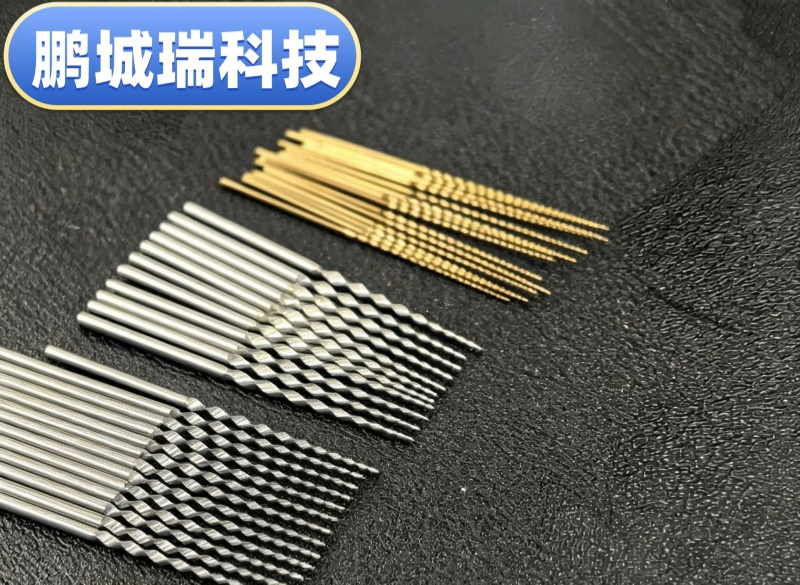
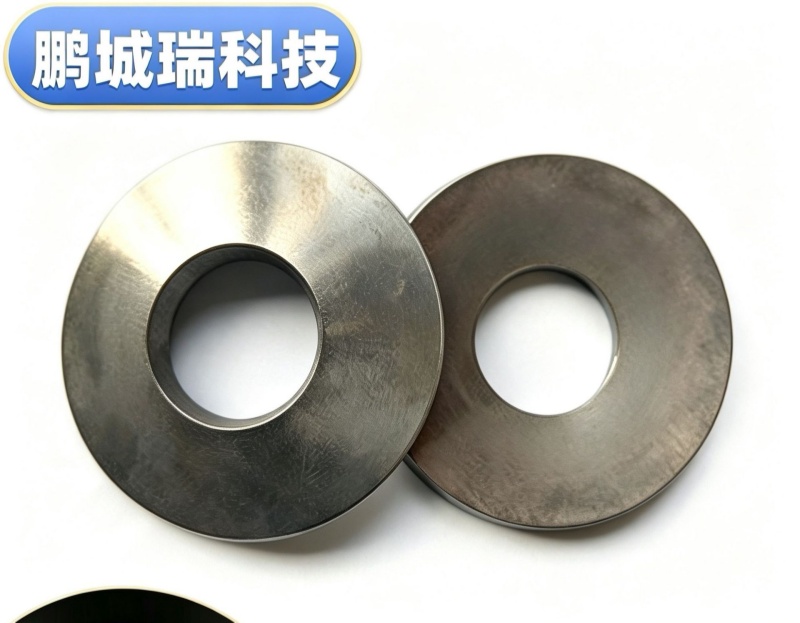
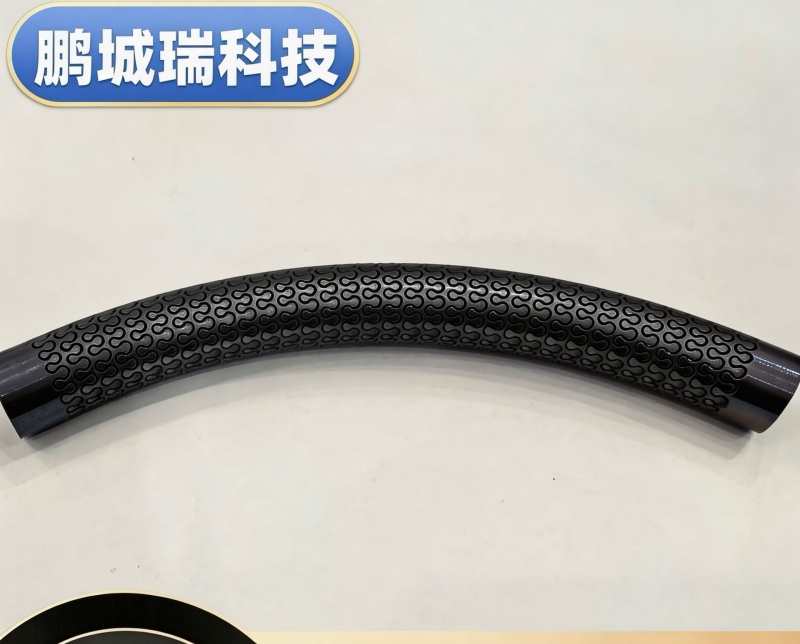
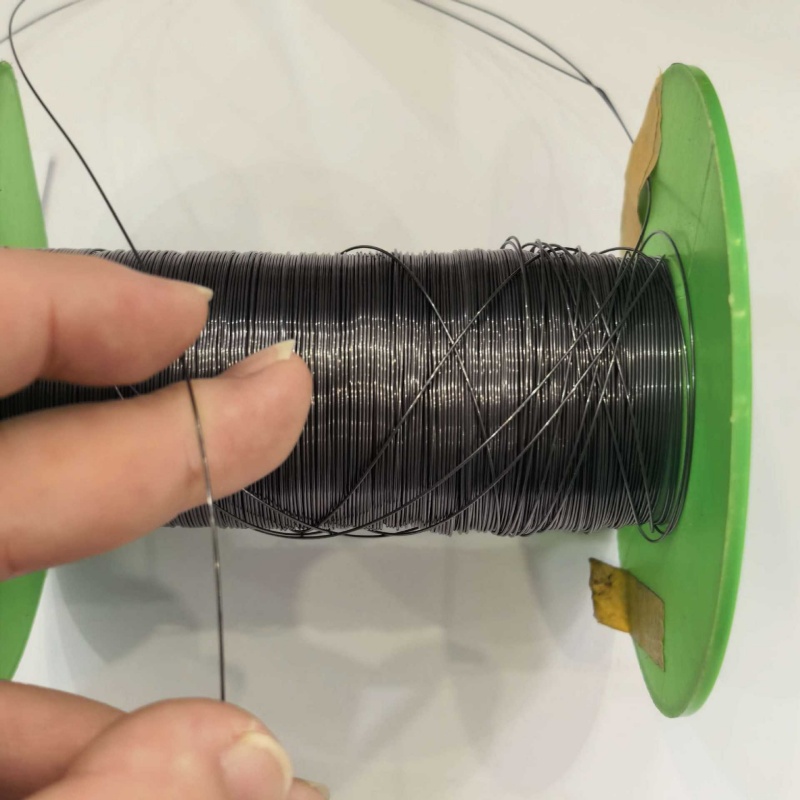
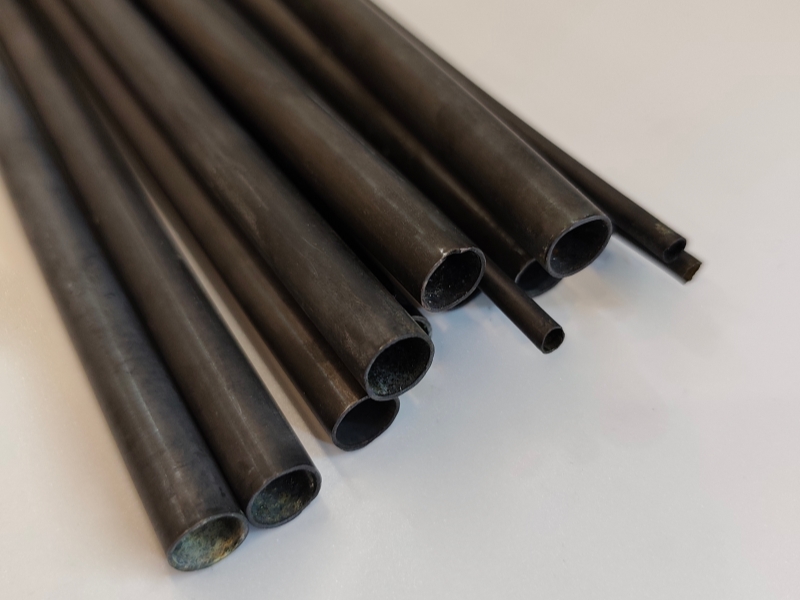
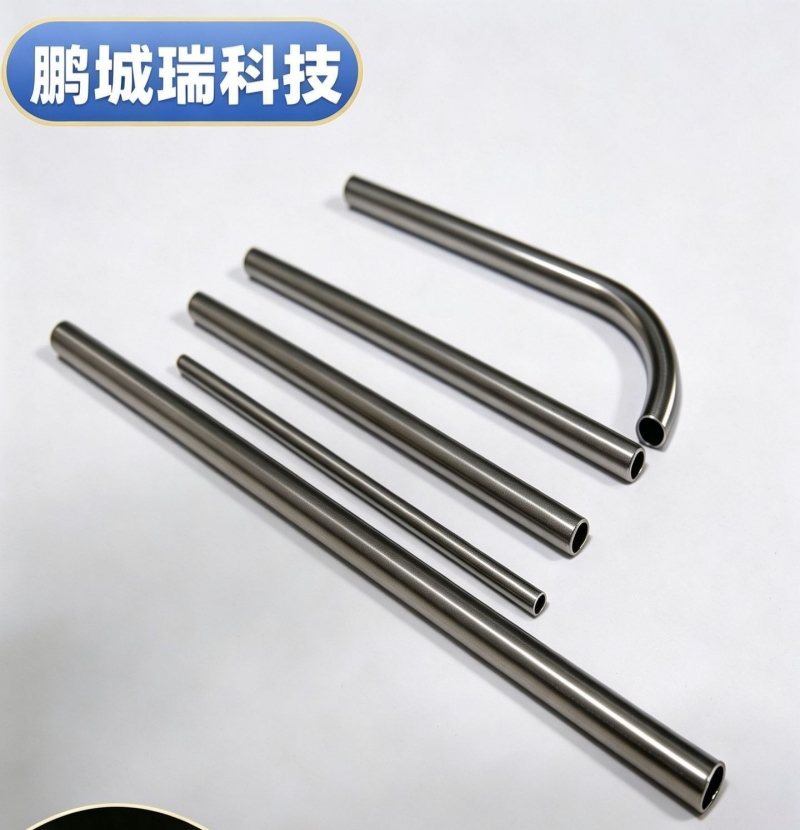
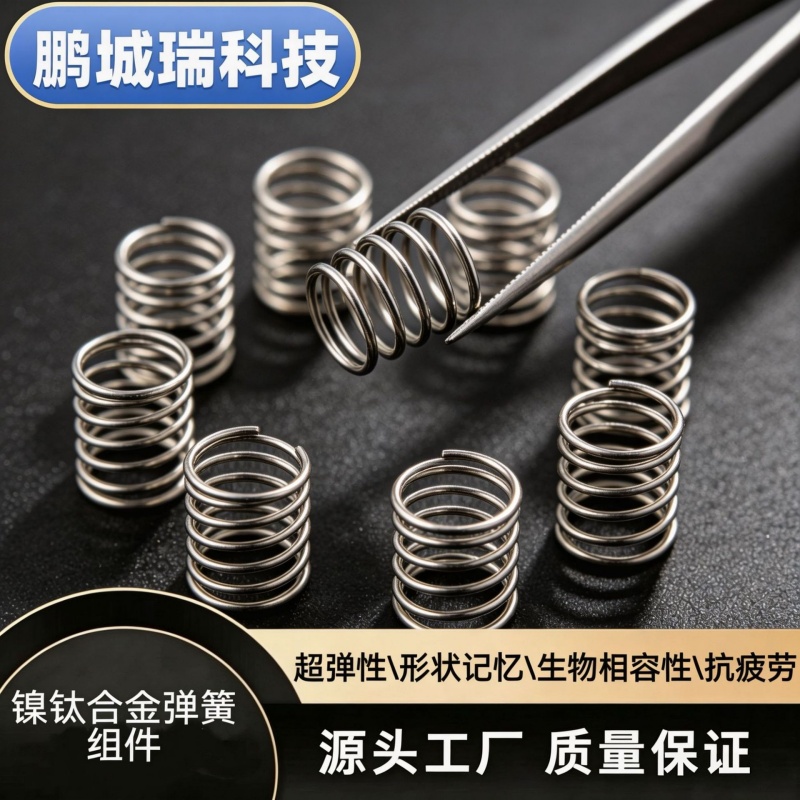
Nitinol
Seamless nickel titanium tube Nickel titanium fiber wire Nickel titanium plateApplication Area
Medical Industry New Energy Aerospace Machinery Manufacturing Marine Engineering Petrochemical IndustryContact Us
Contacts:Manager Wu +86 13632667260


 WeChat
 Call me
X