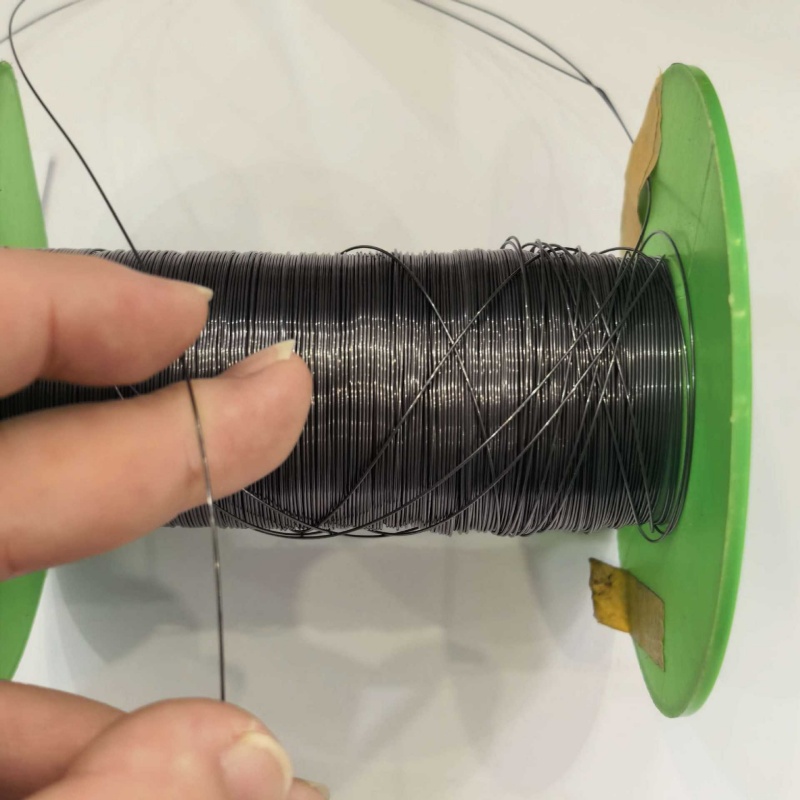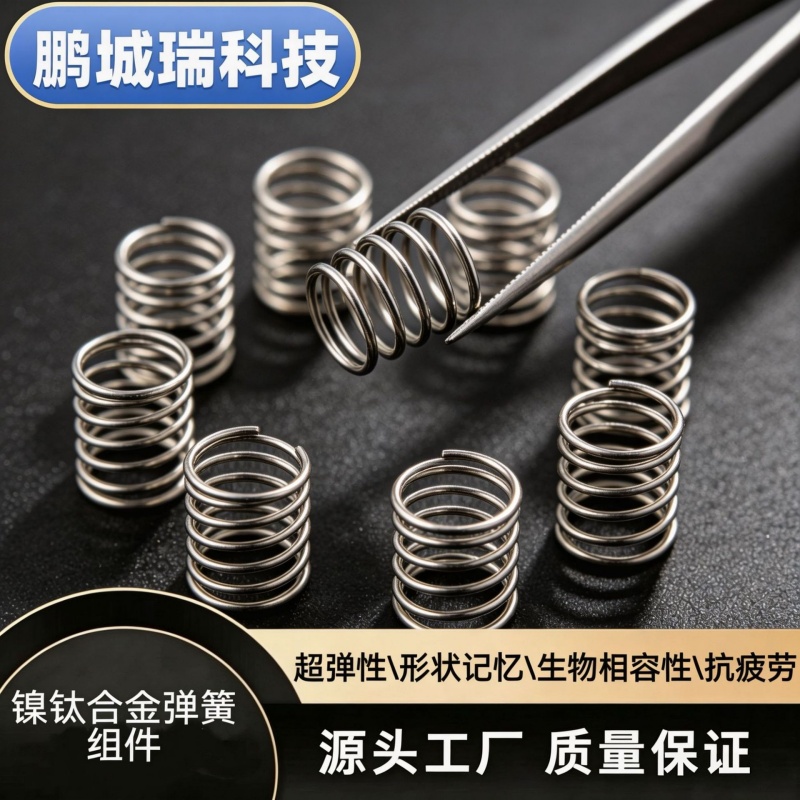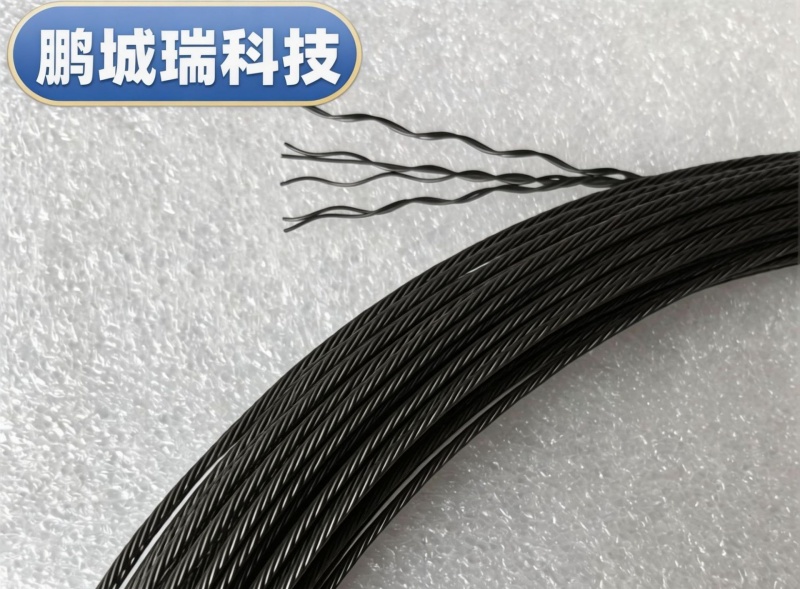
Based on its core characteristics of super elasticity, shape memory, ultra-fine diameter, resistance to repeated bending, and lightweight, nickel titanium fiber monofilament has a demand for application in consumer electronics.
The current core standards for nickel titanium memory sheets are GB/T 39985-2021, GB/T 24627-2023, YS/T 1076-2015, and internationally commonly used ASTM F2063.
The mainstream technologies for anti-oxidation of nickel titanium alloys include thermal oxidation, micro arc oxidation, plasma treatment, electrolytic polishing, and salt bath passivation.
The main routes for nickel titanium alloy oxidation prevention technology include chemical passivation, electrochemical oxidation, plasma/gas phase treatment, high-temperature controlled oxidation, and physical coating.
Nickel titanium alloy rope is very sturdy, with high strength, super elasticity, fatigue resistance, and corrosion resistance. It is more durable than ordinary steel wire rope in dynamic/repeated stress scenarios.
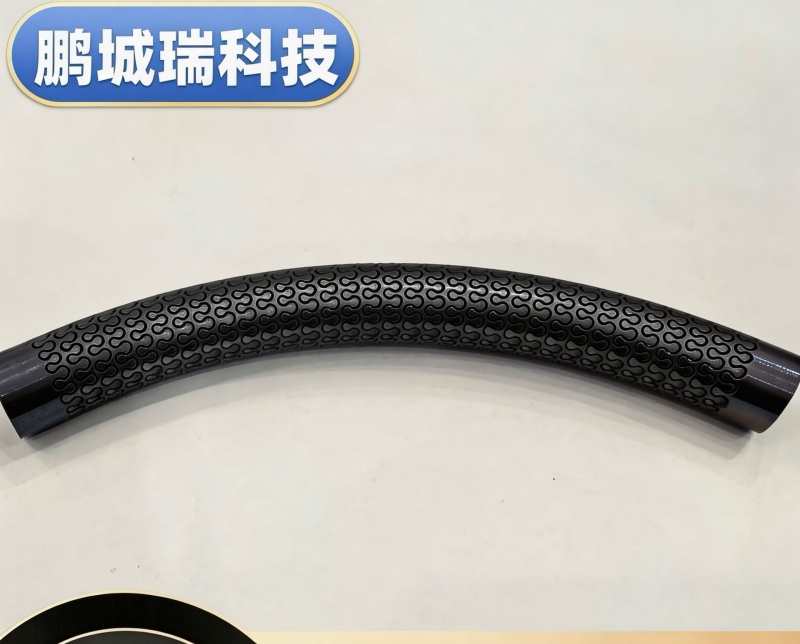
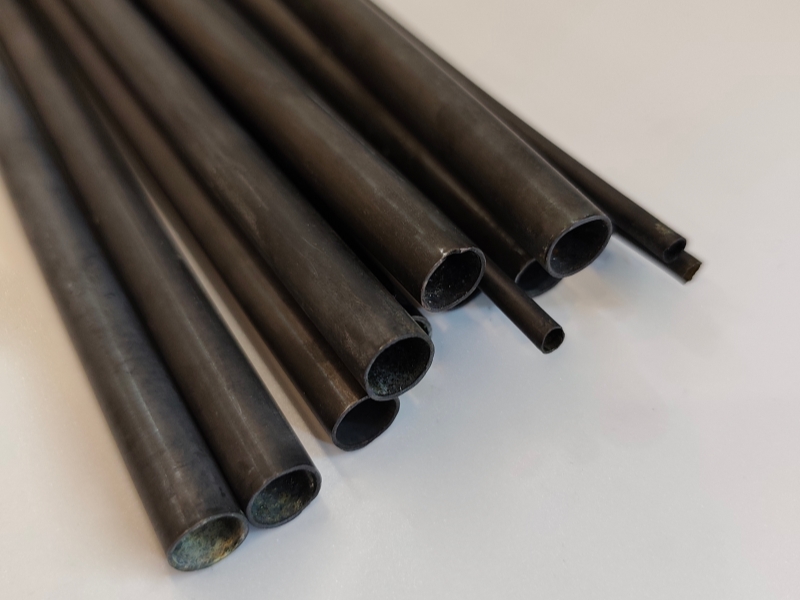
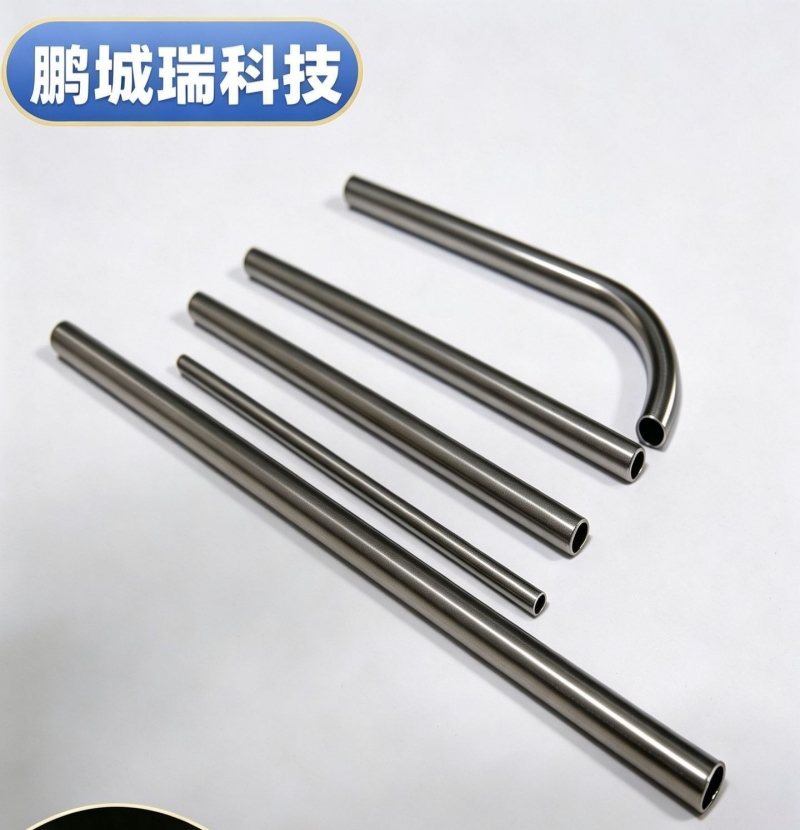
Nickel titanium alloy tubes have become the core flexible/driving/structural material for medical, soft, micro, industrial/aerospace robots due to their shape memory effect, superelasticity, high fatigue life, and biocompatibility.
The nickel titanium shaped stent is made of near equiatomic ratio NiTi alloy as the substrate, relying on core processes such as precision forming of pipes, laser cutting/weaving, heat setting, and surface treatment to achieve complex shaped structure…
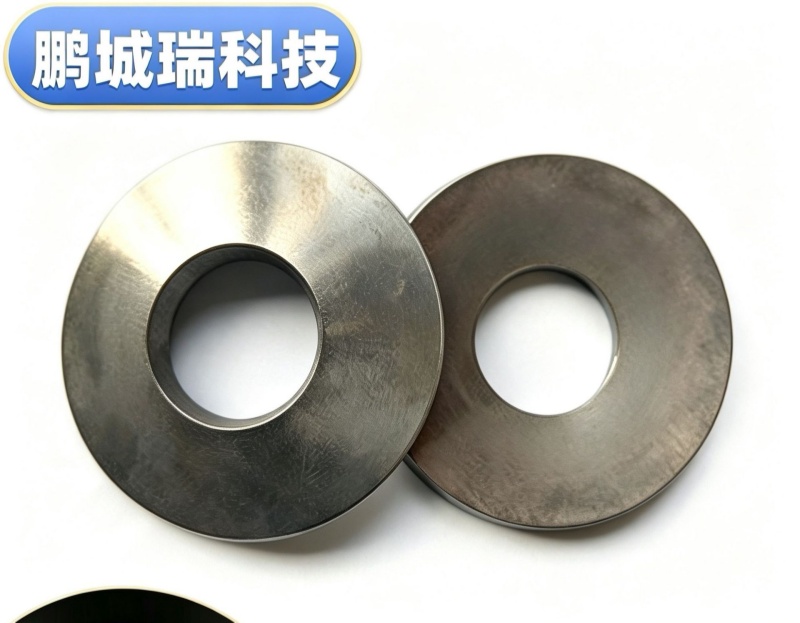
Nickel titanium alloy plates have classic application cases in aerospace, industry, electronics, and other fields due to their shape memory effect, superelasticity, biocompatibility, and high damping properties.