
 Chinese
 English
Service Hotline
+86 18948275773+86 13632667260


Can carbon fiber and nickel titanium alloy fiber, as two mature materials, be fused to form a new composite material? How do the fibers of two "personalities" coexist? As the editor of Wu Ge nickel titanium alloy materials, let's explore it in this issue.
Characteristics of carbon fiber
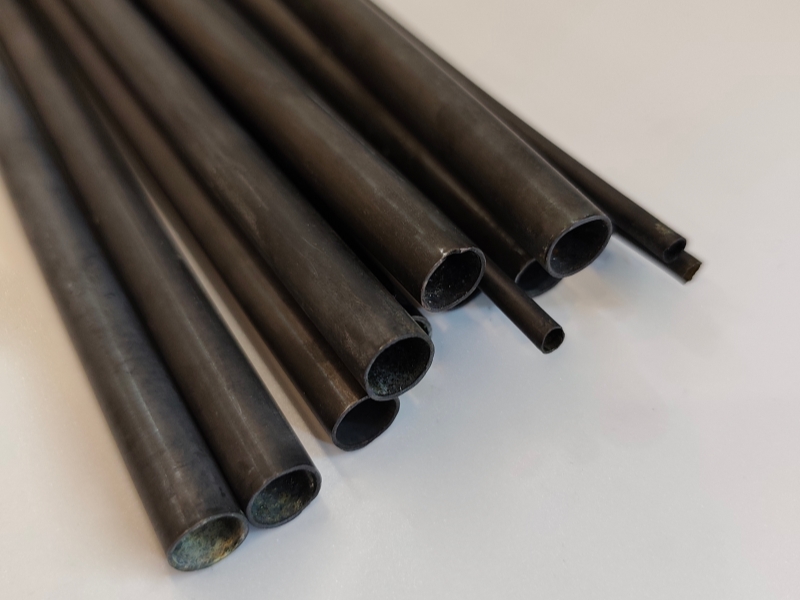
Carbon fiber has high hardness (about 3-5 times that of steel), low density (1.5-1.8g/cm ³), and anisotropy, and is widely used in fields such as aerospace and bridge engineering. During its processing, problems such as delamination and deformation are prone to occur, and special processes such as milling and laser monitoring are required to control accuracy.
Characteristics of Nickel Titanium Alloy
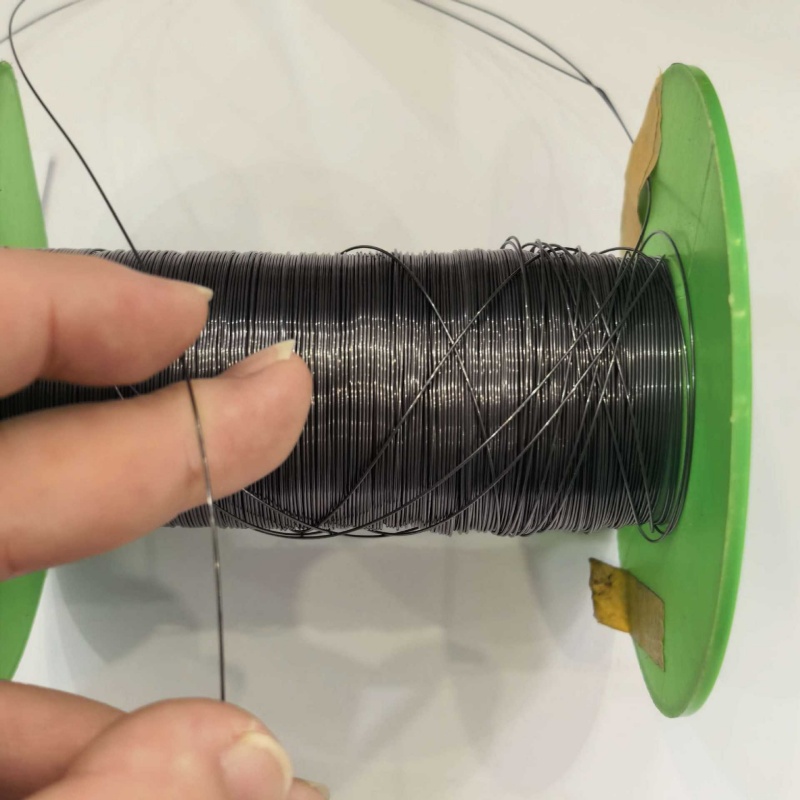
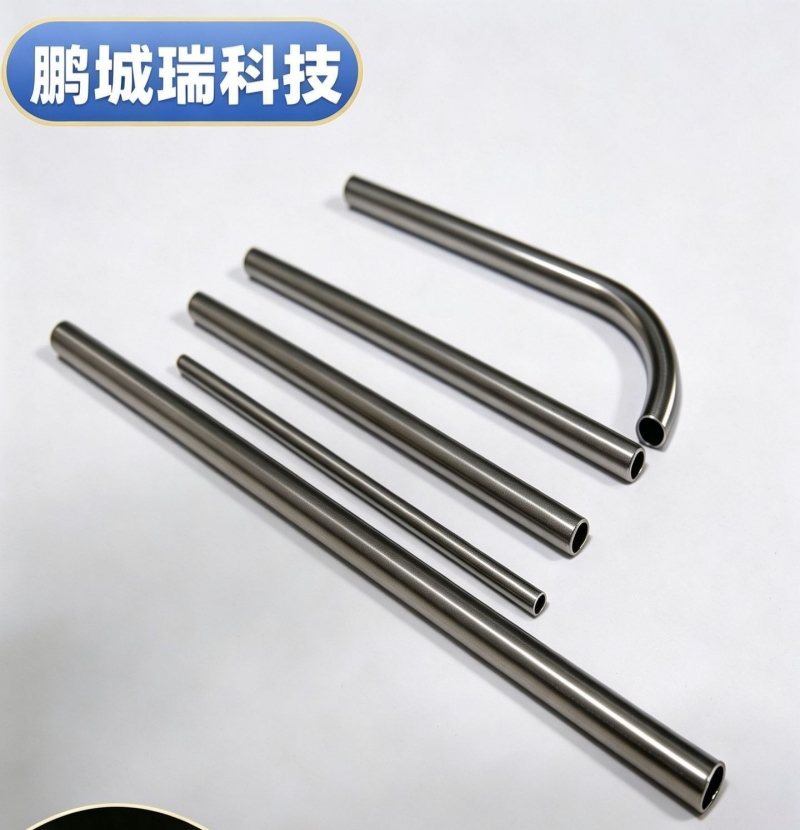
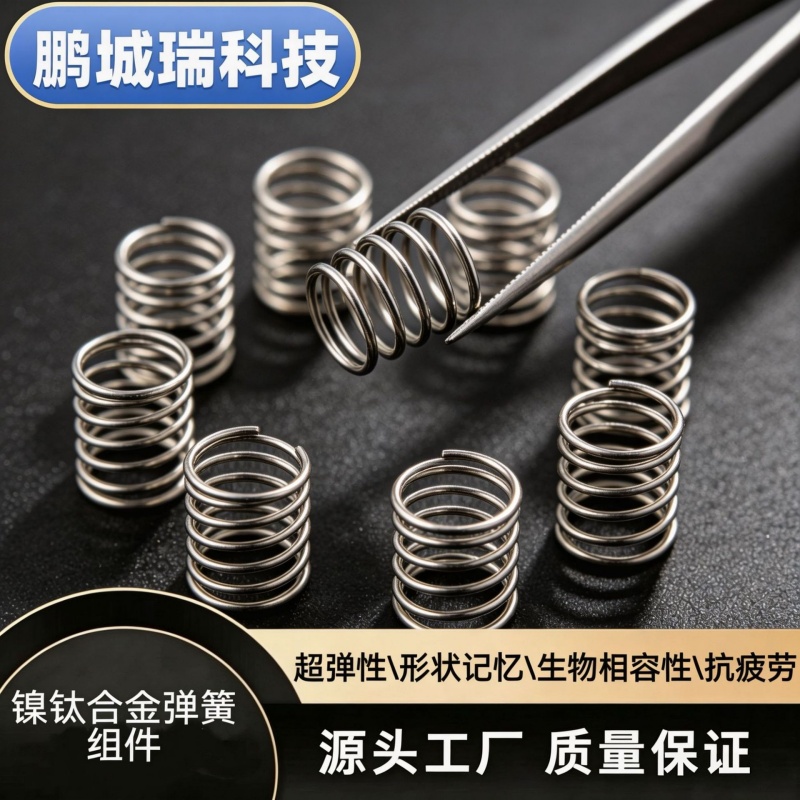
Nickel titanium alloy is known for its super elasticity, shape memory, and corrosion resistance, and is commonly used in medical devices (such as stents, guide wires) and precision engineering components. Its processing requires consideration of temperature sensitivity and stress distribution, which differs significantly from traditional metal processing techniques.
Incorporating nickel titanium alloy fibers into carbon fibers is not only feasible, but has also been achieved in the fields of materials science and engineering, forming various mature processes and application directions.
1、 Main implementation methods and characteristics
(1) Mixed weaving+resin curing: nickel titanium alloy wire is interwoven with carbon fiber warp and weft, and then vacuum cured with thermosetting resin. The process is simple and can retain shape memory/super elasticity. The interface bonding depends on resin infiltration, and the high-temperature performance is limited;
(2) Pre impregnated material embedding: NiTi filaments are embedded into carbon fiber pre impregnated material, laminated and cured, with controllable structure and scalable production. The layering needs to be optimized to prevent stress concentration;
(3) Metal based composites: Nickel titanium fibers and carbon fibers are co embedded in metal matrices (such as aluminum and titanium), with high bonding strength, high temperature resistance, complex process, and high cost;
(4) Surface modified composite: Carbon fiber surface is nickel plated with titanium alloy or coated with nanoparticles, and then combined with NiTi fiber for good interface bonding, which can endow self-healing/sensing functions. The coating process requires high control requirements.

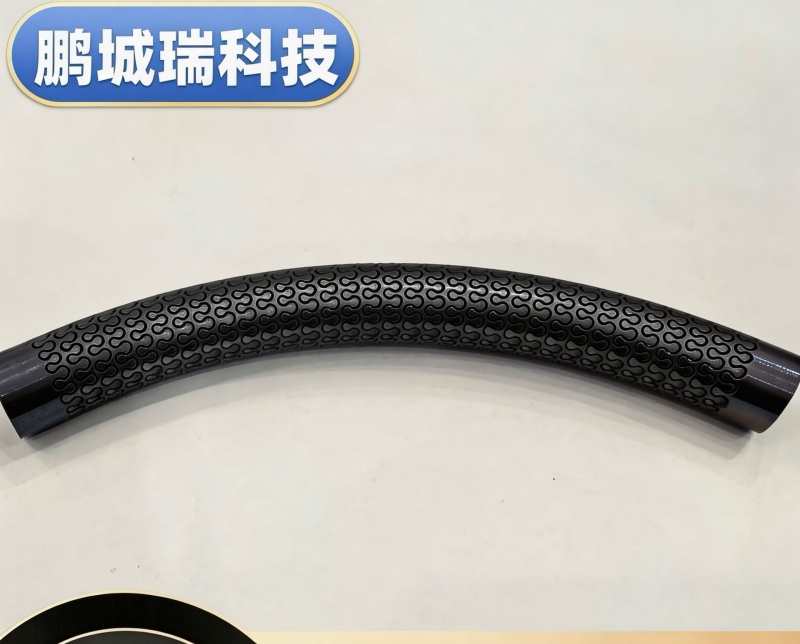
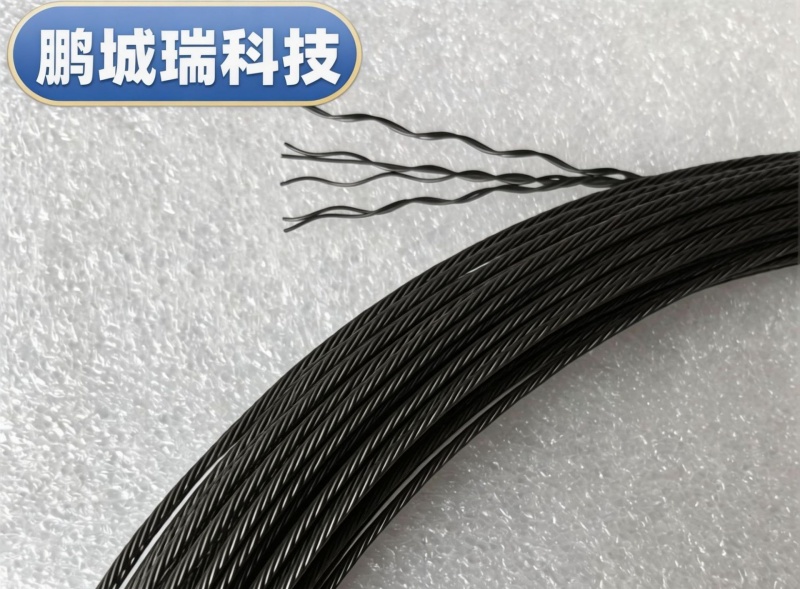
Nickel titanium alloy carbon fiber composite material
2、 Technical feasibility analysis
There are significant differences in physical and chemical properties between carbon fiber and nickel titanium alloy: carbon fiber is lightweight, high-strength, but has low electrical and thermal conductivity, while nickel titanium alloy has shape memory effect, superelasticity, and good conductivity. Combining the two can not only enhance the mechanical properties of composite materials, but also endow them with intelligent features such as adaptive stiffness adjustment, self-healing ability, and vibration damping control.
Typical application scenarios
Aerospace: wing skins, deformable structural components
Automotive industry: adaptive body structure, shock absorption system
Intelligent structures: self-healing composite materials, active deformation structures
Medical Rehabilitation: Adjustable Orthoses, Implantable Medical Devices
In Shenzhen and the Pearl River Delta region, there are many enterprises with the ability to produce carbon fiber prepreg, precision weaving, and manufacture metal matrix composite materials, which can provide integrated services from material design to finished product manufacturing. Wuge Nickel Titanium Alloy Material, combined with decades of industry experience, has developed a composite material called "Nickel Titanium Alloy Carbon Fiber" by combining nickel titanium alloy fibers with carbon fibers through in-depth research on nickel titanium alloy materials. Interested parties are welcome to explore the material application market together.
Nitinol
Seamless nickel titanium tube Nickel titanium fiber wire Nickel titanium plateApplication Area
Medical Industry New Energy Aerospace Machinery Manufacturing Marine Engineering Petrochemical IndustryContact Us
Contacts:Manager Wu +86 13632667260


 WeChat
 Call me
X