
 Chinese
 English
Service Hotline
+86 18948275773+86 13632667260



Nickel titanium alloy carbon fiber composite material is an advanced material that combines the characteristics of nickel titanium alloy and carbon fiber, exhibiting unique performance characteristics in high temperature environments. The high-temperature performance of Wuge nickel titanium alloy material will be analyzed from multiple dimensions.

Nickel titanium alloy carbon fiber
1、 Basic characteristics of materials
High temperature performance of nickel titanium alloy
Nickel titanium alloys (especially nickel based high-temperature alloys) have excellent high-temperature performance:
Can maintain good mechanical properties above 1000 ℃
Nickel based high-temperature alloys (such as Inconel 718) are the core materials of aircraft engines
Has excellent strength and antioxidant properties
Excellent mechanical and antioxidant properties can still be maintained at 704 ℃
High temperature performance of carbon fiber
Carbon fiber itself has extremely high temperature resistance:
Theoretical temperature resistance can reach 2600 ℃
In practical applications, due to the limitations of resin and other substrates, the temperature resistance range is usually between 300 ℃ and 2000 ℃
High temperature use carbon fiber cloth can withstand temperatures up to 2000 ℃
The temperature resistance of ceramic based carbon fiber composite materials exceeds 2000 ℃
High temperature performance of composite materials
(1) Extreme temperature
The temperature resistance of nickel titanium alloy carbon fiber composite material is between the two:
Metal based carbon fiber composite materials can withstand high temperatures of about 1000 ℃
Carbon fiber reinforced polymer (CFRP) can withstand high temperatures above 1000 ℃
In aerospace applications, 3D woven carbon based composite materials can withstand 1800 ℃ thermal shock cycles
(2) Intensity variation
Strength performance of composite materials under high temperature environment:
The tensile strength of carbon fiber composite material at 900 ℃ is 20-35MPa, and the compressive strength is 180-230MPa
When the temperature exceeds 300 ℃, the rate of decrease in carbon fiber strength significantly accelerates
At 1300 ℃, some silicon carbide fiber composite materials can maintain 85% room temperature strength
High temperature oxidation can lead to the formation of a thin film on the surface of carbon fibers, affecting their strength and performance
(3) Dynamic mechanical properties
Has significant asymmetry between tension and compression, with compressive strength much higher than tensile strength
Under high strain rates, the ultimate strength and fracture toughness of carbon fiber materials significantly increase
Microstructure changes and weakened interfacial adhesion of materials under high temperature environment accelerate material failure
2、 High temperature application field
(1) Aerospace
Aircraft engine hot end components (turbine blades, combustion chamber liners)
Rocket nozzle material, capable of withstanding high temperatures up to 1800 ℃
Structural components of spacecraft during re-entry into the atmosphere (external temperature up to 1600 ℃)
(2) Energy equipment
Gas turbine components (capable of operating continuously for over 20000 hours in an environment with a working temperature of 950 ℃)
Radiation resistant components in nuclear reactors
High temperature electric furnaces, rocket nozzles, and other fields that require extreme high temperature resistance
(3) Other fields
Chemical extreme environmental equipment (such as ethylene cracking furnace radiation section furnace tube)
Corrosion resistant components in deep-sea oil and gas extraction
3、 Performance optimization direction
Interface modification: Improve fiber/matrix interface bonding and enhance interface strength at high temperatures
Antioxidant coating: Developing new antioxidant coating systems, such as SiC/MoSi ₂/ZrO2 ₂ gradient coatings
Weaving process: Using 3D weaving technology to improve fiber volume fraction and thermal shock resistance
Matrix material: New matrix materials such as high entropy carbide composite SiBCN ceramics are used
Nickel titanium alloy carbon fiber composite materials exhibit excellent comprehensive performance in high temperature environments, with a temperature resistance range typically between 1000 ℃ and 1800 ℃, depending on the material composition and preparation process. This material has broad application prospects in high-temperature fields such as aerospace and energy, but further research is needed to solve problems such as high-temperature oxidation and interface degradation.
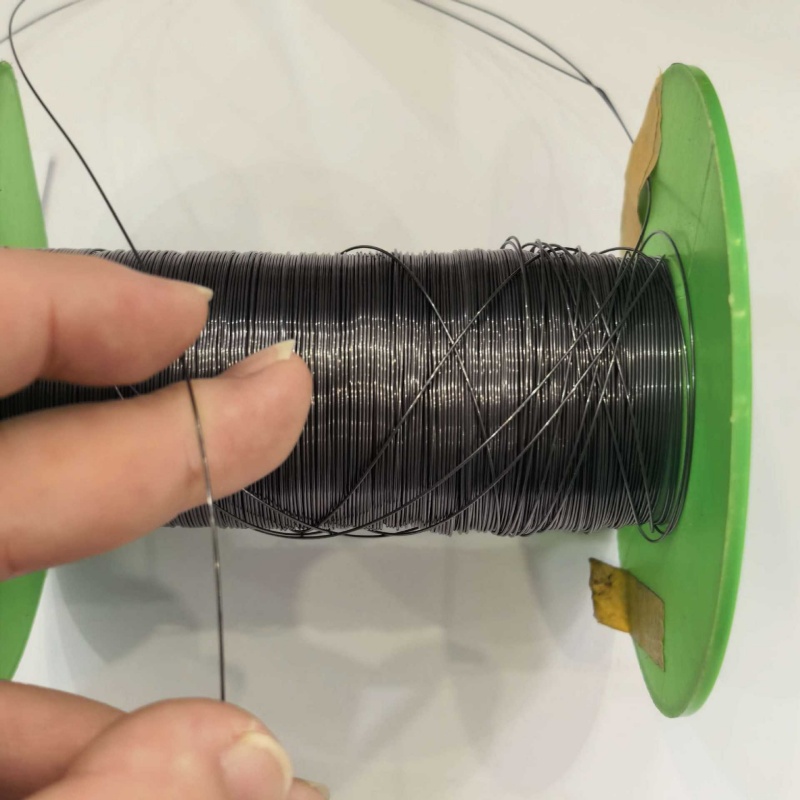
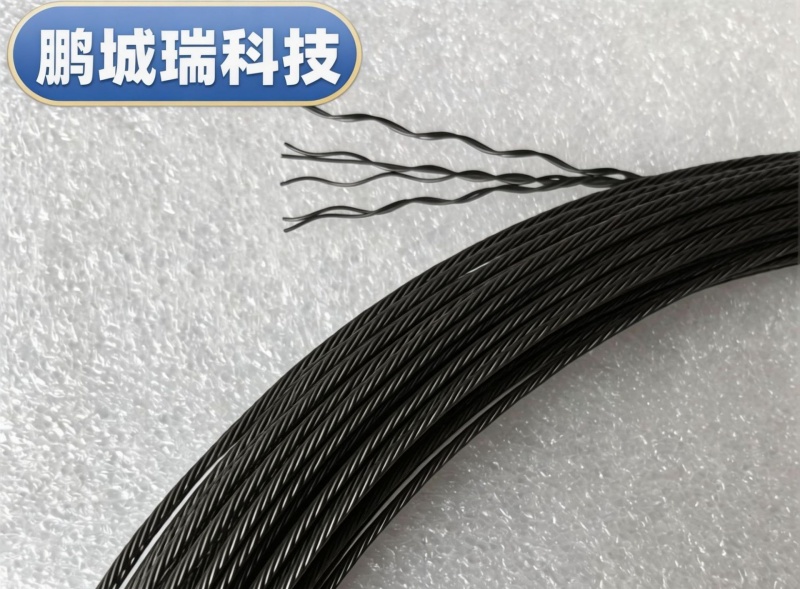
Wu Ge nickel titanium alloy material proposes to incorporate nickel titanium alloy fibers into carbon fibers to create a "nickel titanium alloy carbon fiber" composite material. In addition to excellent performance in high temperature environments, it can greatly improve the rigidity and toughness of the material.
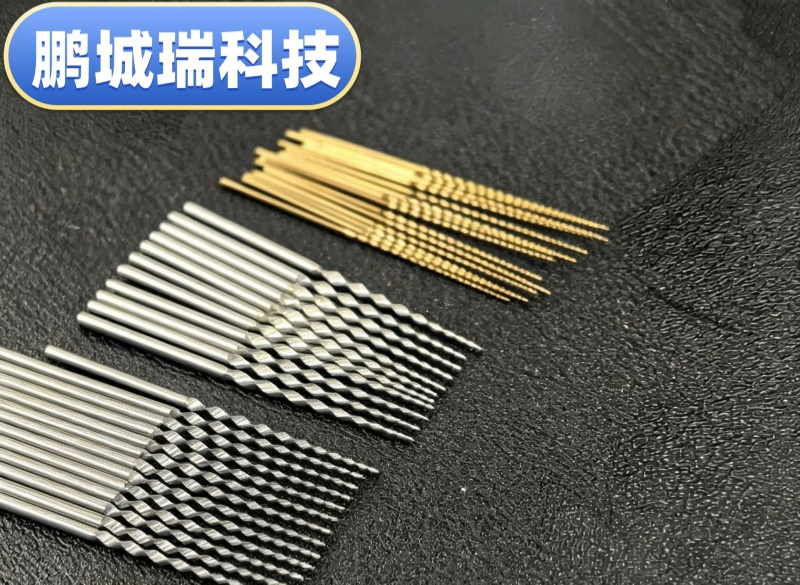
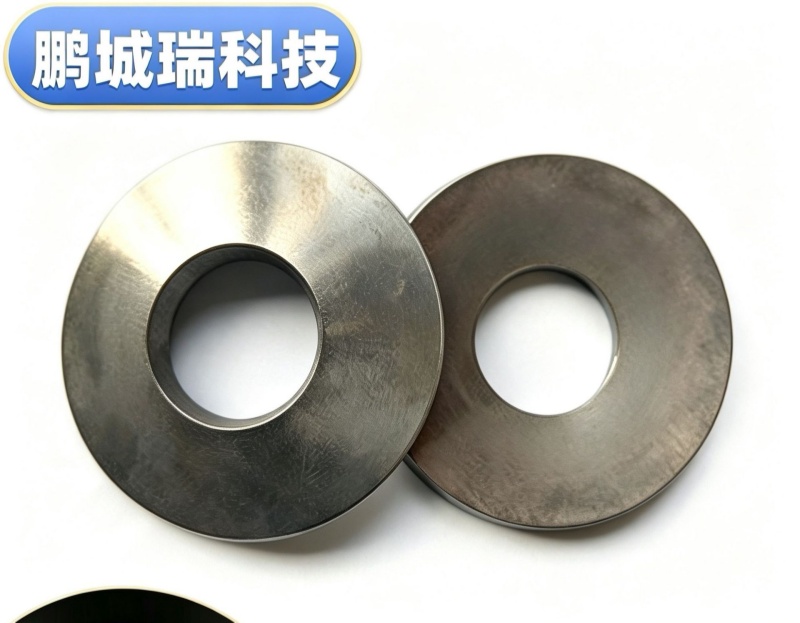
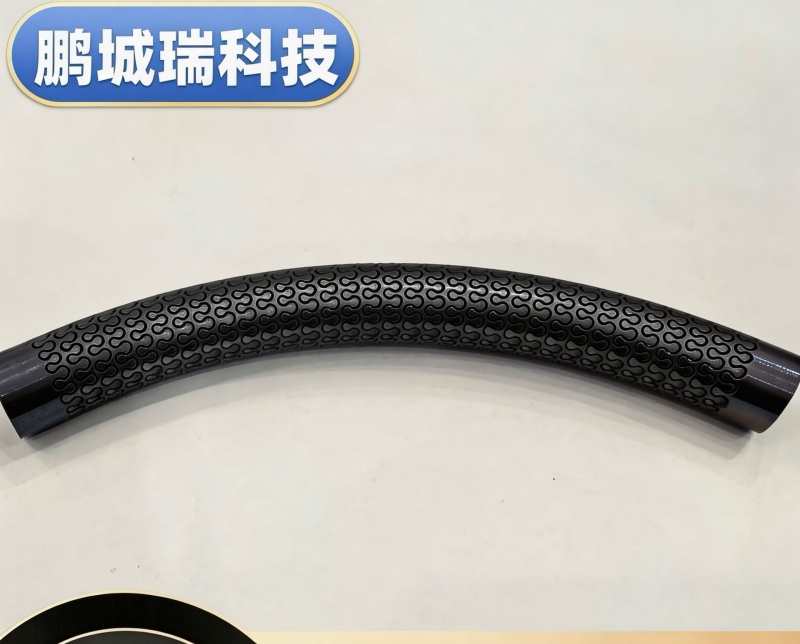
Nitinol
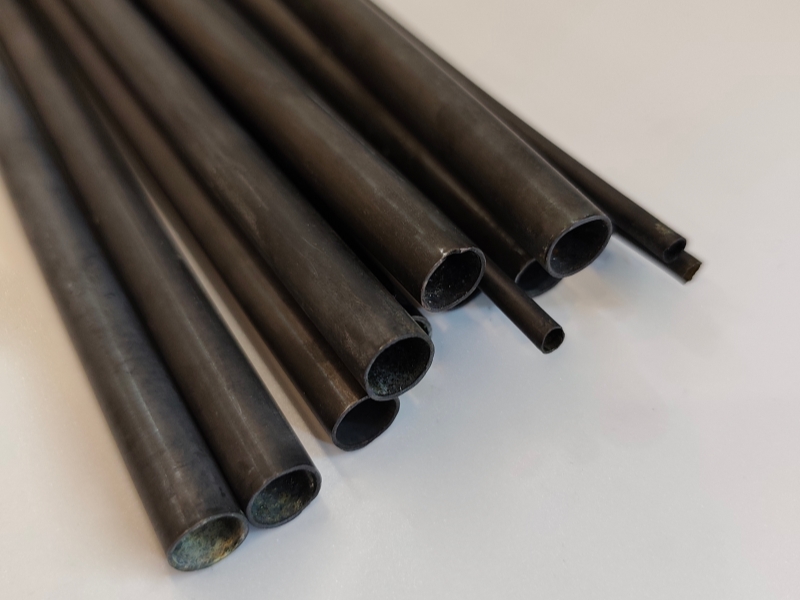
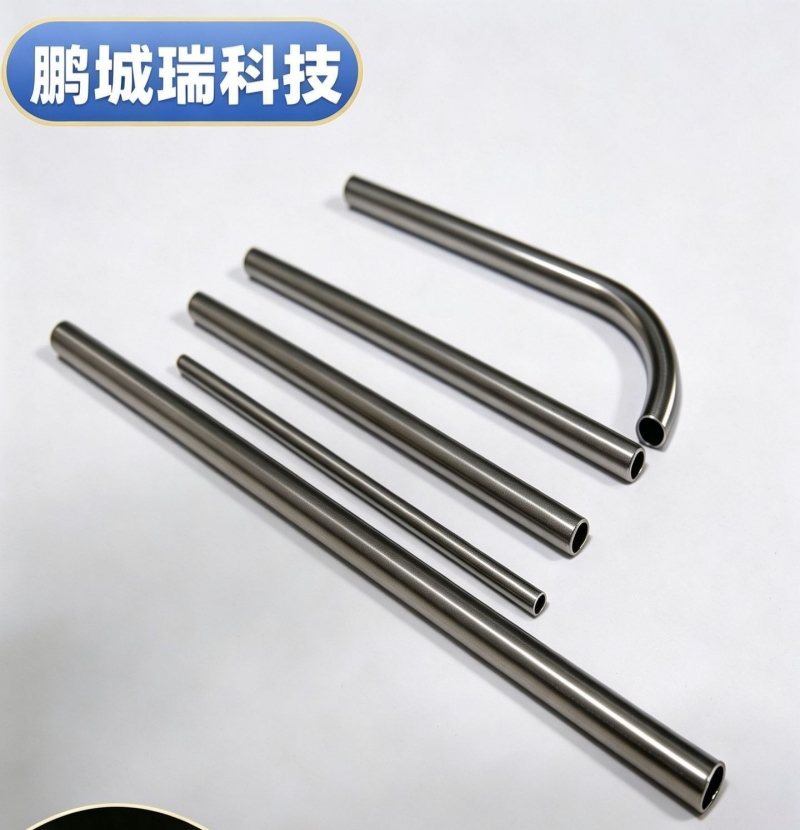
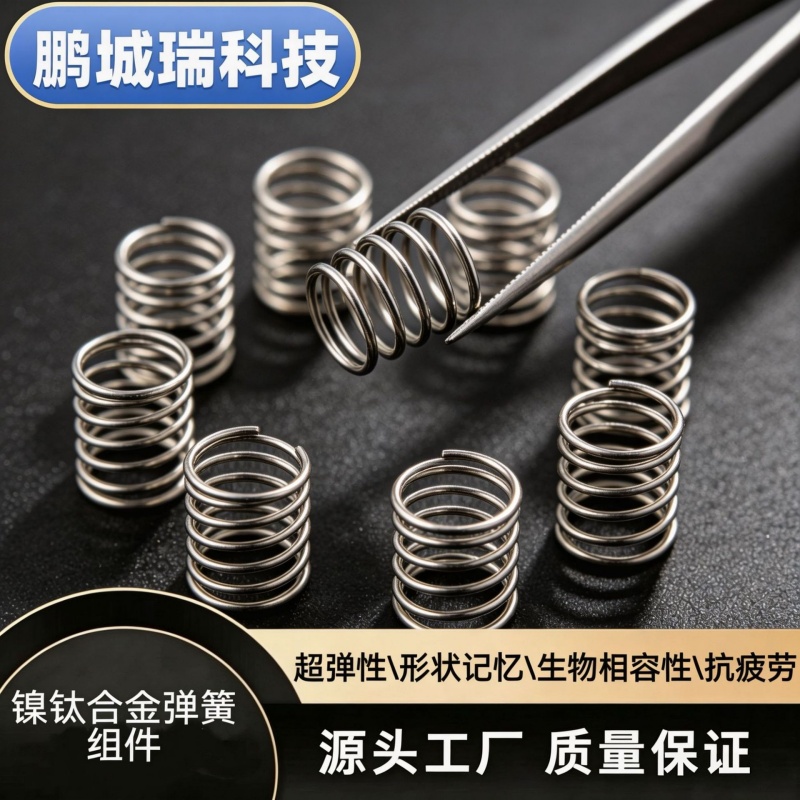
Seamless nickel titanium tube Nickel titanium fiber wire Nickel titanium plateApplication Area
Medical Industry New Energy Aerospace Machinery Manufacturing Marine Engineering Petrochemical IndustryContact Us
Contacts:Manager Wu +86 13632667260


 WeChat
 Call me
X