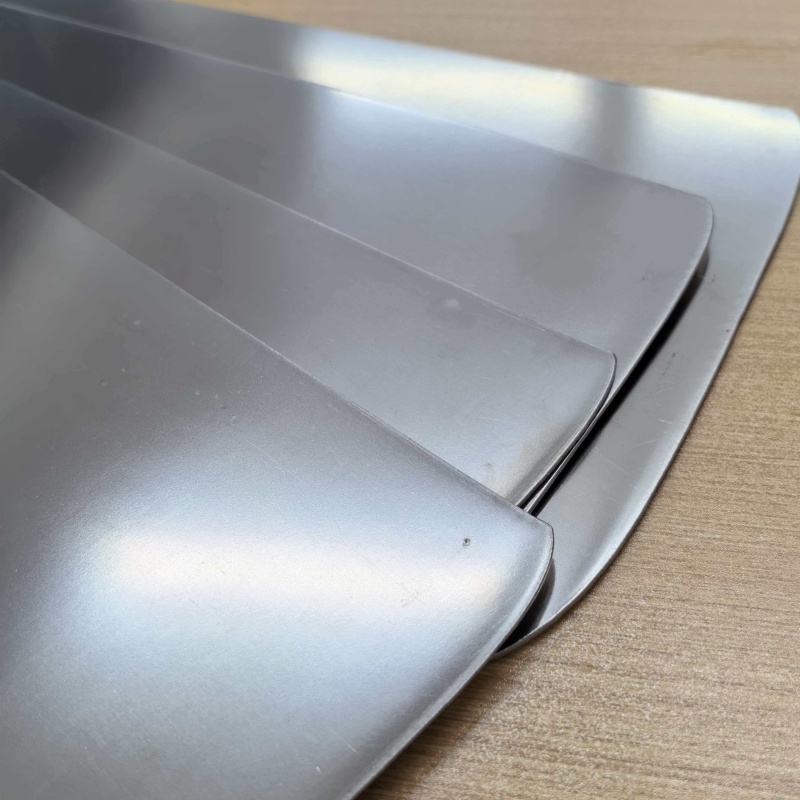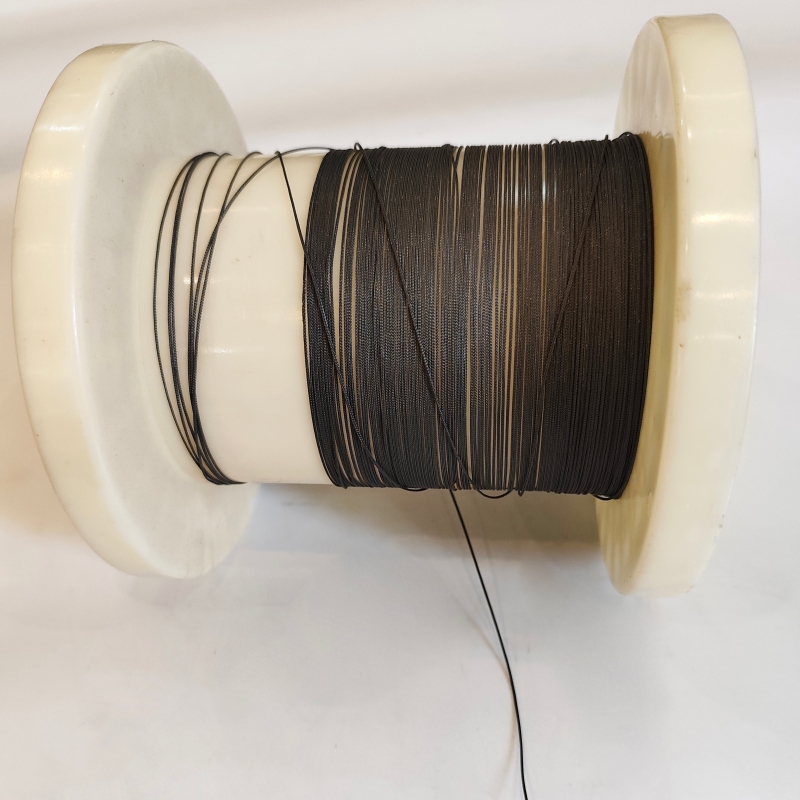
The nickel titanium alloy, which combines shape memory effect and superelasticity, has become a key breakthrough direction in the field of high-end new materials due to its irreplaceability in multiple fields.
There are significant differences between nickel titanium alloy and nickel titanium copper alloy in terms of phase transition temperature, mechanical properties, and application scenarios.
Nickel titanium alloy pipes are mainly used in the medical and industrial fields due to their core characteristics such as shape memory effect, superelasticity, and biocompatibility.
The core difficulties in processing nickel titanium alloys lie in their superelasticity, shape memory effect, and high work hardening rate, requiring targeted selection of processing techniques to balance accuracy and material properties.
The mainstream badminton racket lines are mainly divided into three categories: nickel titanium alloy lines, carbon fiber lines, and various composite lines.
Nickel titanium alloy provides unique functions such as shape memory effect, superelasticity, and high damping, while carbon fiber composite materials contribute to high specific strength, high specific stiffness, and lightweight advantages.
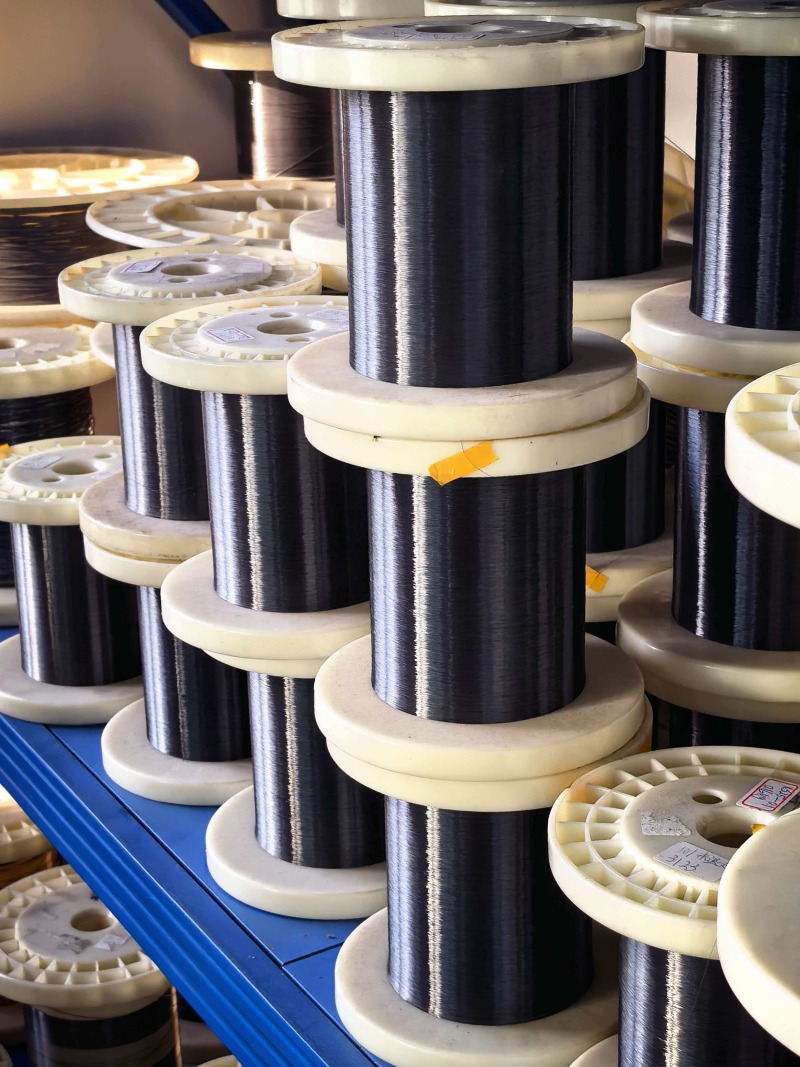
The core advantages of titanium nickel memory alloy wire are its shape memory effect and superelasticity, which can restore the preset shape at specific temperatures and maintain excellent performance even after repeated deformation.
The superelasticity of nickel titanium wire is achieved through the reversible transformation of its internal crystal structure triggered by stress, which can spontaneously return to its original state after the external force is removed.