
 Chinese
 English
Service Hotline
+86 18948275773+86 13632667260



In the field of materials, "nickel titanium alloy carbon fiber" usually refers to the composite application of two independent high-performance materials - nickel titanium alloy (shape memory alloy) and carbon fiber (reinforcing fiber material) (such as the composite material formed by embedding nickel titanium alloy fibers into carbon fibers), rather than a single material. Due to their complementary performance, the two are often used in scenarios that require extremely high material functionality, strength, and lightweight (such as aerospace, medical, and high-end equipment). The following provides a detailed analysis of its advantages and disadvantages from three aspects: material properties, advantages of composite applications, and limitations:
1、 Core advantage: Complementary performance between nickel titanium alloy and carbon fiber
The combination of the "shape memory effect/superelasticity" of nickel titanium alloy and the "high strength/lightweight" of carbon fiber has formed advantages that traditional materials cannot replace, which can be divided into the following dimensions:
1. Extremely functional: It combines the shape memory effect of nickel titanium alloy (restoring the preset shape after being triggered by temperature/stress) and super elasticity (deformation can reach 8% -10% without permanent deformation), while retaining the rigid support of carbon fiber.
Medical field: vascular stent (automatic expansion and shaping at body temperature), orthopedic internal fixation plate (postoperative adaptive bone morphology);
Aviation field: Adaptive wing skin (adjusts curvature when temperature changes).
2. High strength+lightweight: The tensile strength of carbon fiber (about 3000MPa, 5 times that of steel) and low density (about 1.8g/cm ³, only 1/4 of steel) make up for the weight disadvantage of pure nickel titanium alloy (density of about 6.4g/cm ³). At the same time, nickel titanium alloy can improve the impact resistance of carbon fiber (pure carbon fiber has higher brittleness).
High end equipment: drone body frame (reduced weight by more than 30% while being collision resistant), racing chassis components (balancing strength and lightweight).
3. Excellent corrosion resistance: Nickel titanium alloy itself has good acid and alkali corrosion resistance (better than ordinary stainless steel), and carbon fiber has extremely high chemical stability (insoluble in organic solvents, resistant to high and low temperatures). After composite, it can be used for a long time in harsh environments such as marine, chemical, and high-temperature conditions.
Ocean engineering: shell of deep-sea exploration equipment; Chemical industry: corrosion-resistant pipeline lining.
4. Long fatigue life: The superelasticity of nickel titanium alloy can absorb cyclic stress (such as vibration and repeated deformation), reducing stress concentration; The high fatigue resistance of carbon fiber (less prone to fracture under cyclic loading) makes the overall fatigue life of composite materials much higher than that of pure metals (such as steel and aluminum alloys).
Aerospace: helicopter rotor blades (subjected to long-term alternating loads), spacecraft docking mechanism components.
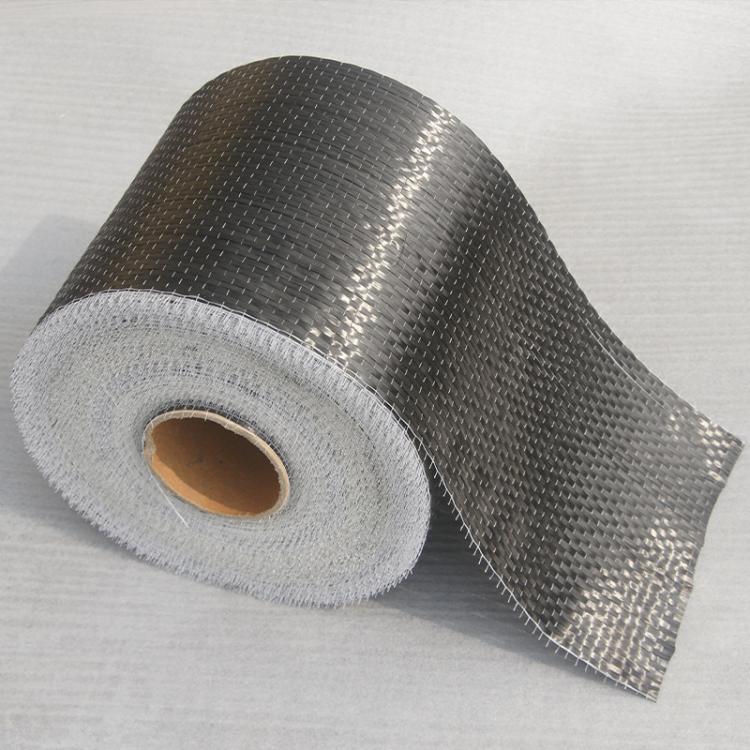
Nickel titanium alloy carbon fiber cloth
2、 Main limitations: Challenges in balancing cost, processing, and performance
Although the composite application of nickel titanium alloy and carbon fiber has outstanding performance, there are obvious shortcomings due to the characteristics of the material itself and processing technology limitations
1. Extremely high material and manufacturing costs
Nickel titanium alloy: It has a high nickel content (about 50%) and requires precise control of the composition ratio during smelting (deviations in nickel titanium atomic ratio can significantly affect shape memory performance). The raw material cost is 5-10 times that of ordinary stainless steel;
Carbon fiber: High end carbon fiber (such as T800 grade) needs to be made by high-temperature carbonization of polyacrylonitrile (PAN), which is a complex process and costs more than 20 times that of steel;
Composite process: The combination of the two requires solving the interface bonding problem (such as the wettability between nickel titanium alloy wire and carbon fiber matrix), often requiring special coatings (such as titanium alloy coatings) or hot pressing processes, further increasing costs.
2. High processing difficulty and limited formability
Carbon fiber: high brittleness, prone to fiber fracture during cutting and drilling, requiring specialized tools (such as diamond tools), and cannot be forged or welded like metals;
Nickel titanium alloy: has high hardness at room temperature (especially after shape memory training), is prone to work hardening during processing, has low cutting efficiency, and needs to avoid high-temperature processing (which can damage shape memory performance);
Composite materials: It is difficult to process them again after molding, and complex molds need to be designed in advance, which strictly limits the complexity of the product structure (such as the inability to produce overly fine hollow structures).
3. There are still shortcomings in low-temperature performance and impact resistance
Low temperature limitation: The shape memory effect of nickel titanium alloy has a lower limit of "phase transition temperature" (such as the phase transition temperature of medical nickel titanium alloy is about 37 ℃, corresponding to human body temperature). When it is lower than the phase transition temperature, it will lose its super elasticity and become a brittle material, which cannot be used for a long time in low temperature environments (such as polar regions, high-altitude low temperature zones);
Impact resistance: Although superior to pure carbon fiber, it is still inferior to pure metal (such as aluminum alloy). When subjected to severe impacts (such as car accidents or falls), the carbon fiber layer may delaminate and crack, and it is difficult to repair after damage (requiring overall replacement).
4. Poor conductivity and thermal conductivity
Carbon fiber: belongs to semiconductor materials, with much lower conductivity than metals; Although nickel titanium alloy is conductive, its overall conductivity is significantly reduced when combined with carbon fiber, making it unsuitable for scenarios that require conductivity, such as electromagnetic shielding components;
Thermal conductivity: Both have low thermal conductivity coefficients (about 10-100W/(m · K) for carbon fiber and about 18W/(m · K) for nickel titanium alloy, both much lower than the 401W/(m · K) for copper), making them unsuitable for components with high heat dissipation requirements (such as electronic device heat sinks).
3、 Applicable scenarios and alternative solutions
The core value of nickel titanium alloy carbon fiber composite materials lies in "functionality+high performance", which is suitable for scenarios that are insensitive to cost but have rigid requirements for material properties (such as medical implants, aerospace key components); If only lightweight and strength are needed, more economical alternative solutions can be chosen (such as carbon fiber aluminum alloy composite materials, glass fiber composite materials); If low-cost corrosion resistance is required, ordinary stainless steel and titanium alloy have more advantages.
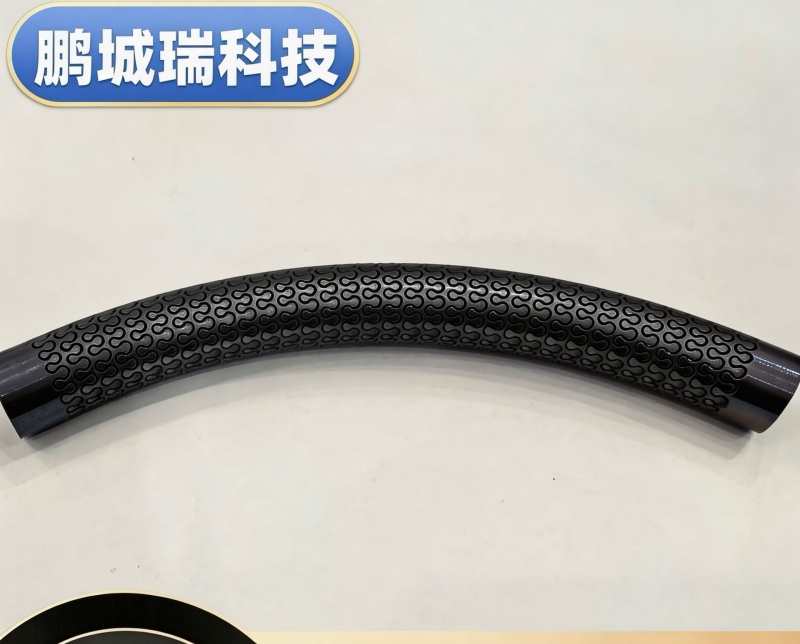
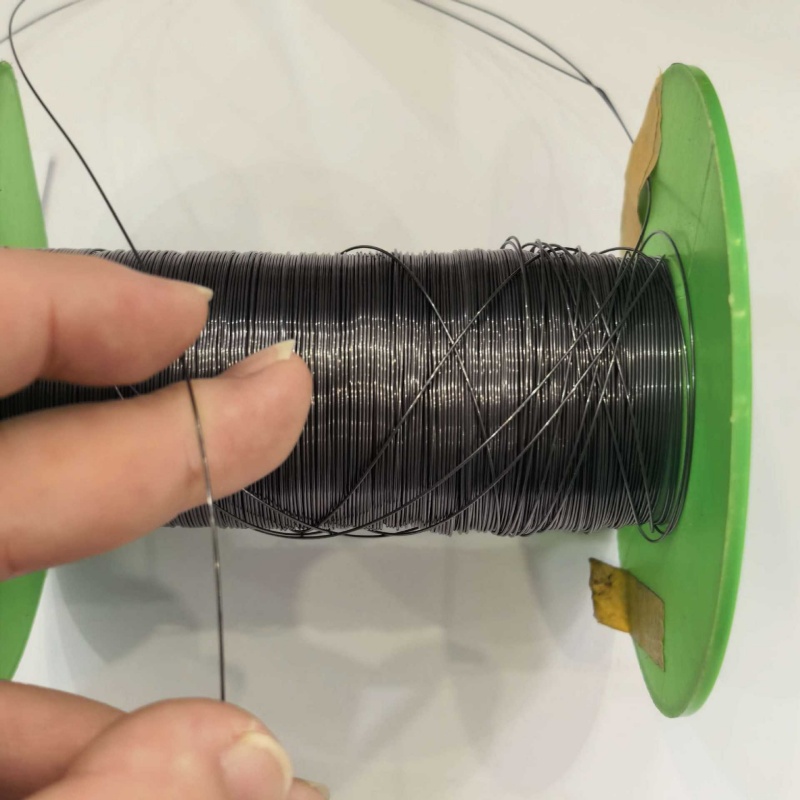
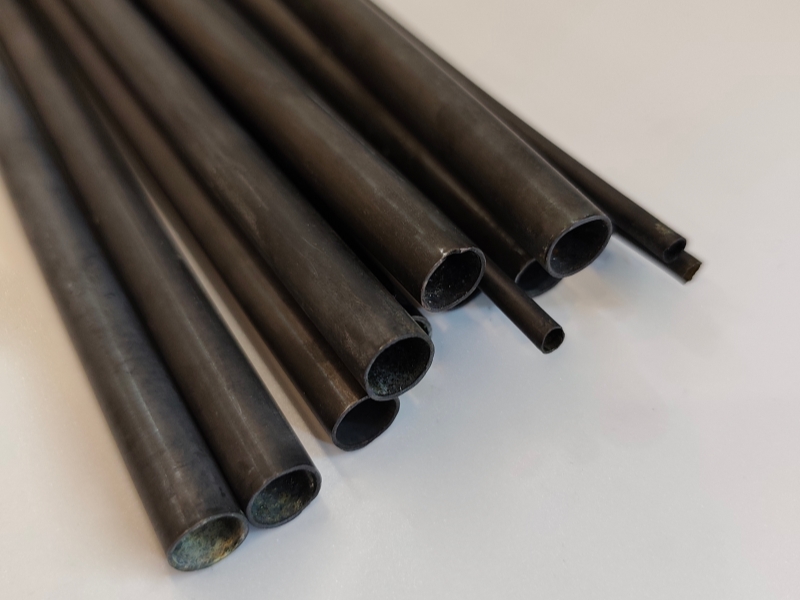
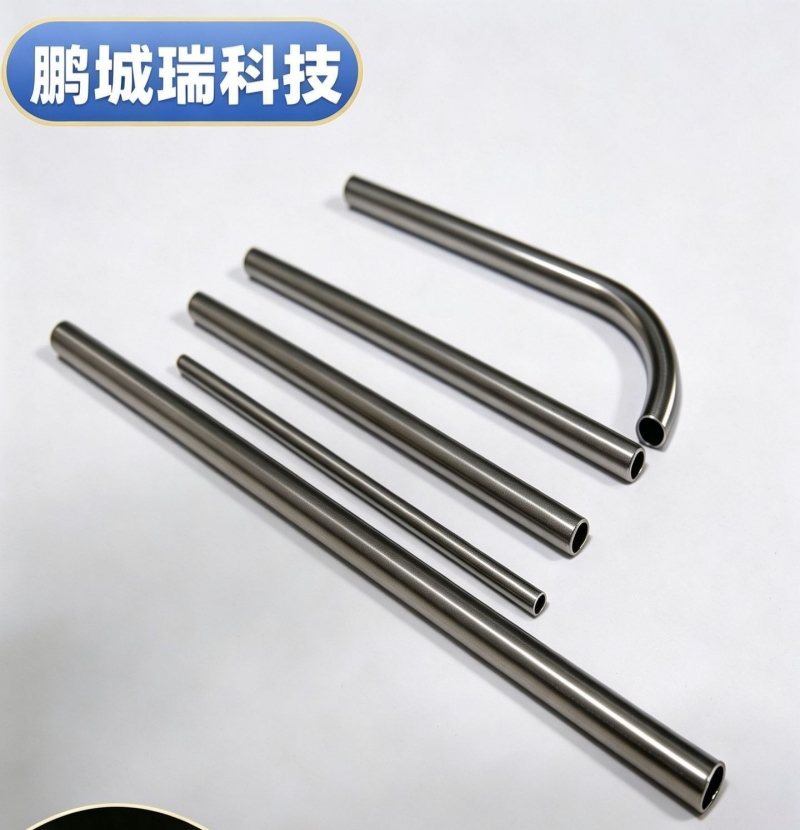
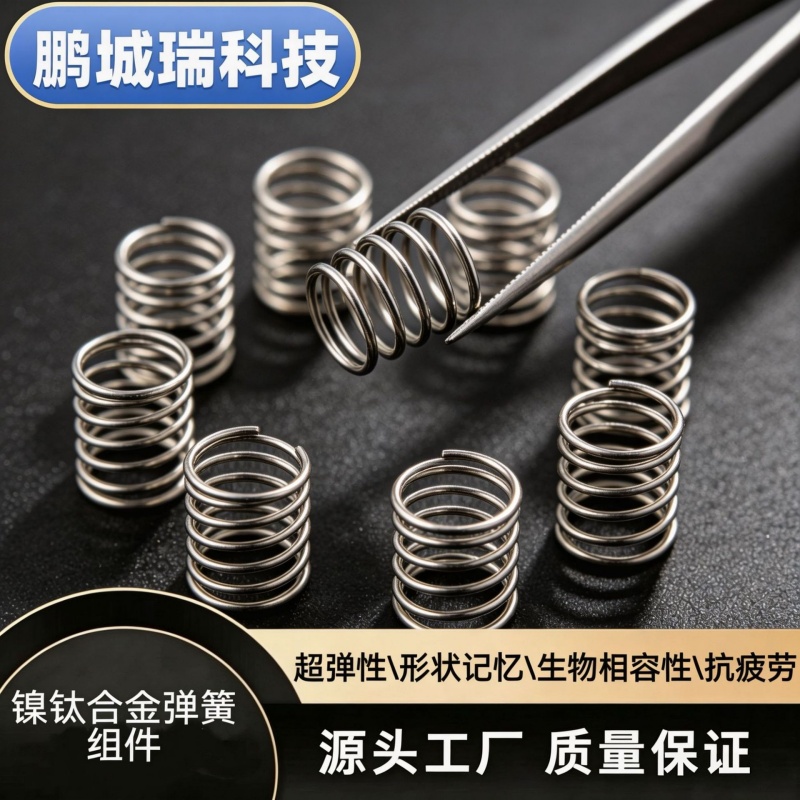
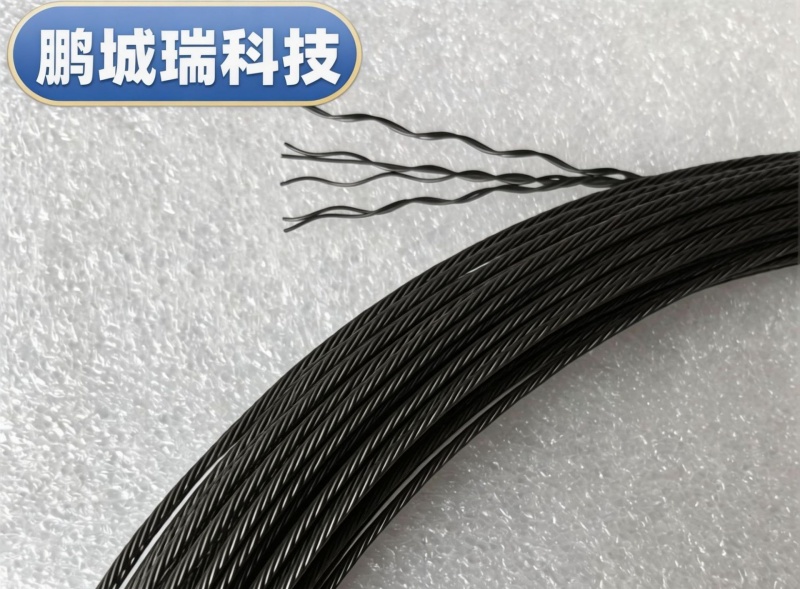
Wuge Nickel Titanium Alloy Material has developed a composite material called "Nickel Titanium Alloy Carbon Fiber" by combining nickel titanium alloy fibers with carbon fibers. Interested parties are welcome to explore the material application market together.
Nitinol
Seamless nickel titanium tube Nickel titanium fiber wire Nickel titanium plateApplication Area
Medical Industry New Energy Aerospace Machinery Manufacturing Marine Engineering Petrochemical IndustryContact Us
Contacts:Manager Wu +86 13632667260


 WeChat
 Call me
X