
 Chinese
 English
Service Hotline
+86 18948275773+86 13632667260



Nickel titanium alloy carbon fiber is a high-performance composite material made by combining nickel titanium alloy fibers with carbon fibers to create a "nickel titanium alloy carbon fiber cloth". This type of material has broad market prospects. The following analysis summarizes the Wuge nickel titanium alloy:
1、 The market size has great potential for growth:
Although there is currently no direct market size data on nickel titanium alloy carbon fiber, the market development trend of its constituent materials provides a glimpse. In 2024, the global nickel titanium alloy market size reached 4.432 billion yuan (RMB), and the Chinese nickel titanium alloy market size reached 1.154 billion yuan. It is expected that the global nickel titanium alloy market capacity will grow at a compound annual growth rate of 13.17% to reach 9.311 billion yuan by 2030. At the same time, the carbon fiber industry is also showing a rapid development trend, and the global carbon fiber market size is expected to reach billions of dollars by 2025. China, as the largest producer and consumer country, occupies a considerable market share. With the continuous expansion of their composite applications, the market size of nickel titanium alloy carbon fiber is expected to grow rapidly.
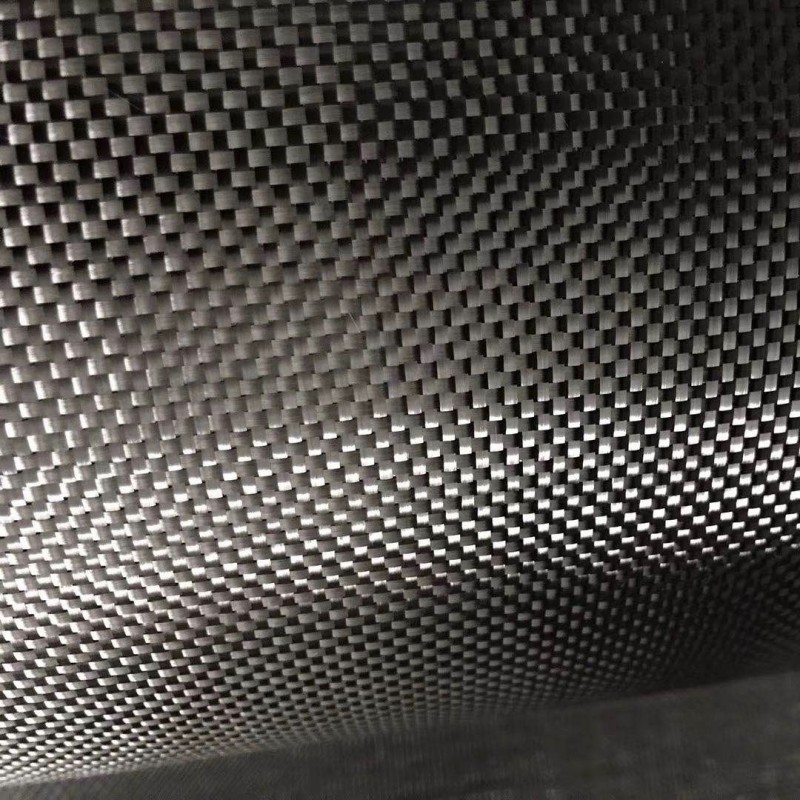
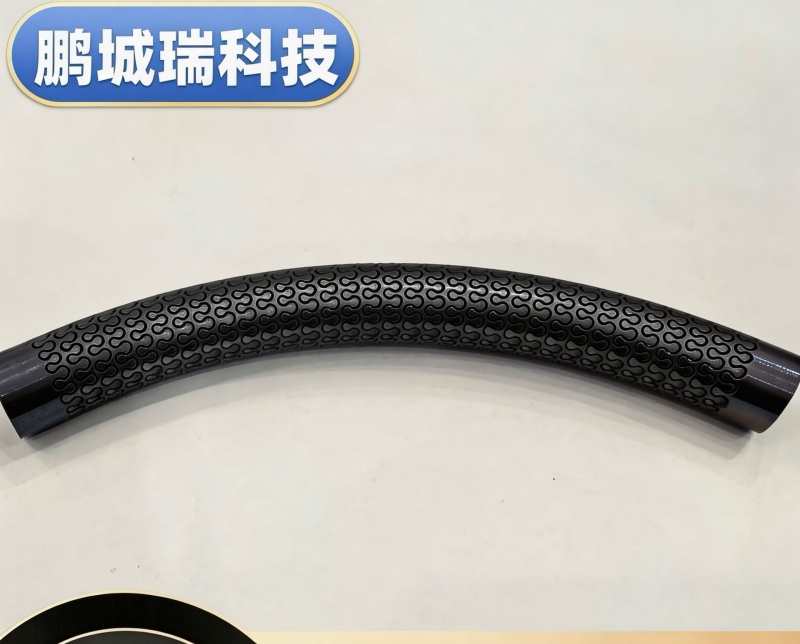
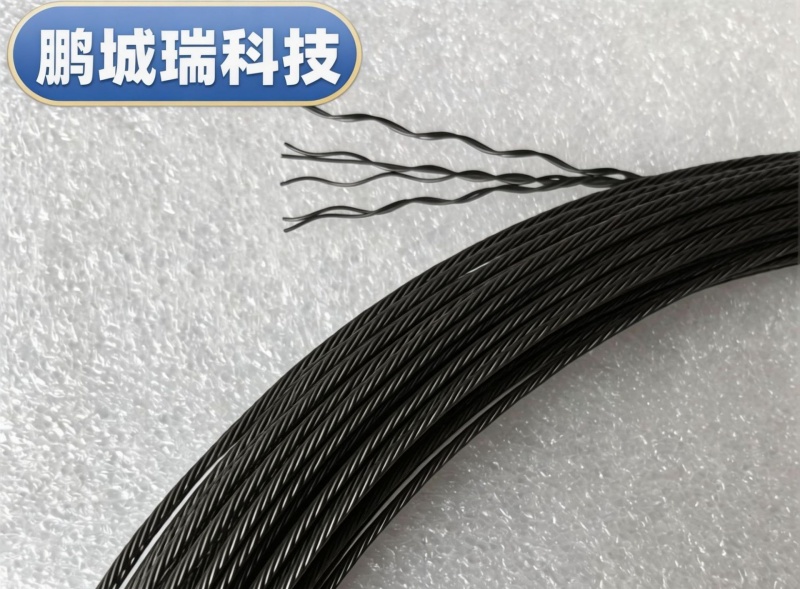
Nickel titanium alloy carbon fiber
2、 Widely applicable and with increasing demand:
Aerospace field: Nickel titanium alloy carbon fiber combines high strength, high modulus, high temperature resistance, shape memory, and thermoelastic properties, making it suitable for manufacturing high-performance aerospace components such as aircraft structural components, satellite antennas, etc. With the development of the aerospace industry, the demand for lightweight and high-strength composite materials continues to increase, which will drive the application growth of nickel titanium alloy carbon fiber.
Biomedical field: The biocompatibility and shape memory effect of nickel titanium alloy make it widely applicable in biomedical implants, such as orthopedic implants, dental devices, etc. The addition of carbon fiber can further improve the strength and performance of implants. With the advancement of medical technology and the increasing attention to health, the demand for nickel titanium alloy carbon fiber in the biomedical field is expected to continue to rise.
Automotive field: This composite material can be used to manufacture high-performance components of automobiles, such as engine parts, transmission system components, etc., which can help improve the performance and fuel efficiency of automobiles. With the increasing demand for lightweight and high-performance materials in the automotive industry, the application market of nickel titanium alloy carbon fiber in the automotive field is expected to expand.
In the field of electronic devices, materials made of nickel titanium alloy and carbon fiber composite have good conductivity and mechanical properties, which can be applied to the manufacturing of electronic devices, such as flexible electronics, wearable devices and other emerging fields. With the rapid development of these fields, it will bring new market opportunities for nickel titanium alloy carbon fiber.
3、 Technological innovation drives development:
With the continuous advancement of materials science and manufacturing processes, the performance of nickel titanium alloy carbon fibers will be further improved, and production costs may gradually decrease. For example, the maturity of advanced manufacturing technologies such as 3D printing will make it possible to prepare complex structures of nickel titanium alloy carbon fibers, promote their application in personalized and customized products, and further expand market space.
4、 Policy support supports market development:
The demand for high-performance materials in industries such as aerospace and new energy vehicles, which are supported by the state, is driven by policies. For example, the rapid development of the new energy vehicle industry and policies encouraging lightweighting of vehicles will drive the demand for composite materials such as nickel titanium alloy and carbon fiber.
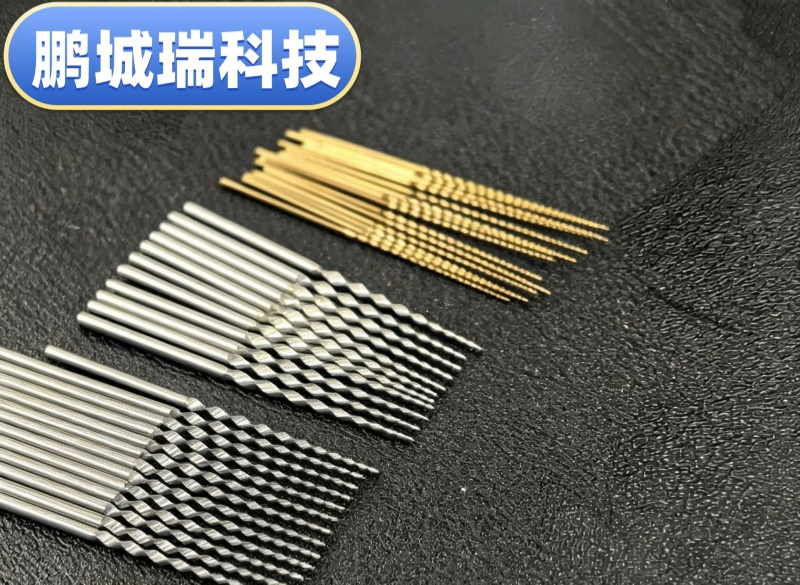
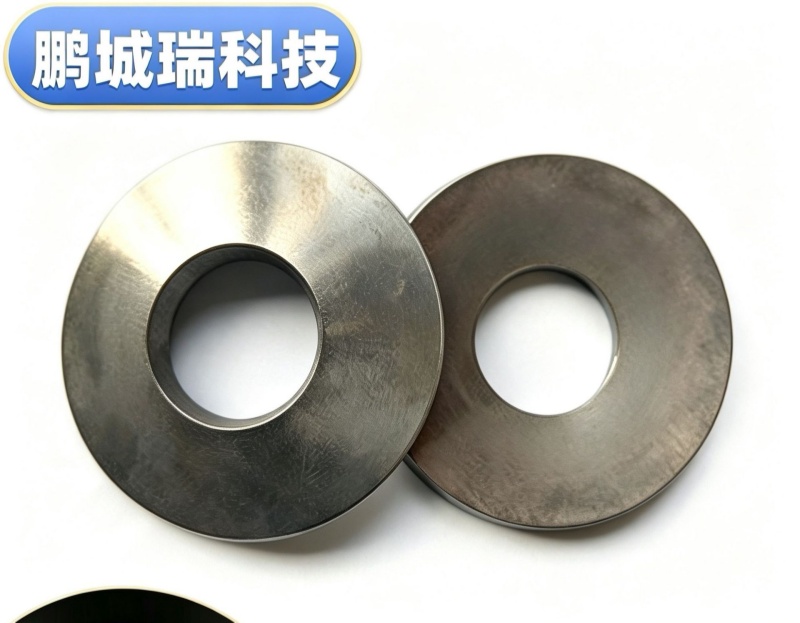
Nitinol
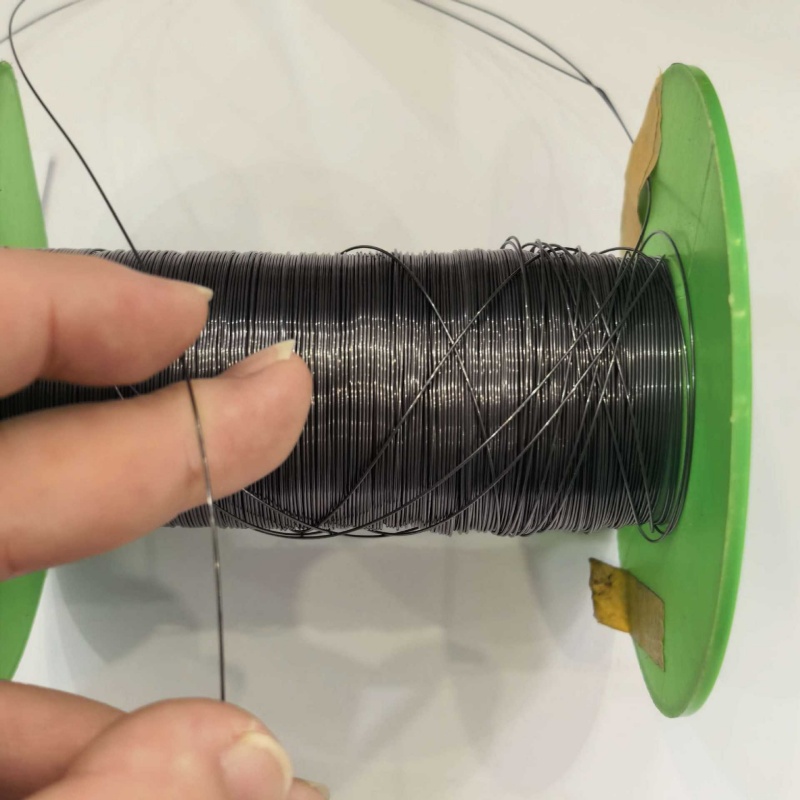
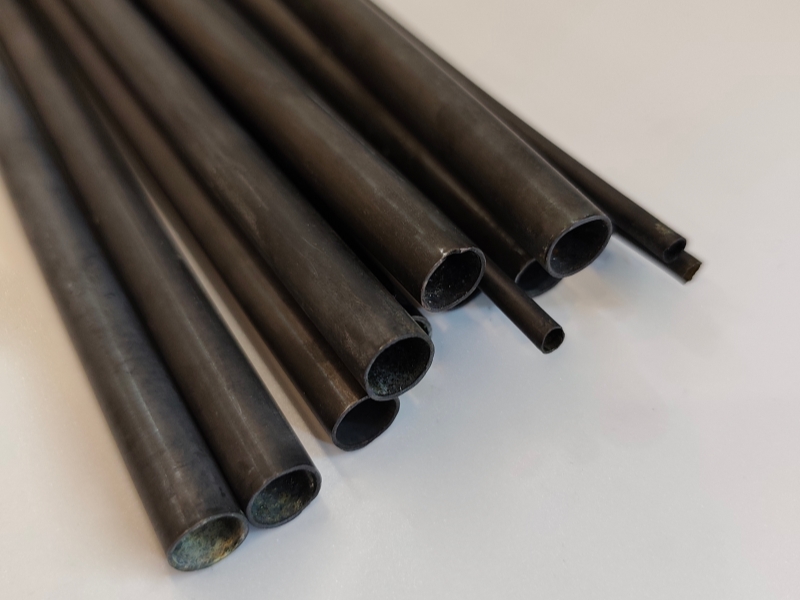
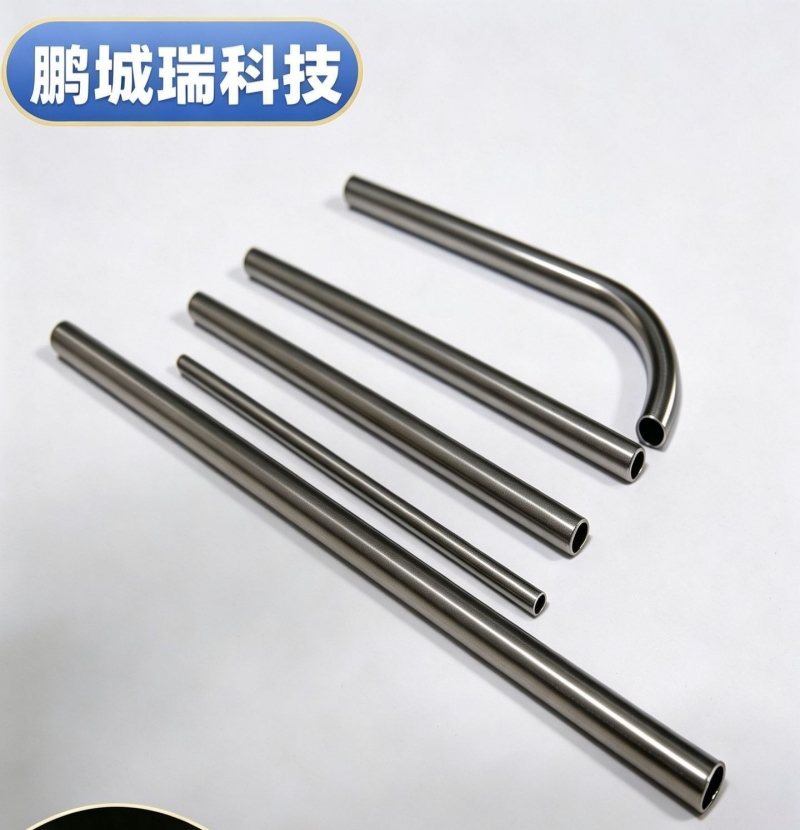
Seamless nickel titanium tube Nickel titanium fiber wire Nickel titanium plateApplication Area
Medical Industry New Energy Aerospace Machinery Manufacturing Marine Engineering Petrochemical IndustryContact Us
Contacts:Manager Wu +86 13632667260


 WeChat
 Call me
X