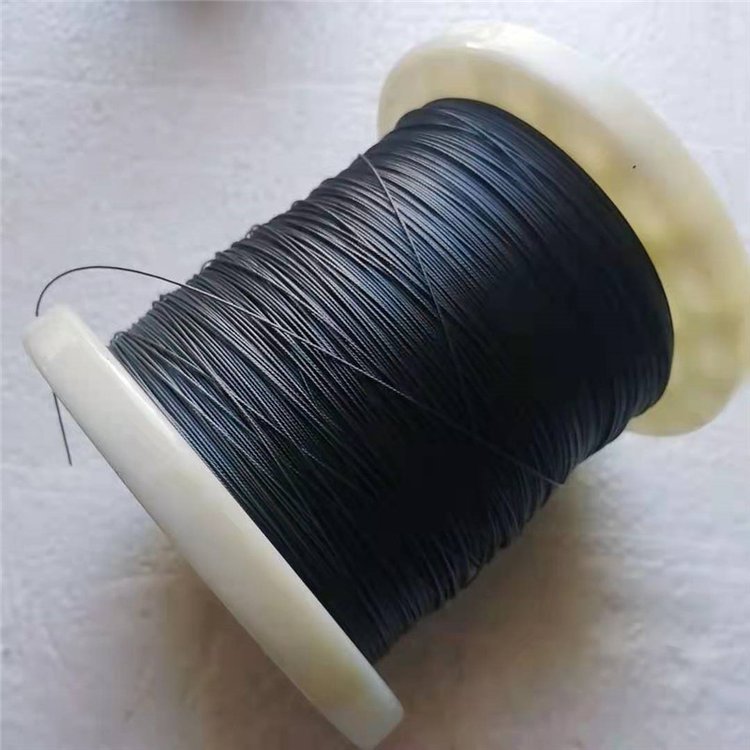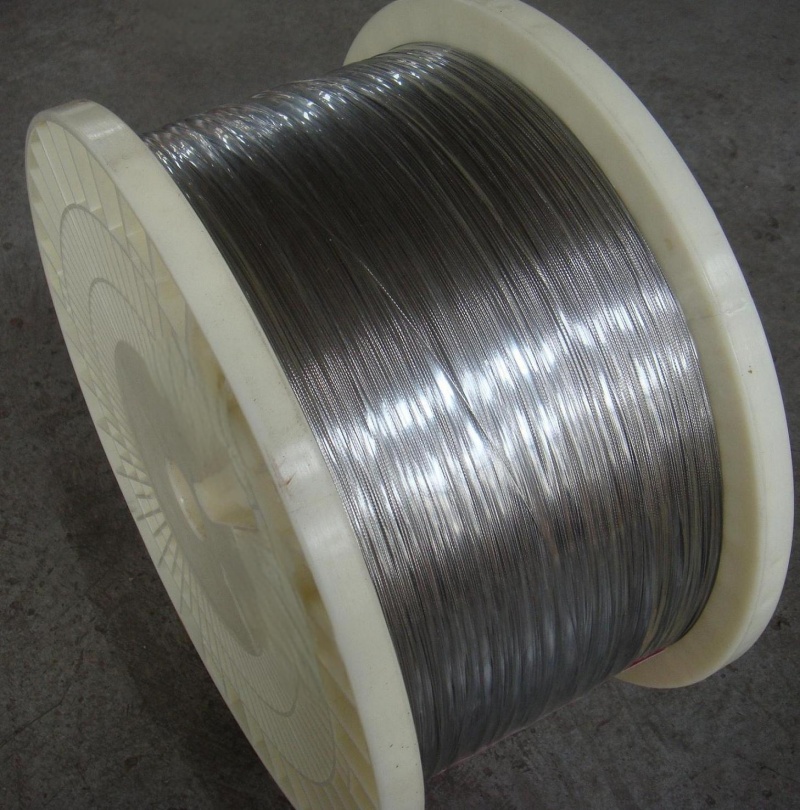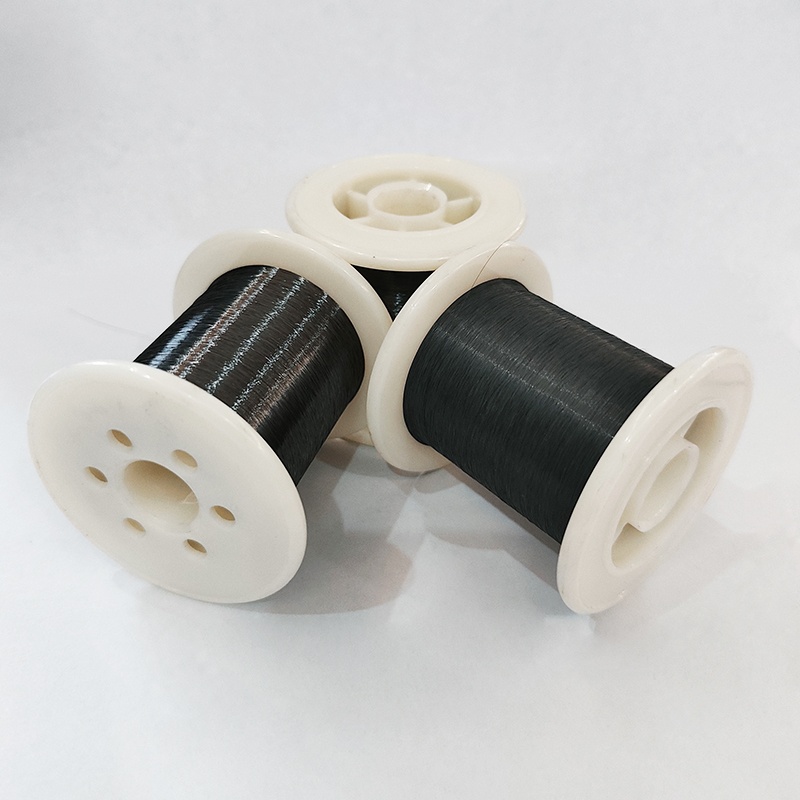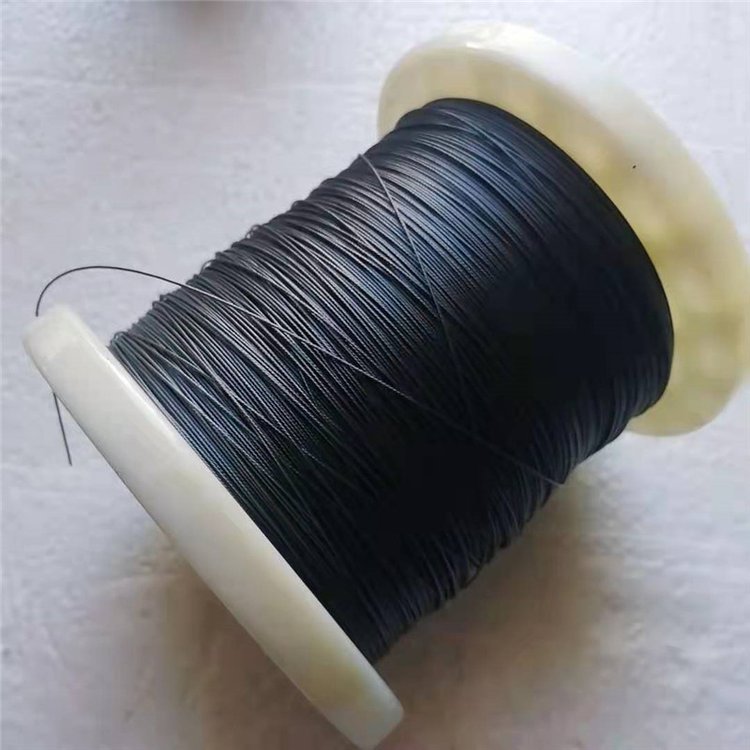
Nickel titanium rope can be used as a driving element or sensor component for robots, utilizing its super elasticity and shape memory effect to achieve precise motion control and perception functions, making robot movements more flexible and precise.
The high temperature resistance of nickel titanium alloy is closely related to its specific composition, phase structure, and application scenarios. Generally speaking, its long-term use temperature range is around -50 ℃ to 100 ℃.
Nickel titanium alloys at room temperature exhibit a specific phase state and undergo oxidation, but their oxidation behavior is closely related to environmental conditions, alloy composition, and surface state.
The core advantages of nickel titanium copper high-temperature alloys are good high-temperature strength retention, excellent processability, and outstanding stability in weakly corrosive high-temperature environments.
Nickel titanium high-temperature alloys are divided into binary (containing nickel and titanium) alloys and ternary (containing nickel, titanium, and other elements) alloys (such as nickel titanium copper high-temperature alloys).
As a unique memory alloy, the melting point characteristics of nickel titanium alloy are closely related to its composition and structure, with a melting point between 1300 ℃ and 1400 ℃.
Temperature is the core parameter for regulating the properties of nickel titanium alloys, which affects their shape memory effect, superelasticity, mechanical properties, and stability through phase transformation mechanisms.
Nickel titanium alloys exhibit martensitic phase at low temperatures or under stress, with a softer texture and better toughness. After heating or unloading, they transform into austenitic phase, resulting in increased hardness and strength.