
 Chinese
 English
Service Hotline
+86 18948275773+86 13632667260



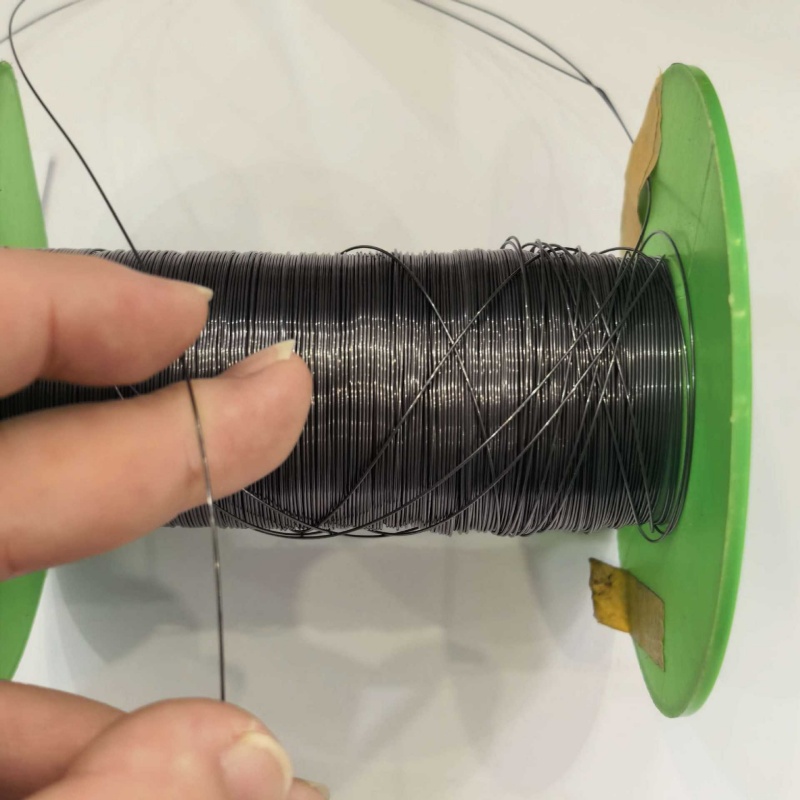
Nickel titanium alloy wire is widely used in medical (such as stents, orthodontic wires), aerospace and other fields due to its unique shape memory effect, super elasticity and good biocompatibility. The drawing process needs to overcome the characteristics of high alloy strength, obvious work hardening, and easy oxidation. The process requires precise control of key links such as temperature, lubrication, and mold parameters. The core process can be divided into three stages: pretreatment, multiple drawing passes (including intermediate heat treatment), and post-treatment of the finished product. The specific steps are as follows:
1、 Pre processing stage: laying the foundation for drawing
The core goal of preprocessing is to remove surface defects of raw materials, reduce internal stress, ensure uniform deformation of materials during the drawing process, and avoid fracture.
1. Raw material preparation
Select qualified nickel titanium alloy billets (usually hot-rolled rods or extruded wires with a diameter of 820mm), strictly control the composition (nickel content of about 50.5% and 51.5%, ensuring that the phase transition temperature meets the requirements), and test the metallographic structure and mechanical properties (such as tensile strength and elongation) of the billets to eliminate internal cracks, inclusions, and other defects.
2. Surface cleaning
Chemical degreasing: Soak or spray alkaline cleaning agents (such as sodium hydroxide, sodium carbonate solution) to remove rolling oil and stains on the surface of the billet, avoiding lubrication failure or surface pressure damage during drawing.
Acid washing: Use dilute hydrochloric acid (10% 15%) or a mixture of hydrofluoric acid and nitric acid (the ratio needs to be precisely controlled) to remove surface oxide skin (nickel titanium alloys are prone to form TiO ₂ and NiO composite oxide layers after hot rolling), while slightly corroding the surface to form a rough surface, enhancing the adhesion of subsequent lubricating coatings. After pickling, rinse immediately with pure water to avoid residual acid corroding the material.
3. Preparation of lubricating coating
Nickel titanium alloy drawing requires strong lubrication to reduce mold wear and material surface scratches, commonly using phosphating and saponification coatings:
Phosphating: Immerse the billet in a solution of zinc phosphate or manganese phosphate to form a porous phosphate film (thickness 515 μ m) on the surface, which serves as a lubricating carrier;
Saponification: After phosphating, immerse in sodium stearate or calcium soap solution, and the saponification material fills the pores of the phosphating film, forming a low friction coefficient lubricating layer (friction coefficient ≤ 0.15), ensuring the lubrication continuity between the mold and the material during drawing.
2、 Multi pass drawing and intermediate heat treatment: achieving dimensional accuracy and performance control
The work hardening rate of nickel titanium alloy is fast (the hardness can be increased by 30% to 50% after drawing), and the deformation of a single drawing is limited (usually the deformation rate of a pass is ≤ 20%). It is necessary to gradually pull the billet to the target diameter (fine wire as Φ 0.01mm) through the cycle of "drawing → intermediate heat treatment → drawing", while regulating the phase transformation and mechanical properties of the material.
1. Core parameter control for drawing and drawing
Drawing is carried out on specialized multi-mode continuous drawing machines (such as sliding and non sliding), and key parameters need to be adjusted according to the alloy state (annealed/processed) and target diameter:
Deformation rate of passes: The initial pass (when the diameter is large) has a deformation rate of 15% to 20%, and the subsequent passes gradually decrease to 8% to 12% as the diameter decreases, to avoid excessive work hardening leading to fracture.
Drawing speed: Low speed drawing (usually 0.55m/min), to avoid high-speed friction and heat generation causing lubrication layer failure or local overheating of the material (nickel titanium alloy is prone to oxidation at high temperatures).
Mold parameters: Using hard alloy (WCCo) or polycrystalline diamond (PCD) molds, the mold cone angle is 12 ° 18 ° (reducing deformation resistance), and the length of the sizing strip is 11.5 times the diameter (ensuring dimensional accuracy).
Cooling and lubrication: During the drawing process, continuously spray water-soluble lubricant (including extreme pressure agent and rust inhibitor) to cool down (control mold temperature ≤ 150 ℃) and supplement lubrication to prevent mold adhesion.
2. Intermediate heat treatment: eliminate work hardening and restore plasticity
After completing 35 drawing cycles, intermediate heat treatment is required, with the core function of: ① eliminating internal stress caused by work hardening; ② Restore material plasticity (increase elongation from below 5% to over 20%); ③ Regulating the metallographic structure (forming a uniform β - phase or martensitic phase, laying the foundation for subsequent drawing and finished product performance).
Heat treatment process:
Temperature: 700850 ℃ (adjusted according to the target performance, the higher the temperature, the stronger the softening effect, but it is necessary to avoid coarse grains);
Insulation time: 1030 minutes (the smaller the diameter, the shorter the insulation time to prevent oxidation);
Atmosphere: Vacuum (vacuum degree ≤ 10 ⁻³ Pa) or inert gas (argon, nitrogen) protection is used to completely avoid oxidation of nickel titanium alloy at high temperatures (oxidation can cause surface brittleness and wire breakage during drawing);
Cooling method: furnace cooling (slow cooling for more complete plastic recovery) or inert gas rapid cooling (suitable for scenarios where specific metastable structures need to be retained).
Heat treatment post-treatment: After heat treatment, a trace oxide film may form on the surface of the material, and the steps of "acid washing → lubricating coating preparation" need to be repeated before entering the next round of drawing.
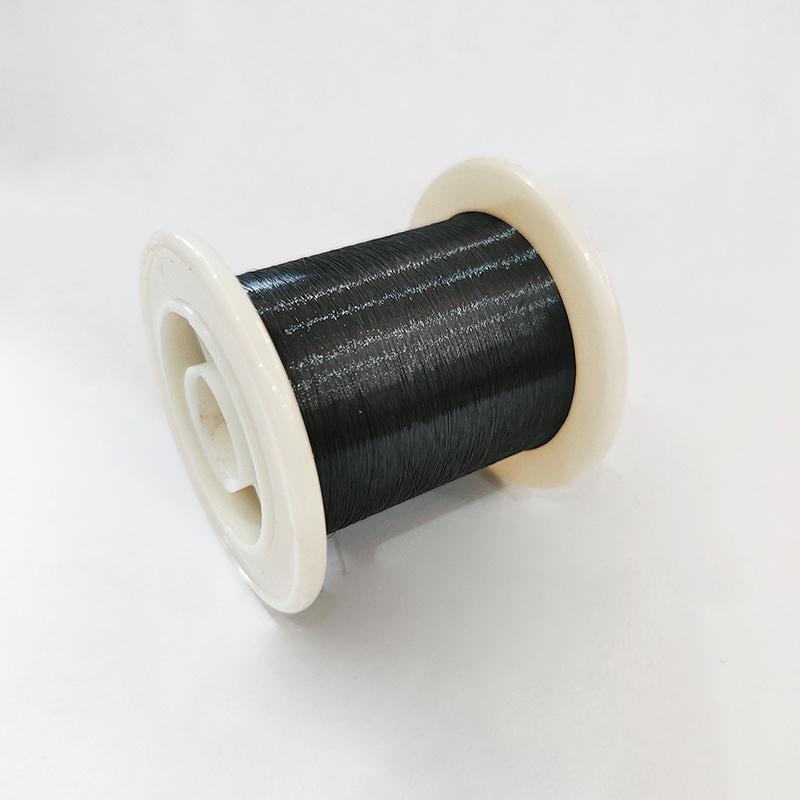
nitinol
3、 Post processing of finished products: ensuring final performance and surface quality
After being pulled to the target diameter (such as medical orthodontic wire with a diameter of 0.40.8mm, vascular stent wire with a diameter of 0.10.3mm), post-processing is required to optimize performance and improve surface accuracy to meet application requirements.
1. Finished product heat treatment (shaping treatment)
Core objective: To regulate the phase transition temperature (Af, Ms point) and mechanical properties (such as superelasticity and shape memory effect) of nickel titanium alloys according to application scenarios.
Process example: Medical stent wire needs to be super elastic, usually insulated at 400, 500 ℃ for 3060 minutes (vacuum/inert atmosphere), followed by air cooling to form a stable β phase material with super elasticity at room temperature; Orthodontic wires require shape memory effect, and can be insulated at 500-600 ℃ and slowly cooled to regulate the phase transition temperature to near the oral temperature (3237 ℃).
2. Surface finishing
Polishing: Chemical polishing (such as hydrofluoric acid nitric acid mixture) or electrochemical polishing is used to remove small scratches and oxide layers on the surface, resulting in a surface roughness Ra ≤ 0.1 μ m (medical applications require a highly smooth surface to reduce biological tissue irritation);
Degreasing and cleaning: Use ethanol or pure water for ultrasonic cleaning to remove polishing residue and impurities, ensuring surface cleanliness.
3. Performance testing and quality control
Dimensional inspection: Use a laser caliper to measure the deviation of the finished wire diameter (usually required to be ≤± 0.001mm) to ensure uniformity;
Mechanical performance testing: Tensile strength (usually ≥ 1000MPa), elongation (≥ 15%), and superelastic recovery rate (≥ 95%) are measured through tensile testing;
Phase transition performance testing: Determine the Af and Ms points using differential scanning calorimetry (DSC) to ensure compliance with design requirements;
Surface quality inspection: Observing surface defects with a metallographic microscope or scanning electron microscope (SEM) to eliminate problems such as cracks and pits;
Biocompatibility testing (for medical use): Conduct cytotoxicity and hemolysis rate tests, in compliance with standards such as GB/T 16886.
4、 Key process difficulties and solutions
1. Wire breakage problem: caused by work hardening or surface defects. Solution: ① Strictly control the deformation rate of the pass (not exceeding 20%); ② Ensure sufficient intermediate heat treatment to restore plasticity; ③ Optimize the lubrication coating to avoid surface scratches.
2. Poor dimensional accuracy: caused by mold wear or fluctuations in drawing speed. Solution: ① Use high hardness PCD molds to extend their service life; ② Using servo motors to control the pulling speed and ensure stability; ③ Check the diameter after each pass and adjust the mold parameters in a timely manner.
3. Oxidation problem: caused by high-temperature heat treatment or overheating during drawing. Solution: ① Full process vacuum/inert gas protection; ② Control the drawing speed and cooling efficiency to avoid local overheating.
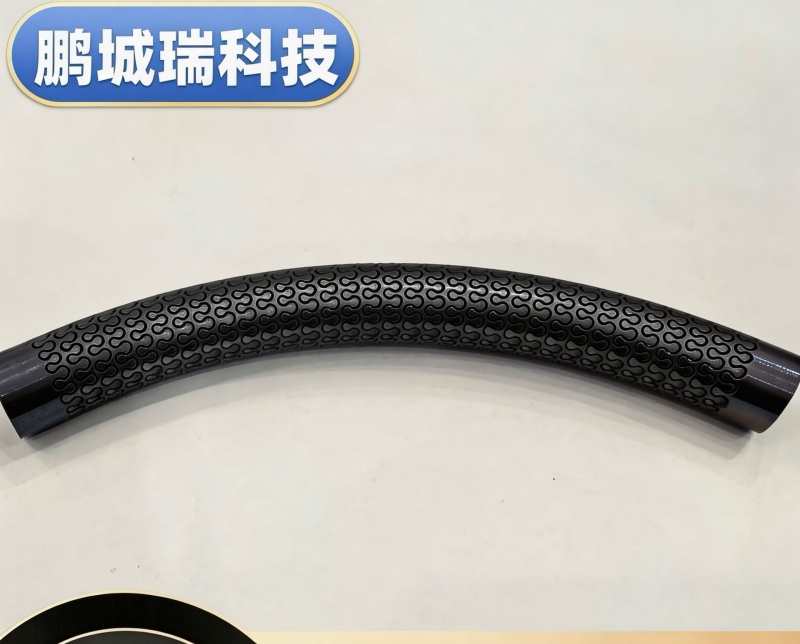
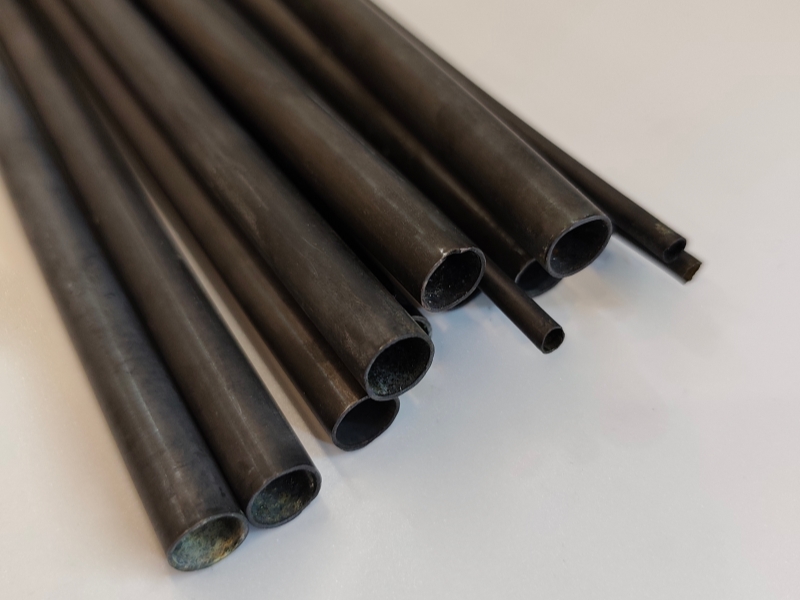
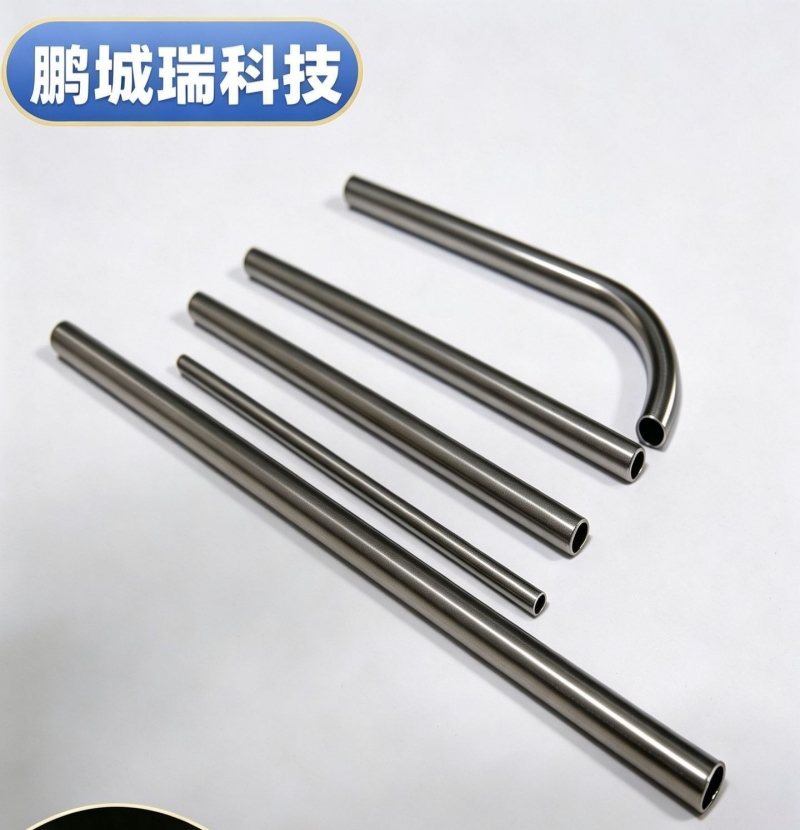
In summary, nickel titanium alloy wire drawing is a process of "precision plastic deformation+multi link performance control", which requires strict control of process parameters at each step, especially focusing on intermediate heat treatment and lubrication links, in order to ultimately obtain products with precise dimensions and stable performance. Shenzhen Wuge Industrial Co., Ltd. is deeply engaged in the field of nickel titanium memory alloys, providing nickel titanium high-temperature alloys (such as nickel titanium copper high-temperature alloys) and nickel titanium room temperature alloys. It is a supplier of nickel titanium alloy materials and wire pipes.
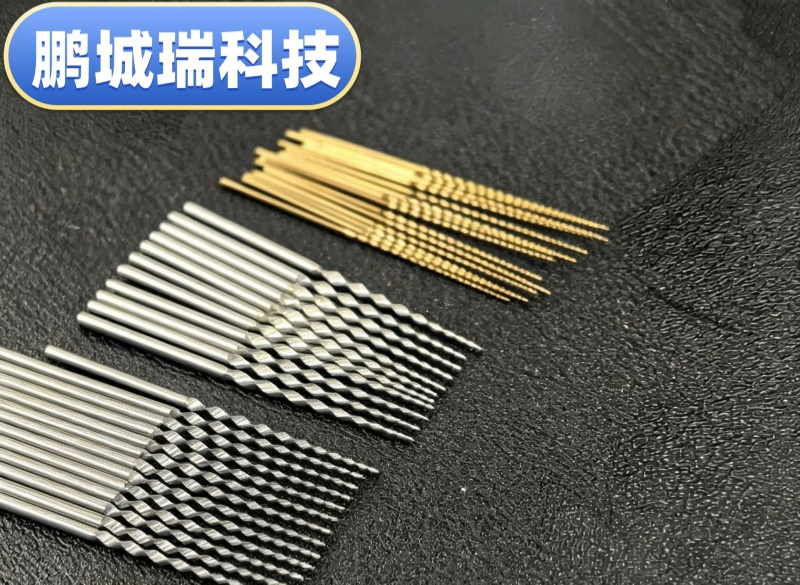
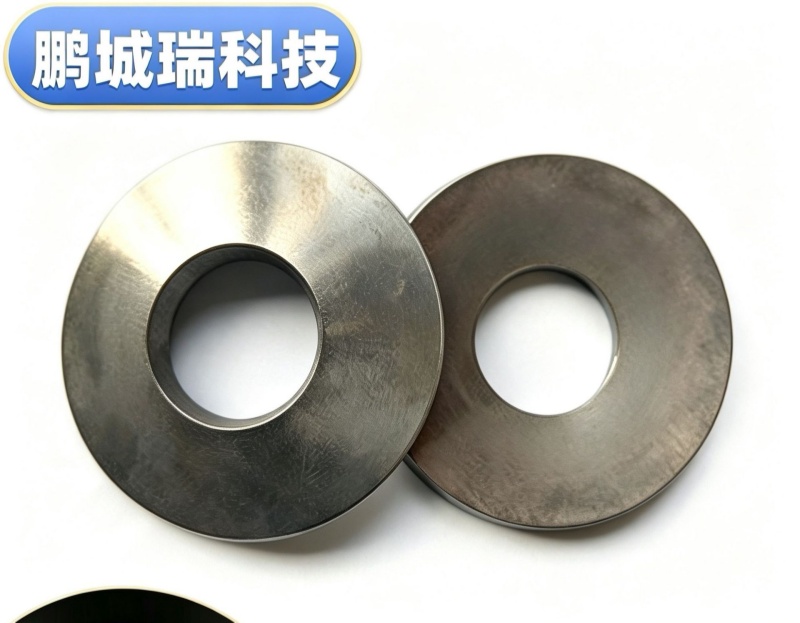
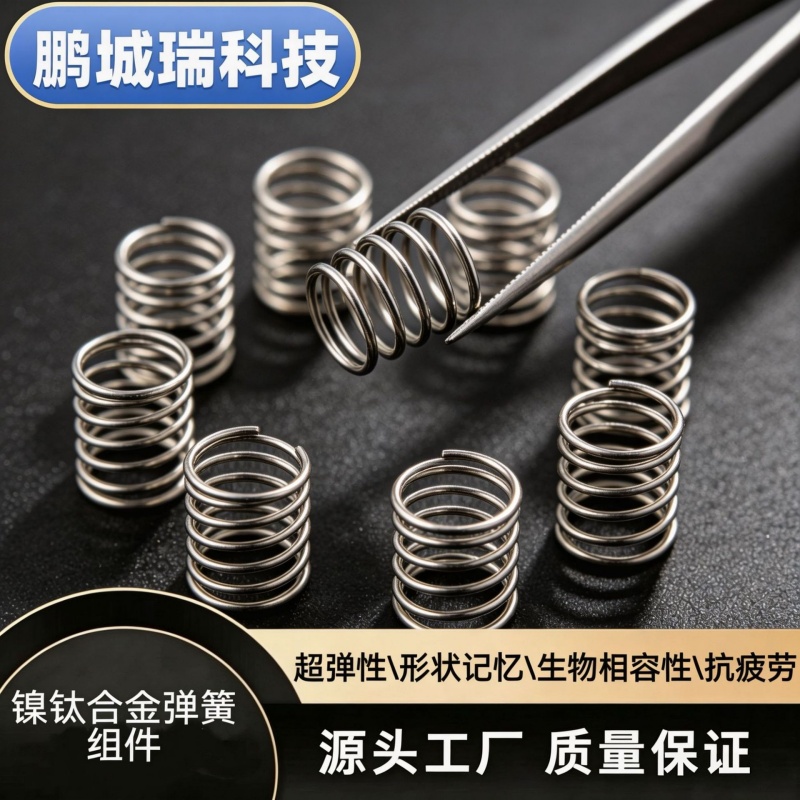
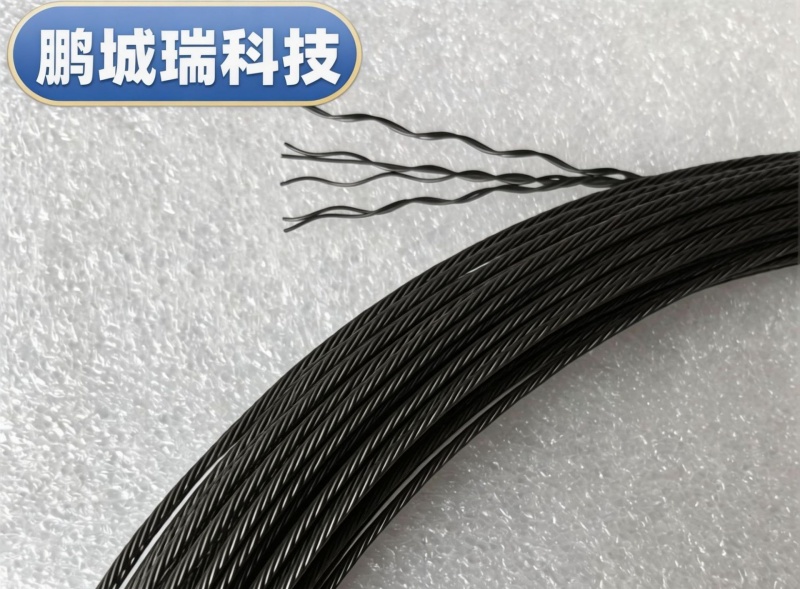
Nitinol
Seamless nickel titanium tube Nickel titanium fiber wire Nickel titanium plateApplication Area
Medical Industry New Energy Aerospace Machinery Manufacturing Marine Engineering Petrochemical IndustryContact Us
Contacts:Manager Wu +86 13632667260


 WeChat
 Call me
X