
 Chinese
 English
Service Hotline
+86 18948275773+86 13632667260

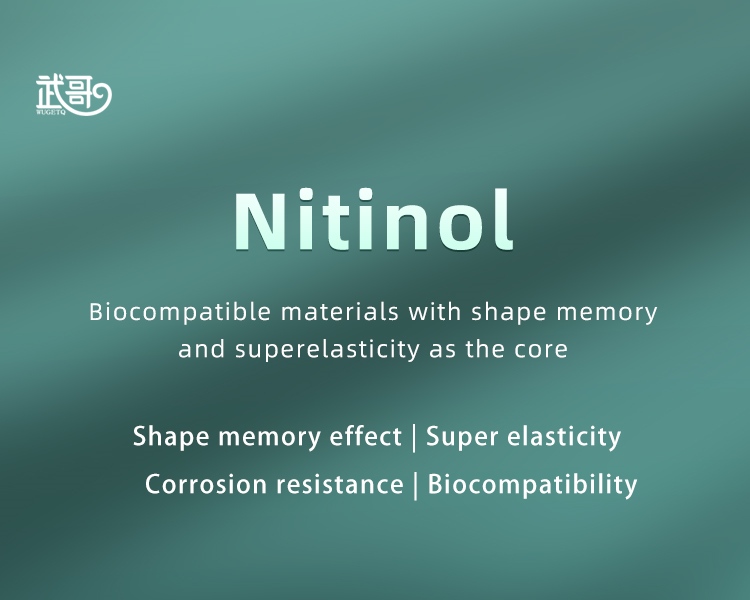
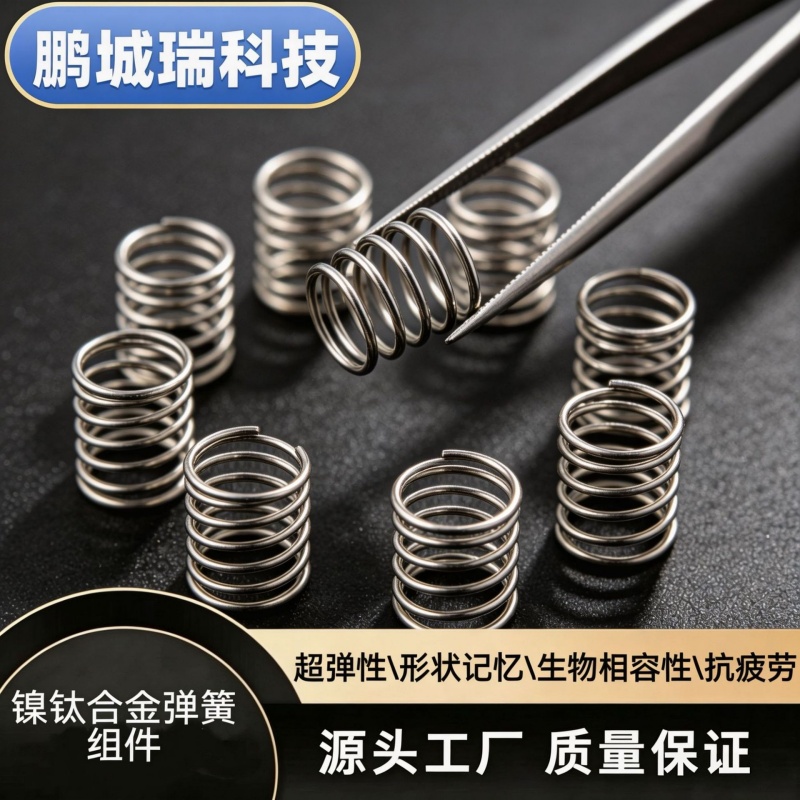
Nickel titanium alloy spring is an elastic component made of nickel titanium alloy (Ni Ti Alloy, usually containing about 55% nickel and 45% titanium) as the raw material, through specific processing technology. Its core feature is to combine the "shape memory effect" and "super elasticity" of nickel titanium alloy with the "elastic deformation ability" of the spring, achieving functional requirements that traditional metal springs (such as steel springs and copper springs) cannot meet in multiple fields.
1、 Core feature: Unique advantages derived from nickel titanium alloy
The performance of nickel titanium alloy springs is essentially the external manifestation of the "martensitic transformation" (a solid-state crystal structure transformation) of nickel titanium alloys, which distinguishes it from the working principle of traditional springs that only rely on the "elastic limit" of the material. It mainly has two core characteristics:
1. Shape Memory Effect (SME)
The spring can be bent and compressed to a non initial shape at low temperatures (below the "phase transition temperature"). When the temperature rises above the phase transition temperature, it will automatically return to the "initial shape" set at the factory, and this process can be repeated tens of thousands of times with minimal performance degradation.
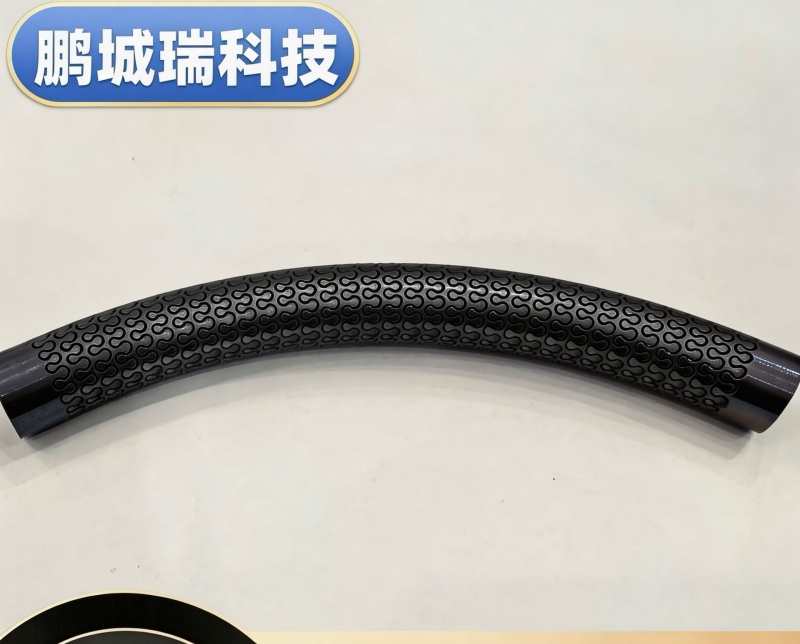
Example: The "vascular stent spring" in the medical field - compressed into a small tube shape at low temperatures (for easy delivery through a catheter), implanted into a blood vessel and exposed to human body temperature (37 ℃, higher than its phase transition temperature), automatically returns to an expanded mesh spring structure, supporting the blood vessel wall.
2. Superelasticity (SE)
At room temperature (higher than the phase transition temperature), springs can withstand far more "reversible deformation" than traditional metals (up to 8% -10%, while steel springs will permanently deform if they exceed 1%). After the external force is removed, they can instantly restore their original state, and the "stress is basically constant" during the deformation process (traditional spring stress increases linearly with deformation).
Example: The "hinge spring" of the eyeglass frame - even if it is forcefully bent, it can still return to its initial angle after release and is not easily broken or deformed; The "strap connection spring" of smart wearable devices can adapt to the stretching/compression of different wrist sizes, and the pressure is uniform when worn.
3. Other auxiliary features
Biocompatibility: Pure nickel titanium alloy (free of harmful impurities) is non-toxic to human tissues, has no rejection reaction, and meets medical implant standards (such as ISO 5832-3).
Corrosion resistance: A dense layer of titanium oxide (TiO ₂) protective film will form on the surface, which is resistant to acid and alkali, body fluid corrosion, and has a much longer lifespan than steel springs (especially in humid and body fluid environments).
Damping: During the deformation process, it absorbs some energy (such as vibration and impact), and has both "elasticity" and "buffering" functions, which can be used for shock absorption scenarios.
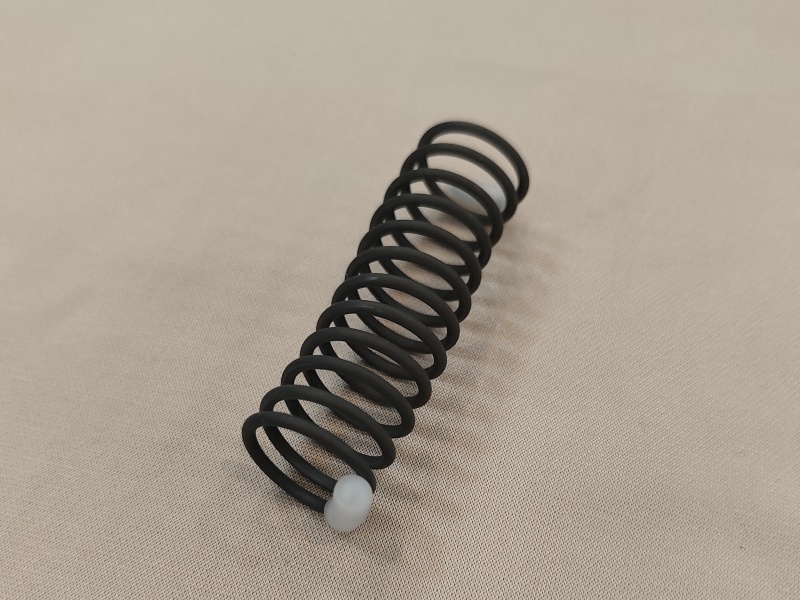
Nickel titanium alloy spring
2、 Main processing techniques
The manufacturing difficulty of nickel titanium alloy springs is much higher than that of traditional springs, requiring precise control of the "phase transition temperature" and "shape memory effect". The core steps are as follows:
Raw material pretreatment: Nickel titanium alloy rods/wires are subjected to "solution treatment" (rapid cooling after high-temperature heating) to eliminate internal stress and unify the crystal structure.
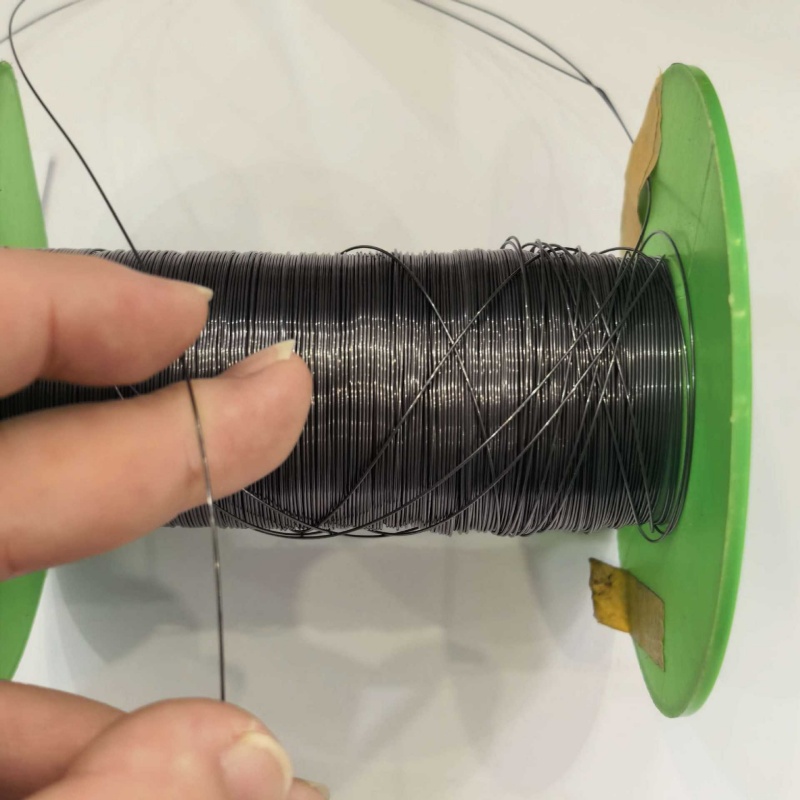
Spring forming: Using a dedicated CNC spring machine, alloy wire is wound into the designed spring shape (such as compression spring, tension spring, torsion spring), and the winding temperature needs to be controlled during the process (to avoid triggering phase transition in advance).
Shape setting (key step): Heat the formed spring above the "phase transition temperature" (usually 400-500 ℃), hold it for a period of time (to fix the crystal structure as "austenite"), and then slowly cool it. At this point, the "initial shape" of the spring is permanently "remembered".
Post treatment: Surface impurities are removed through polishing and acid washing, and some medical springs also require "aseptic treatment" to ensure biological safety.
3、 Typical application scenarios
Smart wearables/consumer electronics: smart watch strap spring, glasses hinge spring, mobile phone SIM card holder spring;
Automotive industry: engine coolant valve springs, seat adjustment memory springs;
Aerospace: Satellite deployment mechanism springs (such as solar panels), spacecraft sealing springs, manufacturing aircraft landing gear shock absorbers;
Daily necessities: sealing spring for thermos cup lid, heating core spring for automatic curling iron, thermostatic valve core for bathroom, fire alarm for electronic devices, soldering of integrated circuits;
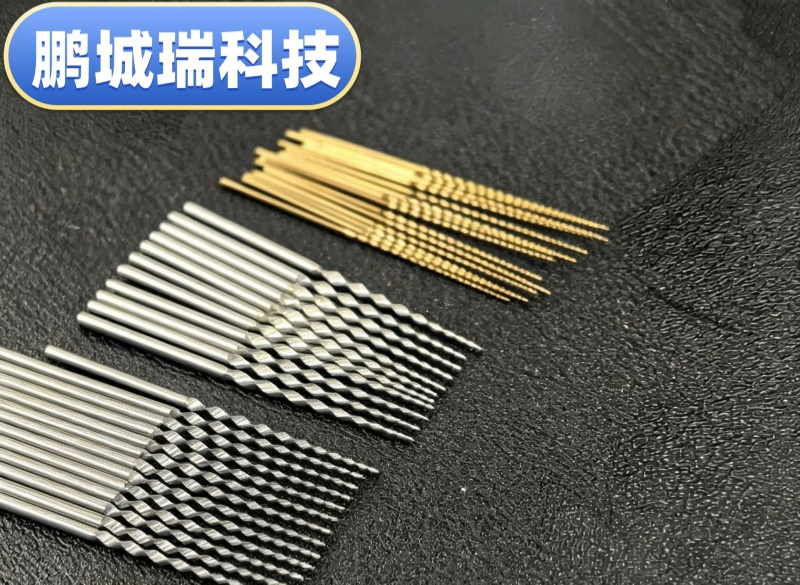
In the medical field, it is commonly used for orthodontic correction, manufacturing brackets, and grinding tools.
In summary, nickel titanium alloy springs are not a "substitute" for traditional springs, but rather a "functional upgrade product" designed for special needs such as temperature response, large reversible deformation, and biological safety. Its technical core lies in precise control of the phase transition temperature of nickel titanium alloys and stable implementation of shape memory effects. Shenzhen Wuge Industrial Co., Ltd. provides nickel titanium high-temperature alloys (such as nickel titanium copper high-temperature alloys) and nickel titanium room temperature alloys in the field of nickel titanium memory alloys. It is a supplier of nickel titanium alloy materials and wire pipes.
Nitinol
Seamless nickel titanium tube Nickel titanium fiber wire Nickel titanium plateApplication Area
Medical Industry New Energy Aerospace Machinery Manufacturing Marine Engineering Petrochemical IndustryContact Us
Contacts:Manager Wu +86 13632667260


 WeChat
 Call me
X