
 Chinese
 English
Service Hotline
+86 18948275773+86 13632667260



The service life of nickel titanium alloy guide wires can be divided into two categories: disposable clinical service life and material fatigue life.
1、 Medical grade guide wire (clinical disposable consumables)
All nickel titanium guide wires on the market are disposable and have no repeated use life
(1)Duration of single operation: The entire process of a single interventional surgery usually takes 10-120 minutes
(2)Reason for disposal after use:
-The outer hydrophilic coating is damaged and lubricated after friction, making it easy to scratch blood vessels during secondary use;
-Blood and tissue debris may adhere to the surface, making it difficult to completely sterilize and posing a high risk of cross infection;
-The development layer and polishing layer at the head end are worn, and the X-ray development is unclear, which poses a risk of operational errors;
Industry standards mandate that all coronary, urinary, and nerve intervention guide wires be disposable and strictly prohibited from reuse.
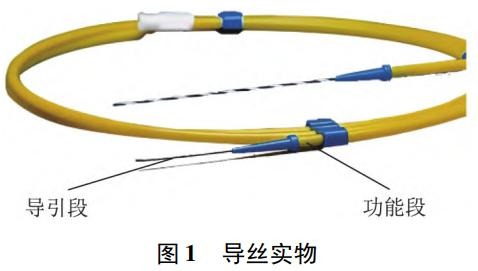
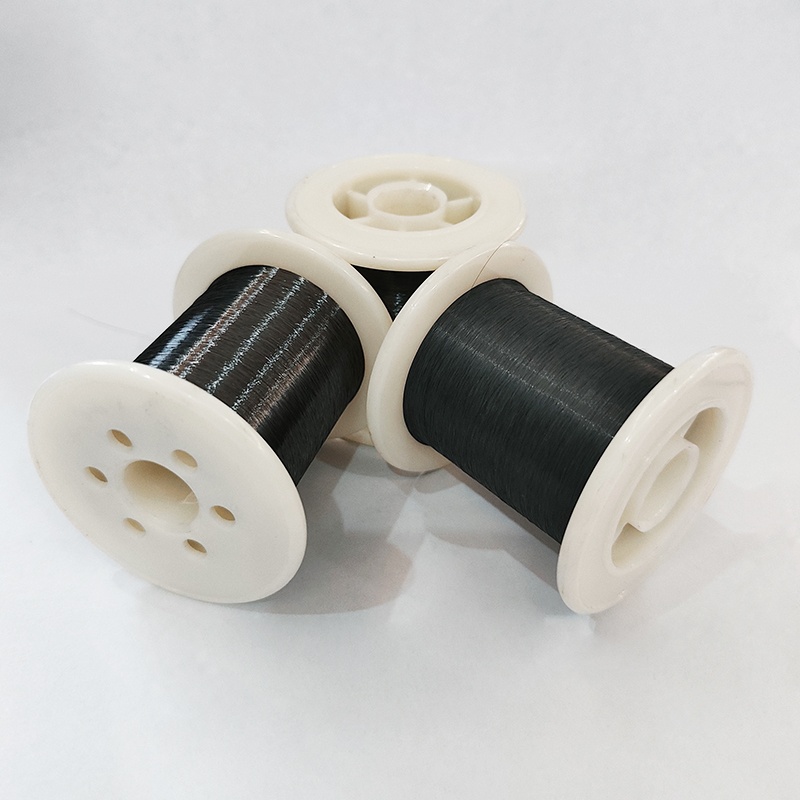
2、 Theoretical fatigue life of nickel titanium alloy core wire itself (uncoated, new bare wire)
Under normal surgical bending amplitude (3% -5% deformation) conditions at 37 ℃ in the human body:
Standard medical grade nickel titanium hyperelastic wire: capable of withstanding over a million repeated bending cycles without fracture or permanent deformation;
Extreme large deformation (exceeding 8% tensile/bending): The fatigue frequency will significantly decrease to tens of thousands of times;
Extremely low wear and tear in surgical scenes: The actual bending times of a surgical guide wire are only a few dozen to a few hundred times, and the material itself will not fatigue or fail at all. The use of outer coatings is limited instead of metal substrates.
3、 If left in the body for a long time (with a guide wire structure implant, excluding temporary guide wires)
The guide wire used for simple guidance will not permanently remain in the body;
Long term implantation of nickel titanium instruments (stents, spring coils, ureteral stent tubes) in the body:
-Biomedical nickel titanium is corrosion-resistant and can be stably retained in body fluids for months to years without metal aging or fracture;
Ureteral nickel titanium stent is routinely retained for 3-12 months; Vascular stents can be left in place for life.
4、 Storage shelf life (unopened, brand new guide wire)
Aseptic packaging medical nickel titanium guide wire, stored at room temperature and away from light: valid for 2-5 years (marked as 2 years/3 years/5 years by different manufacturers). After expiration, the coating will age and the sterilization barrier will fail. Even if the metal is intact, it cannot be used clinically.
Overall,
Clinical service life: single surgery, tens of minutes to 2 hours, directly discarded after surgery;
Fatigue life of metal materials: millions of bends, the material itself is extremely durable;
Unopened storage life: 2-5 years;
It cannot be disinfected and reused repeatedly, and there is no lifespan for multiple surgeries.
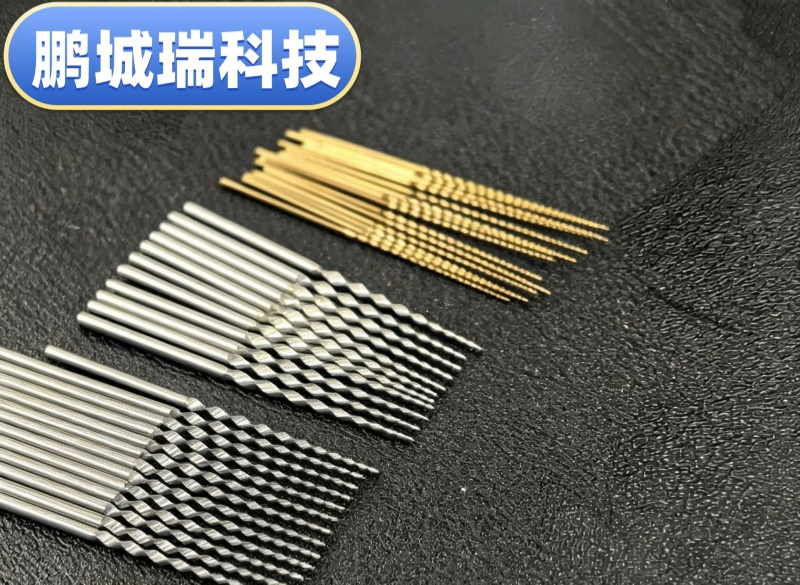
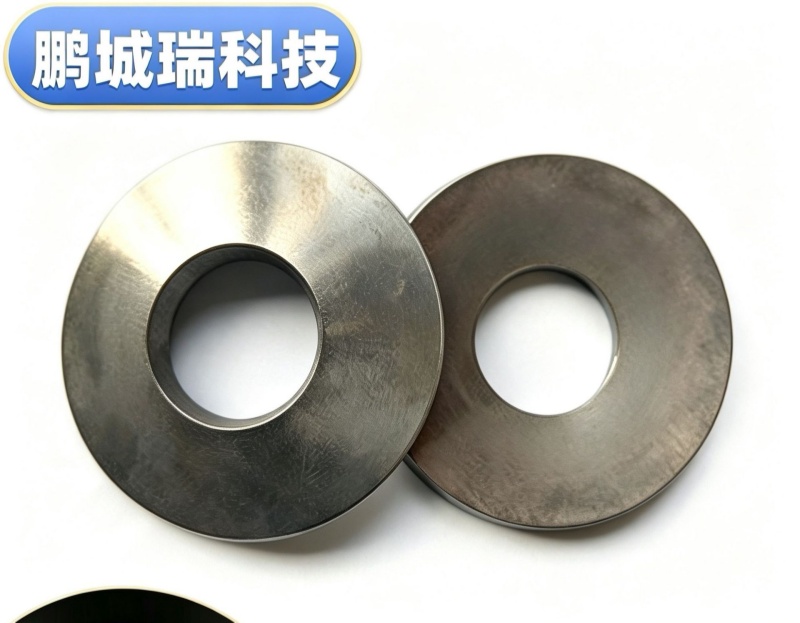
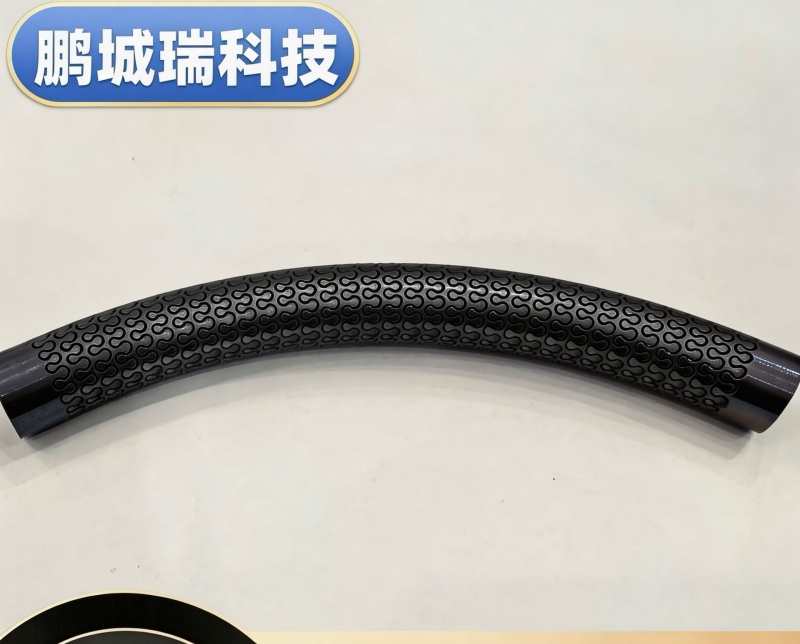
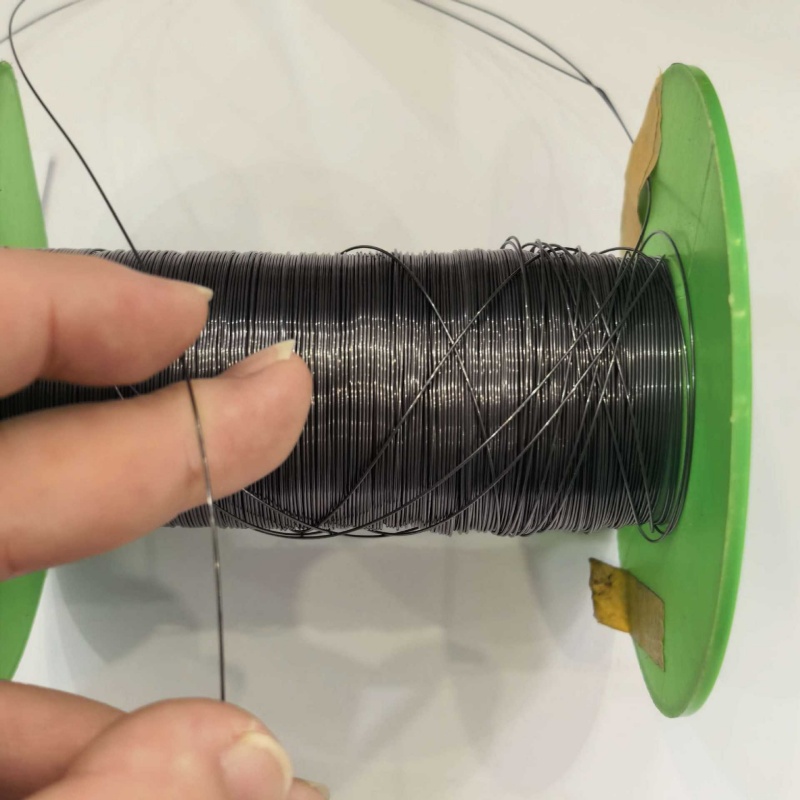
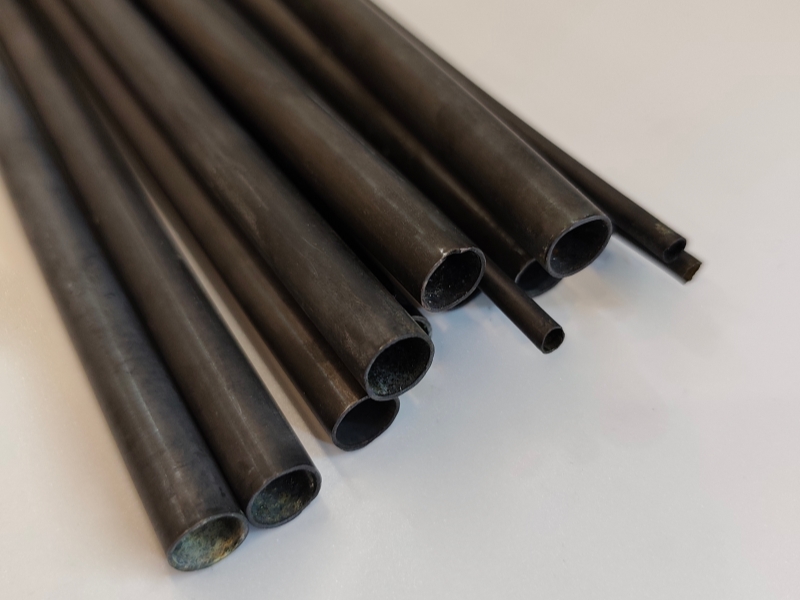
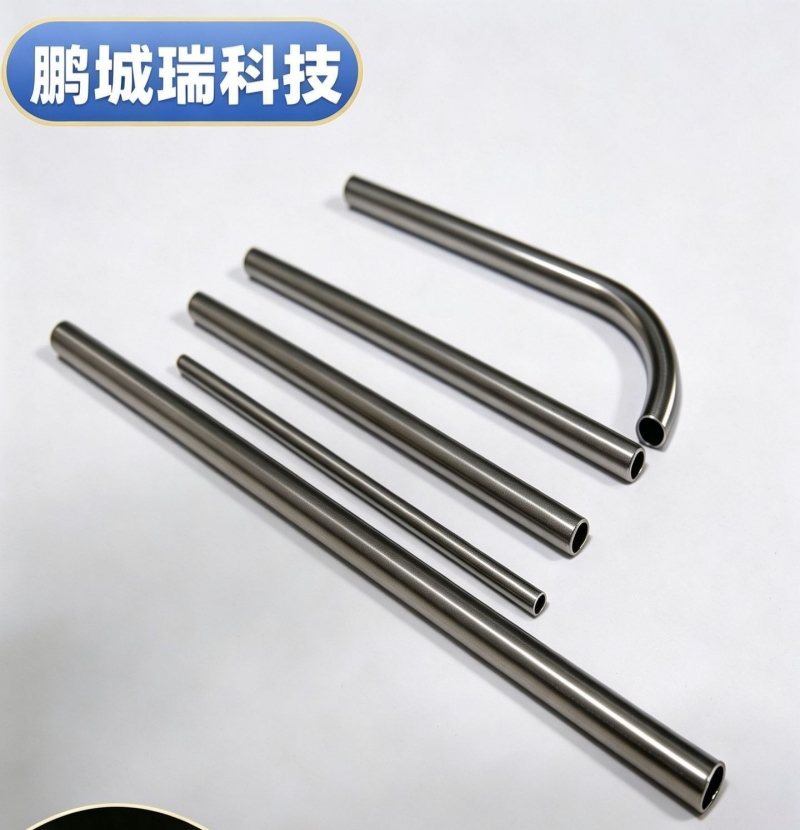
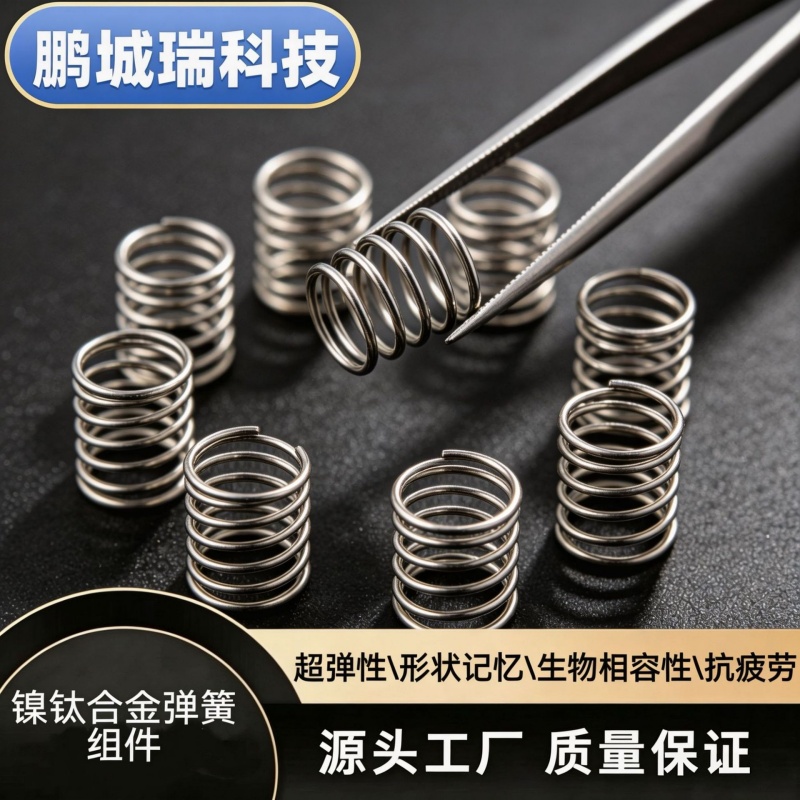
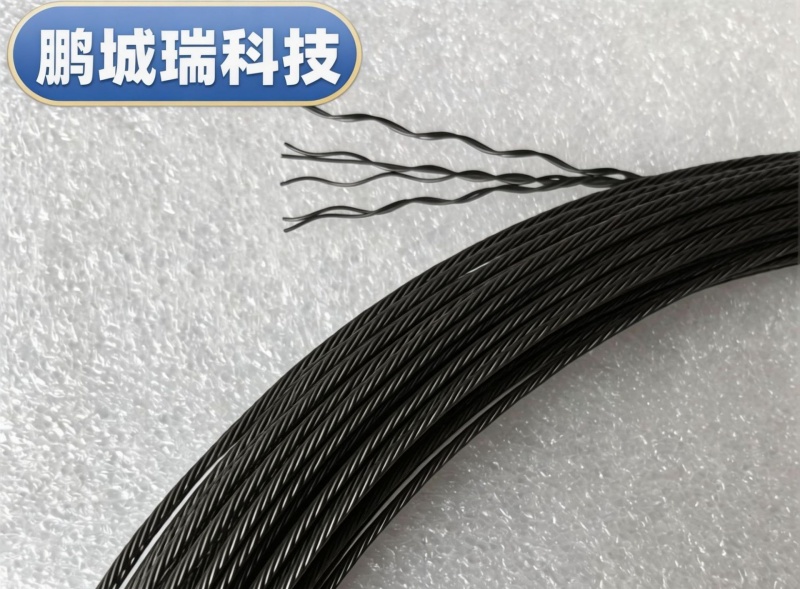
Nitinol
Seamless nickel titanium tube Nickel titanium fiber wire Nickel titanium plateApplication Area
Medical Industry New Energy Aerospace Machinery Manufacturing Marine Engineering Petrochemical IndustryContact Us
Contacts:Manager Wu +86 13632667260


 WeChat
 Call me
X