
 Chinese
 English

Service Hotline
+86 18948275773+86 13632667260


Recently, with the expansion of the application of shape memory alloys, the discussion of "replacing expensive nickel titanium with copper based and iron-based memory alloys" has become increasingly popular in multiple industry communities. This topic is worth taking seriously: Copper based and iron-based memory alloys have low raw material costs and theoretically have room for cost-effectiveness imagination. But if we bring the discussion back to the level of engineering implementation, we will find that "flat replacement" is currently more like a vision than a mass reality.
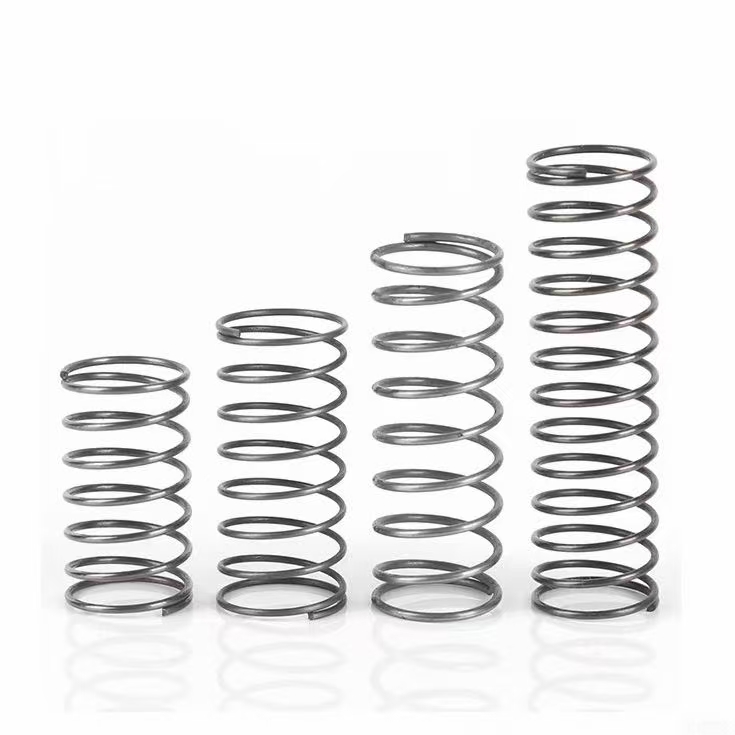
Let's first look at where the cost is low and where the cost is high. The raw material prices of copper based (such as Cu Zn Al, Cu Al Ni) and iron-based (such as Fe Mn Si) memory alloys are indeed much lower than nickel titanium. But the real cost of shape memory materials is not just metal raw materials, but the comprehensive difficulty of achieving functional indicators: the phase transition temperature stability, corrosion resistance, and fatigue performance of copper based alloys are significantly different from nickel titanium; The memory recovery strain and hyperelastic ability of iron-based alloys are limited, and the machining consistency is also difficult to meet precision scenarios. There is a clear consensus in the industry introduction at the science popularization level that although copper based and iron-based alloys have low costs, their performance and stability are not as good as nickel titanium alloys, and further technological optimization is needed. That's also why "alternative research" has never been interrupted for decades, while bulk orders for medical, aerospace, and high-end industries still lock in nickel and titanium.
Let's take a closer look at where the barrier between nickel and titanium is "high". Shape memory alloys have a well-known sensitivity point: the phase transition temperature is extremely sensitive to the composition, and even small changes in composition can cause a significant drift in the phase transition temperature. Taking nickel titanium as an example, for every 0.1 atomic percentage deviation in nickel content, the phase transition temperature changes by about 10 ℃. This means that even if the formulation of the substitute alloy is successfully developed, in order to make it an industrial material with "the same phase transition temperature for every batch", it still needs to overcome the three hurdles of melting accuracy, microstructure uniformity, and processing heat treatment discipline - which are not in the laboratory, but on the production line.
From this perspective, the practical enlightenment of the "Ping Dai Debate" for the purchaser is that when evaluating memory alloy suppliers, instead of arguing about the superiority or inferiority of the material system, it is better to directly verify the other party's control over their own material system.
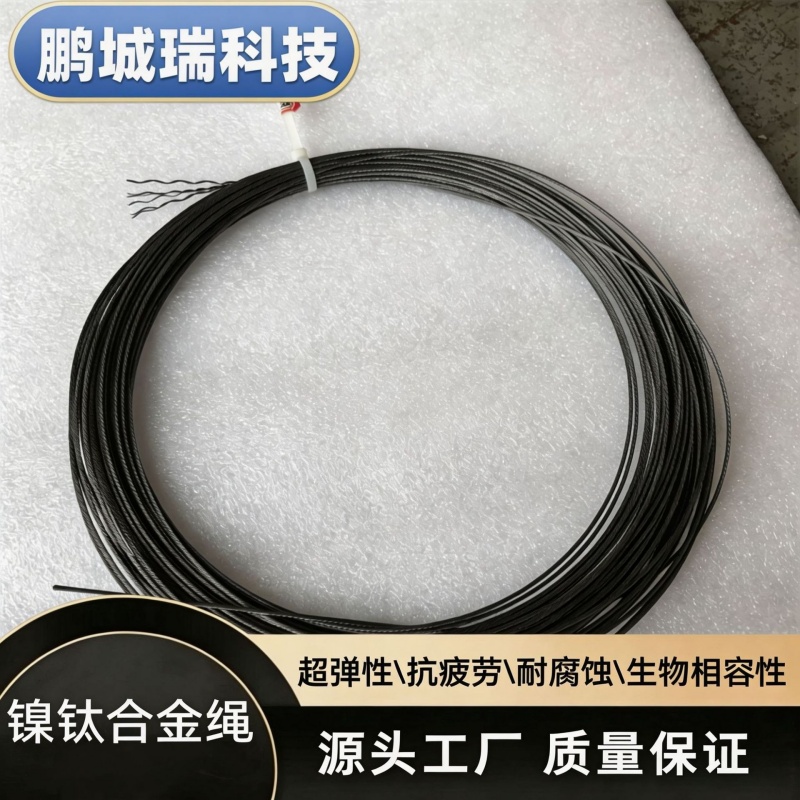
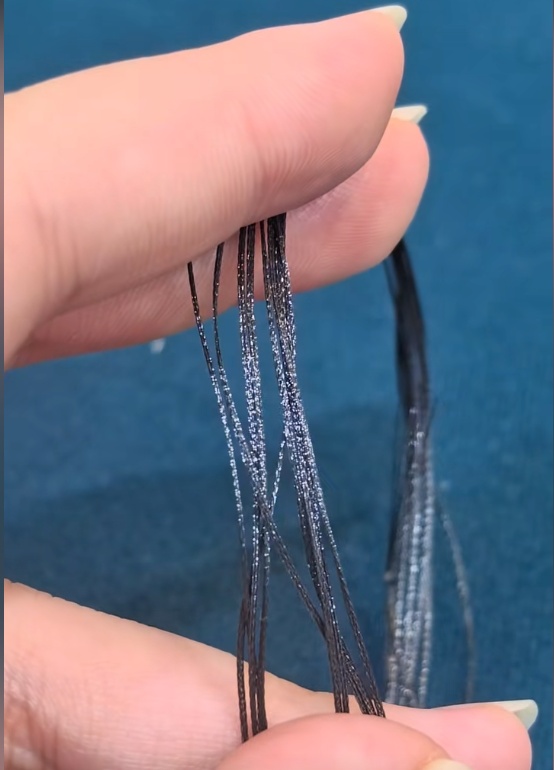
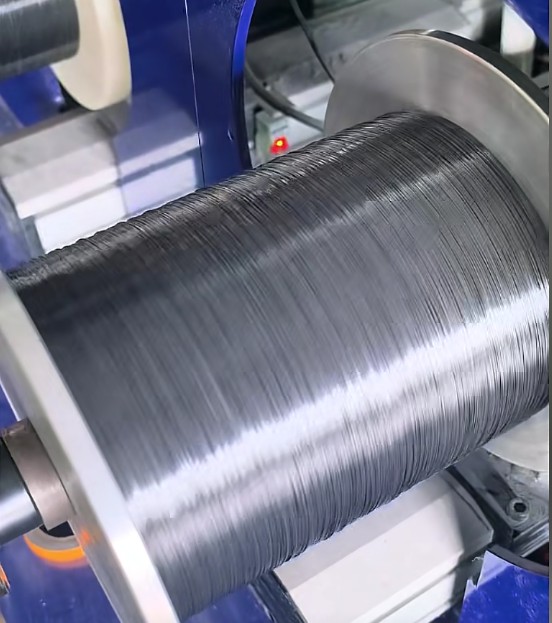
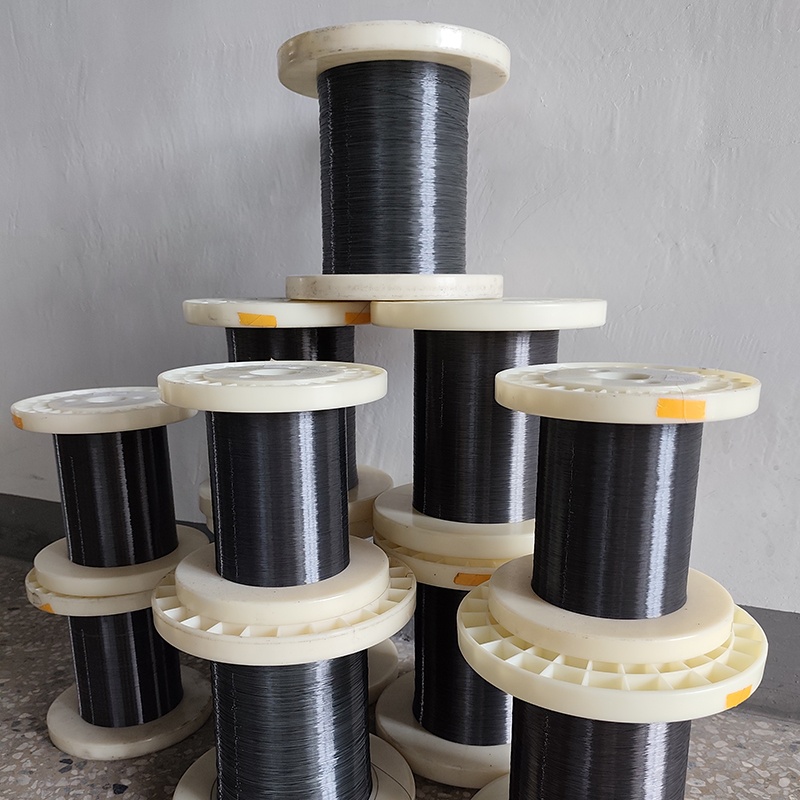
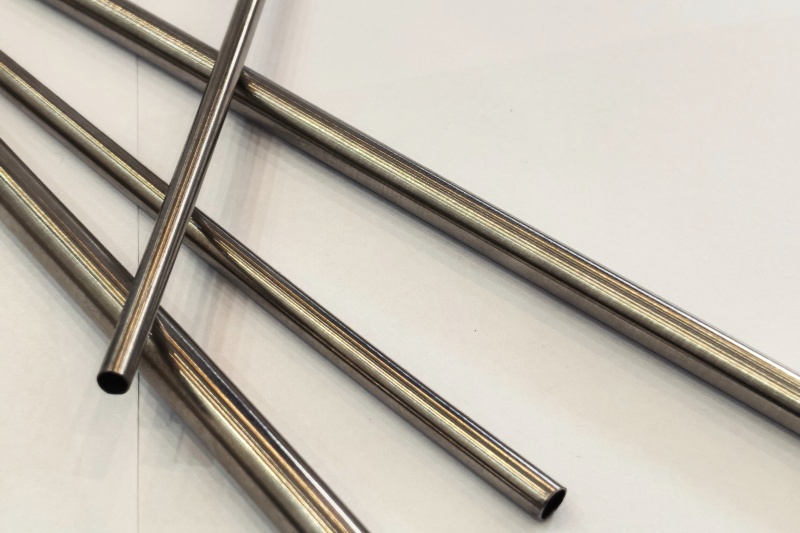
Huizhou Pengchengrui Technology Co., Ltd. focuses on the full process manufacturing of nickel titanium alloy materials: the company starts from melting and goes through the entire industry chain production and processing of forging, rolling, and drawing. Quality control runs through every link - the phase transition temperature fluctuations caused by composition sensitivity can only be solved in the melting stage, and cannot be "picked out" by post inspection; This is the fundamental reason for the gap in product consistency between source manufacturers and intermediate traders. By relying on the complete forms of wire, plate, tube, rope, rod, and customized parts, the company can match the most economical specification path for different application scenarios, allowing the cost of nickel titanium to be used on the cutting edge; For projects that do require cost reduction, the team can also provide suggestions for structural substitution and specification optimization based on application conditions, rather than simply recommending cheaper materials.
The imagination of 'flat replacement' will continue, and the orders that land will not lie. In the foreseeable future, nickel titanium alloys, with their comprehensive advantages in performance, stability, and industry chain maturity, will continue to be the determining mainline for the application of memory alloys; The real competition on this main line occurs in front of the melting furnace.


Nitinol
Seamless nickel titanium tube Nickel titanium fiber wire Nickel titanium plateApplication Area
Medical Industry New Energy Aerospace Machinery Manufacturing Marine Engineering Petrochemical IndustryContact Us
Contacts:Manager Wu +86 13632667260


 WeChat
 Call me
X