
 Chinese
 English

Service Hotline
+86 18948275773+86 13632667260


On November 3-4, the Indonesian Ministry of Energy and Mines (ESDM) continuously released signals: confirming once again that nickel ore supply will be controlled through RKAB (Mineral and Coal Work Plan and Budget), and the tightening of quotas in 2027 may further expand compared to this year. Minister of Energy and Mines Bachriel publicly stated on November 4th that the majority of products in Indonesia's downstream chemical industry are still in the intermediate processing stage, only reaching 50% to 60%, and production capacity has become excessive. The government is re evaluating the permit policy for the construction of smelters that only produce semi-finished products. According to market news during the same period, Huayou's business plan in Indonesia is to reduce production by up to 50%, Harita Nickel、 Qingshan and other enterprises also have production reduction plans (the specific scope is yet to be confirmed by the enterprises).
The response at the price level is relatively mild. On November 4th, the main contract for Shanghai nickel closed at 116900 yuan/ton, slightly down 0.09% from the previous trading day; LME nickel inventory is 275592 tons, and Shanghai nickel warehouse receipts are 87934 tons, still at a high level. On the contrary, the mining sector is moving downwards: Indonesia's HMA (Metal Mineral Benchmark Price) dropped to $15478.67 per ton in the first half of November, a decrease of 2.33% from the second half of October; The Ni1.6% grade HPM decreased to $57.44 per wet ton, with actual transactions ranging from $52.44 to $53.44 per wet ton, and the discount expanded to $5 per wet ton. The CIF price for Ni 1.3% grade ore in the Philippines is reported at 39-41 US dollars per wet ton, with a low level temporarily stable. On the demand side, 43 domestic stainless steel plants plan to produce 1.8893 million tons of 300 series in November, an increase of 3.68% compared to the previous month, which provides some support for nickel iron. However, steel plant procurement is still mainly based on rigid demand; The average factory price of high nickel pig iron is 1012 yuan per nickel point.
The most noteworthy thing for nickel titanium material factories in this set of data is not whether nickel prices are rising or falling, but another matter: the global supply of nickel resources is increasingly concentrated in the hands of a few policy variables.
The production of nickel smelting products in Indonesia is estimated by Indonesia's FINI on November 4th to be around 2.2-2.4 million metal tons in 2026. This means that any adjustment in quota approval, export policies, and smelting permits will be transmitted along the chain of "ore nickel iron electrolytic nickel mother alloy" to the procurement costs and delivery times of domestic nickel titanium plants. When there are two opposing forces in the upstream, namely "downward movement of mineral prices" and "policy tightening", prices will exhibit range oscillations, but the uncertainty of supply is real - it is not reflected in the average price, but in the arrival rhythm of a certain month, the spot premium of a certain brand, and the fluctuation of the composition of a certain batch.
For materials such as nickel and titanium, which are extremely sensitive to composition, the uncertainty at the raw material end will be amplified twice: the first time, during the melting of the parent alloy, the purity and impurity levels of nickel and titanium directly determine the phase transition temperature; For the second time between finished product batches, even if the nominal values of the ingredients are the same, differences in trace impurities and gas content can cause Af drift. For every 0.1 atomic percentage deviation in nickel content, the phase transition temperature shifts by about 10 ℃, which is particularly alarming during the fluctuation period of raw materials.
Raw materials can be purchased globally, but craftsmanship cannot be borrowed globally.
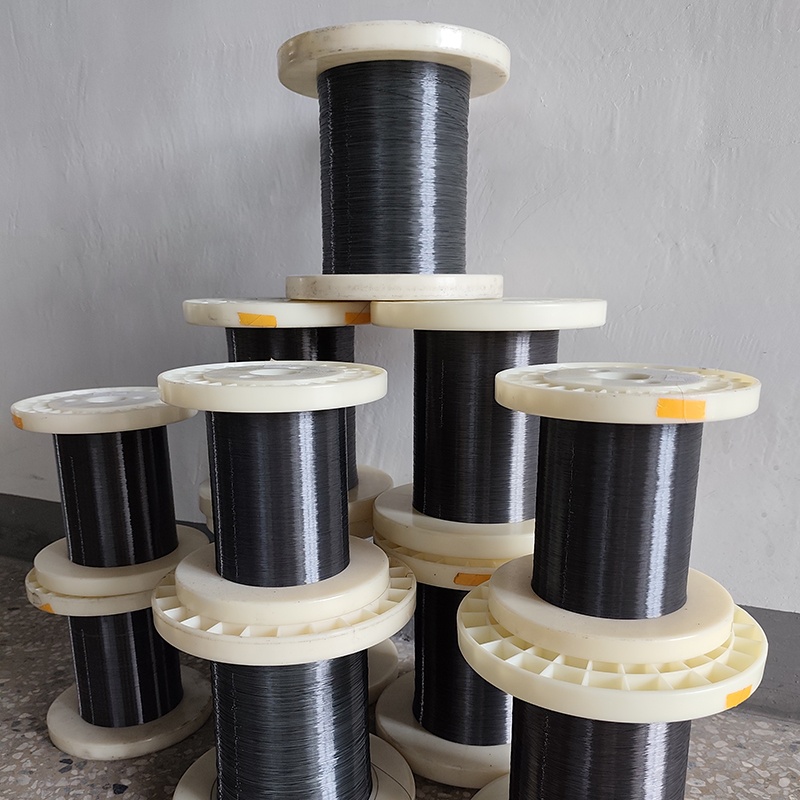
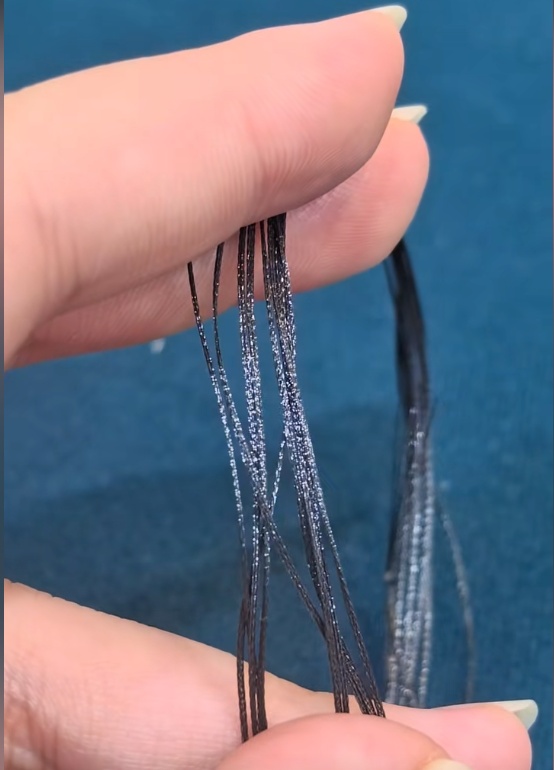
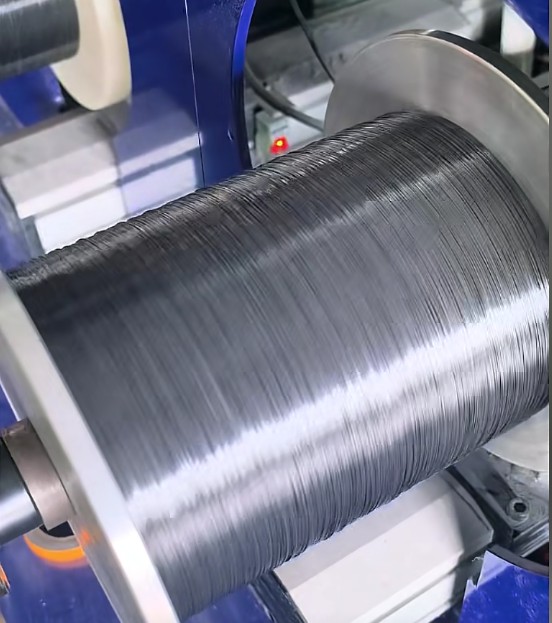
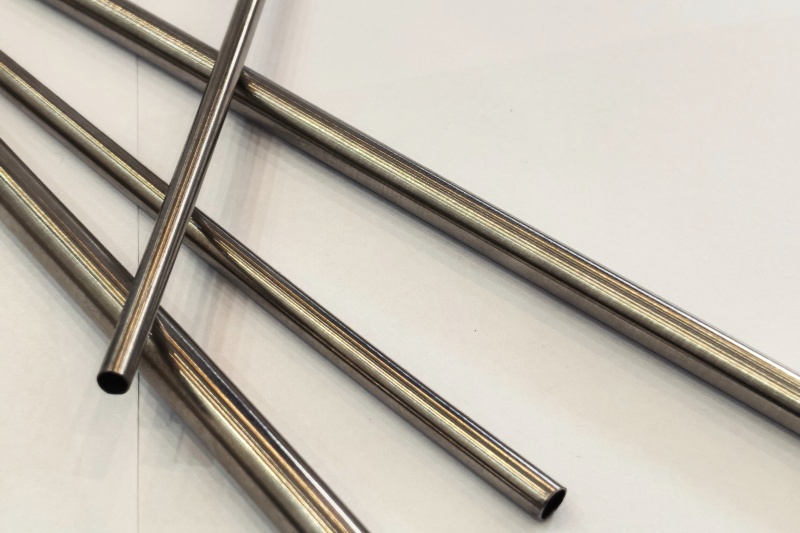
Huizhou Pengchengrui Technology Co., Ltd. is a leading manufacturer of nickel titanium alloy materials. Starting from melting, it has gone through the entire industry chain of forging, rolling, and drawing production and processing, with quality control running through every link. Holding the smelting in one's own hands means three specific things during the fluctuation cycle of raw materials: firstly, the raw materials before entering the furnace can be retested for composition and screened for impurities in batches. Unqualified materials will be stopped in front of the furnace instead of being selected through testing after being spun into silk; Secondly, the vacuum melting process is adopted to control oxygen, nitrogen, and carbon within the target range, so that the differences between different batches of raw materials are "smoothed out" during the melting stage; Thirdly, each furnace has independent composition and phase change records, and every batch of wire, plate, tube, rope, and rod received by the customer can be traced back to the specific furnace number.
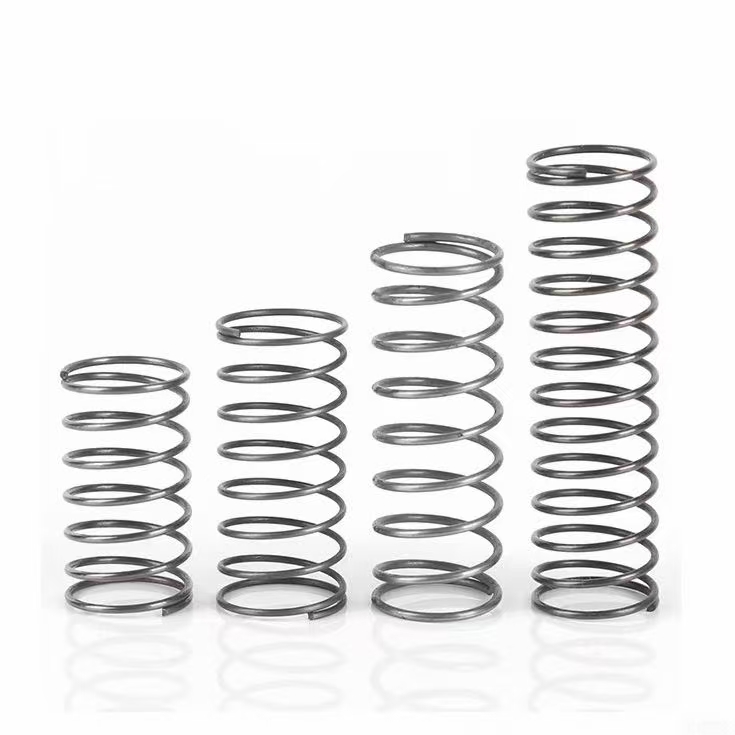
Formally, the company covers a full range of silk/board/pipe/rope/rod/customized parts. For the purchaser, the actual value of full form supply lies in the fact that when there is a temporary shortage in the external raw material market, there is no need to divide and lock goods, divide delivery times, etc. among multiple suppliers in order to gather different forms of materials. One source factory can match specifications and batches, reducing the complexity of the supply chain.
The price of nickel is quoted every day, but the certainty of the material cannot be given by the quotation. It grows next to the stove.
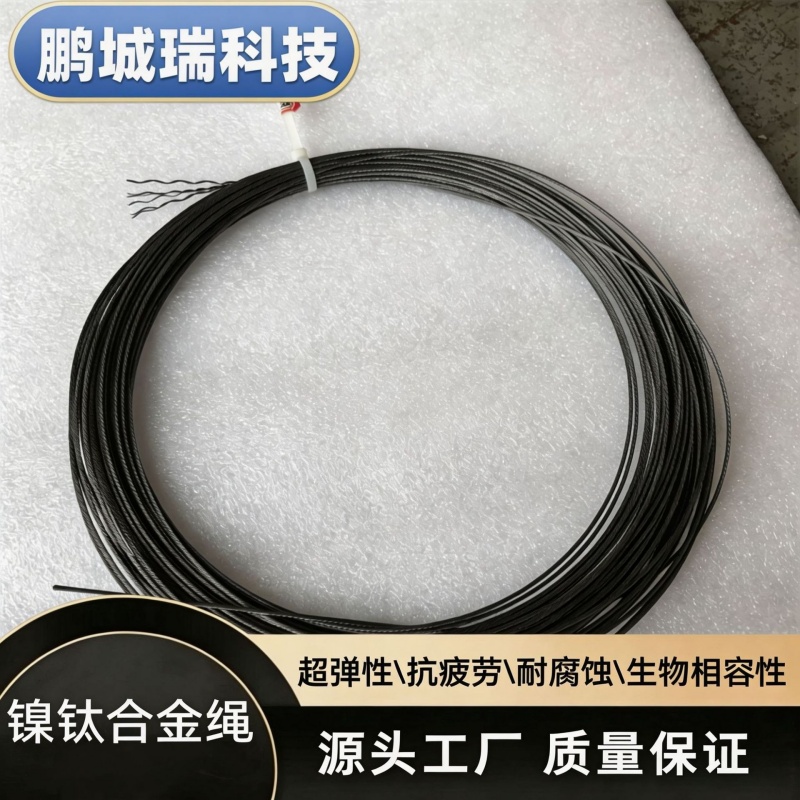
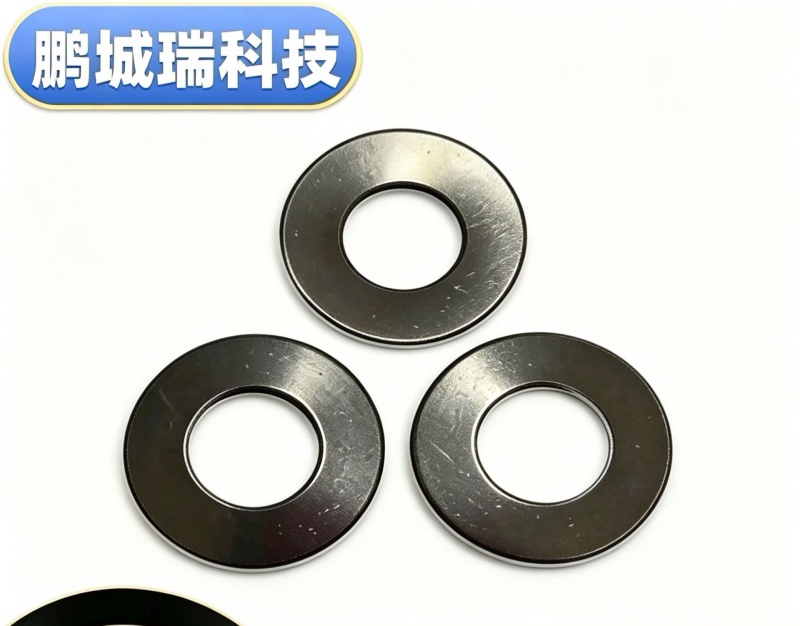


Nitinol
Seamless nickel titanium tube Nickel titanium fiber wire Nickel titanium plateApplication Area
Medical Industry New Energy Aerospace Machinery Manufacturing Marine Engineering Petrochemical IndustryContact Us
Contacts:Manager Wu +86 13632667260


 WeChat
 Call me
X