
 Chinese
 English

Service Hotline
+86 18948275773+86 13632667260


No matter how beautifully designed the structural components are, a single solder joint problem could result in complete rework. The welding process of nickel titanium is a true cost black hole for many equipment and precision structural component projects.
1、 Three inherent difficulties in nickel titanium welding
There is a widely circulated summary in the industry about nickel titanium welding: welding oneself is relatively easy, but welding others is almost always full of pitfalls. The reasons are concentrated in three points:
(1) Titanium has a strong affinity for oxygen, and once the molten pool comes into contact with air, it becomes brittle. Protecting gas is not a 'recommended item', it is a necessary item. The common side tube air supply in industry often has uneven coverage, while coaxial air supply performs more stably in terms of coverage uniformity, surface shaping, and reducing splashing pollution of optical lenses.
(2) Brittle intermetallic compounds. Nickel titanium and dissimilar metals melt together, easily forming a hard and brittle phase. Public research has shown that during laser welding of NiTi and 304 stainless steel, brittle phases such as TiFe, TiFe ₂, TiCr ₂, FeNi, TiNi ∝, and Ti ₂ Ni are formed in the weld zone, in addition to retaining B2, γ - Fe, and α - Fe, resulting in a significant decrease in the mechanical properties of the joint; When NiTi is connected to Ti6Al4V, Ti ₂ Ni precipitates, resulting in increased hardness and elastic modulus, as well as decreased toughness and ductility.
(3) The heat affected zone changes the phase transition temperature. This is the most covert one: welding thermal cycling will cause changes in the microstructure and phase transformation behavior of the HAZ, resulting in a device that is "hyperelastic on one side of the weld and hard on the other". For parts that work through phase change, this is equivalent to rewriting their functionality.
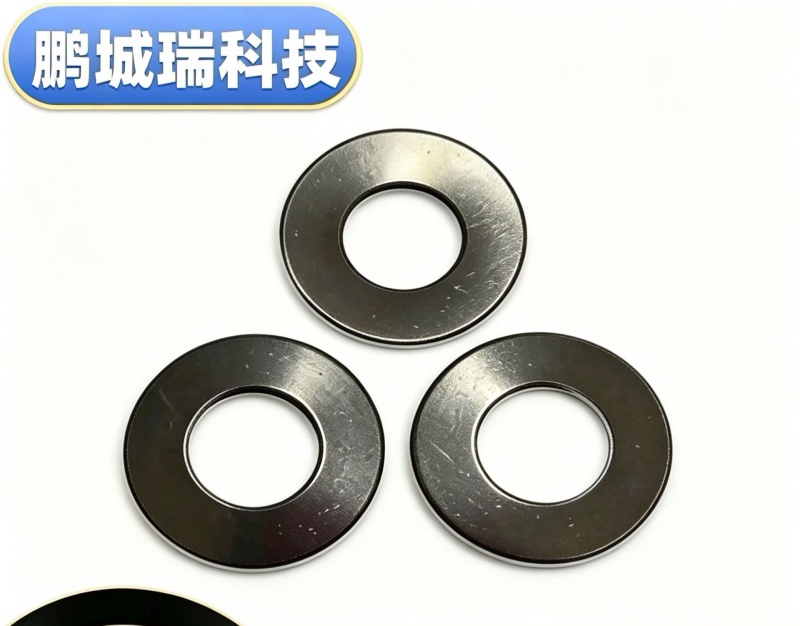
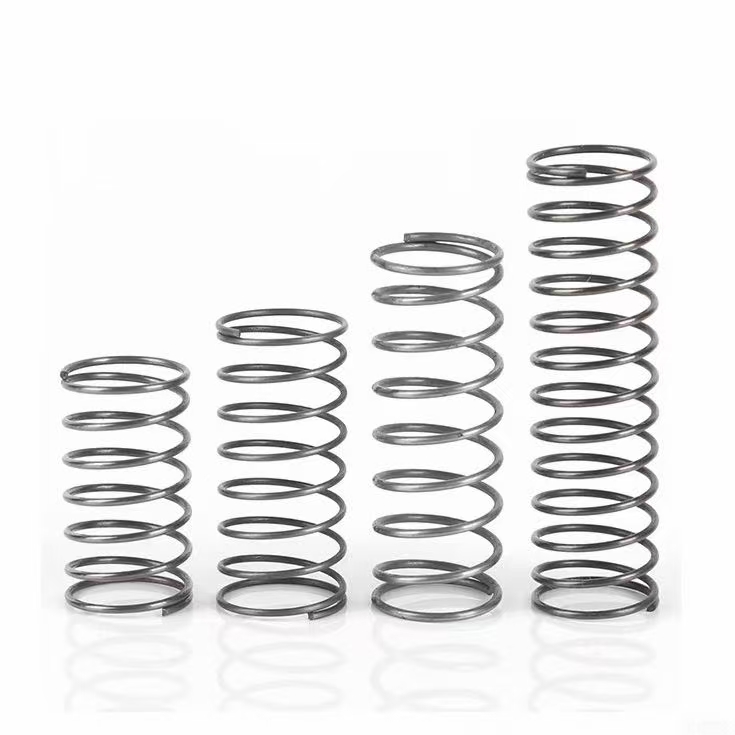
Nickel titanium alloy gasket
2、 Feasible path and known data
Laser welding is currently the mainstream choice for docking between pure nickel and titanium, with high energy density, low heat input, narrow HAZ, repeatable parameters, and suitable for wire to tube docking, small feature spot welding, and wire end sealing.
There are several validated ways to connect dissimilar metals:
-Add an intermediate layer. Public research shows that using 80 μ m copper foil as an intermediate layer to connect NiTi and stainless steel, the tensile strength and elongation of the joint reach optimal values (about 521MPa, 5.2%), which is about 1.8 times higher than that of the joint without an intermediate layer. The main reason is the increase of α - Cu solid solution in the weld and the decrease of brittle phases of Fe Ti and Cr Ti; The joint bends 180 degrees without breaking, and the recovery rate of HAZ shape on the nickel titanium side can reach over 98%. Nickel and niobium intermediate layers are also commonly used to isolate iron and titanium.
-Laser bias. The light spot is slightly biased towards the stainless steel side (such as 0.2mm), limiting the amount of titanium entering the molten pool.
-Apply forging force. There is research showing that the tensile strength of the joint can be increased by 50%, but the absolute value is still only about 29% of the base material - indicating that this path can improve but cannot solve the problem.
-Just don't melt it. Crimping, swaging, and bonding are actually more reliable and verifiable in many wire and conveyor system designs. The practical suggestion in the industry is: if you can design the weld seam, don't design the weld seam.
A reference upper limit: For nickel titanium laser welded joints with good parameters and post-processing, the efficiency can reach about 80% of the base material; The strength of nickel titanium joints with rich titanium content may decrease by nearly 30%.
3、 What should be considered for acceptance inspection
The welding quality cannot 'look good'. The executable acceptance items include: conducting pull-out/tensile tests according to the sampling plan and specifying the minimum load and method; Perform metallographic examination on the first piece to examine the fusion zone and cracks; Measure the phase transition temperature on both sides of the weld (DSC method according to ASTM F2004); Perform fatigue testing on parts with dynamic bending; And corrosion assessment - weld and slag oxides are common starting points for pitting corrosion. There is another easily overlooked sequence in the process: oxidation must be removed after welding, and electrolytic polishing is usually prioritized after welding rather than before. The statement 'full and defect free weld seam' in the standard document is not binding. It is meaningful to clearly state the maximum length of HAZ, allowable degree of discoloration, whether intermediate layer and its type are allowed.
4、 The width of the welding window is actually determined by the material used
It is worth noting for the purchasing side that for the same welding procedure, changing the batch of materials may require parameter adjustment. Fluctuations in composition, differences in oxygen content, and inconsistent surface conditions can cause changes in the behavior of the melt pool and the width of the HAZ. The production line can only rely on repeated trial welding to find the window, resulting in a high scrap rate. On the other hand, if the incoming materials are from the same furnace and batch, with stable composition and gas content, and consistent surface condition, the welding parameters can be "locked in" and reused for a long time, making the process replicable.
Huizhou Pengchengrui Technology Co., Ltd. is a leading manufacturer of nickel titanium alloy materials. Starting from melting, it has gone through the entire industry chain of forging, rolling, and drawing production and processing, with quality control running through every link. The value provided by Pengchengrui for the welding process is to "reduce variables": the composition and gas content are controlled at the melting end, the uniformity of the structure is achieved at the forging and rolling end, the surface state of the finished wire, plate, tube, and rod remains consistent, and the welding parameters locked by customers will not fail due to batch changes. For projects that require welding components, Pengchengrui can supply nickel titanium pipes, plates, wires, rods, and customized parts. It supports providing near net formed parts according to drawings to reduce the number of welds, and provides composition, phase transition temperature, and mechanical data with the goods for pre weld setting and post weld verification. For teams facing difficulties in connecting dissimilar metals or welding thin-walled pipes, please send us the working conditions and drawings, and remove half of the uncertainty from the material end first.
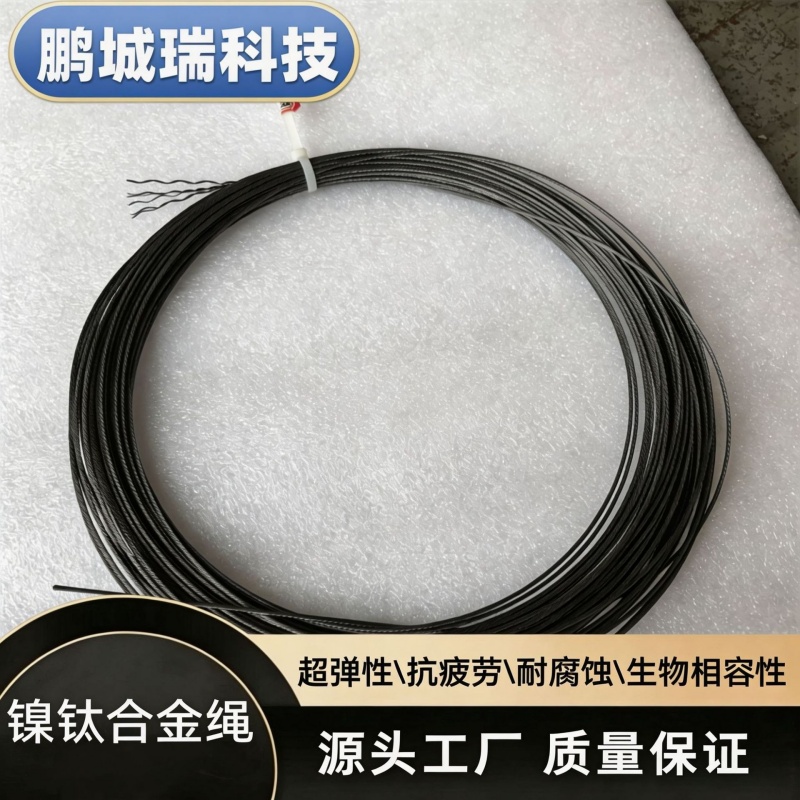


Nitinol
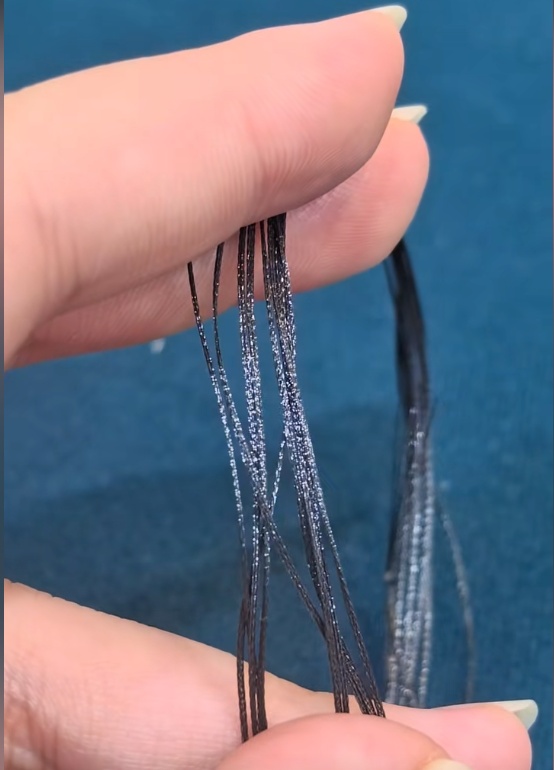
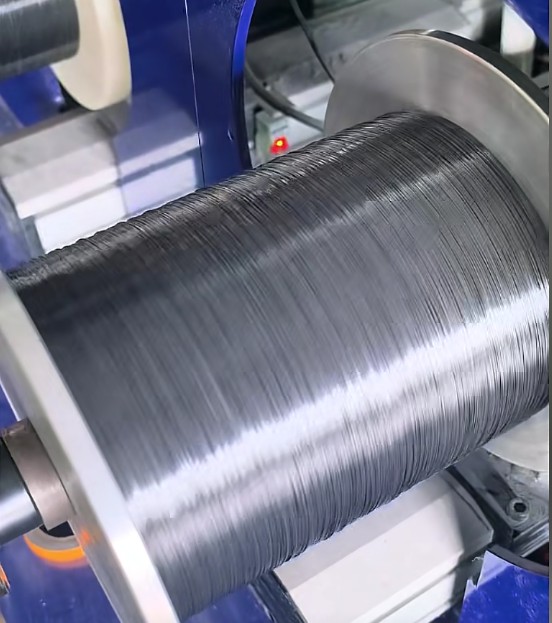
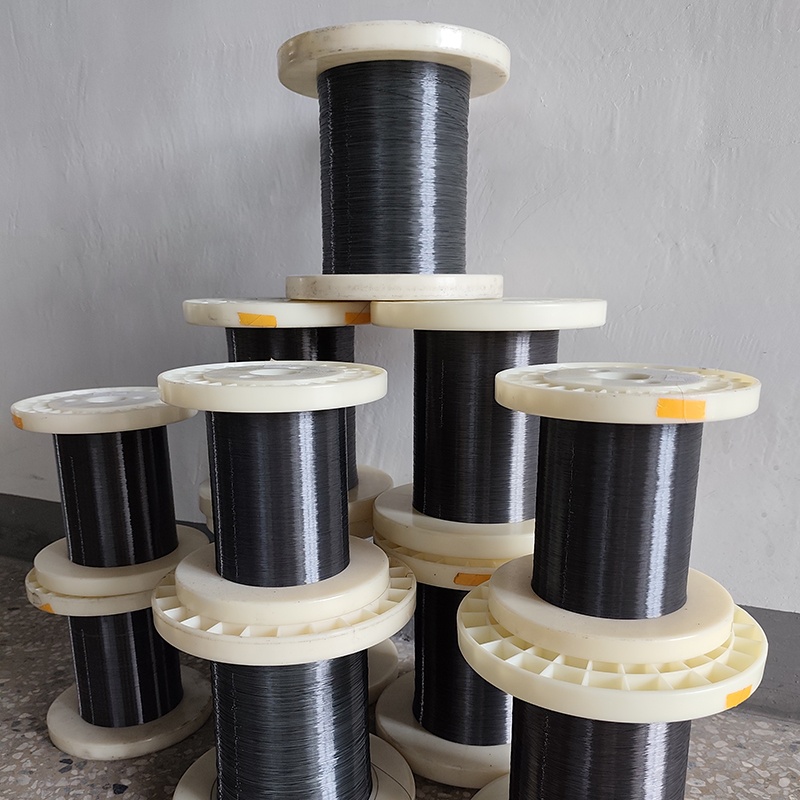
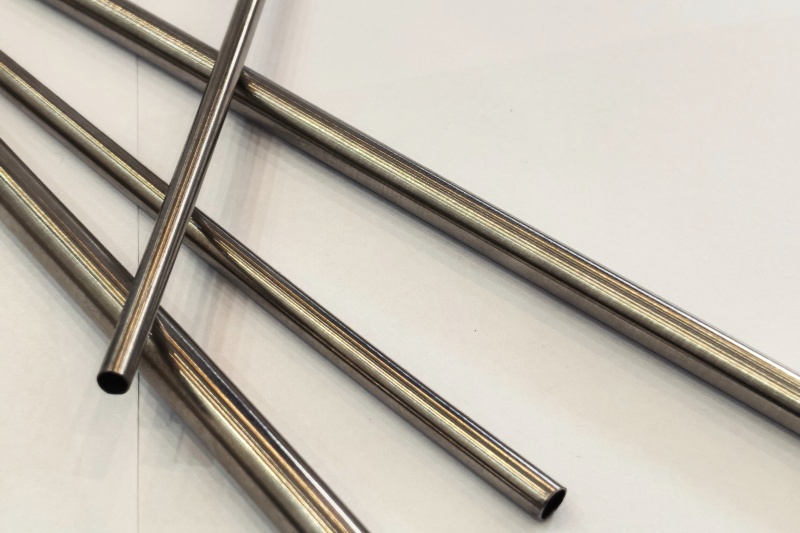
Seamless nickel titanium tube Nickel titanium fiber wire Nickel titanium plateApplication Area
Medical Industry New Energy Aerospace Machinery Manufacturing Marine Engineering Petrochemical IndustryContact Us
Contacts:Manager Wu +86 13632667260


 WeChat
 Call me
X