
 Chinese
 English

Service Hotline
+86 18948275773+86 13632667260


In the power battery pack of new energy vehicles, there is a very special component: a temperature control valve core made of nickel titanium alloy, which is usually fully opened to ensure high flow circulation of coolant; Once the battery cell loses thermal control and the local temperature exceeds the set point, it does not require any sensors, controller commands, or power supply. With only the phase transition of the material itself, it will deform in milliseconds, automatically blocking the flow channel and preventing thermal propagation.
This type of 'passive intelligent component' is quietly spreading in the new energy industry. According to industry research institutions, the demand for shape memory alloys in the thermal management and energy storage related fields of new energy vehicles is expected to reach approximately 450 tons by 2026, with double-digit growth rates; The application scenarios range from battery pack thermal runaway protection, fuel cell temperature control actuators, to temperature control and pressure relief components in energy storage systems, and intelligent damping plates for wind turbine blades.
Why is it 'passive'? Because the most reliable control system is' no control system '
The thermal runaway protection components have a common design philosophy: the failure probability must be pushed to the limit, and the best way to push it to the limit is to remove the entire electronic control chain. Sensors may break, wiring harnesses may age, and programs may have bugs, but a nickel titanium alloy with a pre-set phase transition temperature will inevitably undergo the correct deformation at the correct temperature - it is not "performing" a function, it is a function itself.
This is also the underlying reason why nickel titanium alloys are increasingly used in new energy equipment: the anti vibration and anti impact capabilities brought by superelasticity, the vibration reduction effect brought by high damping characteristics, the corrosion resistance brought by surface TiO ₂ passivation film, and the "zero software" reliability brought by passive temperature control. A set of materials simultaneously solves the mechanical, thermal, and chemical problems.
But the other side of the coin is: there is no software to patch, and there is no second chance. Once passive components are installed in the battery pack or energy storage cabinet, every action of them depends on the material state at the moment of leaving the factory. If the phase transition temperature deviates by 5 ℃, the action window will be misaligned; Performance drift between batches requires recalibration of the nominal protection temperature for the entire batch of components. For integrators, the biggest fear of these types of parts is not their high cost, but their unpredictability.
Consistency is the only moat
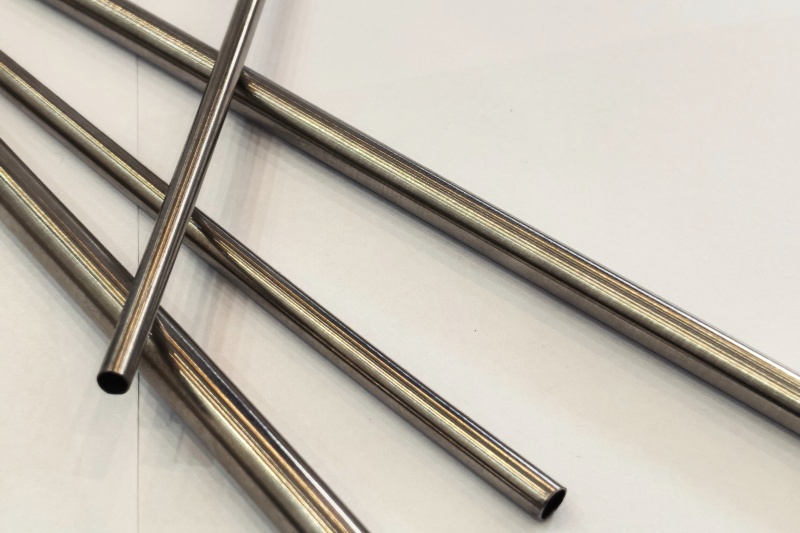
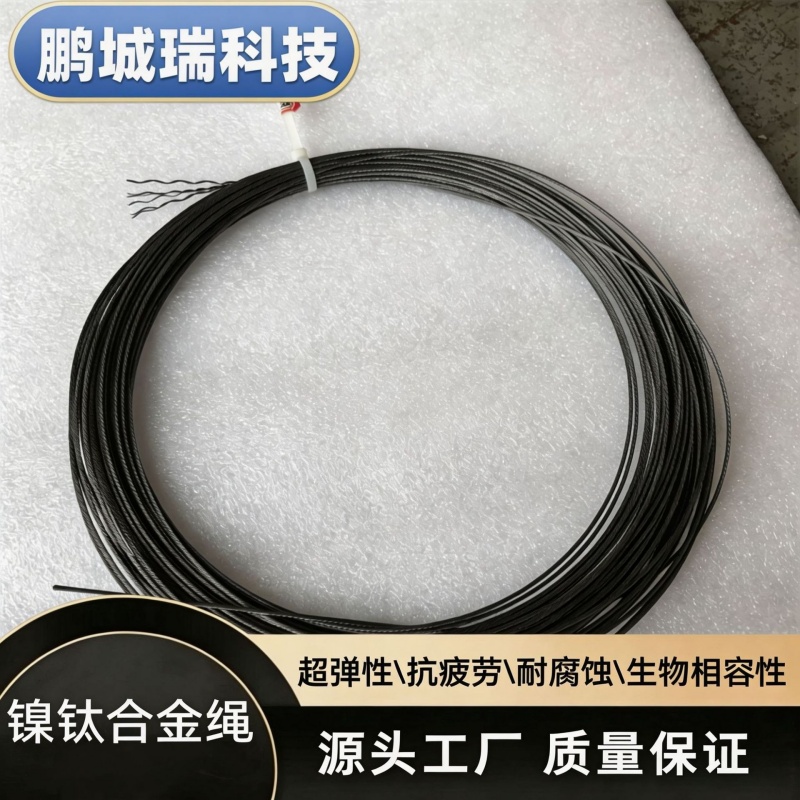
The response of Huizhou Pengchengrui Technology Co., Ltd. to such demands is very direct: starting from melting, we lock in the composition and phase transition temperature targets, go through the entire industry chain of forging, rolling, and drawing production and processing, and quality control runs through every link, so that every batch of wire, tube, plate, rod, and customized parts received by customers is delivered according to the same phase transition window. For customers who require thin-walled temperature control pipes, the wall thickness and tissue uniformity of the pipes should be achieved in one go during the drawing and shaping process; For customers who require temperature sensitive spring plates and compensation boards, the Af temperature of the board is directly customized according to the design conditions - in the world of passive components, material consistency is not a single line on the parameter table, but the only safety logic of the product.
From battery packs to energy storage plants, from fuel cells to wind turbine blades, nickel titanium alloys are moving "intelligence" back from code to metal itself. And the winner of this migration is always in the hands of the source manufacturer who can melt the finished product into a single chain.
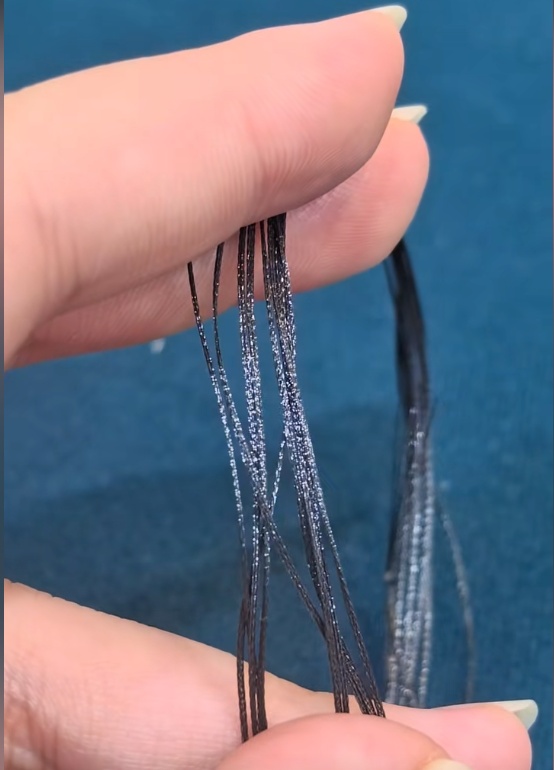
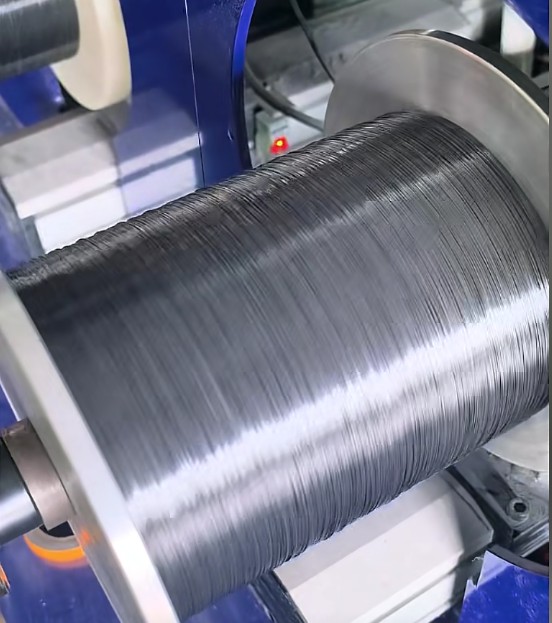
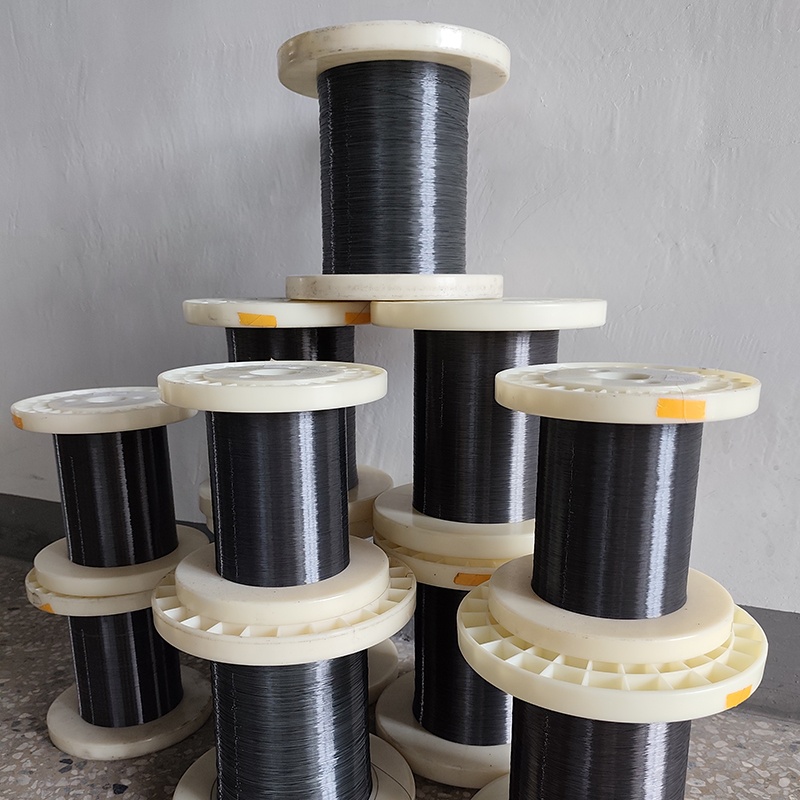
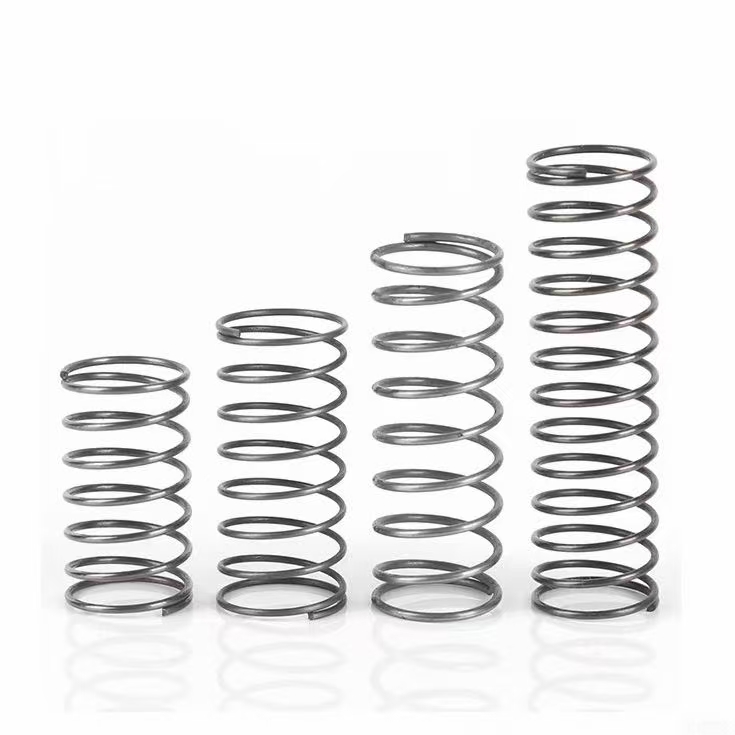
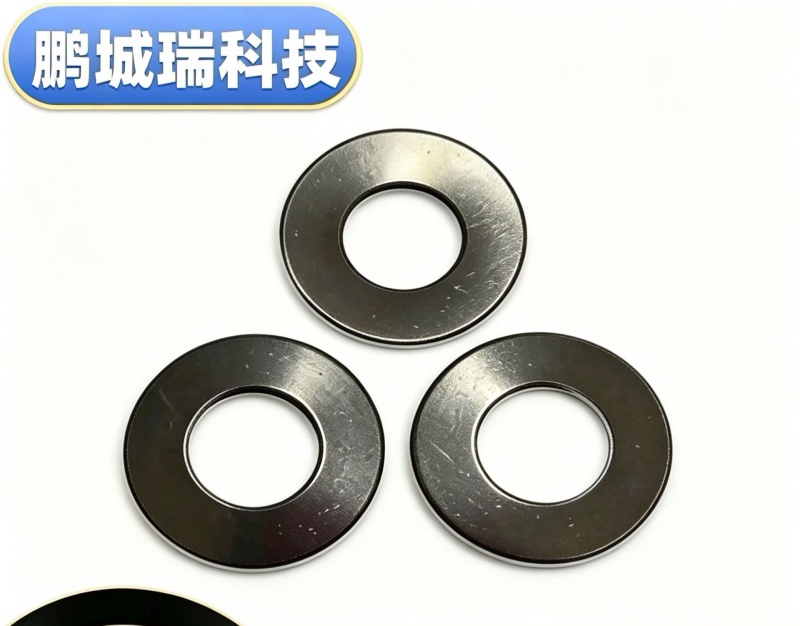


Nitinol
Seamless nickel titanium tube Nickel titanium fiber wire Nickel titanium plateApplication Area
Medical Industry New Energy Aerospace Machinery Manufacturing Marine Engineering Petrochemical IndustryContact Us
Contacts:Manager Wu +86 13632667260


 WeChat
 Call me
X