
 Chinese
 English
Service Hotline
+86 18948275773+86 13632667260


Nickel titanium alloy medical catheters play an important role in modern minimally invasive medicine due to their unique physical and biological properties, especially in interventional surgery. The following are its core features and application analysis:
1、 Core Features
Superelasticity: Nickel titanium alloy can deform under high stress and fully recover its original shape after unloading. This allows the catheter to maintain flexibility to adapt to the path through complex and curved blood vessels or pipelines in the human body, without permanent bending or bending, ensuring smooth arrival at the target location.
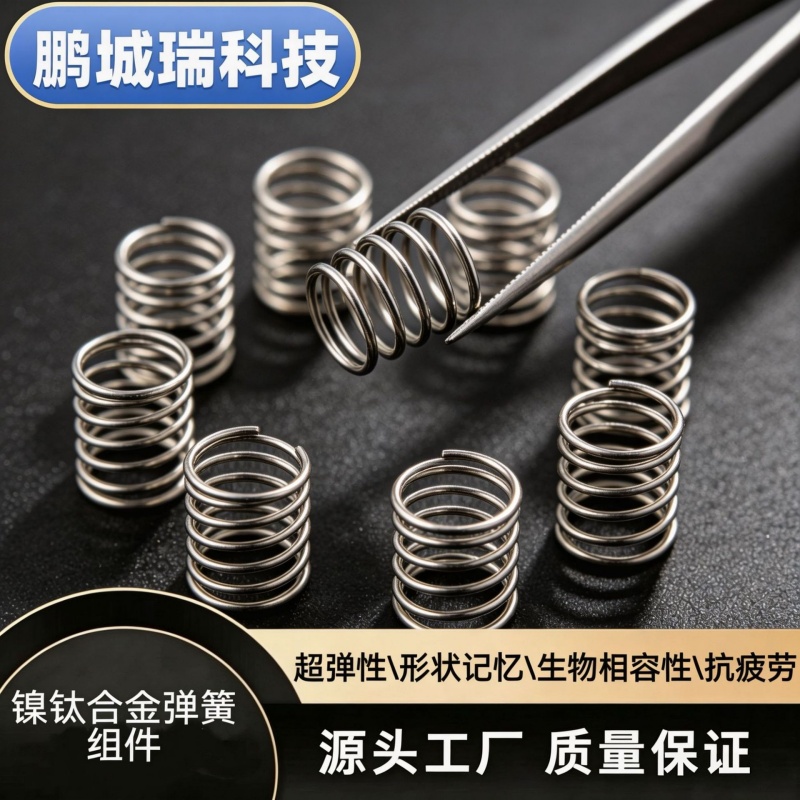
Shape memory effect: Materials can be shaped into specific shapes at low temperatures (such as compressed into small tubes), and when exposed to human body temperature (about 37 ℃), they will automatically return to their predetermined unfolded shape. This feature is commonly used in self expanding scaffolds or deformable stone baskets, grippers, and other instruments.
Biocompatibility and corrosion resistance: A stable titanium oxide film is formed on the surface of nickel titanium alloy, which not only improves the material's corrosion resistance, but also effectively reduces the release of nickel ions, thereby reducing stimulation and potential toxicity to human tissues. It is suitable for long-term implantation or use in the body for a long time.
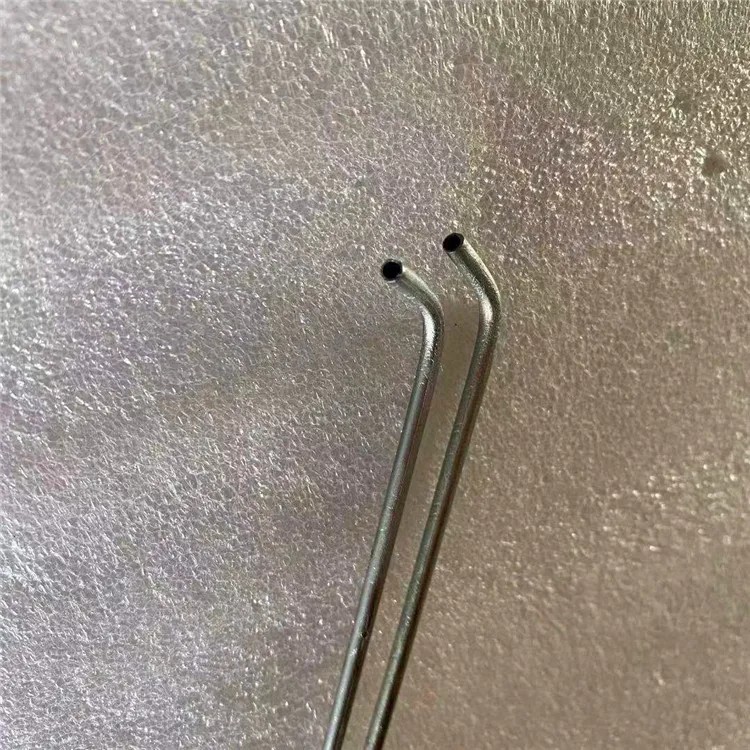
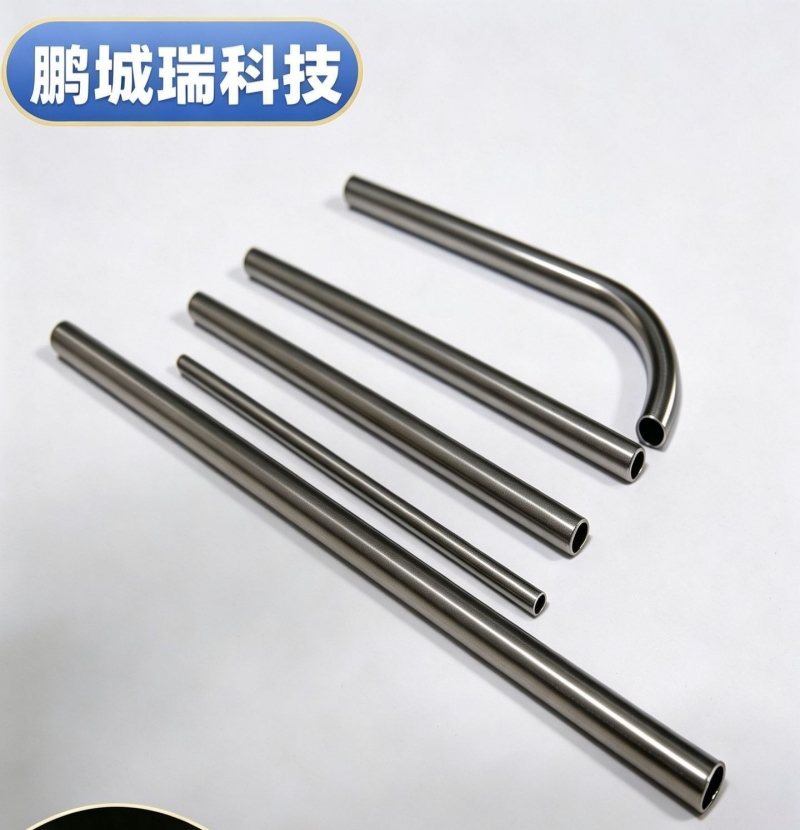
Nickel titanium alloy medical catheter
2、 Main medical applications
Cardiovascular and neurological intervention: This is the main application area of nickel titanium alloy catheters. For example, in stroke thrombectomy surgery, nickel titanium alloy thrombectomy stents or catheters can flexibly reach small blood vessels in the brain and unfold upon contact with body temperature, safely and effectively grasping and removing thrombi that block blood vessels. In cardiac ablation surgery, its excellent flexibility also enables the catheter to accurately reach specific locations inside the heart.
Digestive and urinary systems: In the treatment of gastrointestinal stenosis (such as esophagus, stomach, duodenum) or urinary system stones, nickel titanium alloy catheters or stents can smoothly pass through the stenosis site and reach the lesion for expansion or stone removal operations. Their flexibility and shape memory characteristics greatly improve the success rate and safety of the surgery.
Orthopedics and Dentistry: Although not entirely classified as "conduits", the superelasticity of nickel titanium alloys also enables their application in orthopedic bone plates, dental correction archwires, and other products, providing sustained and gentle correction or support.
3、 Can produce specifications
(1) Outer diameter and wall thickness:
·Ultra fine specifications: Extreme specifications with an outer diameter of less than 1mm, especially less than 0.35mm, are mostly used for micro interventional instruments, which are difficult to process and expensive.
·Conventional specifications: outer diameter 1-3mm, wall thickness usually ≥ 0.05mm, suitable for most interventional surgeries, such as vascular stent delivery, endoscopic structural components, etc
·Medium to large caliber: outer diameter>3mm, thick wall thickness, used for structural supports, support substrates, and other scenarios.
(2) Length:
·The length required for different surgeries varies greatly, with common lengths ranging from tens of centimeters to over 1 meter. For example, some catheter systems can reach lengths of up to 90cm or 135cm.
(3) Special specifications:
·Inner cavity diameter: Some catheters focus on inner cavity design, such as micro catheters with an inner cavity diameter of 0.017 inches, which are used to deliver therapeutic instruments such as spring coils and stents.
·Surface treatment: including black oxidation state, slight oxidation state, acid washing state, polishing state, etc. Different treatment methods affect the biocompatibility and performance of the catheter.
The above specifications are not fixed and may be adjusted in practical applications based on specific surgical needs, patient anatomy, and other factors. Meanwhile, with the development of medical technology, the specifications of nickel titanium alloy catheters are constantly being optimized and innovated.
The source factory has its own nickel titanium alloy smelting and deep processing production line, Pengchengrui in Huizhou, specializing in customized nickel titanium alloy pipes with a wall thickness range of 0.08mm to 4mm. Non standard sizes are produced according to demand, and the entire process is delivered in one stop. We can quickly quote and cooperate based on drawings.
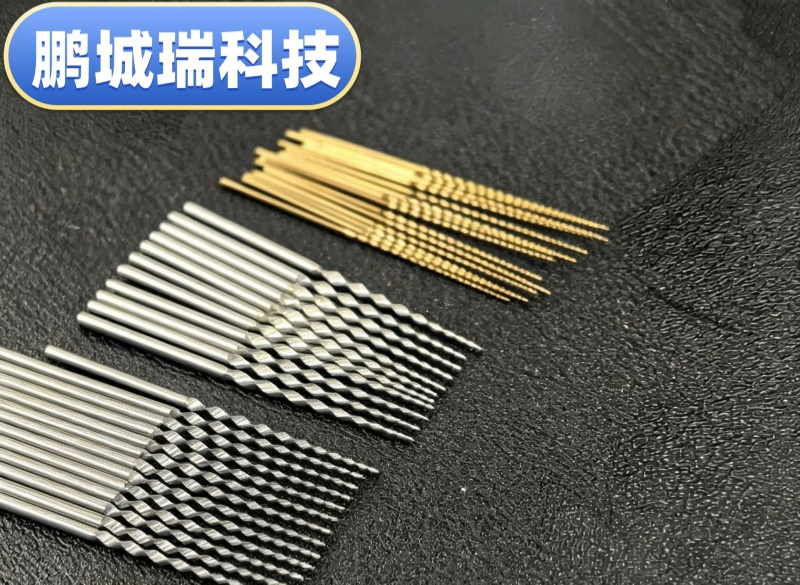
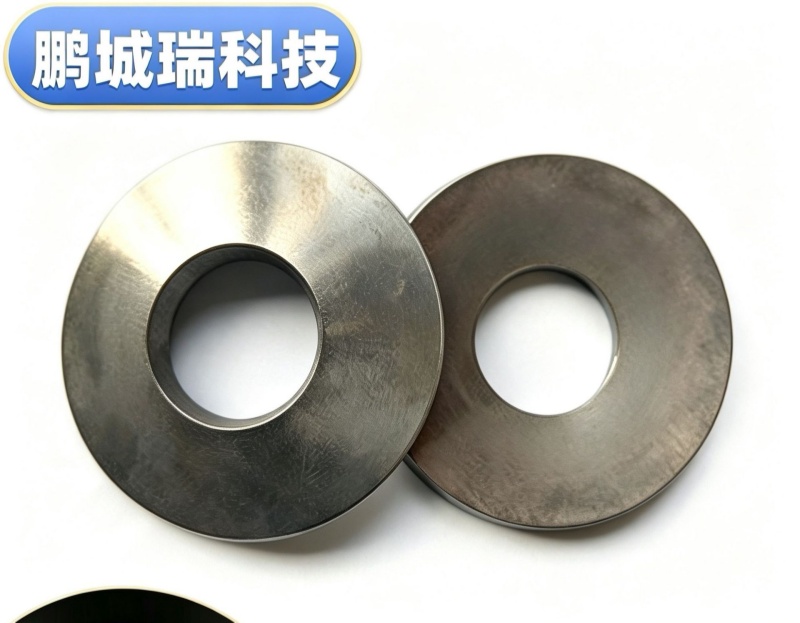
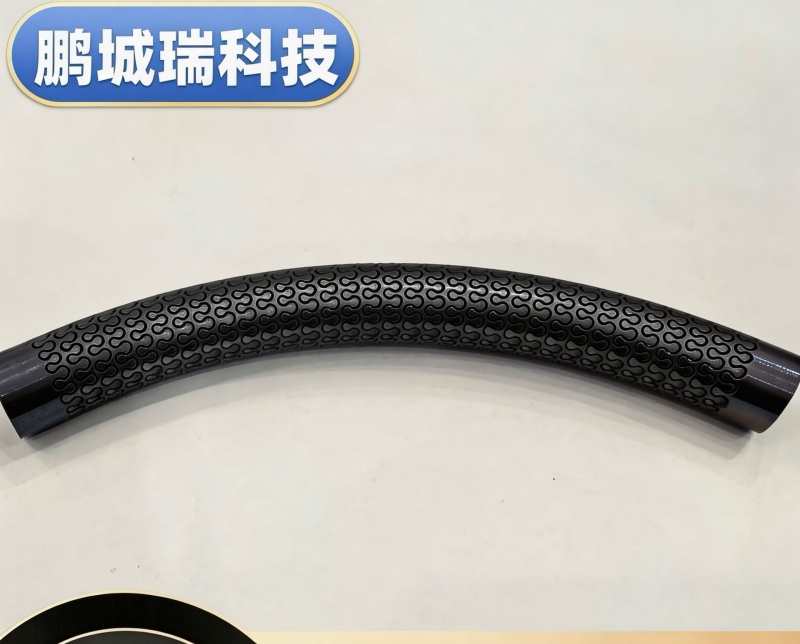
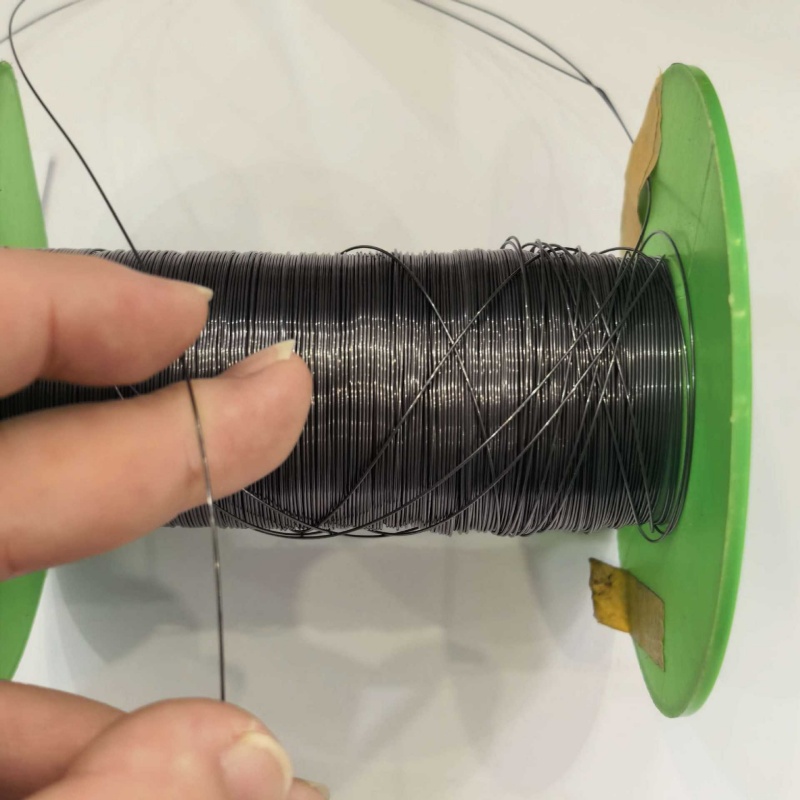
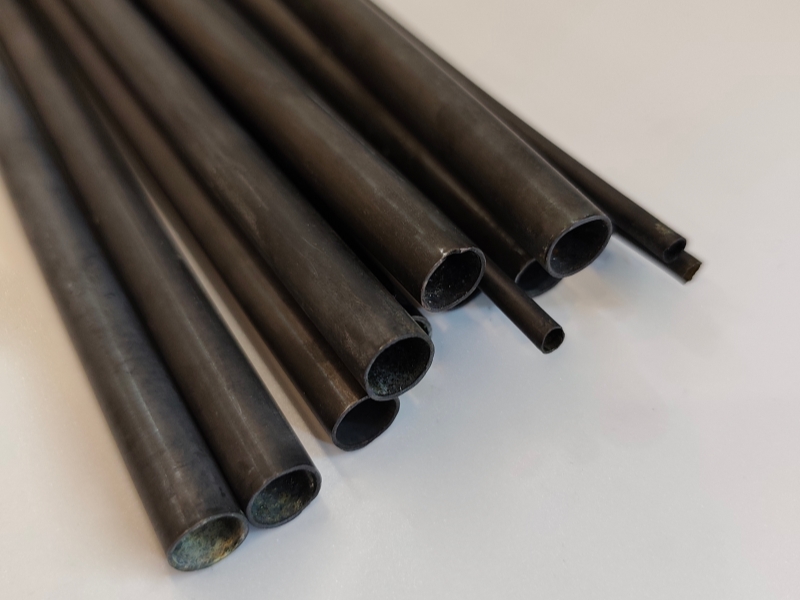
Nitinol
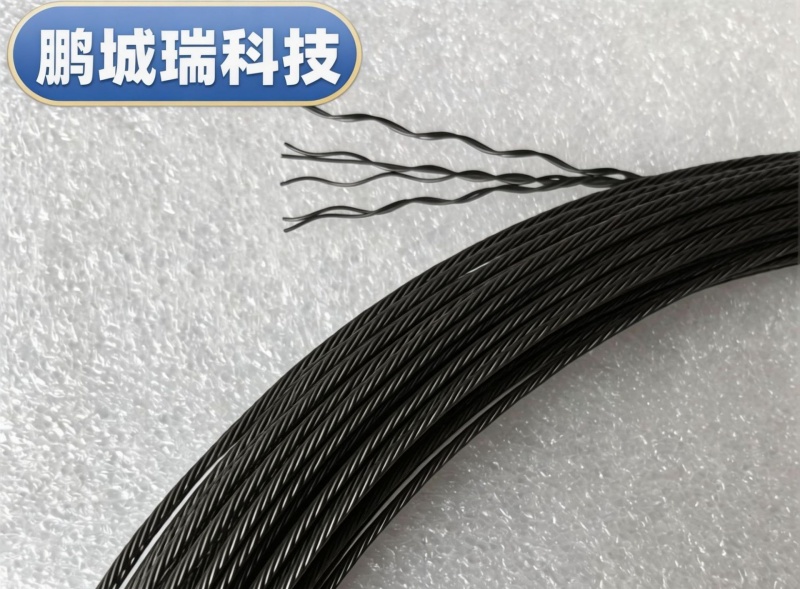
Seamless nickel titanium tube Nickel titanium fiber wire Nickel titanium plateApplication Area
Medical Industry New Energy Aerospace Machinery Manufacturing Marine Engineering Petrochemical IndustryContact Us
Contacts:Manager Wu +86 13632667260


 WeChat
 Call me
X