
 Chinese
 English
Service Hotline
+86 18948275773+86 13632667260



I. Core Features (Why Intervene with All Nickel-Titanium Guidewires)
Superelasticity: Maximum recoverable deformation of 6%, automatically rebounds after bending, can navigate complex vascular branches without plastic deformation
Shape Memory: The preset shape is restored at body temperature (37°C), ensuring the bent tip remains unchanged during surgery
Low stress hysteresis: Smooth torque transmission, precise rotational control, and minimal push resistance
MRI-compatible, corrosion-resistant, and biocompatible, meeting the mandatory medical standards ASTM F2063 / GB24627
Regular phase transition temperature Af: adjustable from 0 to 35°C, commonly used for medical guidewires with Af=25±2°C
II. Mainstream Specifications (Industry Dual Standards in Inches/MM)
1. Diameter (core wire material)
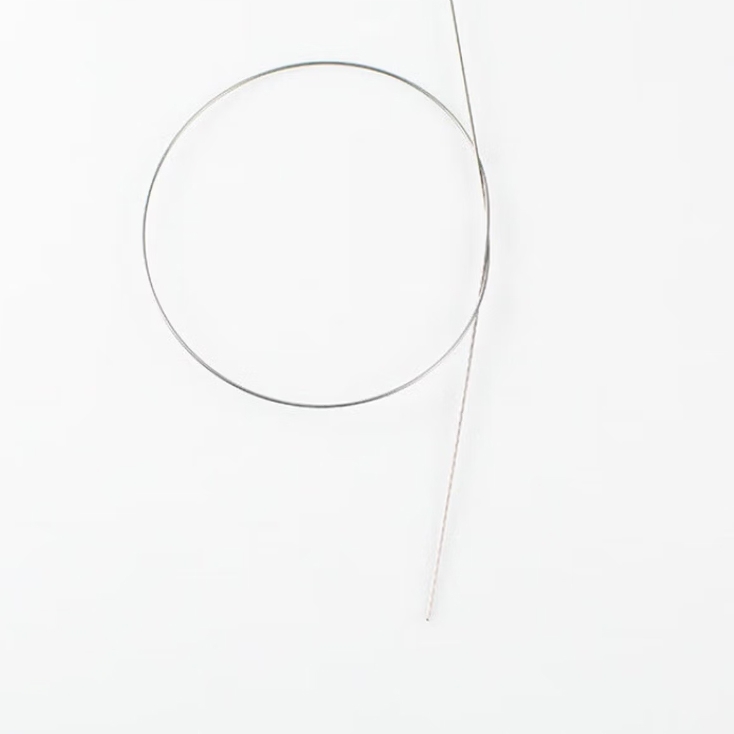
Ultrafine neuro/coronary microguidewires: 0.05~0.36 mm (0.002"~0.014")
Peripheral, Urological, and Gastrointestinal General Use: 0.43–0.89 mm (0.018"–0.035")
Coarse support guide wire: 1.0~1.5mm
Customizable tolerance of ±0.001mm for precision grade
2. Standard Length of Finished Guidewires
150cm, 180cm, 260cm, 300cm, with head types: soft head (Floppy), extra soft head (Extra Floppy), and hard support head
3. Surface treatment (essential for guide wire and core wire)
Bright electrolytic polishing: High-end coronary and neuro-interventional applications, with no oxide layer and easy hydrophilic coating adhesion
Light Oxidized Blue/Gold Film: Conventional Urological and Peripheral Guidewires, High Cost Performance
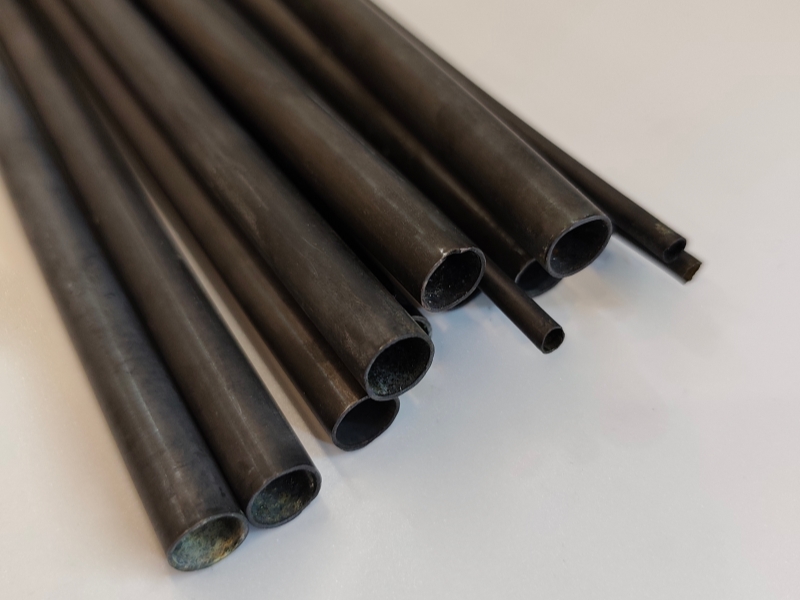
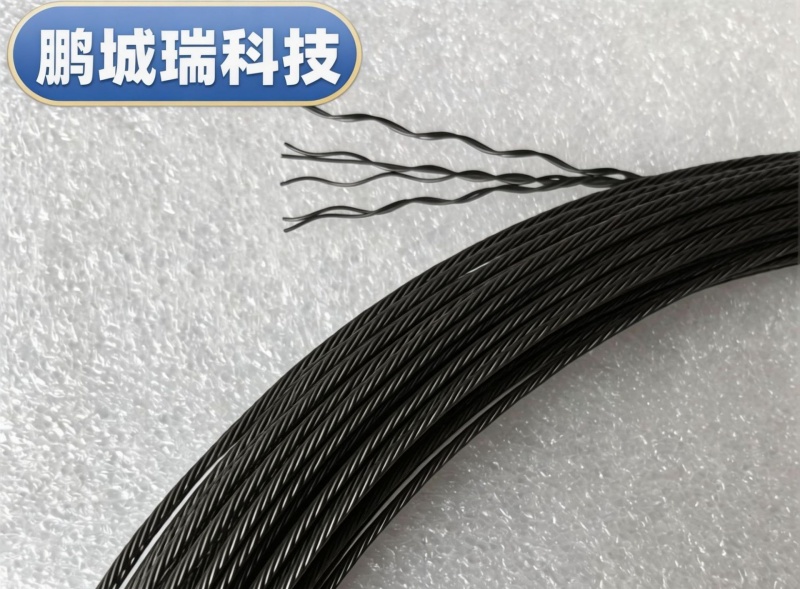
Black oxide scale: industrial test samples, non-implantable consumables
III. Clinical Application Classification
Coronary guidewire: 0.014" ultra-fine nitinol core with hydrophilic coating, used for coronary artery stenosis and PCI procedures
Neurointerventional guide wire: 0.008"~0.010" ultrafine wire, extremely low hardness, suitable for tortuous cerebrovascular pathways
Peripheral vascular guidewires: for lower limbs and carotid arteries, combining support force with flexibility
Ureteral guidewire: Strong bending and rebound for ureteral lithotripsy and nephrostomy
Digestive/Biliary Guidewires: ERCP, Bile Duct Dilation
Minimally invasive puncture guide wire: Biopsy and drainage channel establishment
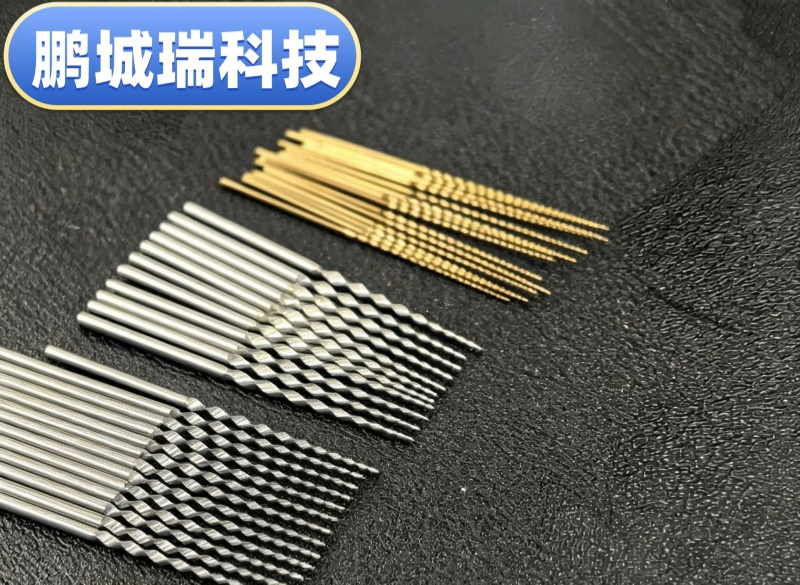
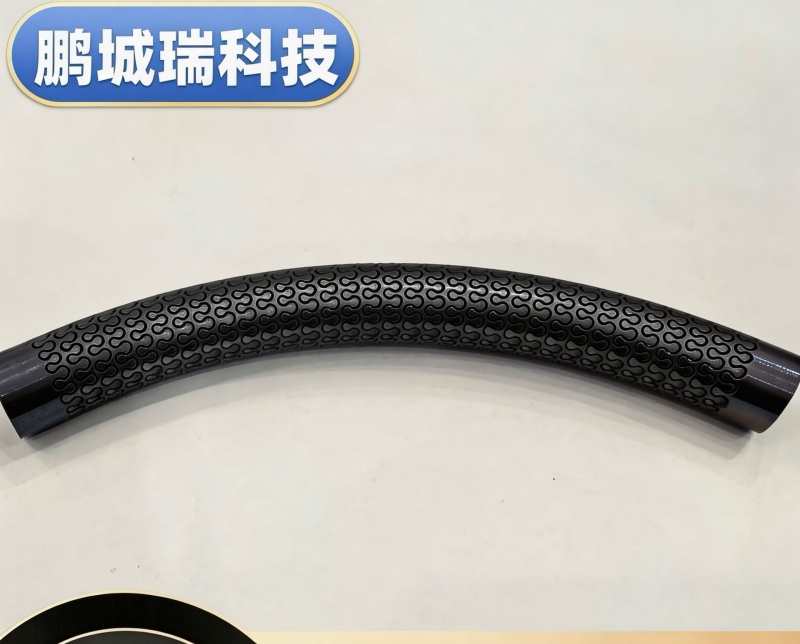
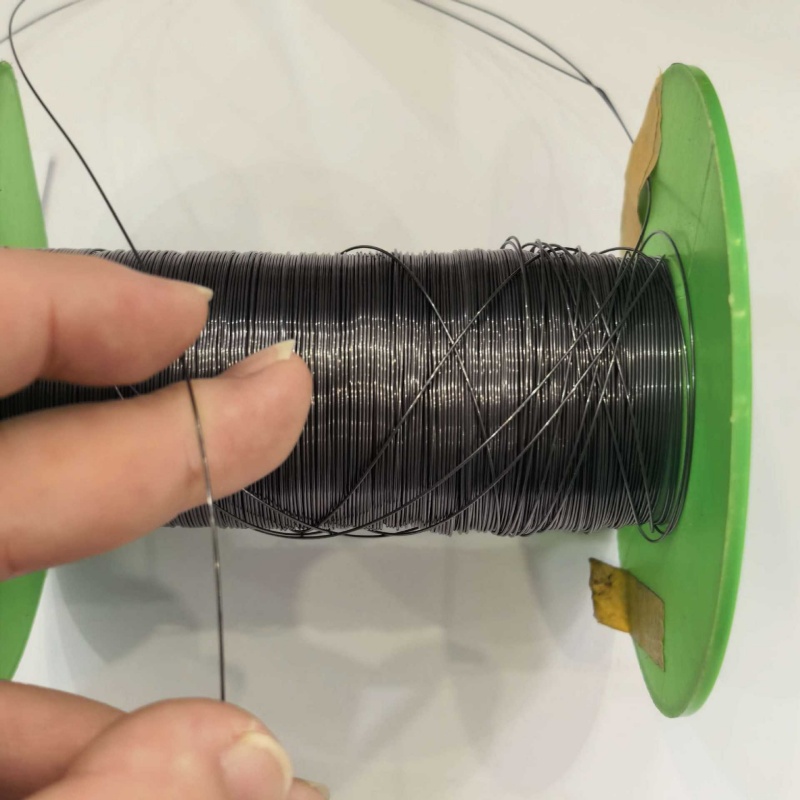
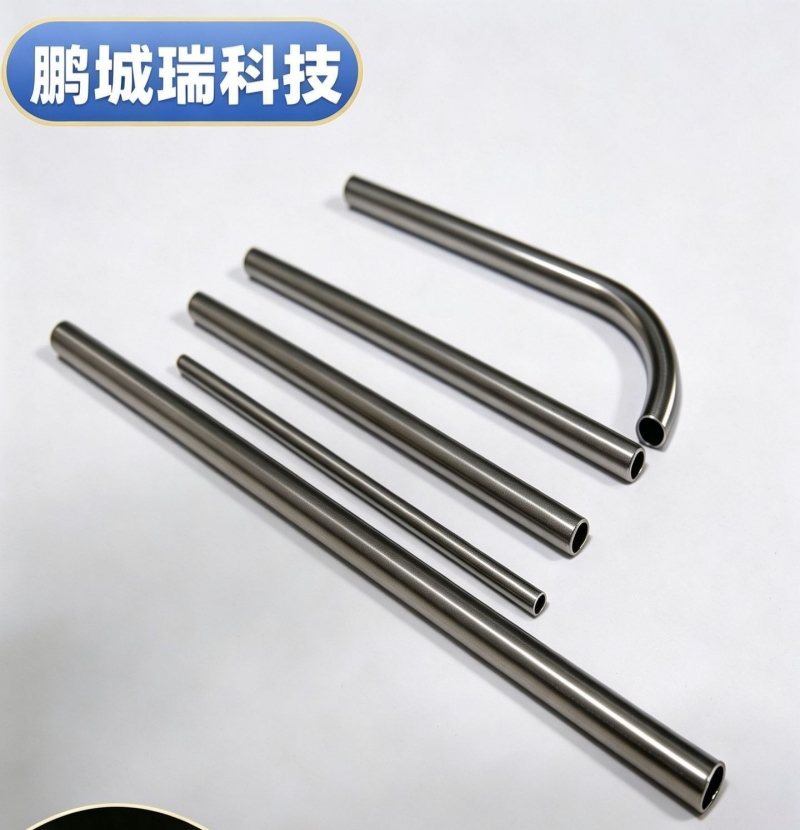
Huizhou Pengcheng Rui, guide wire length 0-1000mm, taper 0.1-0.05mm, specialized fine nickel-titanium guide wire, small samples available the same day.
Nitinol
Seamless nickel titanium tube Nickel titanium fiber wire Nickel titanium plateApplication Area
Medical Industry New Energy Aerospace Machinery Manufacturing Marine Engineering Petrochemical IndustryContact Us
Contacts:Manager Wu +86 13632667260


 WeChat
 Call me
X