
 Chinese
 English
Service Hotline
+86 18948275773+86 13632667260



Nitinol guide wire relies on its core advantages of super elasticity, shape memory, anti twisting, biocompatibility, and resistance to repeated bending, and is the basic channel consumable for minimally invasive interventional surgery. Its functions include opening up the cavity track, guiding the catheter/balloon/stent/thrombectomy instrument to reach the lesion, supporting narrow cavities, and intraoperative positioning and navigation.
1、 Cardiovascular intervention (largest application area, accounting for 61% of clinical usage)
(1)Coronary intervention (mainly using 0.014-inch ultra-fine nickel titanium guide wire)
Coronary heart disease PCI surgery: For angina pectoris and myocardial infarction with vascular stenosis/occlusion, a guide wire is first inserted through the stenosis to guide balloon dilation and coronary stent implantation.
CTO chronic total occlusion disease: Nickel titanium is resistant to bending and not easily twisted, and can overcome severe tortuous calcified occluded blood vessels. Stainless steel guide wires are prone to breakage.
Transcatheter valve surgery (TAVR/mitral valve repair): Specialized transvalvular nickel titanium guide wire, smooth and non damaging to the leaflets and chordae tendineae, assists in delivering the artificial valve for transvalvular positioning.
Room septum puncture: Nickel titanium high tensile, directly used as a track to deliver left atrial instruments after puncture, reducing the risk of air embolism.
(2)Peripheral vascular intervention (0.035-inch universal hydrophilic nickel titanium guidewire)
Lower limb arterial sclerosis occlusion: opening of iliac/femoral/popliteal arteries, guidance of lower limb stents and plaque rotation.
Aortic aneurysm, dissection, visceral aneurysm: Embolization coil, covered stent delivery track.
Renal artery stenosis and subclavian artery stenosis reconstruction surgery.
Dialysis arteriovenous fistula stenosis dredging and balloon dilation guidance.
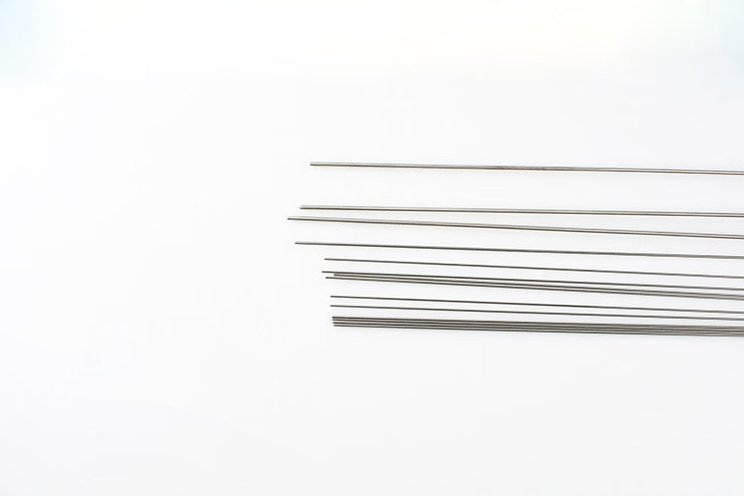
Nickel titanium alloy medical guide wire
2、 Neurointervention (intracranial fine surgery, 0.014/0.018-inch micro guide wire)
The intracranial blood vessels are extremely tortuous and slender, and nickel titanium superelasticity prevents vascular perforation, making it the only mainstream guide wire for nerve intervention:
Acute ischemic stroke: thrombectomy stent and thrombus aspiration catheter navigation are used to reach intracranial occluded vessels through the internal carotid artery.
Cerebral aneurysm and cerebral arteriovenous malformation (AVM): guided embolization of microcatheters and coil occlusion of the tumor.
Cerebral vascular stenosis: intracranial stent and balloon dilation delivery.
Carotid endarterial intervention and intracranial tumor feeding artery embolization.
3、 Urology (represented by loach guide wire, standard configuration of hydrophilic nickel titanium guide wire)
The lumen is curved, the mucosa is fragile, and nickel titanium passes smoothly through the narrow segment of the ureter without creases:
Ureteroscopy lithotripsy (URS) and percutaneous nephrolithotomy (PCNL): Establish an operating channel to guide endoscopy and laser fiber to reach the stone.
Placement and removal of ureteral stent (double-J tube); Ureteral stenosis and dilation.
Renal pelvis formation, urethral stricture dilation, and difficult catheterization guidance.
Retrograde intrarenal surgery (RIRS) and establishment of drainage channels for renal hydronephrosis.
4、 Digestive/Hepatobiliary Intervention
ERCP pancreaticobiliary surgery: duodenal papilla catheterization, guided biliary stent, stone basket, balloon dilation for common bile duct stenosis.
Esophageal/gastrointestinal stenosis: Navigation for the placement of esophageal stents and intestinal obstruction stents.
Percutaneous transhepatic cholangiography (PTCD): After puncture, a nickel titanium guide wire is used to open up the biliary tract channel and a drainage tube is inserted.
5、 Gynecology&Reproductive Intervention
Tubal unblocking and recanalization surgery, minimally invasive recanalization guide wire.
Uterine artery embolization for uterine fibroids and adenomyosis, guided by embolization catheter.
Separation of intrauterine adhesions and guidance of hysteroscopic operation channels.
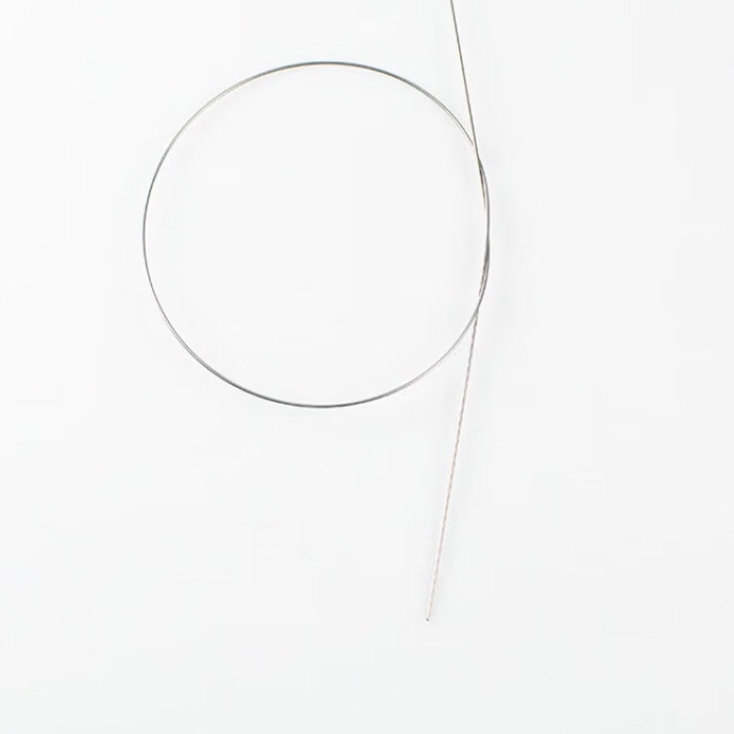
Nickel titanium alloy medical guide wire
6、 Other minimally invasive specialty applications
Respiratory intervention: Balloon dilation of airway stenosis under bronchoscopy and placement of airway stent.
Orthopedic intervention: Vertebroplasty (PKP/PVP), lower limb bone tumor blood supply artery embolization.
Tumor intervention: Whole body solid tumors (liver cancer, lung cancer, kidney cancer) are treated with arterial chemoembolization (TACE), and nickel titanium guide wires are used to precisely reach the tumor's blood supply vessels through multiple branching vessels.
7、 General clinical core role of nickel titanium guide wire
Track guidance: The catheter, balloon, stent, thrombectomy, and embolization instruments smoothly reach the lesion along the guide wire;
Narrowing support: Temporarily open the occluded/narrowed cavity to prevent collapse of the cavity during instrument advancement;
Safe shaping: Restore the preset curvature at body temperature, adapt to the natural bending anatomy of the human body, and reduce vascular/mucosal tearing;
Intraoperative imaging positioning: Platinum iridium imaging ring at the head end, fully visible under X-ray, accurately determining the position;
Reduce complications: Compared to stainless steel guide wires, the risk of tangling, perforation, and vascular intimal injury is reduced by more than 60%.
8、 Common specifications correspond to scenarios
0.014in: Coronary artery and nerve intervention micro guide wire;
0.018 in: intracranial microinvasion, small peripheral blood vessels;
0.035in: Universal for urinary, hepatic, biliary, peripheral vascular, and tumor intervention (mainstream specification of loach guide wire).
Huizhou Pengchengrui supplies nickel titanium alloy medical guide wires, with customizable lengths ranging from 0-1000mm and wire taper intervals of 0.05-0.1mm. We support customized processing based on customer drawings.
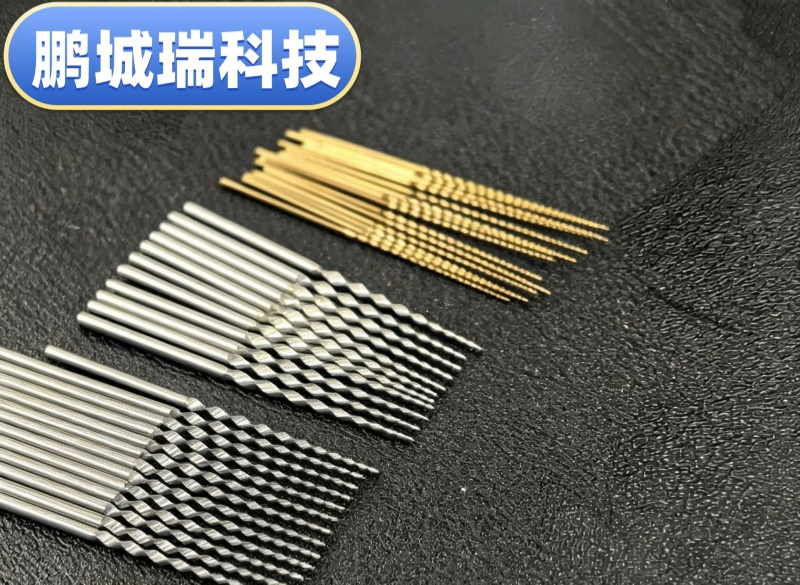
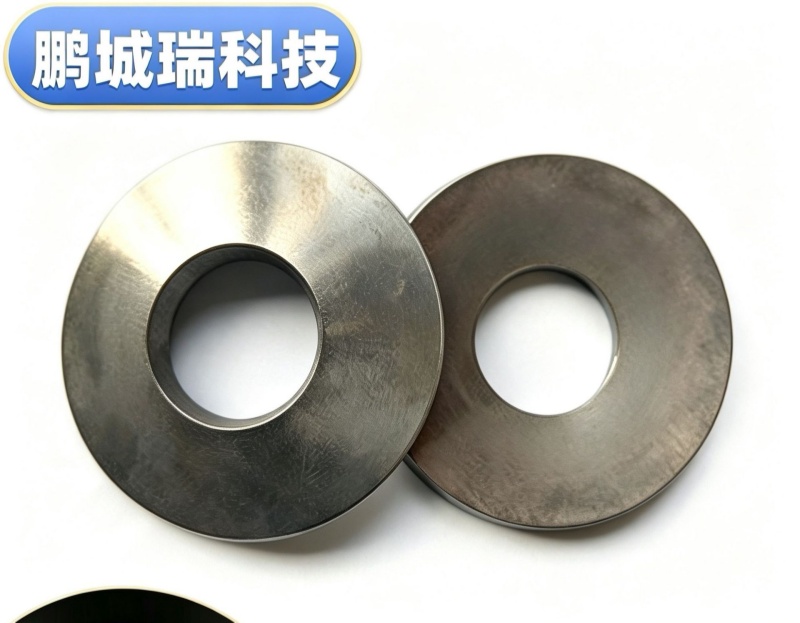
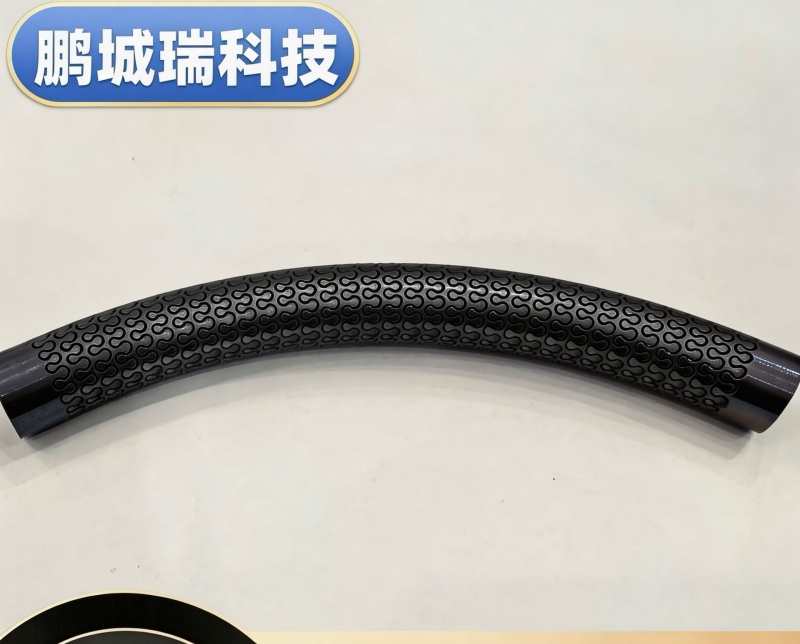
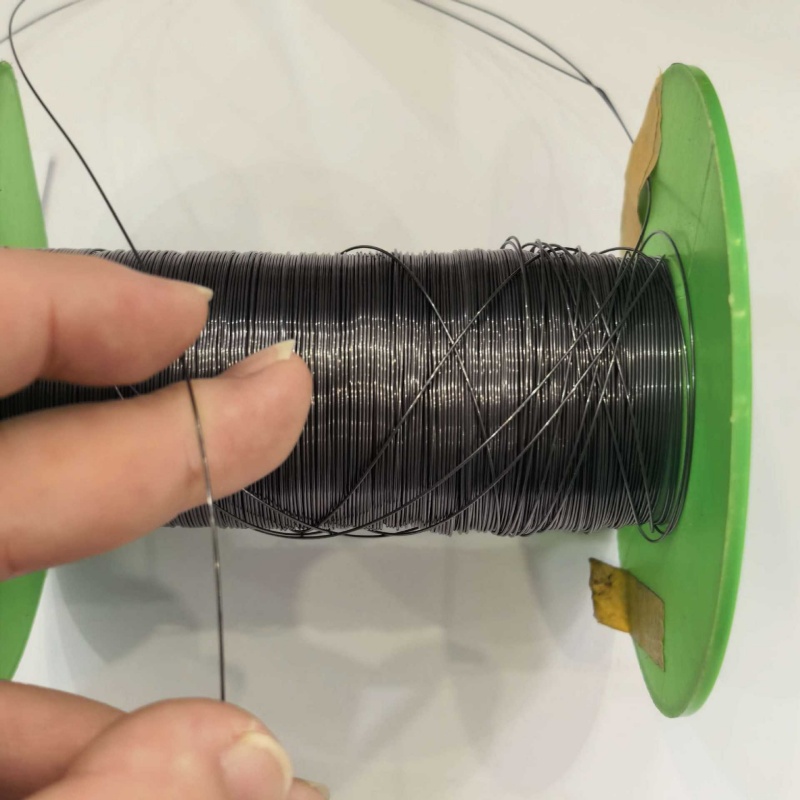
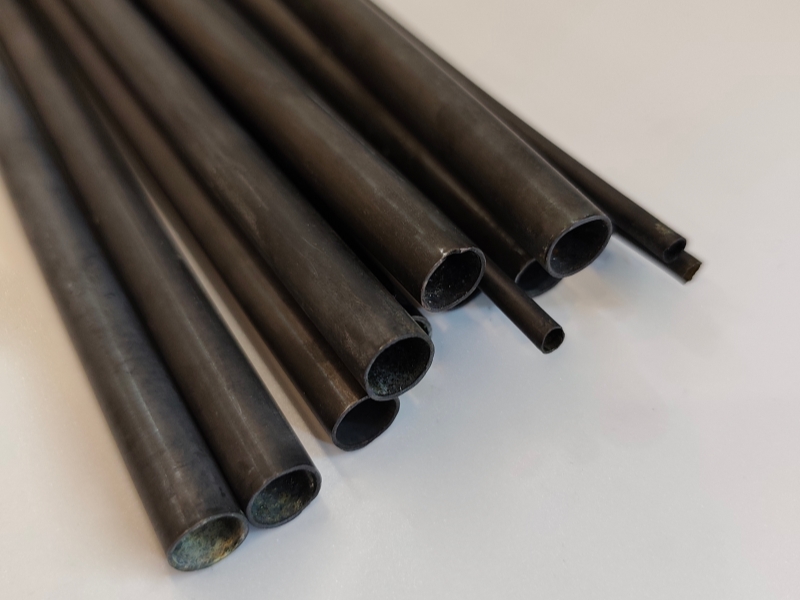
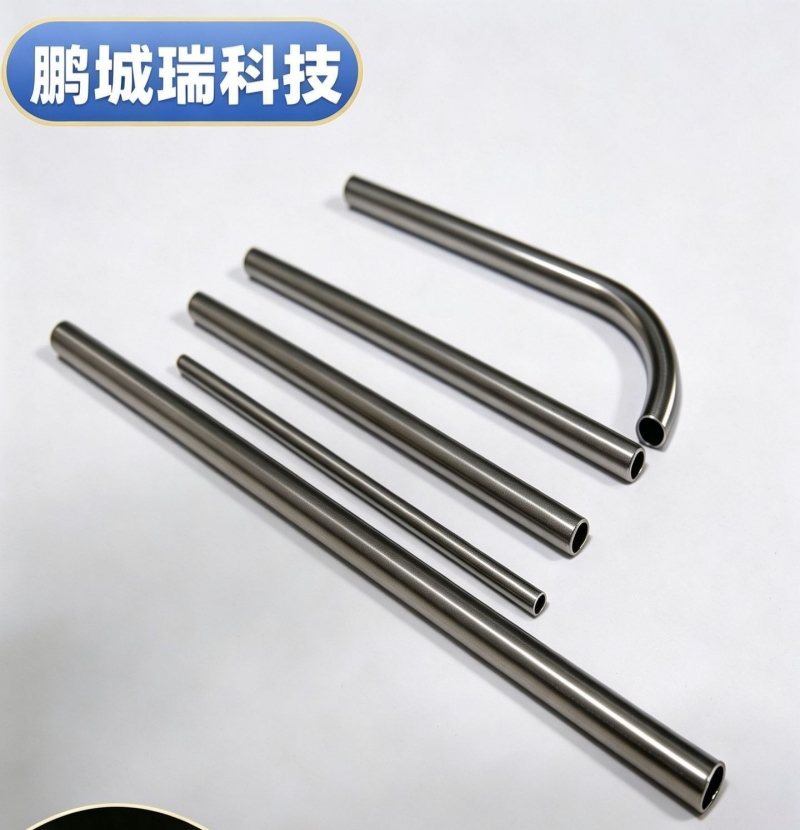
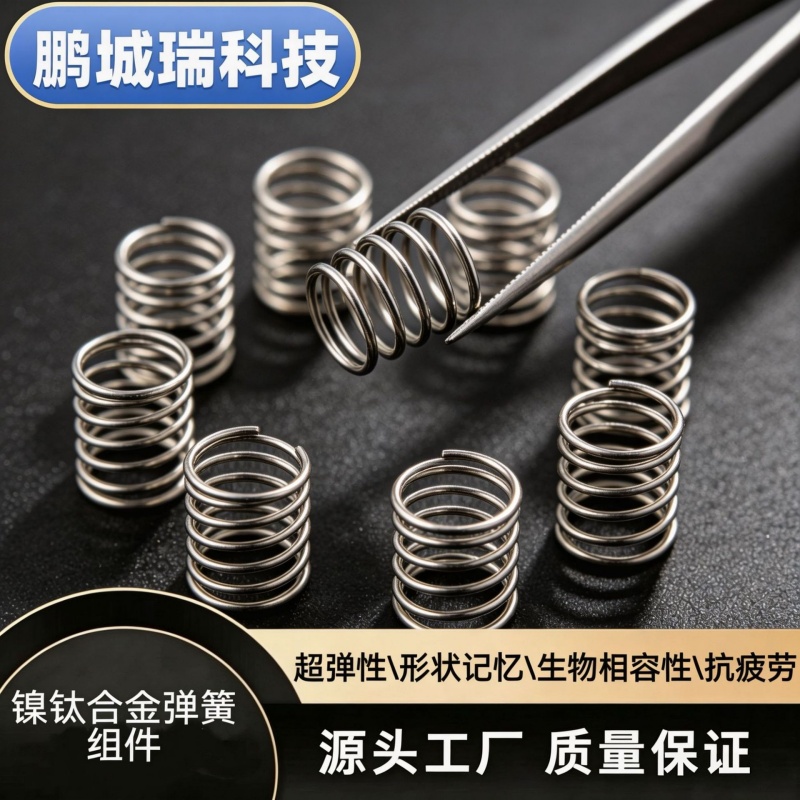
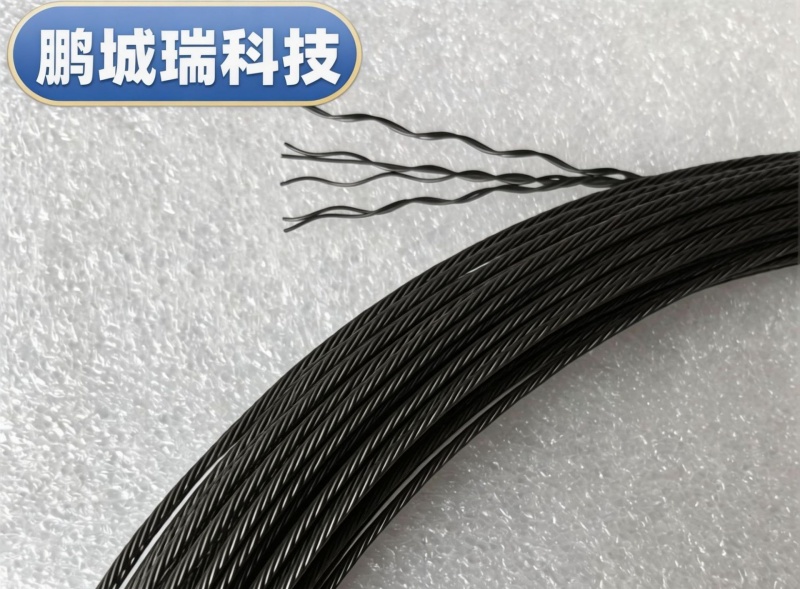
Nitinol
Seamless nickel titanium tube Nickel titanium fiber wire Nickel titanium plateApplication Area
Medical Industry New Energy Aerospace Machinery Manufacturing Marine Engineering Petrochemical IndustryContact Us
Contacts:Manager Wu +86 13632667260


 WeChat
 Call me
X