
 Chinese
 English
Service Hotline
+86 18948275773+86 13632667260


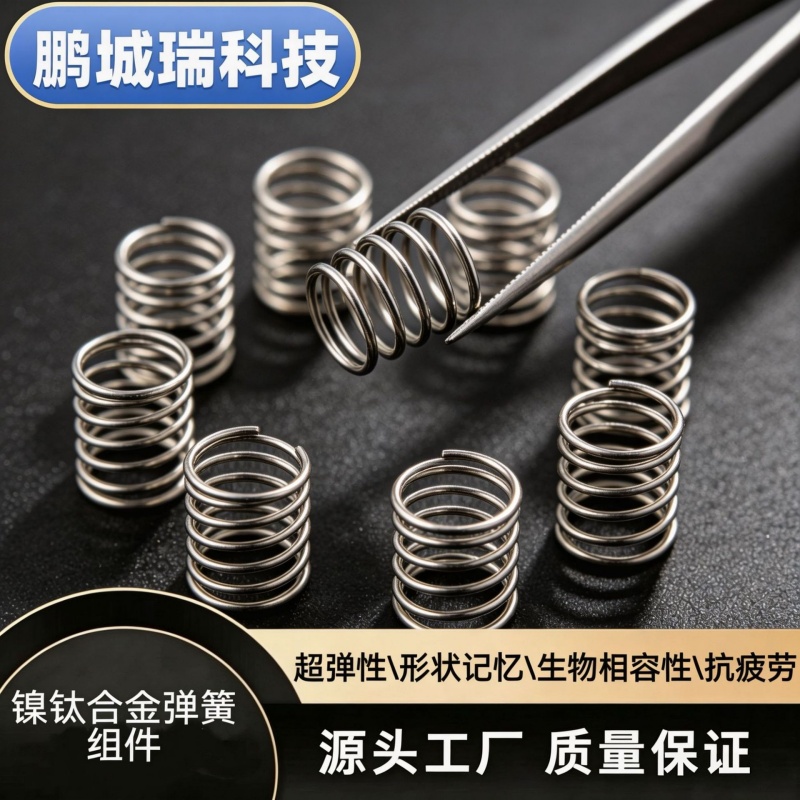
The core of nickel titanium spring processing is precision winding, shaping heat treatment, and phase change temperature control. The difficulty lies in balancing the superelasticity/memory effect with dimensional accuracy, as well as issues such as tool wear, rebound, and phase change drift. Below is a systematic explanation from five aspects: materials, process flow, key parameters, difficult countermeasures, and quality control standards.
1、 Material foundation
Composition: Nickel atomic ratio of 50.5% -51.2%, with the remainder being titanium; Trace impurities (C, O, N) are strictly controlled, and the oxygen content is less than 500ppm.
Status: Commonly used wire material (wire diameter 0.1-2.0mm), requiring solution treatment (water cooling at 800-850 ℃) to obtain a uniform austenite structure.
Core features:
Shape memory: Low temperature (martensitic) deformation → Heating to Af (austenite termination temperature) → Restoring original shape.
Superelasticity: Room temperature stable austenite, capable of recovering strain up to 6% -8% (steel only 0.2%).
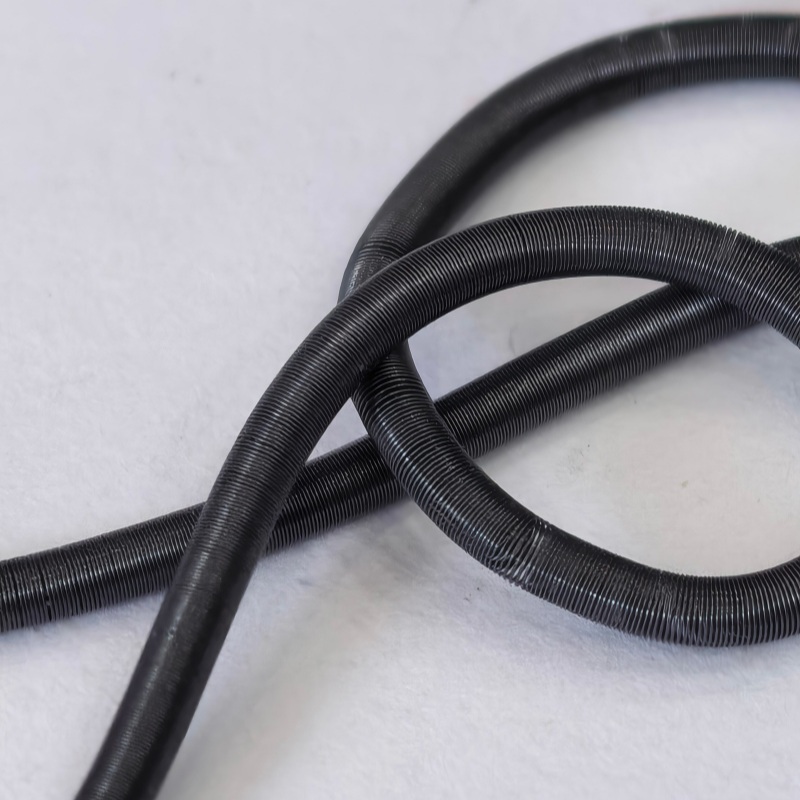
Nickel titanium spring processing
2、 Standard process flow
1. Raw material pretreatment
Solid solution: 800-850 ℃ × 15-30min, water cooling, stress relief, uniform structure.
Surface treatment: electrolytic polishing/acid washing, removal of oxide scale, Ra≤0.8μm。
2. Precision winding forming (cold winding)
Equipment: Special CNC spring machine (accuracy ± 0.01mm), equipped with wear-resistant tungsten steel or diamond cutting tools.
Key parameters:
The winding ratio D/d=4-8 (D diameter, d diameter), too small is prone to cracking, and too large is unstable.
Winding temperature<60 ℃, prevent premature phase transition; The speed is 500-1500rpm, and the tension is stable.
According to the diagram, the number of turns, pitch, and free length have a tolerance of ± 0.02-0.1mm.
Difficulties: large rebound, sticking to the knife, size drift; Countermeasures: small feed rate, strong cooling, specialized coated cutting tools.
3. Fixed heat treatment (memory setting, most importantly)
Clamping: Fixed with stainless steel core rod and fixture to prevent heating deformation.
Process (vacuum/argon protection, oxidation prevention):
1. Heating up: to 420-480 ℃ (commonly 450 ℃).
2. Insulation: 15-60 minutes (the longer the wire diameter, the longer the time).
3. Cooling: Slowly cool with the furnace to room temperature and fix the austenite shape.
Phase transition temperature control:
Af (reply temperature): 40-60 ℃ (medical commonly used 37 ℃, industrial commonly used 50 ℃).
Fine tuning: ± 10 ℃ can be adjusted slightly by temperature/time; For every 0.1% increase in Ni content, Af decreases by approximately 5 ℃.
4. Post processing
Deburring: Ultrasonic cleaning, slight sandblasting (medical prohibition).
Electrolytic polishing (essential for medical use): Ra ≤ 0.2 μ m, enhances corrosion resistance and biocompatibility.
Disinfection (medical): Ethylene oxide (EtO), avoid high temperature and high pressure (which will change the phase transition temperature).
5. Detection and Sorting
Dimensions: Three coordinate/CMM, measure the center diameter, pitch, free length, and perpendicularity.
Phase transition temperature: DSC differential scanning calorimetry, measure As/Af/Ms/MF.
Mechanics: Tensile/compressive testing, hyperelastic recovery rate ≥ 98%, fatigue ≥ 10 ⁴ cycles.
Surface: Microscopic examination shows no cracks, peeling, or scratches.
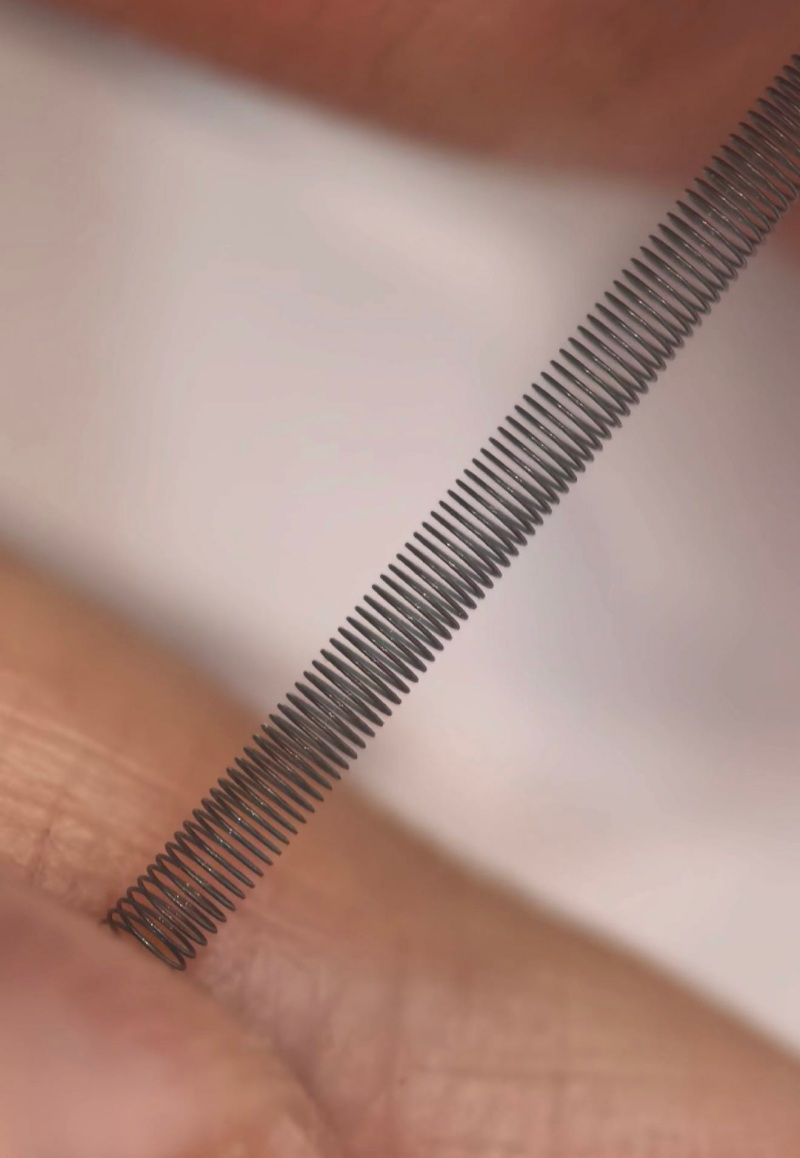
Nickel titanium spring processing
3、 Difficulties and Countermeasures in Processing
1. Fast tool wear: nickel titanium adhesive tool, work hardening; Countermeasures: Tungsten steel/diamond cutting tools, low speed, strong cooling, coating (TiN/DLC).
2. Rebound and dimensional instability: rebound after winding due to superelasticity; Countermeasures: Over winding compensation (3% -5%), precision tension control, low-temperature winding.
3. Phase transition temperature drift: Heat treatment fluctuations affect Af; countermeasures: vacuum/atmosphere protection, temperature control accuracy ± 5 ℃, DSC batch by batch sampling.
4. Poor surface quality: prone to oxidation and peeling; Countermeasures: electrolytic polishing, protective atmosphere heat treatment, dust-free environment.
5. Insufficient fatigue life: microcracks causing fracture; Countermeasures: Reduce surface roughness, control inclusions, and optimize heat treatment.
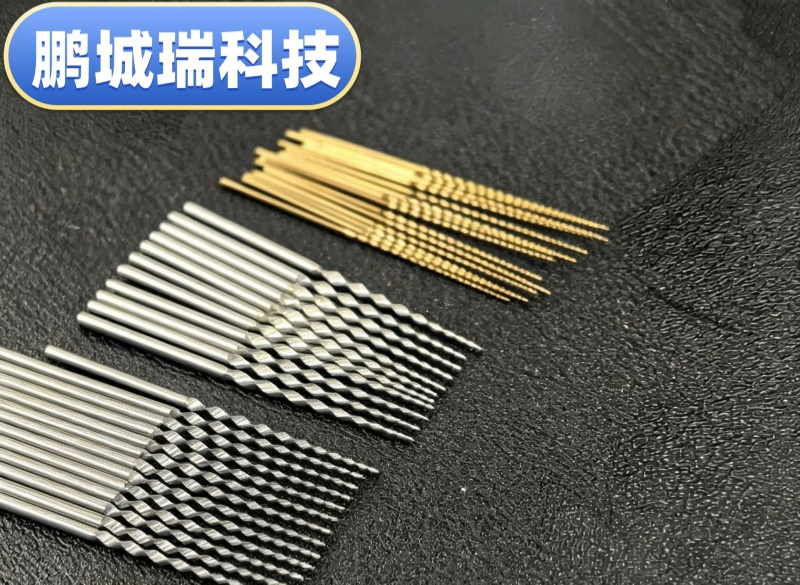
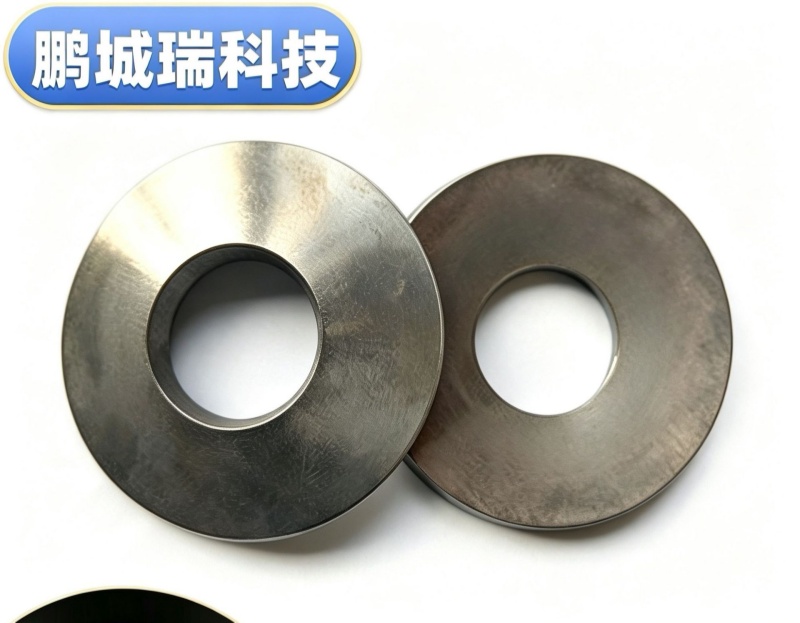
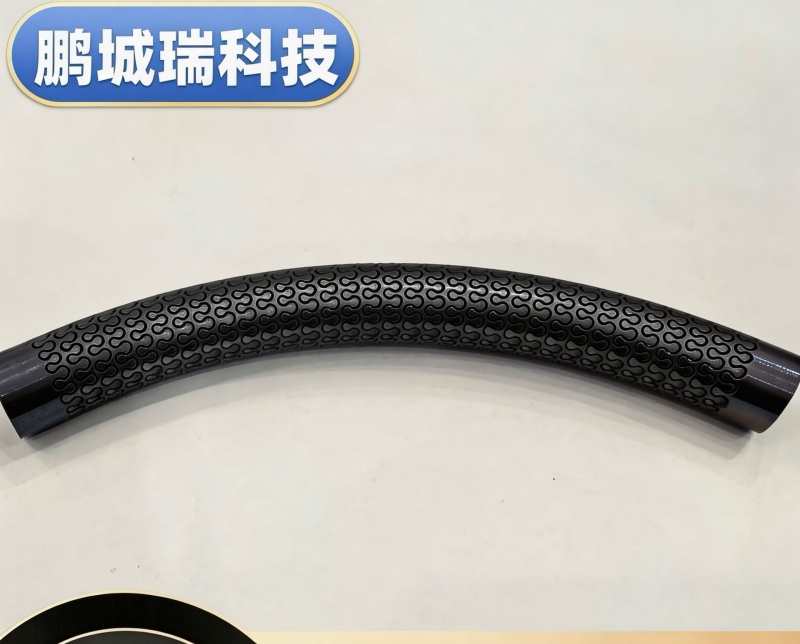
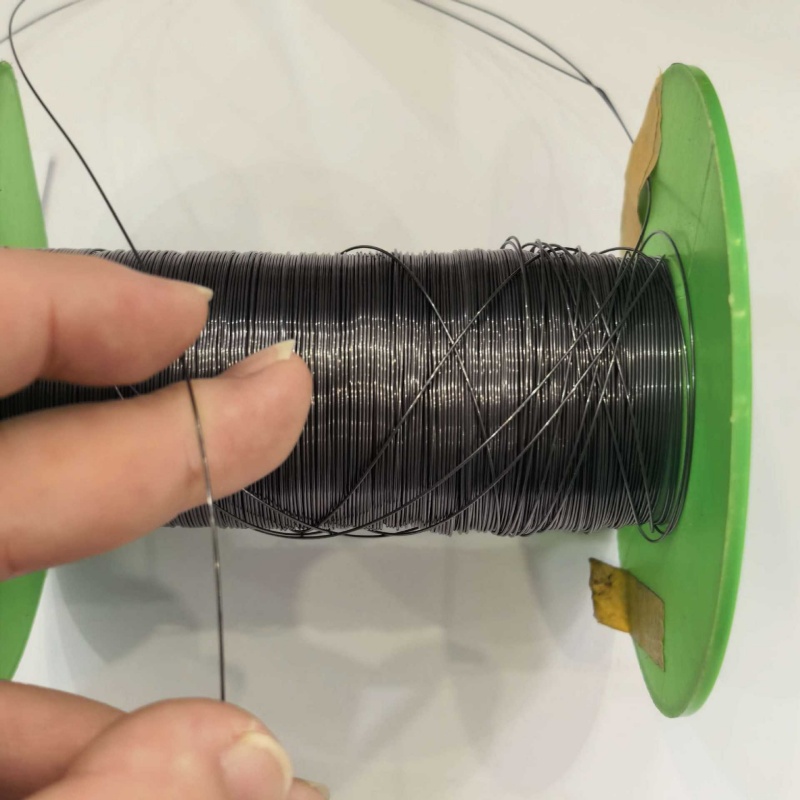
Source factory, self owned nickel titanium alloy smelting and deep processing production line, Pengchengrui in Huizhou, professional nickel titanium alloy spring processing, non-standard size on-demand production, one-stop delivery of the whole process, quick quotation cooperation based on drawings.
Nitinol
Seamless nickel titanium tube Nickel titanium fiber wire Nickel titanium plateApplication Area
Medical Industry New Energy Aerospace Machinery Manufacturing Marine Engineering Petrochemical IndustryContact Us
Contacts:Manager Wu +86 13632667260


 WeChat
 Call me
X