
 Chinese
 English
Service Hotline
+86 18948275773+86 13632667260


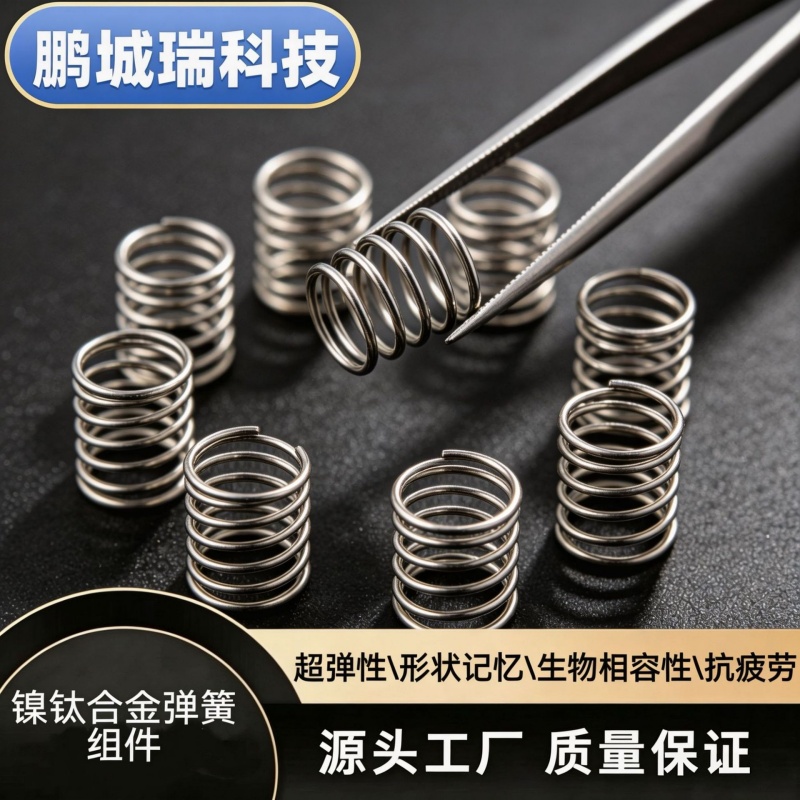
NiTi (Nitinol) vascular stent is a mainstream product of self expanding medical intervention stent. Relying on the unique shape memory and super elasticity of nickel titanium memory alloy, it is the preferred implant consumable for peripheral blood vessels, cerebral blood vessels, and venous stenosis, which is different from the commonly used stainless steel/cobalt chromium stent for coronary balloon dilation.
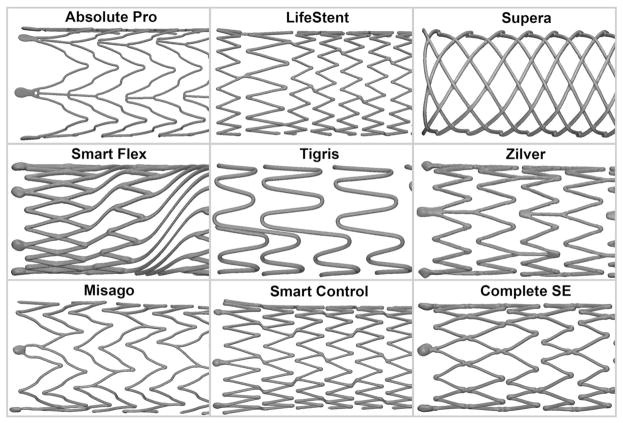
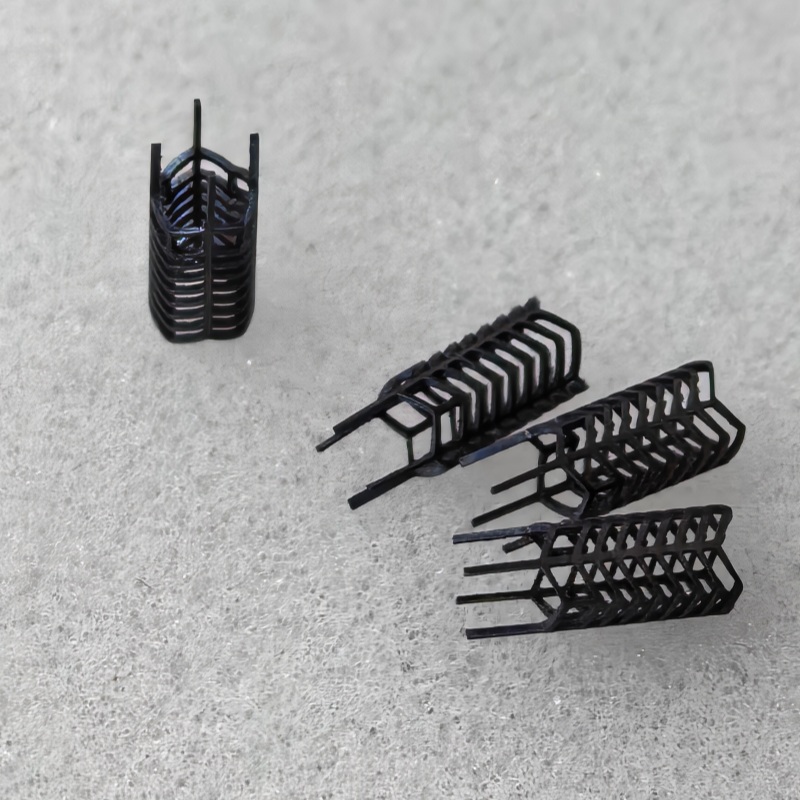
Different mesh nickel titanium stent styles
1、 Basic materials and core physicochemical properties
Nickel titanium alloy is melted with a ratio of nickel 54.5%~56.5% and titanium 43.5%~45.5%. Medical grade impurities are strictly controlled to be less than 0.15%. The two core properties determine the working principle of the bracket:
1. Shape memory effect
Low temperature (<32 ℃) compression and bundling of the bracket into a thin tube; After being placed in a body temperature environment of 37 ℃, the material undergoes phase change and automatically returns to the factory preset diameter, without the need for high-pressure balloon dilation to open narrow blood vessels (self expanding nature). The phase change temperature Af is precisely controlled at 28-32 ℃ to adapt to human body temperature.
2. Super elasticity
It can withstand 8% to 10% of super large deformation and fully rebound (stainless steel only 0.2%), continuously deform with the heartbeat and vascular bending, resist fatigue for a long time, and withstand billions of vascular pulsations without failure, conforming to the natural physiological deformation of blood vessels.
3. Auxiliary advantages
Excellent resistance to body fluid corrosion and biocompatibility; After surface passivation treatment, nickel ion precipitation is extremely low, significantly reducing the risk of sensitization and tissue irritation.
2、 Classification of bracket structures (two mainstream processes)
1. Laser cutting bracket (single tube hollow)
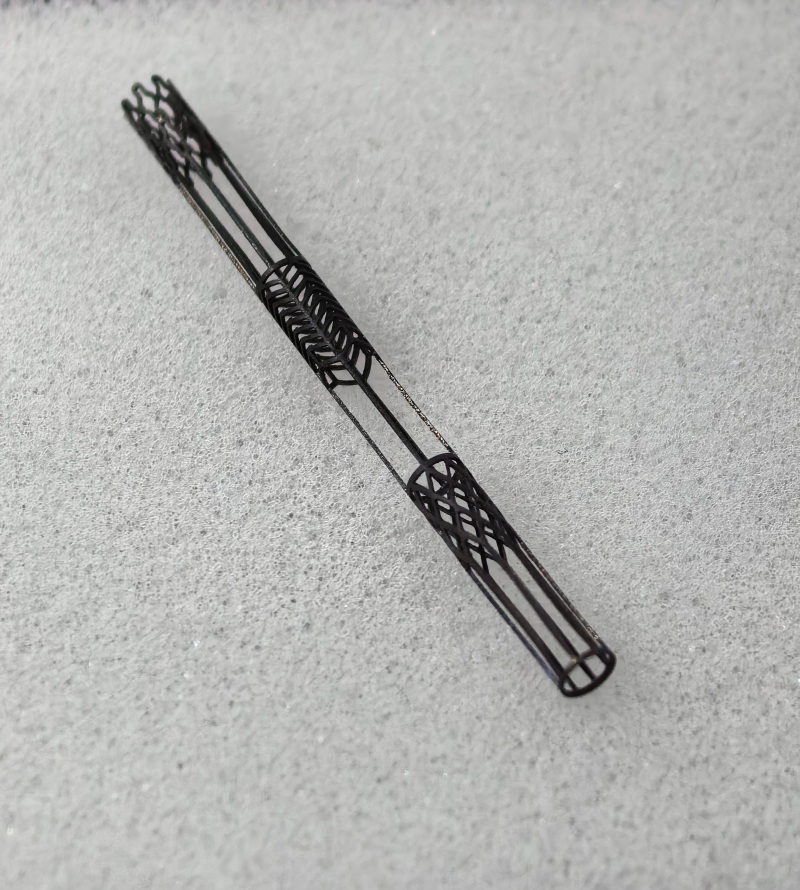
The entire nickel titanium pipe is cut into a mesh shape through 3D laser engraving, forming a seamless integrated structure with strong radial support and high dimensional accuracy; Commonly used for carotid artery, lower limb artery, and intracranial vascular stenosis, with specifications ranging from 2.0~12mm in diameter and 20~250mm in length to choose from.
2. Fine wire braided stent
Multiple nickel titanium wires are seamlessly woven together, with strong flexibility and resistance to compression. It is mainly used for iliac vein and lower limb vein lesions (thin vein walls, easy to collapse under pressure). Some products can be recovered and adjusted during surgery, and have been approved for domestic production and market launch in China.
3. Divided by coating
-Bare bracket: no drug coating, simple mechanical support;
-Drug eluting stent (DES): surface loaded with anti proliferative drugs such as sirolimus to inhibit intimal hyperplasia and reduce restenosis;
-Covered stent: The outer layer of the stent is covered with artificial vascular membrane, which is used for vascular rupture, aneurysm, and dissection closure.
3、 Principles of surgical implantation (minimally invasive intervention)
1. In vitro low-temperature compression stent, stored in a thin delivery sheath;
2. Puncture the thigh/arm blood vessels and guide the sheath tube with a guidewire to reach the narrowed lesion;
3. Retract the sheath outside the body, release the stent from restraint, trigger self expansion at body temperature, and slowly and evenly spread the narrow tube wall;
4. The stent is permanently retained to support the blood vessel wall and restore normal blood flow. No surgery is required throughout the entire process, and the minimally invasive incision is only the size of a needle eye.
4、 Main clinical application sites and symptoms
1. Peripheral artery (most commonly used)
Lower limb superficial femoral artery, popliteal artery occlusion/stenosis (leg pain while walking, lower limb ischemia), subclavian artery stenosis; Nickel titanium self expanding soft support, suitable for frequent bending of blood vessels at lower limb joints.
2. Cerebrovascular/carotid artery
Internal carotid artery stenosis, intracranial atherosclerotic stenosis, and cerebral aneurysm blood flow guided dense mesh stent (dense mesh braided nickel titanium stent, which changes blood flow to promote the self-healing of aneurysms).
3. Venous system
Iliac vein compression syndrome, sequelae of deep vein thrombosis (thin venous wall, easy retraction, nickel titanium stent has better resistance to collapse than stainless steel).
4. Other
Aortic dissection, peripheral pseudoaneurysm (rupture of covered nickel titanium stent).
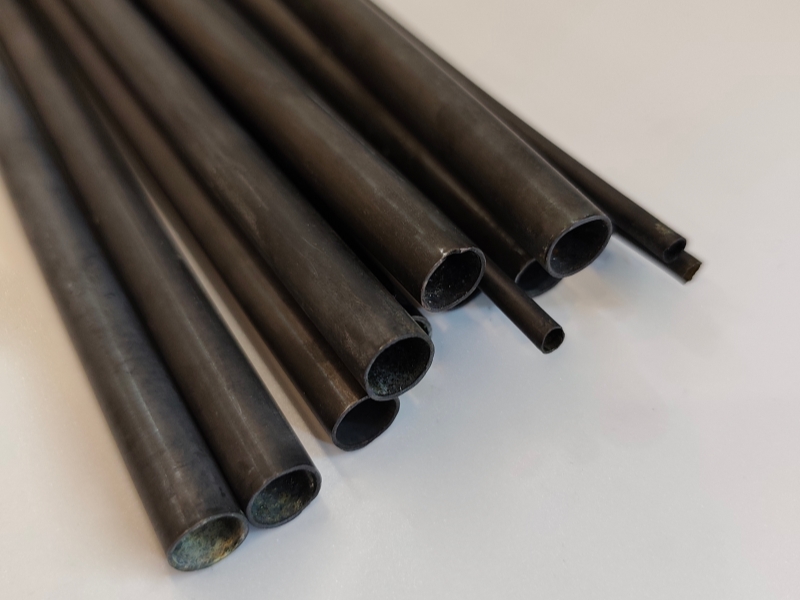
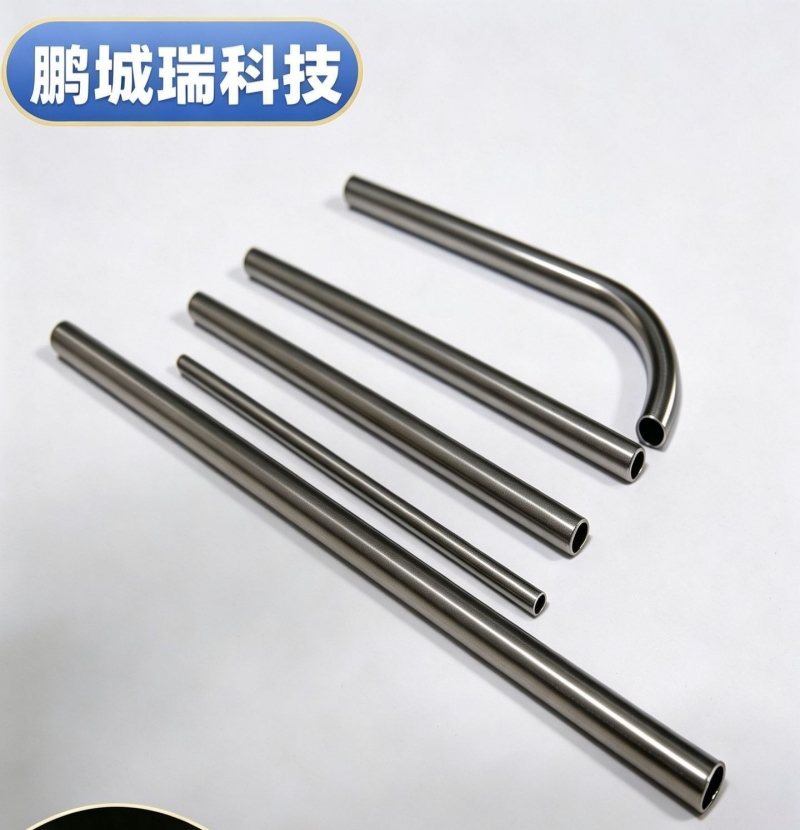
Nickel titanium alloy pipe
5、 Comparison of advantages and disadvantages
✅ advantage
1. Self inflating high-pressure balloon: Mild dilation, avoiding balloon high-pressure tearing of fragile vascular walls, suitable for severely calcified and tortuous diseased blood vessels;
2. High compliant wall adhesion: Following the bending deformation of blood vessels, the stent has a high degree of adhesion, reducing gaps and lower incidence of thrombosis;
3. Long term durability: The physiological fatigue life far exceeds that of stainless steel, and the long-term patency rate of the lower limb's active parts is higher;
4. Some woven stents can be recycled during surgery, and if the position is not ideal, they can be readjusted to improve surgical safety.
⚠️ disadvantage
1. Weak X-ray imaging: Pure nickel titanium fluoroscopy cannot see clearly, and precious metal imaging markers such as platinum iridium need to be added;
2. High processing difficulty: Nickel titanium is difficult to cut, and the production cost of laser/weaving is higher than that of stainless steel brackets;
3. It is contraindicated for a very small number of people with nickel allergies (preoperative screening for nickel allergies).
6、 Industry Development Trends
1. Popularization of drug coating: Drug loaded nickel titanium stents are gradually replacing bare stents, and the one-year postoperative patency rate of lower limb arteries has increased to over 85%;
2. Domestic substitution acceleration: Domestic laser cutting and weaving technology is mature, and domestic stents have significantly reduced prices, covering the high-end markets of veins and intracranial areas;
3. Surface modification: Heparin coating and nano barrier layer further control nickel precipitation, anticoagulant, and prevent restenosis.
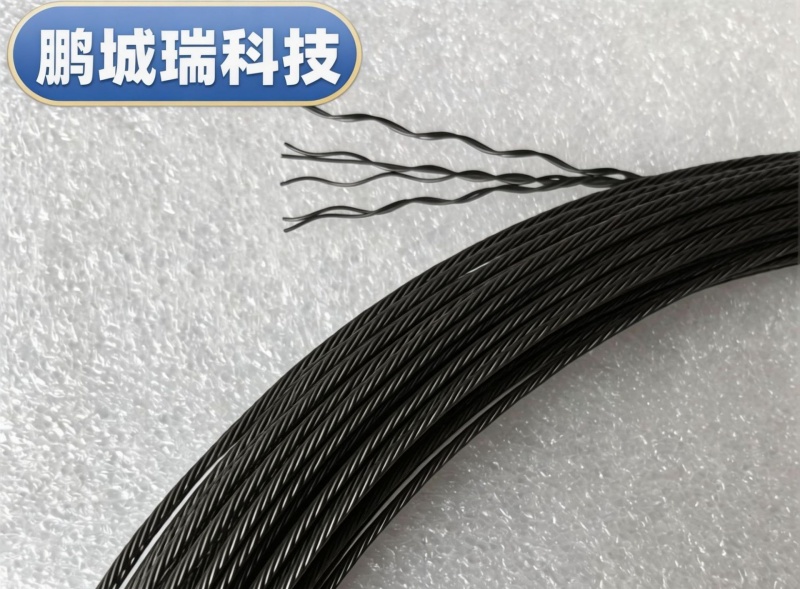
Nitinol
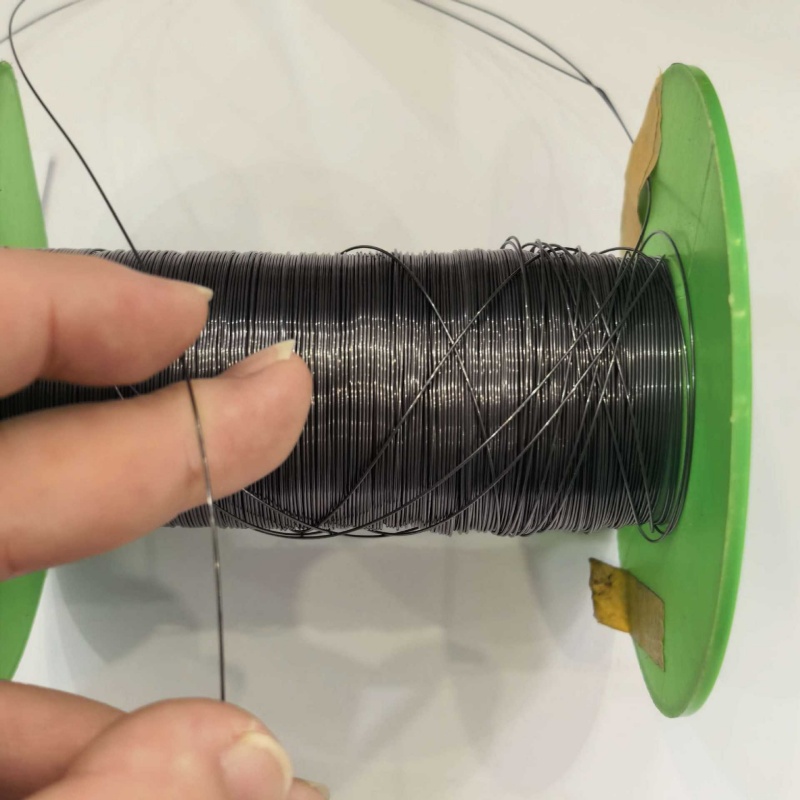
Seamless nickel titanium tube Nickel titanium fiber wire Nickel titanium plateApplication Area
Medical Industry New Energy Aerospace Machinery Manufacturing Marine Engineering Petrochemical IndustryContact Us
Contacts:Manager Wu +86 13632667260


 WeChat
 Call me
X