
 Chinese
 English
Service Hotline
+86 18948275773+86 13632667260


Nickel titanium alloy oxidation prevention has formed mature cases in three major fields: medical implants, aerospace, and industrial components. Mainstream technologies include thermal oxidation, micro arc oxidation, plasma treatment, electrolytic polishing, and salt bath passivation. The core is to generate a dense TiO ₂ - based protective layer to suppress nickel ion precipitation and improve corrosion resistance.
1、 Medical implants (most mature and mass-produced)
(1)Cardiovascular stent: Low pressure thermal oxidation (500 ℃)
Case: Medtronic and Poco nickel titanium stents undergo low-pressure heat treatment at 500 ℃ for 1-2 hours to form a dense nickel free TiO ₂ film of 15-20 nm.
Effect: The corrosion resistance in physiological saline is increased by 10 times, and the release of nickel ions is reduced to<0.1 μ g/cm ²/day. It has passed ISO 10993 biocompatibility certification and has been implanted in over ten million cases worldwide.
(2) Orthopedic implants: Micro arc oxidation (MAO)
Case: Spinal fusion device, intramedullary nail, electrolyte (sodium phosphate+calcium hydroxide), 300-500V, 10-30min, generating 5-10 μ m porous TiO ₂/HA composite coating.
Effect: Wear resistance increased by 3 times, bone integration rate increased by 50%, and there was no oxidative failure during the 10-year clinical follow-up.
(3)Root canal file/orthodontic wire: pulse anodizing
Case: Densberg nickel titanium root canal file, pulse anodized with nitric acid electrolyte, generating a 50nm nickel free TiO ₂ layer.
Effect: Corrosion resistance increased by 8 times, cell proliferation rate increased by 1.5 times, and bending fatigue life extended by 2 times.
(4)Guidewire/interventional instruments: electrolytic polishing+passivation
Case: Abbott nickel titanium guide wire, electrolytic polishing with ethylene glycol sodium chloride electrolyte (Ra<100nm)+nitric acid passivation.
Effect: A uniform TiO ₂ film is formed on the surface, the friction coefficient is reduced to 0.15, and the corrosion resistance in the body meets the requirements for long-term implantation.
2、 Aerospace (high temperature/extreme environment)
(1)Engine fasteners: low-temperature plasma oxidation
Case: Nickel titanium bolts for aircraft engines are oxidized by glow discharge plasma at temperatures below 300 ℃ to form a nanocrystalline TiO ₂/TiN composite layer.
Effect: The oxidation rate at 500 ℃ is reduced by 90%, and there is no corrosion after 1000 hours of salt spray testing. It is used for connecting parts of Boeing 787 and Airbus A350.
(2)Satellite antenna: ion implantation+sol gel
Case: satellite deployable antenna, oxygen ion implantation (1 × 10 ¹ ions/cm ²)+silica sol gel coating.
Effect: The mass loss rate in space atomic oxygen environment has been reduced to<0.1mg/cm ², and it has been operating stably in orbit for over 15 years.
3、 Industrial and consumer electronics (wear-resistant/corrosion-resistant)
(1)Glasses frame: salt bath heat treatment+passivation
Case: Furukawa and NDC nickel titanium eyeglass frames from Japan, passivated with salt bath (550 ℃, 30min) and nitric acid.
Effect: Corrosion resistance in daily environments is increased by 5 times, nickel allergy rate is reduced to<1%, and annual production exceeds one million pieces.
(2)Sensor/actuator: Electrophoretic deposition of SiO ₂ - TiO ₂
Case: Nickel titanium components for automotive sensors, electrophoretic deposition of SiO ₂ - TiO ₂ nano coating (50-100nm).
Effect: The insulation resistance remains>1M Ω in a humid and hot environment at 150 ℃, and the service life is extended by three times.
4、 Key success factors
(1)Temperature control:<500 ℃ to avoid TiNi Ⅲ precipitation,>300 ℃ can easily induce Ni ₄ Ti Ⅲ precipitation, affecting shape memory performance.
(2)Nickel free: Prioritize the formation of TiO ₂ instead of NiO, suppress nickel ion release, and enhance biocompatibility.
(3)Density: The nanoscale crack free TiO ₂ film is a long-lasting anti oxidation core, typically with a thickness of 15-100nm.
Nickel titanium alloy oxidation prevention has moved from the laboratory to large-scale clinical and industrial applications. Low pressure thermal oxidation, micro arc oxidation, and plasma treatment are the most mainstream technologies, suitable for medical, orthopedic, and aviation scenarios, respectively. The selection needs to balance four major factors: temperature, coating thickness, cost, and biocompatibility.
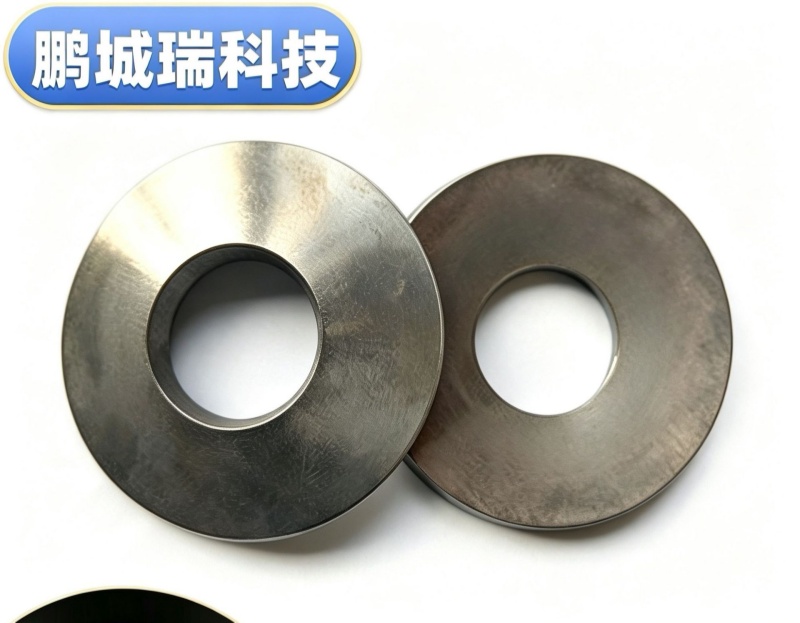
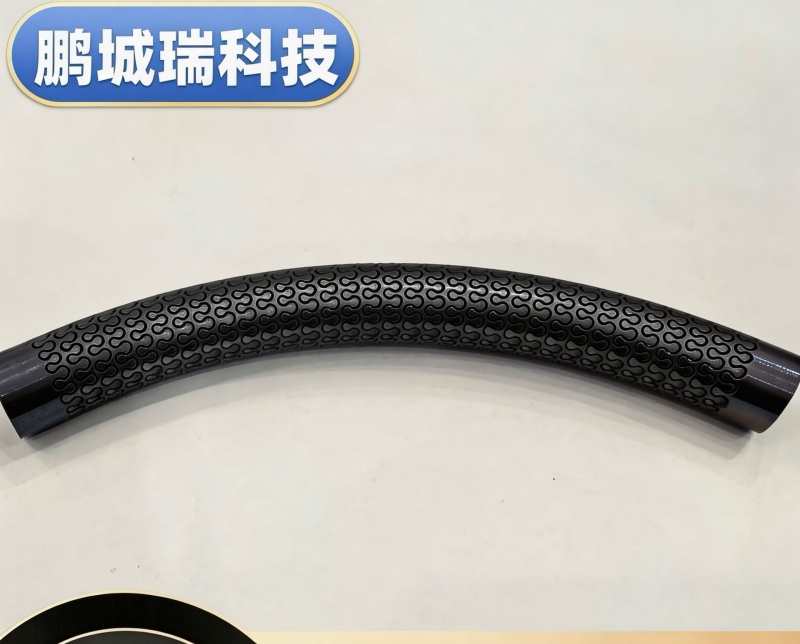
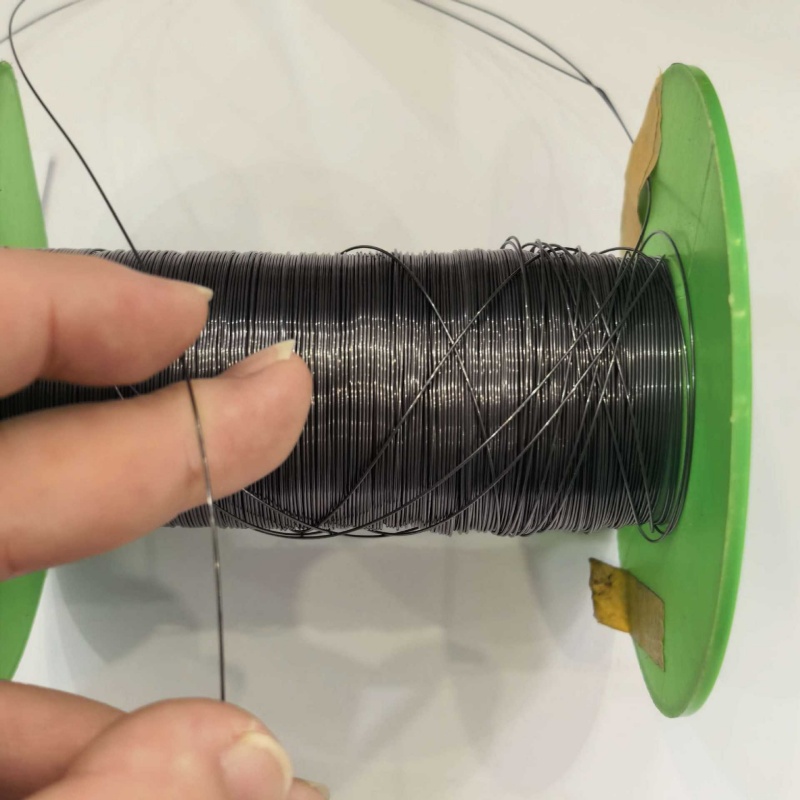
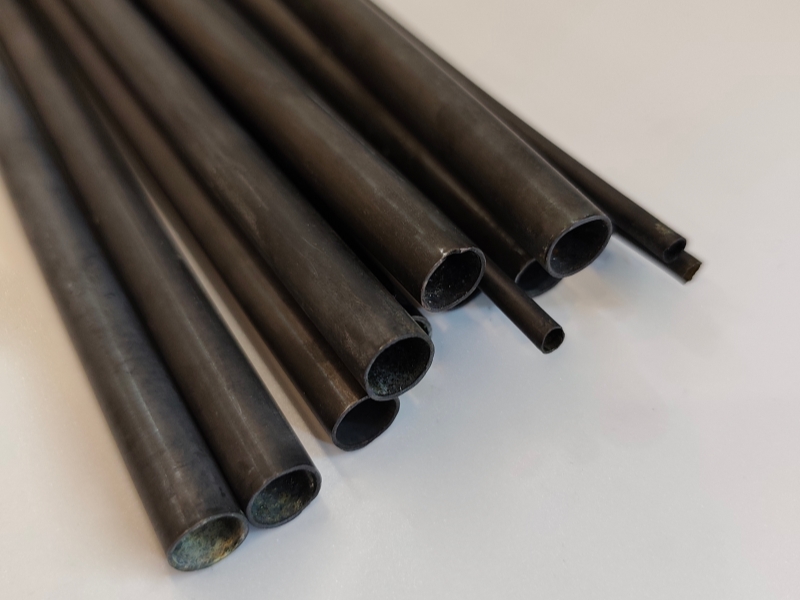
Nitinol
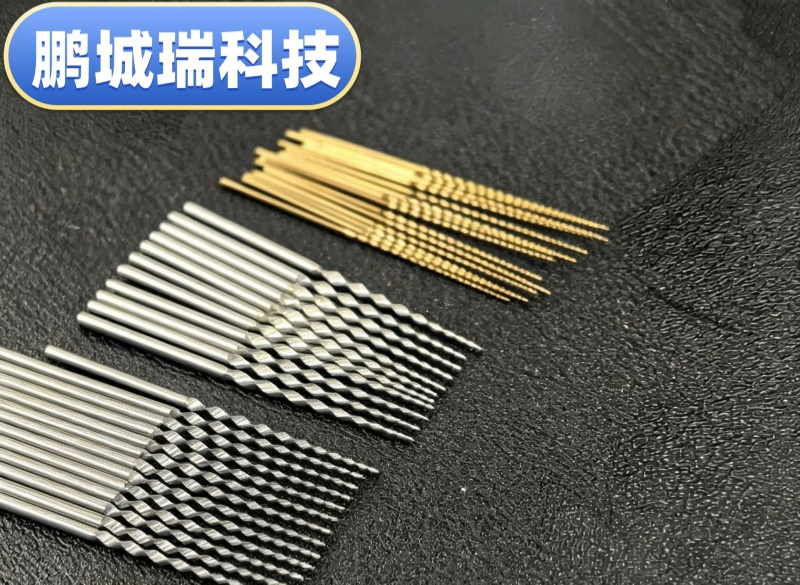
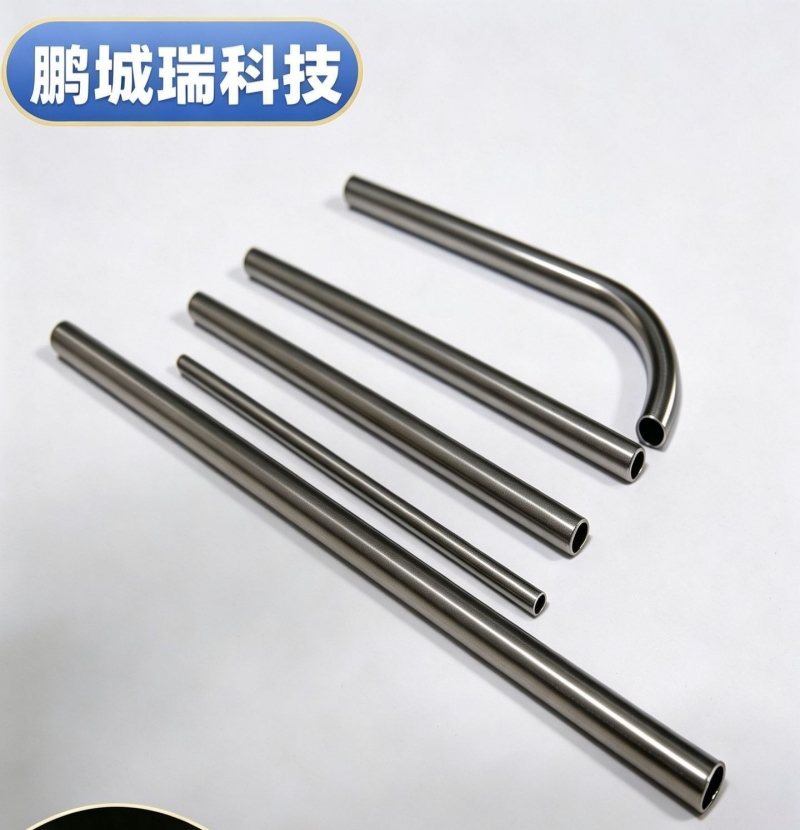
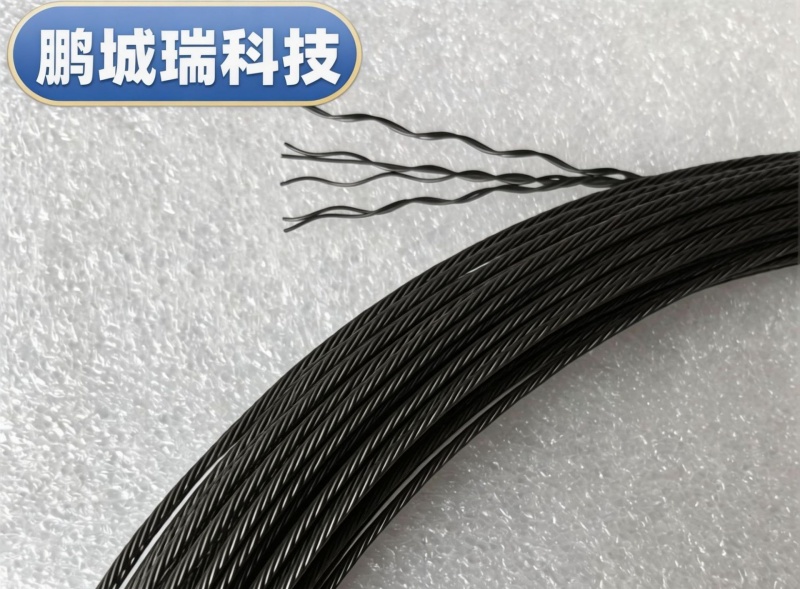
Seamless nickel titanium tube Nickel titanium fiber wire Nickel titanium plateApplication Area
Medical Industry New Energy Aerospace Machinery Manufacturing Marine Engineering Petrochemical IndustryContact Us
Contacts:Manager Wu +86 13632667260


 WeChat
 Call me
X