
 Chinese
 English
Service Hotline
+86 18948275773+86 13632667260

The anti oxidation core of nickel titanium alloy is the formation of a dense, low nickel TiO ₂ passivation film on the surface, which balances corrosion resistance, low nickel precipitation, and matrix functional stability; The mainstream routes are divided into five categories: chemical passivation, electrochemical oxidation, plasma/gas phase treatment, high-temperature controlled oxidation, and physical coating.
1、 Preprocessing (universal for all processes)
First, remove oil, dirt, and oxide skin to ensure even adhesion of the film layer
(1)Mechanical polishing: Polish with 400 → 800 → 1200 grit sandpaper step by step, with a surface roughness Ra ≤ 0.8 μ m.
(2)Chemical degreasing: acetone/ethanol ultrasound for 10-15 minutes, rinse with deionized water.
(3)Acid washing activation: Soak in 5% HF+10% HNO3 at room temperature for 1-2 minutes, rinse with deionized water, and dry.
2、 Chemical passivation (simple, low-cost, suitable for batch production)
(1)Hydrogen peroxide passivation (commonly used in medical applications, without nickel film)
Formula: 2.5 M H ₂ O ₂ (concentration 1.5-3.5 M), liquid volume ≥ 20 mL/cm ².
Process: Soak at 80-90 ℃ for 6 hours → sonicate with deionized water → seal with deionized water at room temperature for 24 hours → dry.
Effect: Generate a dense TiO ₂ film of~20-50 nm without nickel enrichment, improve corrosion resistance by 3-5 times, and have extremely low nickel precipitation.
(2)Nitric acid passivation
Process: 30-50% HNO ∝ room temperature immersion for 30-60 minutes → water washing and drying.
Features: Forming a thin passivation film, low cost, suitable for general environments, moderate corrosion resistance.
3、 Electrochemical oxidation (anodic oxidation, controllable and dense film thickness)
(1)DC anodizing
Electrolyte: 0.5-1 M H ∝ PO ₄ or 0.1 M H ₂ SO ₄.
Parameters: Voltage 20-60 V, current density 5-20 mA/cm ², room temperature/50 ℃, time 10-30 min.
Effect: Film thickness of 50-200 nm, porous TiO ₂, good corrosion resistance, can be loaded with drugs/hydroxyapatite composite.
(2)Pulse anodizing (medical preferred, nickel free dense film)
Electrolyte: 0.5 M HNO ∝.
Parameters: Pulse voltage 10-30 V, frequency 1-5 kHz, duty cycle 50%, room temperature 10-20 min.
Effect:~50 nm nickel free TiO ₂ film, dense and pore free, good hydrophilicity, extremely low nickel precipitation, without affecting superelasticity.
4、 Plasma/gas phase treatment (low temperature, maintaining substrate properties, high-end applications)
(1)Low temperature plasma oxidation (<300 ℃, no deformation)
Atmosphere: O ₂/air plasma, pressure 10-100 Pa.
Process: 150-250 ℃, 30-60 min, RF/DC discharge.
Effect: 30-100 nm high-purity TiO ₂ film, nickel free, excellent corrosion resistance and biocompatibility, suitable for precision parts/brackets.
(2)Vacuum/controlled atmosphere heat treatment (high-temperature in-situ oxidation)
Vacuum: 10 ⁻⁴ -10 ⁻⁵ Pa, kept at 500-600 ℃ for 1-2 hours, thin and uniform TiO ₂ film.
Wet hydrogen atmosphere: H ₂: H ₂ O=1:1.2, 2-4 atm, 750-850 ℃ insulation for 5-10 hours, rutile phase TiO ₂, thick and dense.
Features: Balancing shape memory and super elasticity, suitable for high-temperature processing parts.
5、 High temperature salt bath passivation (replacing air furnace, preventing excessive oxidation)
Medium: Molten NaCl/KCl salt bath (inert).
Process: Heat treatment at 500-600 ℃ (simultaneous shaping and passivation), water cooling/oil cooling after leaving the furnace.
Effect: The surface generates thin and dense TiO ₂, avoiding thick and brittle oxide layers in air furnaces, and ensuring corrosion resistance and stability.
6、 Physical coating (heavy anti-corrosion/wear-resistant, harsh environment)
Plasma spraying: ZrO ₂, hydroxyapatite (HAP) coating, thick film (50-200 μ m), corrosion-resistant+wear-resistant+biocompatible.
Magnetron sputtering: TiO ₂, Ta, TiN thin films (1-10 μ m), dense and uniform, low nickel precipitation, suitable for micro components.
Laser cladding: HAP/Ti composite coating, metallurgical bonding, corrosion resistance+biological activity, reducing nickel precipitation.
7、 Process comparison and selection suggestions
Simple and low-cost: H ₂ O ₂ passivation (medical/general environment).
Medical high requirements: pulse anodizing or low-temperature plasma oxidation (nickel free, low precipitation).
Precision parts/performance guarantee: low-temperature plasma oxidation (<300 ℃, no deformation).
High temperature shaping synchronization: vacuum heat treatment or salt bath passivation.
Harsh environment/wear resistance: plasma sprayed ZrO ₂ or magnetron sputtered Ta.
8、 Key control points
(1)Film composition: Priority should be given to pure TiO ₂ (nickel free), avoiding nickel rich layers (prone to corrosion and sensitization).
(2)Film thickness: 20-100 nm for medical use (dense and non porous), 50-200 nm for industrial use (porous/composite).
(3)Temperature: Medical ≤ 300 ℃ (maintaining superelasticity), industrial can be 500-800 ℃ (shaping+oxidation).
(4)Post treatment: After passivation, seal with deionized water for 24 hours to reduce residual micropores and improve stability.
9、 Common Problems and Solutions
Uneven membrane layer: thorough pre-treatment (consistent activation), uniform electrical parameters/atmosphere.
High nickel precipitation: Avoid high-temperature air oxidation and choose pulse anodizing or plasma oxidation.
Super elasticity reduction: temperature ≤ 300 ℃, time ≤ 2 hours, priority for low-temperature processes.
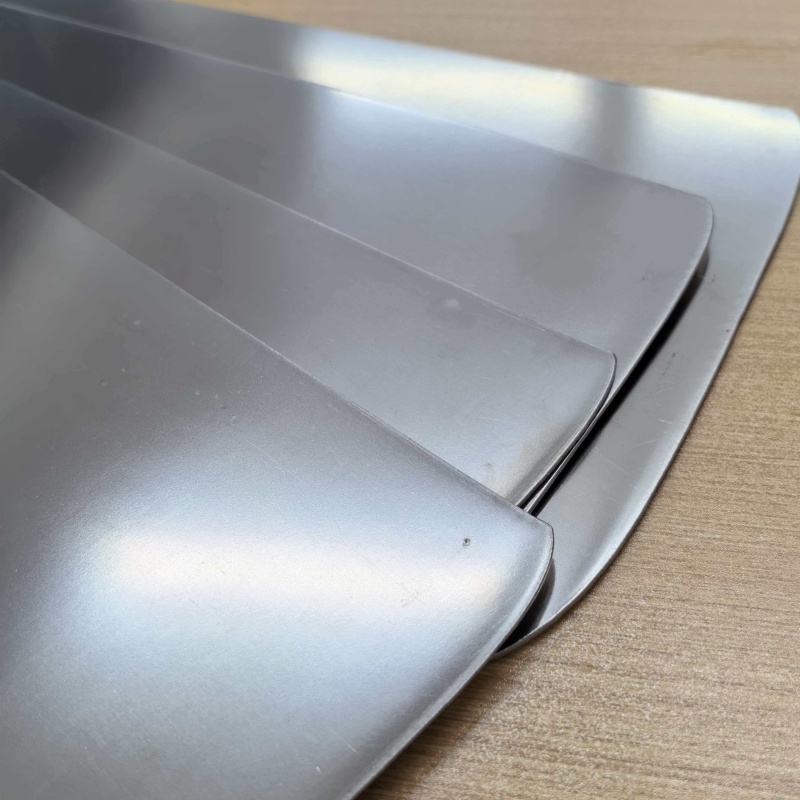
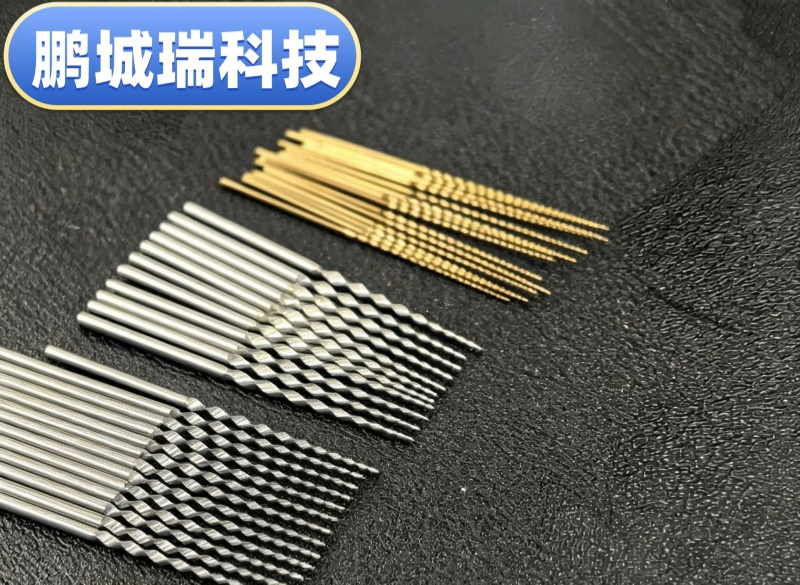
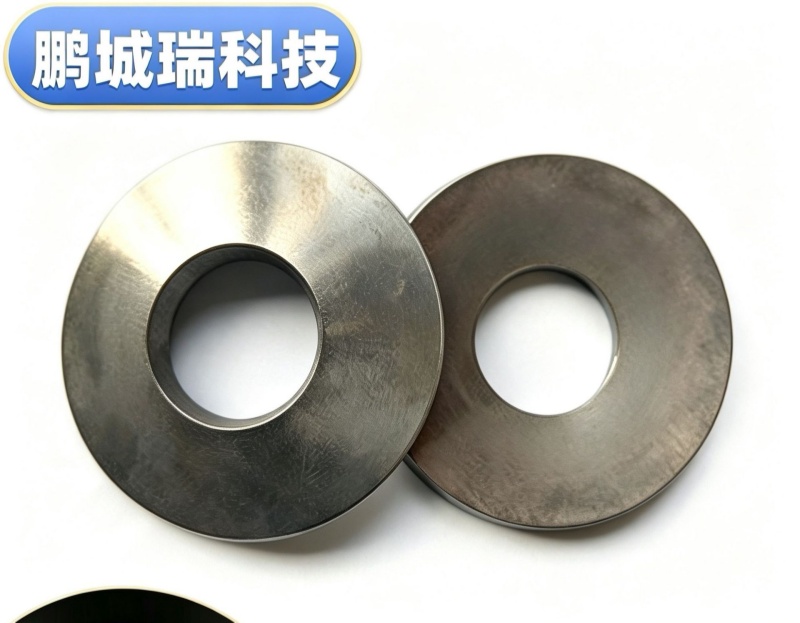
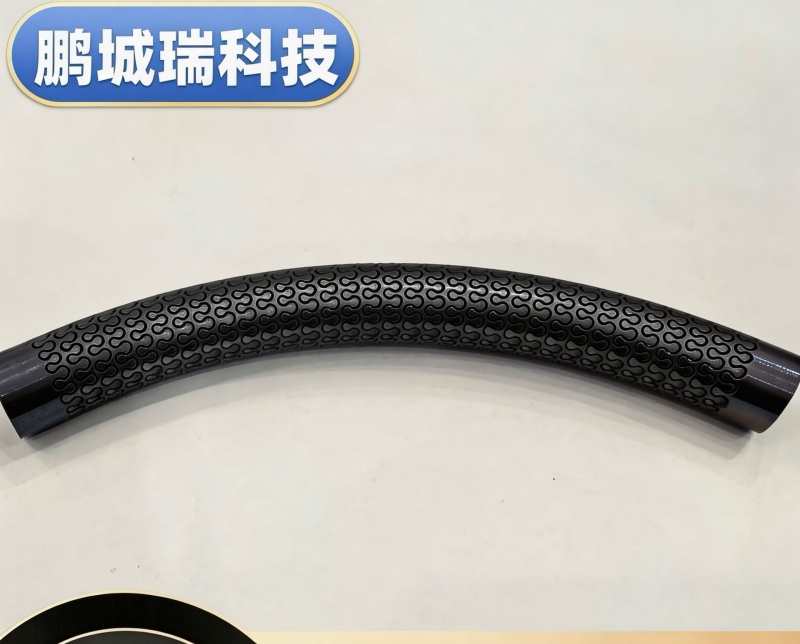
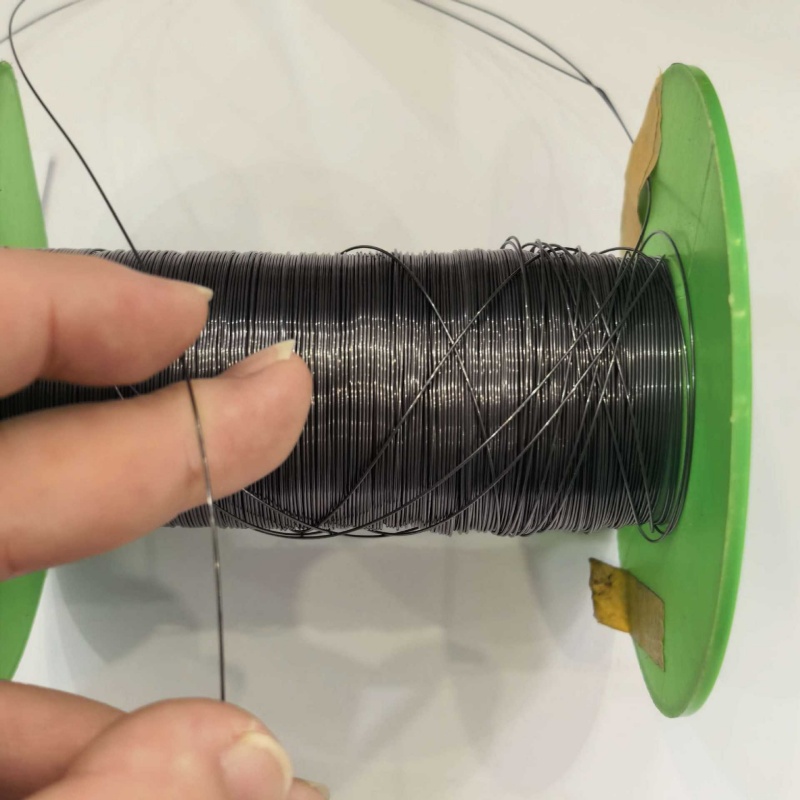
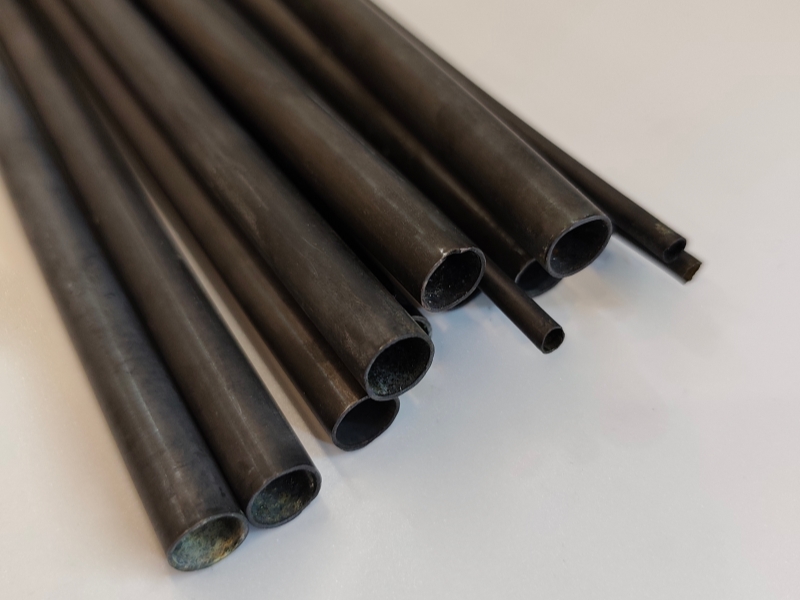
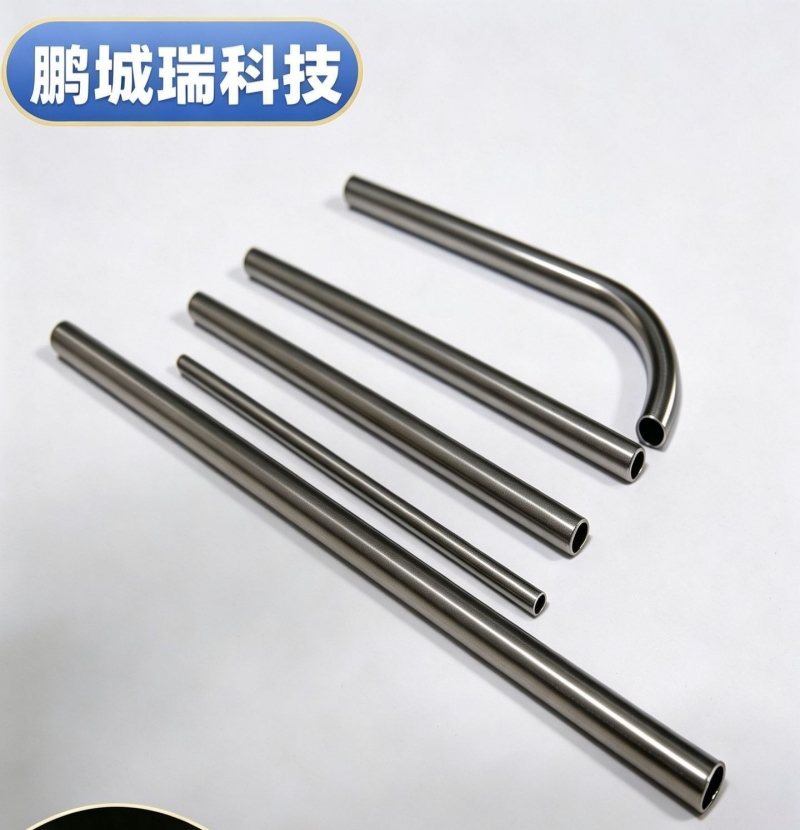
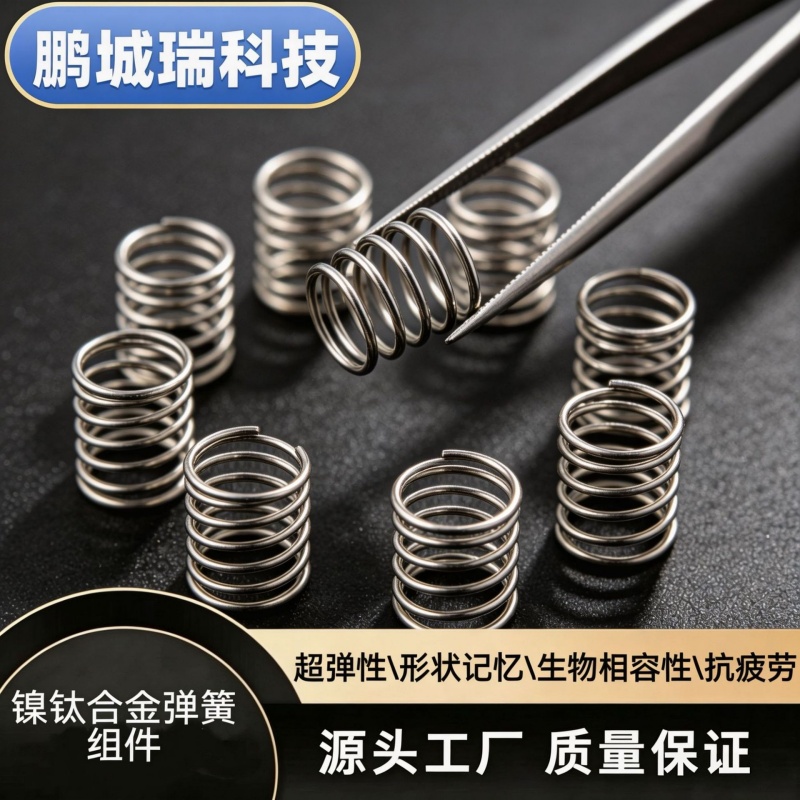
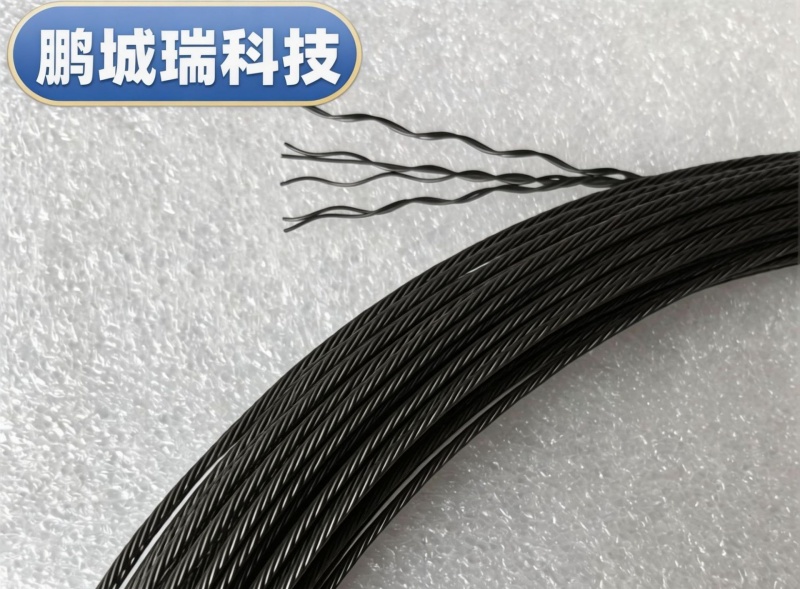
Huizhou Pengchengrui Technology has anti oxidation treatment technology and specializes in nickel titanium alloy wire, pipe, and plate materials. It covers the entire process from raw materials to deep processing and product forming, providing one-stop solutions to meet your precision manufacturing needs.
Nitinol
Seamless nickel titanium tube Nickel titanium fiber wire Nickel titanium plateApplication Area
Medical Industry New Energy Aerospace Machinery Manufacturing Marine Engineering Petrochemical IndustryContact Us
Contacts:Manager Wu +86 13632667260


 WeChat
 Call me
X