
 Chinese
 English
Service Hotline
+86 18948275773+86 13632667260


Nitinol is an intelligent functional material that combines shape memory effect, superelasticity, and biocompatibility. The following is a summary from the editor of Wuge Nickel Titanium Alloy:
1、 Basic principles and core characteristics
Core characteristics: Shape Memory Effect (SME), Super Elasticity (SE), High Damping, Corrosion Resistance, Biocompatibility, Non Magnetic.
Phase transformation mechanism: thermoelastic martensitic transformation (austenite) ↔ Martensite) and phase transition temperature (Af, As, Ms, Mf) regulation.
Performance parameters: elastic strain (8% -10%), fatigue life, recovery stress, phase transition hysteresis, temperature response characteristics.
Composition design: Effects of near equiatomic ratio (NiTi ≈ 50:50) and microalloying (Cu, Nb, Hf, etc.) on phase transformation and mechanical properties.
2、 Manufacturing and processing technology
Traditional manufacturing: Vacuum Induction Melting (VIM), Vacuum Arc Remelting (VAR), Hot Processing (Forging/Rolling), Cold Drawing/Cold Rolling, Precision Heat Treatment (Aging/Annealing).
Advanced Manufacturing: Laser Powder Bed Melting (LPBF/SLM), Electron Beam Selective Melting (EBSM), Additive Manufacturing (3D Printing) for Complex Structures.
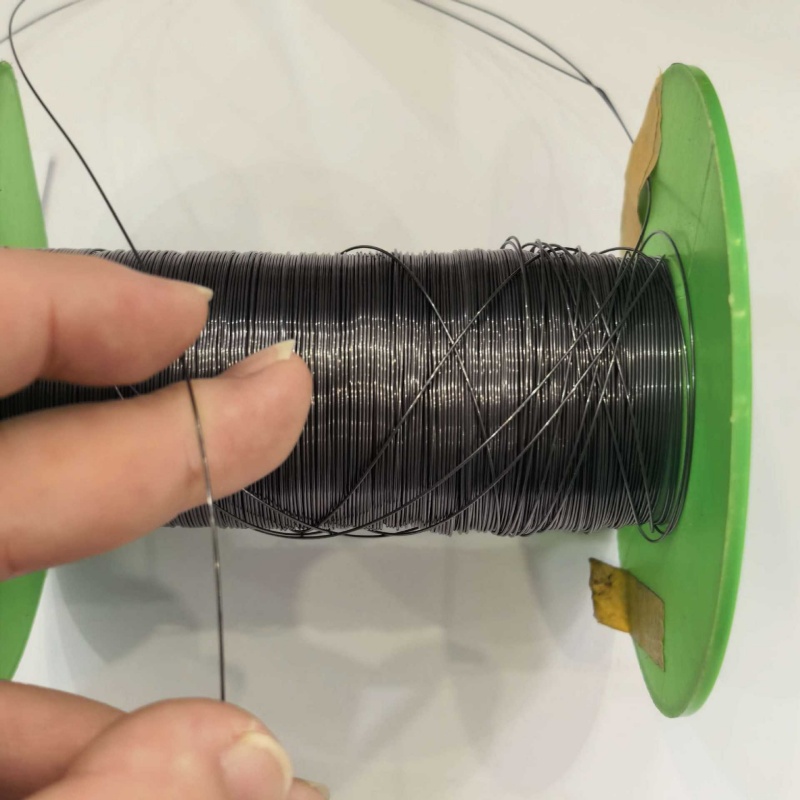
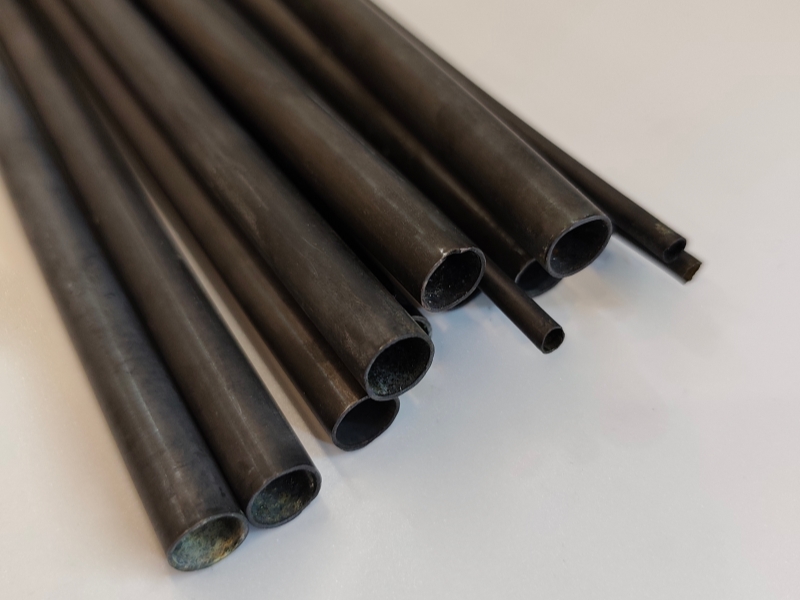
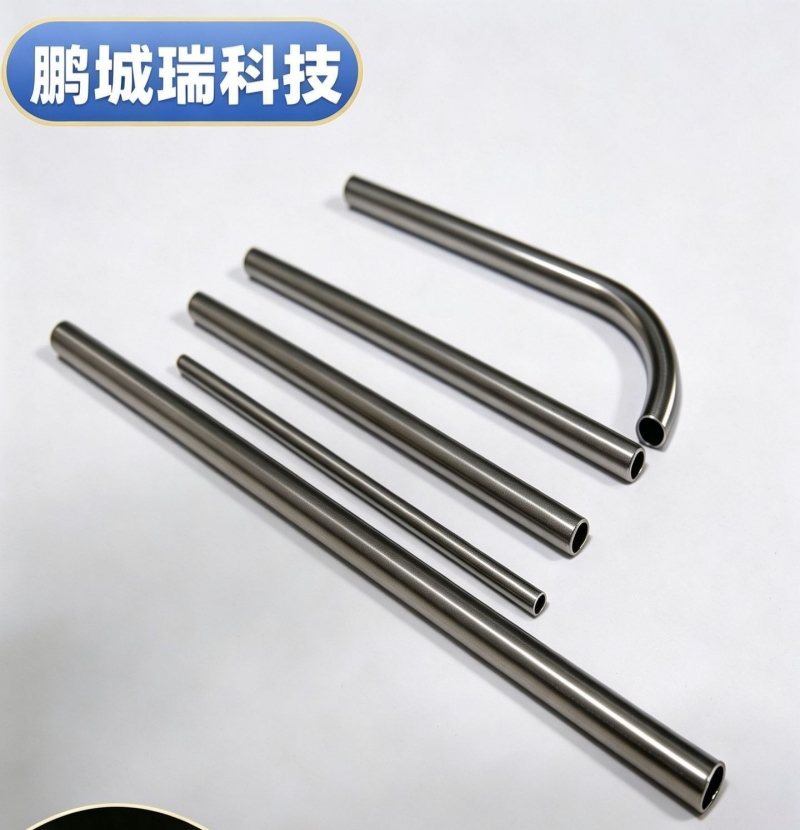
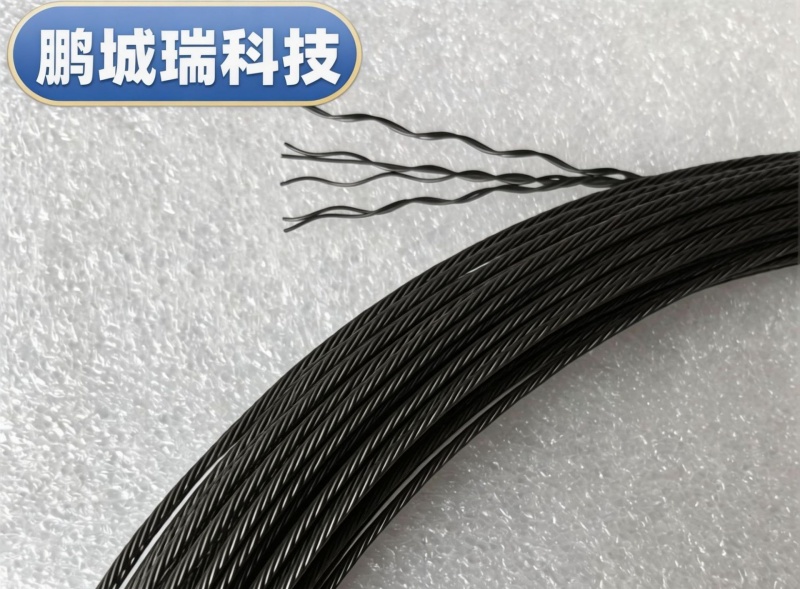
Precision machining: fine wire (diameter 0.01-0.5mm), pipe, plate, wire drawing, electrochemical polishing, surface modification (oxidation/nitriding/coating).
Quality control: uniformity of composition, consistency of phase transition temperature, density, residual stress, fatigue performance, biocompatibility testing (ASTM F2063).
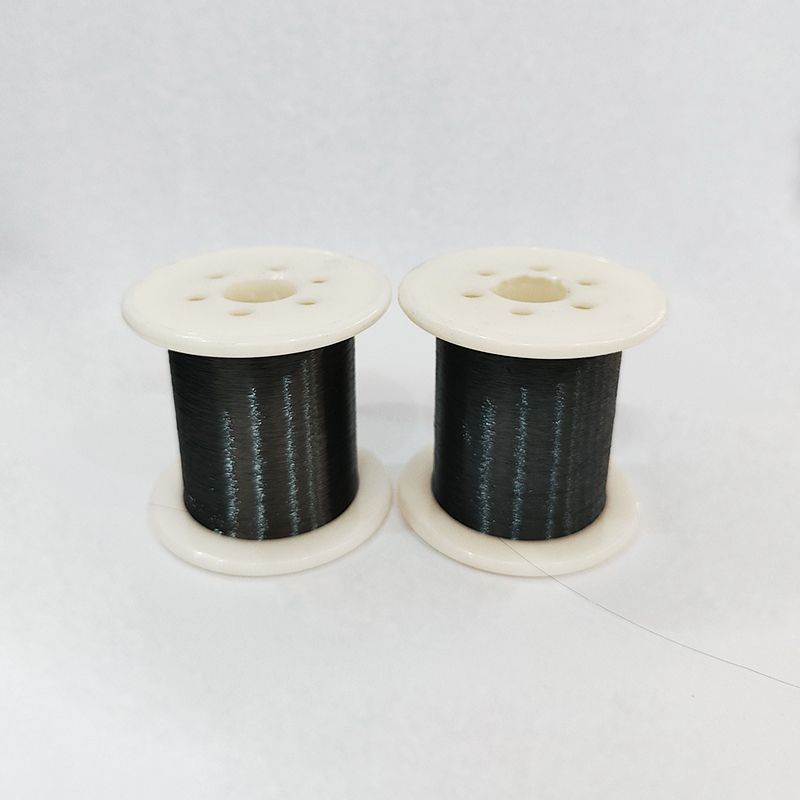
Nickel titanium alloy fiber wire
3、 Mainstream application areas
(1)Medical and health care
Cardiovascular intervention: vascular stent, cardiac occluder, valve framework, guide wire, catheter, embolization coil.
Orthopedics: bone plates, spinal internal fixation, artificial joint components, bone traction, fracture reduction instruments.
Dentistry: orthodontic archwires, implants, root canal files, denture components.
Minimally invasive instruments: biopsy forceps, endoscopic components, surgical suture needles, nerve intervention instruments.
(2)Aerospace
Mechanical components: adaptive structure, deployment mechanism (antenna/solar panel), fasteners, pipe joints, shock absorbers.
Satellite/spacecraft: Temperature controlled actuators, thermal louvers, memory alloy springs, low friction bearings.
(3)Industrial and Consumer Electronics
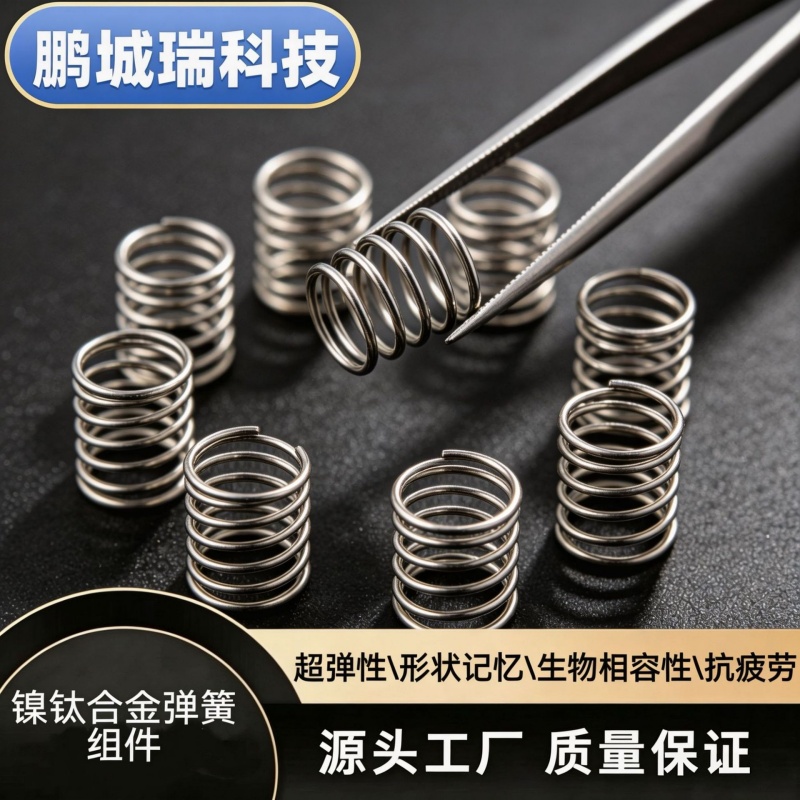
Automation: temperature control switch, thermal actuator, flow control valve, fire sprinkler head, memory alloy spring.
Electronics/home appliances: mobile phone antennas, connectors, eyeglass frames, smart wearables, anti scald protection devices.
Automobile: seat adjustment, engine temperature control, airbag triggering, exhaust system components.
(4)Other emerging fields
Civil engineering: Bridge seismic reduction, structural reinforcement, intelligent concrete, prestressing system.
Energy: heat recovery, nuclear reactor control rods, energy storage components.
Soft robots: biomimetic actuators, flexible grippers, adaptive prosthetics.
4、 Market and Industry Dynamics
Market size: Global/Chinese market capacity, annual growth rate (CAGR ≈ 4.4%), and proportion of segmented fields (medical>aviation>industrial).
Industry chain: upstream (nickel titanium raw materials, target materials), midstream (melting/processing/3D printing), downstream (medical equipment/aviation/consumption).
Competitive landscape: International giants (Medtronic, Boston Scientific, Koga, Germany), domestic enterprises (Baotai, Western Superconductor, Youyan New Materials, Wugo Nickel Titanium Alloy).
Policies and Standards: Medical Device Registration (NMPA/FDA), ASTM F2063, ISO 5832, New Materials Industry Policy Support.
5、 Challenges and cutting-edge research
(1)Industrial challenges
Technical barriers: high-purity melting, fine wire processing, precise phase transformation control, and improved fatigue life.
Cost issue: High raw material and processing costs, and dependence on imports for high-end products (China's import dependency is about 67%).
Medical compliance: Long approval cycle for Class III devices (approximately 22 months), biocompatibility and long-term safety verification.
(2) Frontier direction
Material innovation: gradient functional materials, nanocrystalline/amorphous nickel titanium, multi field coupled (force thermal electric magnetic) responsive materials.
Manufacturing upgrade: customized additive manufacturing, micro nano processing, intelligent process closed-loop control.
Surface engineering: biologically active coating, antibacterial modification, corrosion-resistant and wear-resistant treatment, endothelialization promotion technology.
Application Expansion: Neural Intervention, Precision Medicine, Soft Robotics, Intelligent Wearables, New Energy Systems.
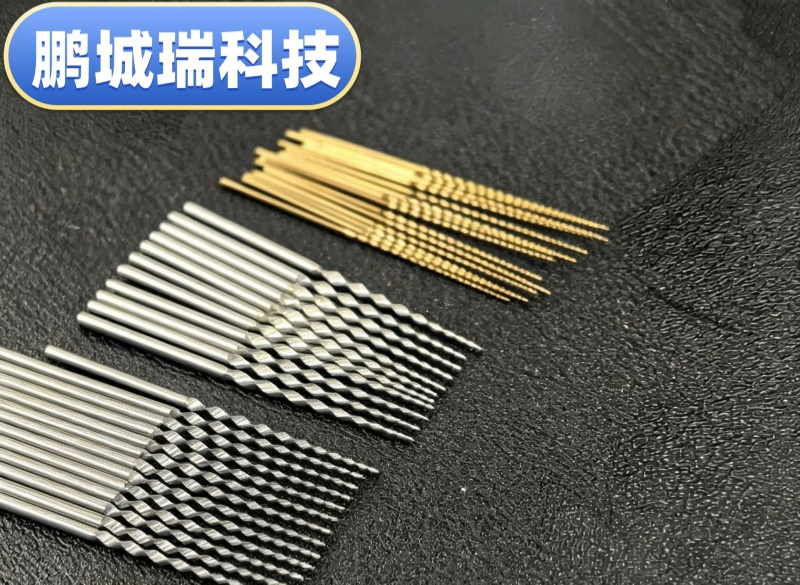
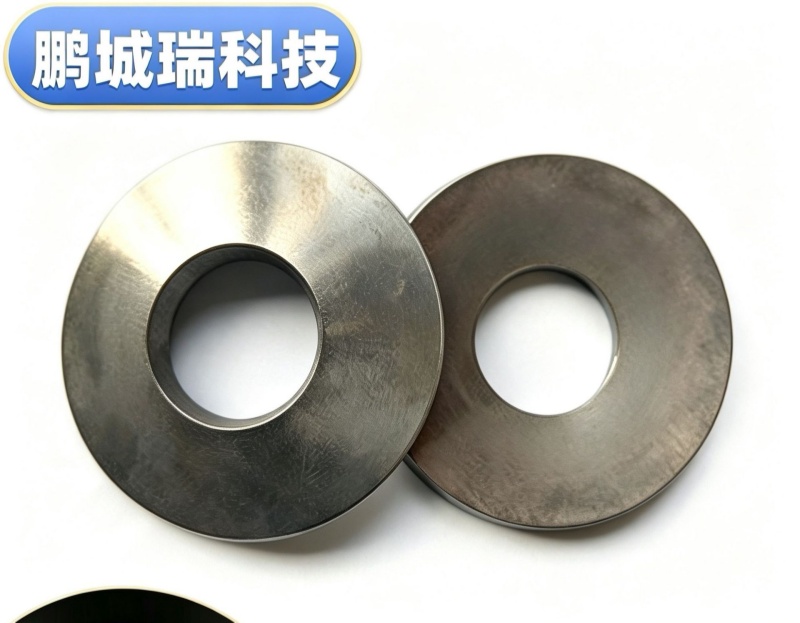
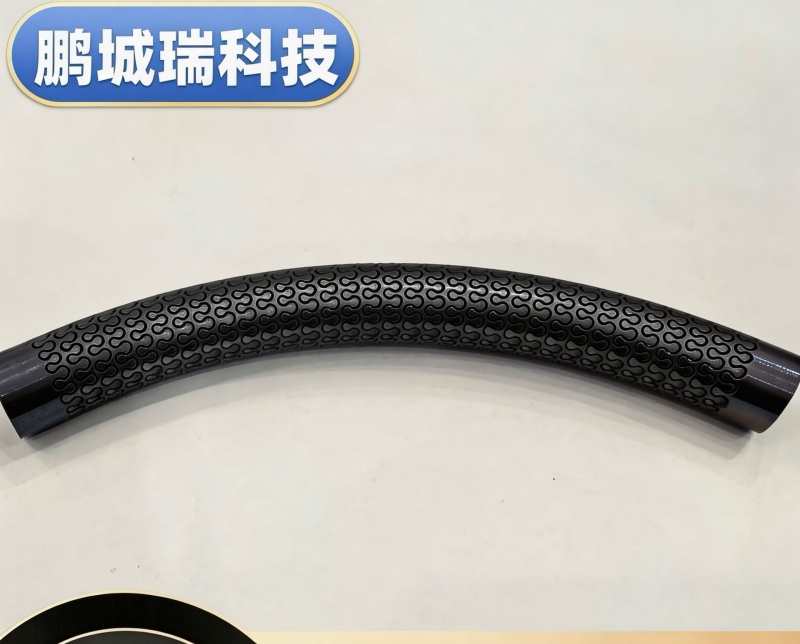
Nitinol
Seamless nickel titanium tube Nickel titanium fiber wire Nickel titanium plateApplication Area
Medical Industry New Energy Aerospace Machinery Manufacturing Marine Engineering Petrochemical IndustryContact Us
Contacts:Manager Wu +86 13632667260


 WeChat
 Call me
X