
 Chinese
 English
Service Hotline
+86 18948275773+86 13632667260


Nitinol and Australian wire are two core archwires in the field of orthodontics, with the main difference being that Nitinol provides sustained light force through superelasticity/shape memory, making it suitable for early alignment; Auswire is a highly elastic stainless steel wire with moderate rigidity and bendability, suitable for mid-term fine root control and gap closure.
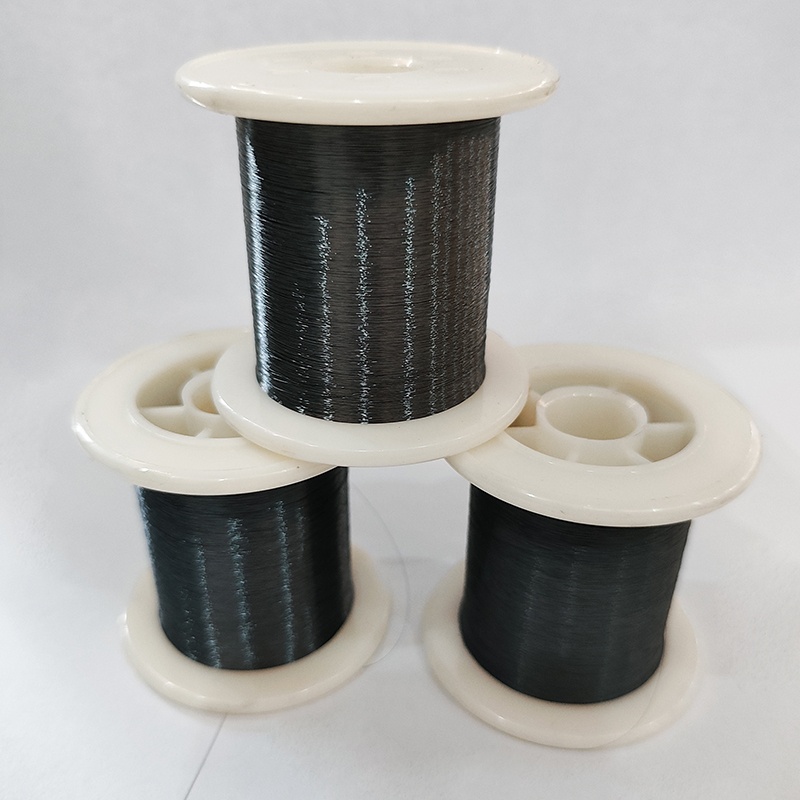
1、 Core Materials and Principles
Nickel titanium wire (nickel titanium alloy wire)
Composition: A shape memory alloy consisting of approximately 55% nickel and 45% titanium.
Principle: Thermoelastic martensitic transformation → Shape memory effect (low-temperature deformation, temperature recovery)+Superelasticity (automatic rebound after unloading, elastic strain reaches 8%+).
Characteristics: Extremely flexible, high rebound, non bendable, and consistently stable strength.
Australian wire (high elasticity stainless steel wire)
Composition: Special stainless steel (containing Cr, Ni, etc.), a specialized wire developed for Begg technology.
Principle: Pure metal undergoes elastic deformation without memory effect, relying on the material's own elasticity to provide rebound force.
Features: Medium stiffness, good elasticity, bendable, capable of making various bends, controllable strength.
2、 Key performance comparison
| Comparison item | Nickel titanium wire | Australian wire |
| Elasticity/Stiffness | Extremely strong elasticity, extremely low | stiffness, good elasticity, moderate stiffness (between nickel titanium and ordinary stainless steel) |
| Shape memory | temperature triggered | None |
| Excellent | bendability and non bendability (easy to break) | capable of bending various types of orthodontic curves |
Strength characteristics: | continuous, gentle, slow decay | moderate strength, controllable, adjustable through bending |
friction | low | moderate |
| biocompatibility | Excellent (Medical Grade) | Excellent (Medical Stainless Steel) |
price | higher | moderate |
3、 Clinical application stage and scenario
Nickel titanium wire (preferred for early alignment)
Applicable stage: Initial alignment and leveling (severe teeth misalignment, torsion, crowding).
Advantages: Soft strength, high patient comfort, ability to adapt to complex dental arches, automatic continuous force application, and shortened treatment duration.
Limitations: Insufficient stiffness, inability to finely control roots, inability to bend, low efficiency in closing gaps.
Australian Silk Road (mid-term transition/fine adjustment)
Applicable stages: leveling after alignment, root control, closing the extraction gap, and fine adjustment.
Advantages: sufficient rigidity, can bend various curves, strong root control ability, high sliding efficiency, suitable for Begg/fine wire bow technology.
Limitations: Weaker elasticity and rebound compared to nickel titanium, slightly higher initial discomfort, and slightly faster force attenuation.
4、 One sentence summary
Nickel titanium wire: soft, elastic, memorable, not bent → early alignment, gentle guidance.
Ausilicon: rigid, elastic, bendable, root controlled → mid-term precision, precise positioning.
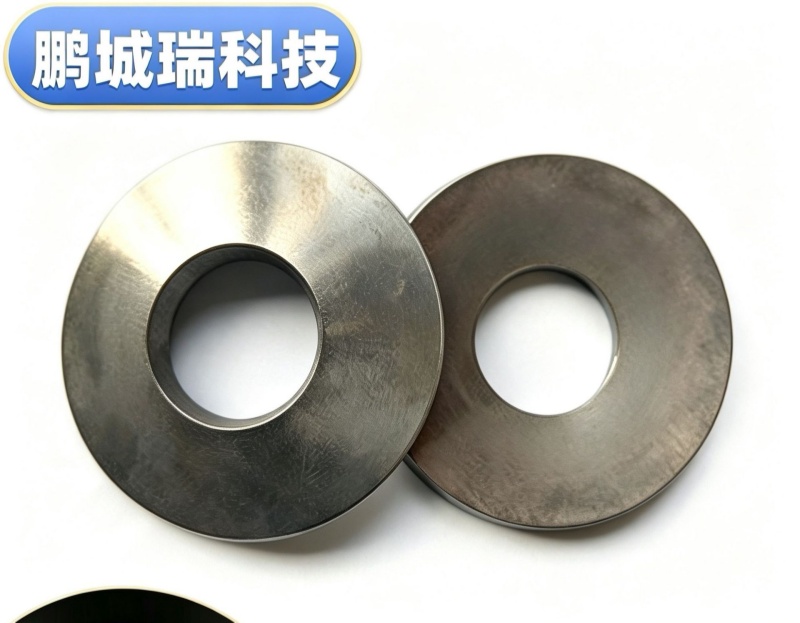
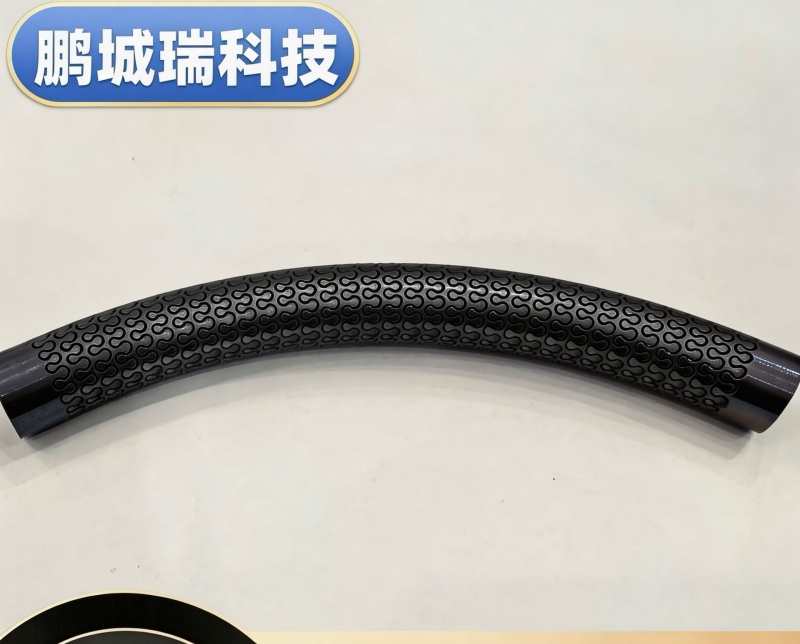
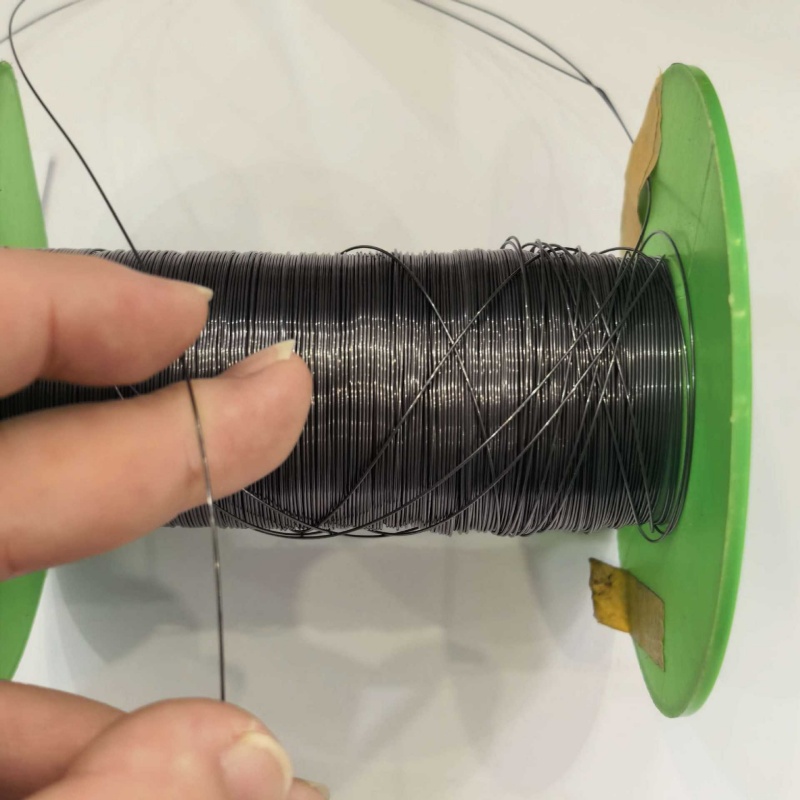
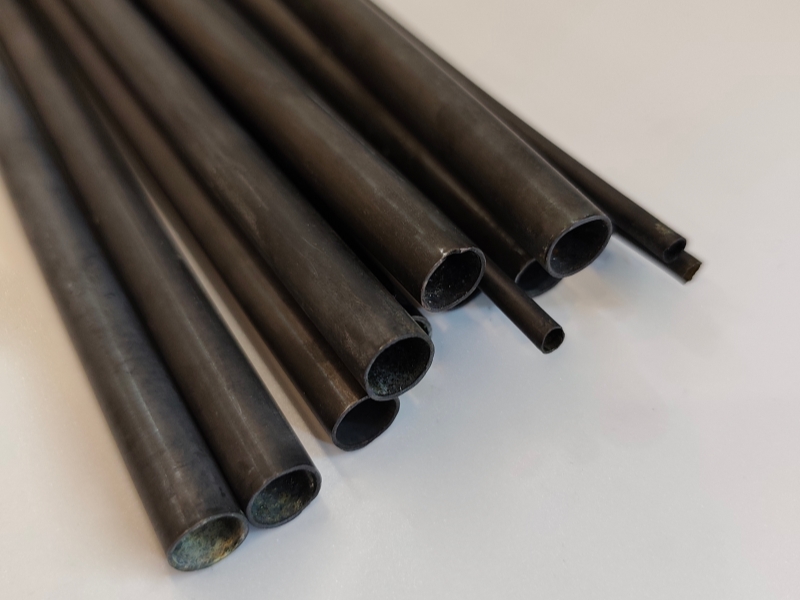
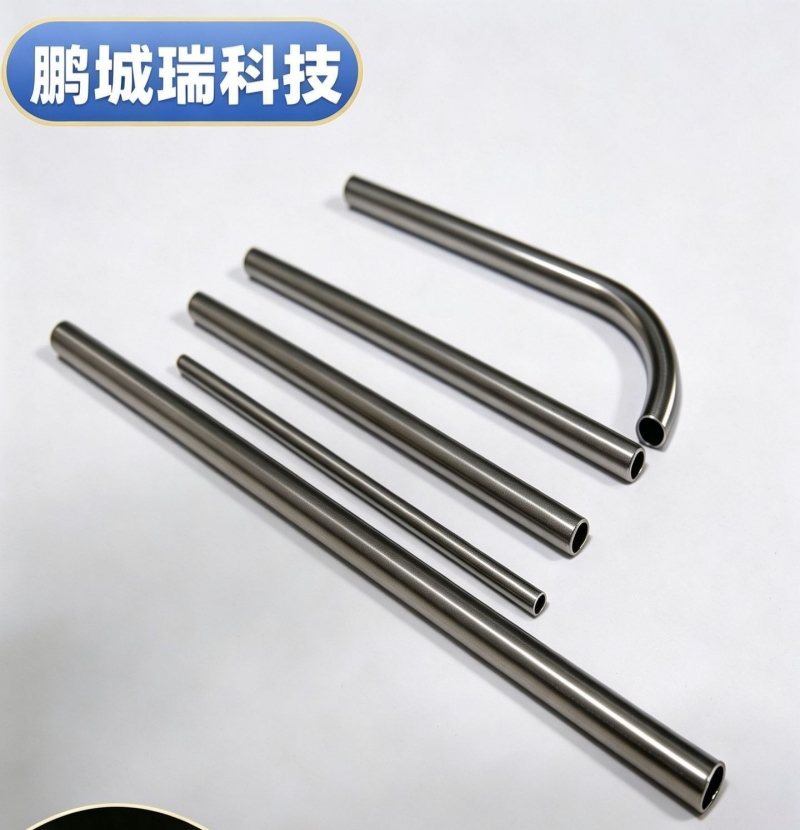
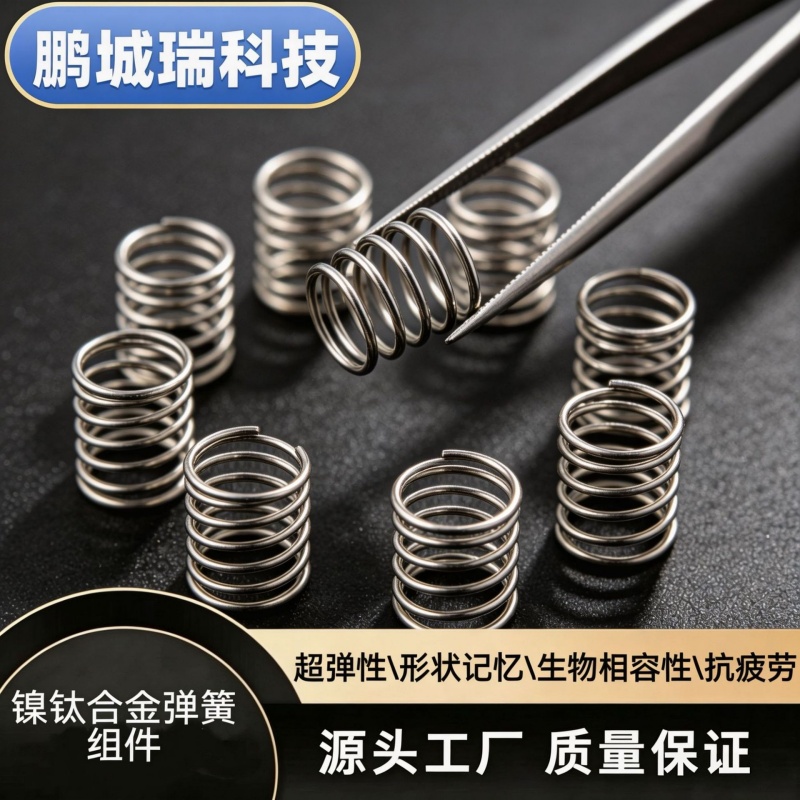
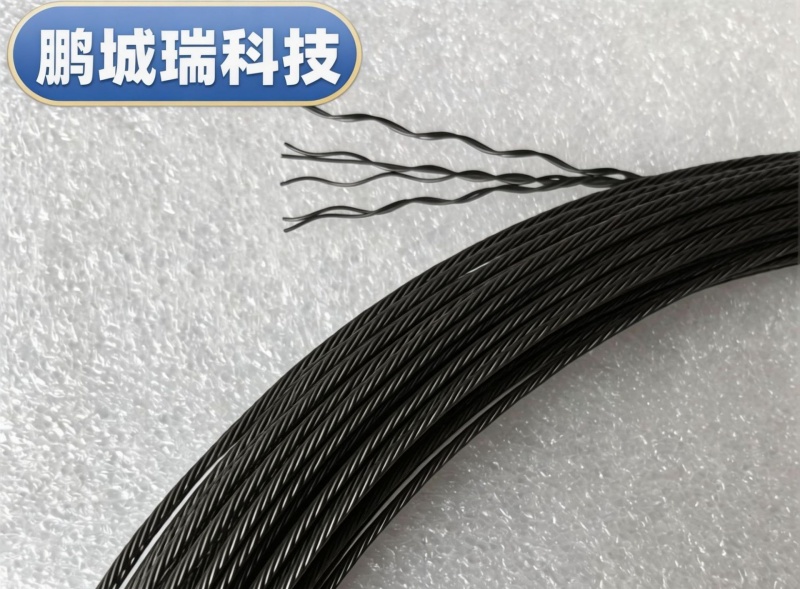
Nitinol
Seamless nickel titanium tube Nickel titanium fiber wire Nickel titanium plateApplication Area
Medical Industry New Energy Aerospace Machinery Manufacturing Marine Engineering Petrochemical IndustryContact Us
Contacts:Manager Wu +86 13632667260


 WeChat
 Call me
X