
 Chinese
 English
Service Hotline
+86 18948275773+86 13632667260

The core of nickel titanium wire bending lies in compensating for springback during cold bending and locking during hot bending. The key is to utilize its superelasticity/shape memory characteristics to control stress and temperature.
1、 Core Features
Super elasticity: can deform significantly (>8%) at room temperature, has extremely strong rebound (5% -15%), and must be bent during cold bending.
Shape memory: Heating above the phase transition temperature (Af ≈ 60-100 ℃) can restore the preset shape; Heat setting (200-500 ℃) can permanently lock the shape.
Brittle risk: easy to crack due to cold bending, rapid bending, small radius, and repeated bending; Priority is given to hot bending at large angles (>90 °).
2、 Common bending methods
1. Cold bending method (manual/simple equipment, suitable for small batches and simple angles)
Tools: fine wire pliers, trapezoidal pliers, sun and moon pliers, bending table, caliper.
Steps:
(1) Clean the silk material and mark the bending points.
(2) Apply force slowly with a large curvature radius, step by step, and bend lightly multiple times to avoid sudden bends at a single point.
(3) Overturn compensation: If the target is 90 °, bend to 100 ° -110 ° and approach 90 ° after rebounding.
(4)Compare the model/workpiece and fine tune it; The recommended end bending angle is ≥ 90 ° to prevent rebound and tie the mouth.
Applicable: orthodontic archwire fine adjustment, simple bracket, small batch trial production.
2. Hot bending/heat setting method (precise and complex shapes, batch production, permanent setting)
Principle: Heating to 200-500 ℃ (depending on composition) enhances plasticity and allows for significant deformation; Quick cooling lock shape.
Equipment: hot air gun/oven/induction heating, high temperature resistant mold, temperature controller (± 5 ℃).
Steps:
(1)Pre bend to approach the target shape.
(2)Place the mold, heat it to the set temperature and keep it warm for 3-10 minutes.
(3)Maintain rapid cooling under pressure (air-cooled/water-cooled).
(4)Remove and inspect, and if necessary, perform secondary heat setting.
Applicable: Medical stents, precision springs, complex 3D structures, mass production and shaping.
3. Mechanical/CNC bending (batch, high-precision, complex curves)
Equipment: CNC bending machine, wire bending machine, linear module drive system.
Key points:
Programming input path and rebound compensation amount.
Step by step molding, real-time detection of rebound.
Large angle/complex shape combined with pre stretching and heat setting.
Applicable: Industrial batch, high-precision parts.
3、 Key skills and avoiding pitfalls
Rebound compensation: Cold bending is necessary, and the larger the angle, the more compensation (10 ° -20 ° for 90 °).
Curvature radius: R ≥ 3 x wire diameter, the smaller the radius, the easier it is to crack; Prioritize large arc transitions.
Avoid dead bending: Do not bend 90 ° sharp corners directly, use circular arcs for transition.
Hot bending temperature: Conduct a small sample test first, preferably low rather than high, to prevent over burning and brittleness.
End treatment: Orthodontic end bending 90 °+heat setting to prevent rebound and mucosal injury.
Stress relief: After complex bending, low temperature annealing (150-200 ℃ × 10-30 min) can be used to relieve stress.
4、 Quick orthodontic clinical operation (nickel titanium archwire bending)
(1)Use fine wire pliers/end bending pliers to clamp and bend to 110% -120% of the desired angle.
(2)Extraverted/retroverted molar area: Step by step gentle bending, compare and adjust the model.
(3) End bending: Bend 90 ° towards the gingival/buccal side after clamping, and if necessary, heat and shape to prevent rebound.
(4)Overall arch shape: With the use of an archwire forming device and induction heating, it can quickly shape and match the dental arch.
5、 Common Problems and Solutions
Excessive rebound: increase the amount of cornering; Or hot bending and shaping.
Fracture at the bend: reduce bending force, increase R, switch to hot bending, check for scratches on the wire material.
Unstable shape: heat setting after cold bending; Or choose low hysteresis nickel titanium wire.
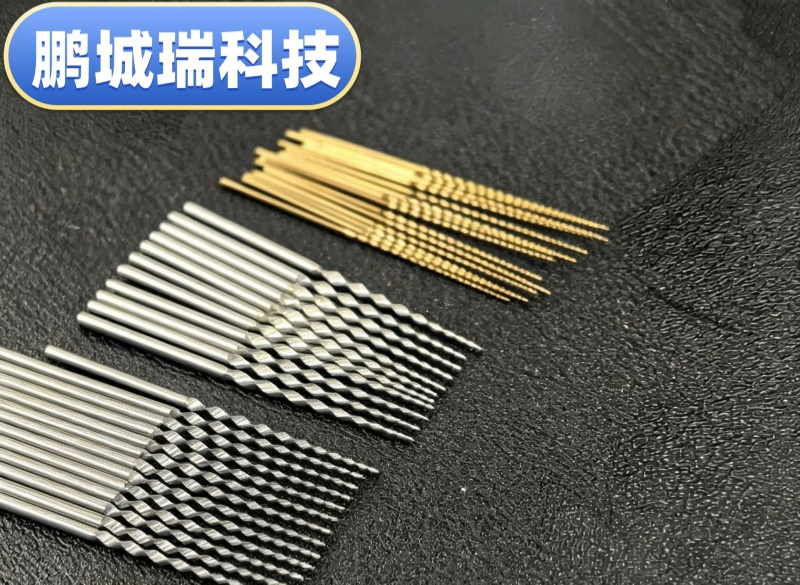
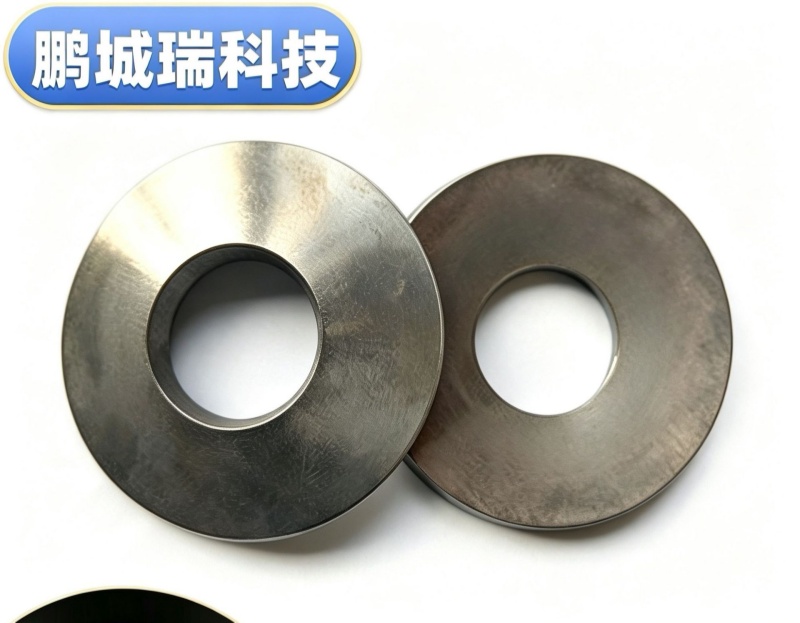
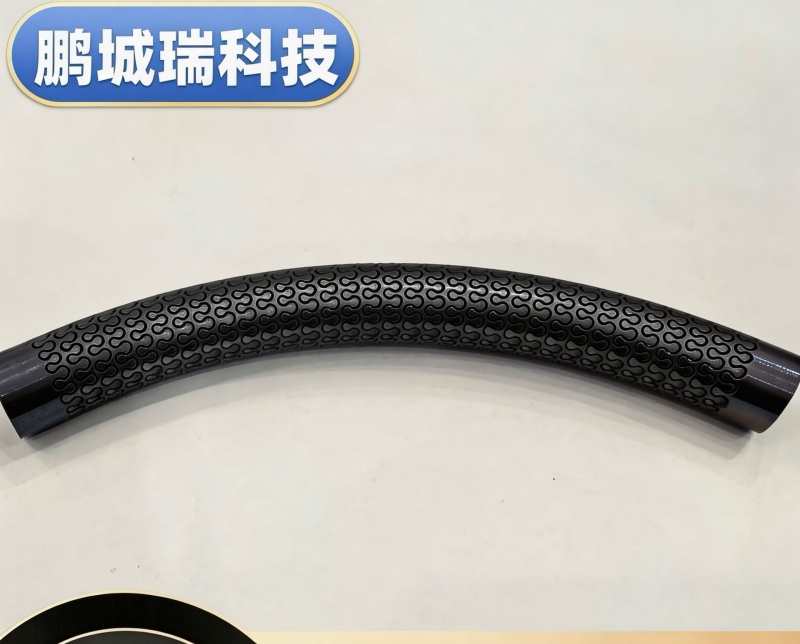
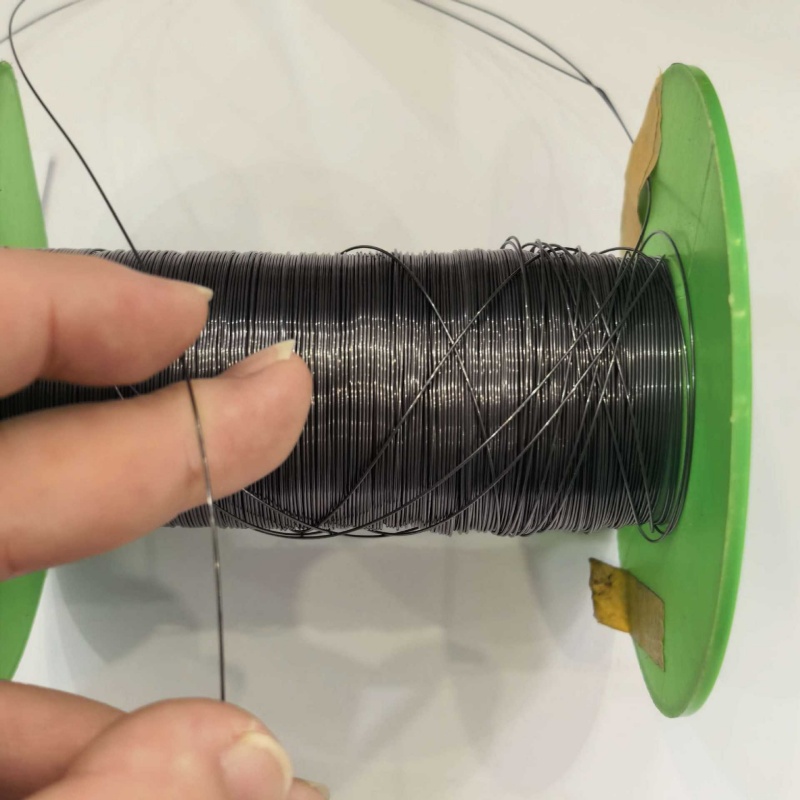
Pengchengrui in Huizhou provides three ideological products: nickel titanium memory alloy wire, pipe, and plate. Through deep processing and manufacturing, the products are formed to solve customers' technical problems.
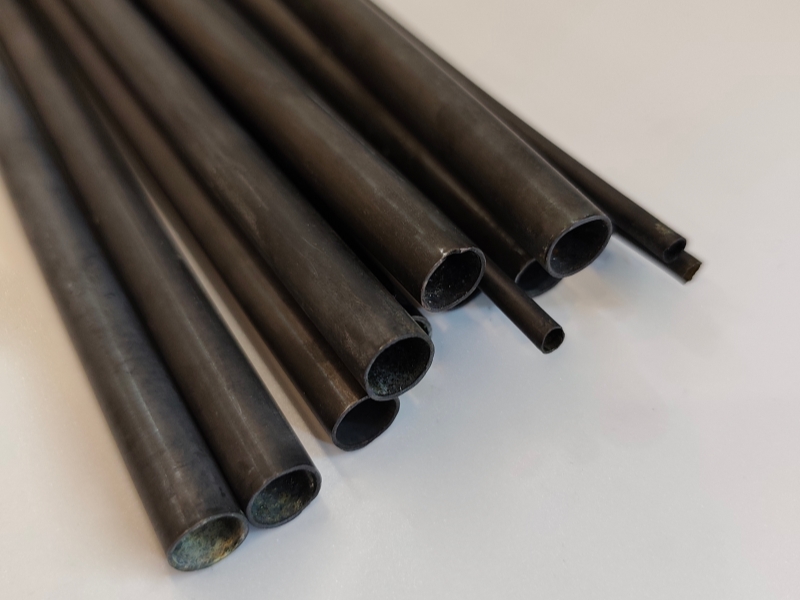
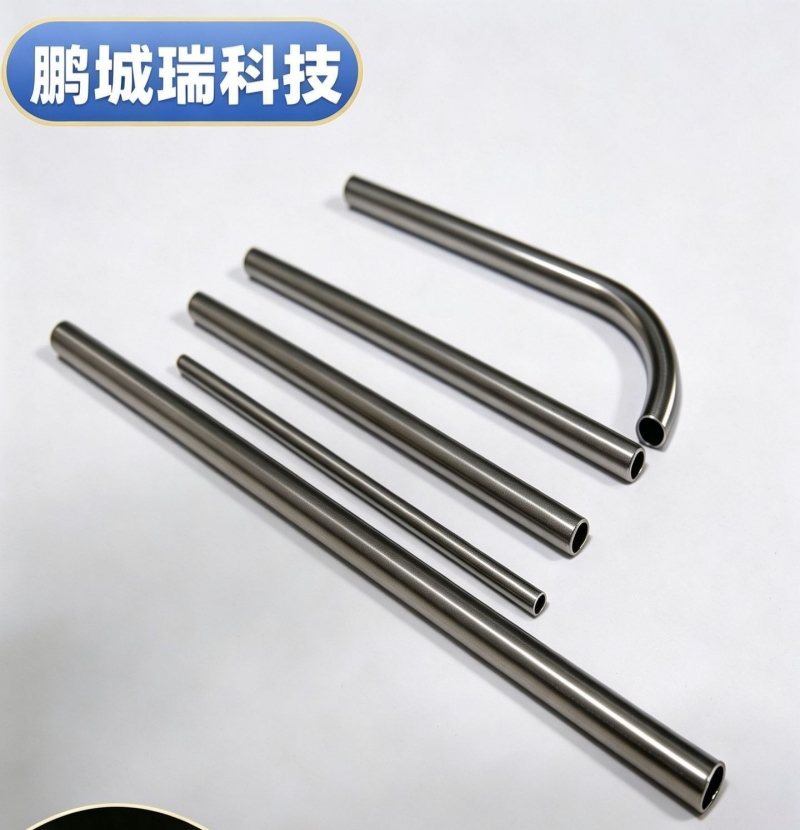
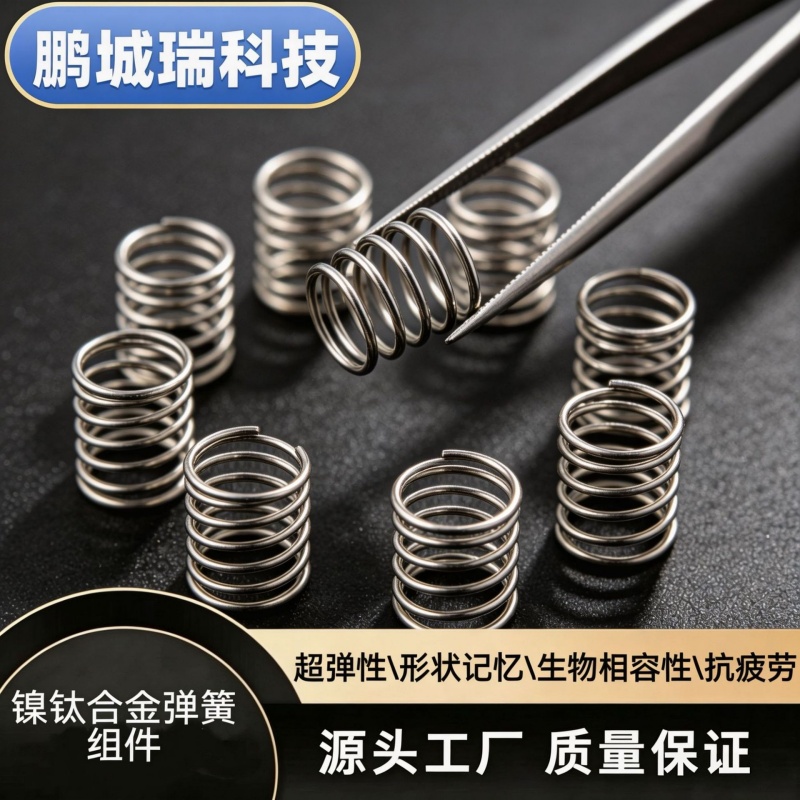
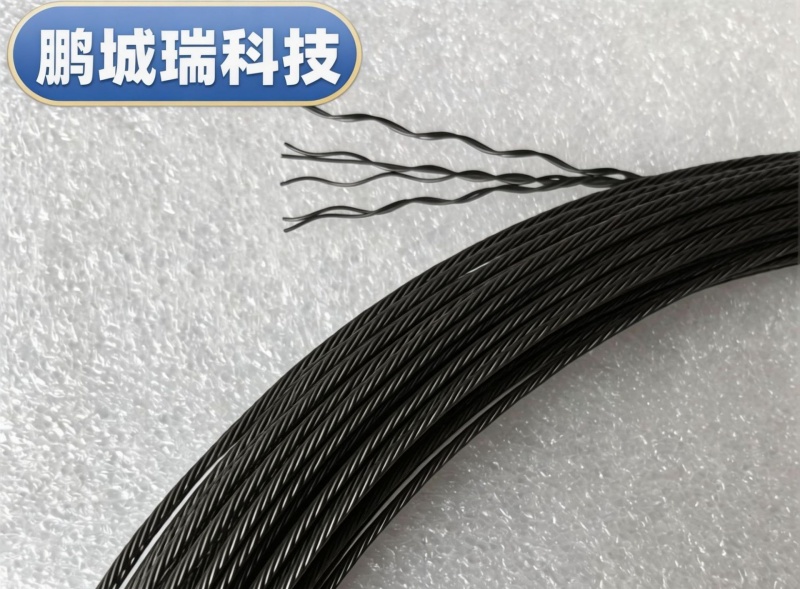
Nitinol
Seamless nickel titanium tube Nickel titanium fiber wire Nickel titanium plateApplication Area
Medical Industry New Energy Aerospace Machinery Manufacturing Marine Engineering Petrochemical IndustryContact Us
Contacts:Manager Wu +86 13632667260


 WeChat
 Call me
X