
 Chinese
 English
Service Hotline
+86 18948275773+86 13632667260


Nickel titanium memory alloy has broad application potential in the field of civil engineering due to its unique shape memory effect and superelasticity, mainly used to improve the seismic performance, self-healing ability, and intelligent control ability of structures. The following are the main application scenarios and specific cases summarized by Huizhou Pengchengrui:
1. Structural seismic resistance and vibration control
• Dampers and energy dissipation devices:
The superelasticity of nickel titanium alloy can automatically recover after deformation, absorb seismic energy, and reduce residual deformation. For example, installing nickel titanium alloy dampers in bridge bearings and building supports can significantly reduce structural damage by dissipating energy through phase transformation during earthquakes.
Case: A high-speed railway bridge in Italy uses nickel titanium alloy dampers, and the automatic recovery rate of beam displacement after earthquakes reaches over 90%.
Adaptive isolation system:
Using nickel titanium alloy springs or wire materials for the base isolation layer, adjusting the structural stiffness through temperature control or stress triggered phase transition, and adapting to earthquakes of different intensities.
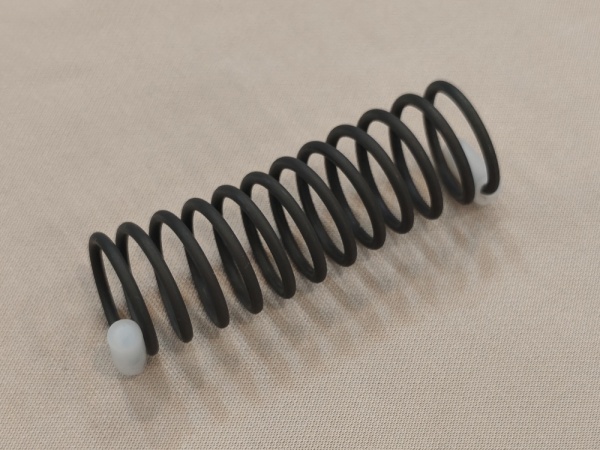
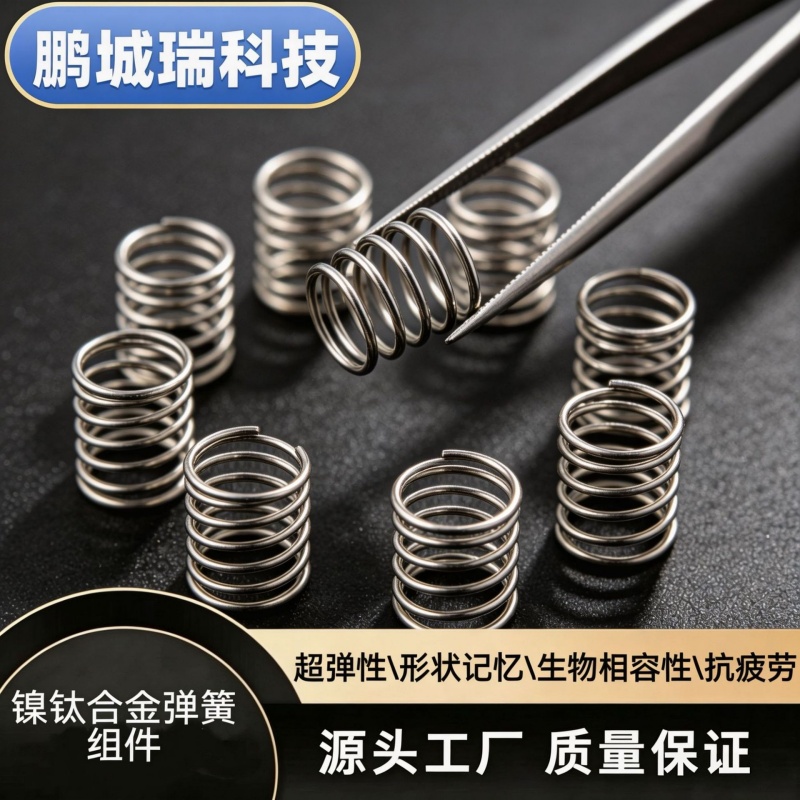
Nickel titanium memory alloy structural components
2. Structural connection and reinforcement
Intelligent rivets and bolts:
By utilizing the shape memory effect (heating to restore the original state), the preload force can be automatically adjusted. For example, high-strength bolts in bridge steel structures can be restored to their initial fastening force by heating after relaxation under long-term loads.
Concrete structure reinforcement:
Embedding nickel titanium alloy bars/sheets into concrete beams and columns, utilizing their superelasticity to suppress crack propagation, or using electrical heating to shrink the alloy, applying prestress to the components, and enhancing their bearing capacity.
3. Self repairing structure
• Crack closure and damage repair:
Pre embedded nickel titanium alloy wire in concrete, when cracks appear in the structure, the shape memory effect is activated by heating, and the alloy shrinkage pulls the cracks to close.
Experimental study: Japanese scholars embedded nickel titanium alloy mesh in concrete beams, and after electric heating, the crack width decreased by about 60%.
4. Intelligent monitoring and sensing
• Strain sensor:
The resistance of nickel titanium alloy varies linearly with strain and can be embedded inside the structure as a distributed sensor to monitor deformation and damage locations in real time.
• Temperature adaptive components:
Used for bridge expansion joints or pipeline joints, the alloy automatically adjusts the gap when temperature changes to avoid thermal expansion and contraction damage.
5. Special scenario applications
Underwater tunnel anchor rod:
Design an adaptive anchoring system to resist tidal loads by utilizing the phase transition characteristics of alloys in low-temperature seawater.
• Protection of historical buildings:
Replace traditional steel bars and utilize super elasticity to reduce permanent deformation of historical structures caused by earthquakes.
Advantages and Challenges
• Advantages:
• High fatigue life (durability better than ordinary steel);
• Self recovery capability, reducing maintenance costs;
• Function response can be achieved without external power.
• Challenge:
• High cost (about 10-20 times that of ordinary steel);
• Complex processing and connection techniques;
Long term service performance data still needs to be accumulated.
Current research focuses on optimizing alloy composition (such as adding copper and iron elements to reduce costs), developing composite materials (nickel titanium concrete), and combining IoT technology to achieve intelligent structural systems. With the advancement of large-scale production technology, the application of nickel titanium alloys in earthquake resistant bridges, high-rise buildings, and lifeline engineering will gradually expand. Huizhou Pengchengrui Technology Co., Ltd. is a modern high-tech enterprise engaged in the research and development, smelting, rolling, drawing, sales, and service of nickel titanium memory alloy materials. The company mainly deals in nickel titanium high-temperature alloys (such as nickel titanium copper high-temperature alloys) and nickel titanium room temperature alloys, and is a supplier of nickel titanium alloy materials and wire pipes.
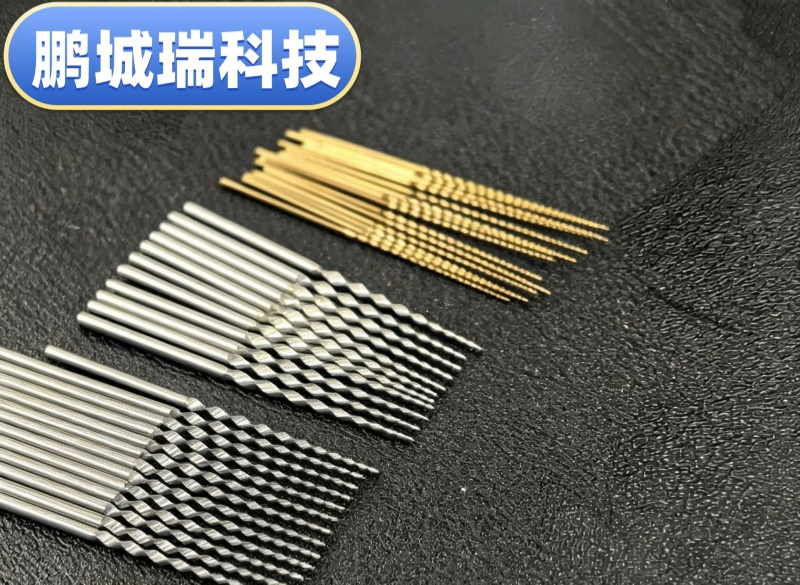
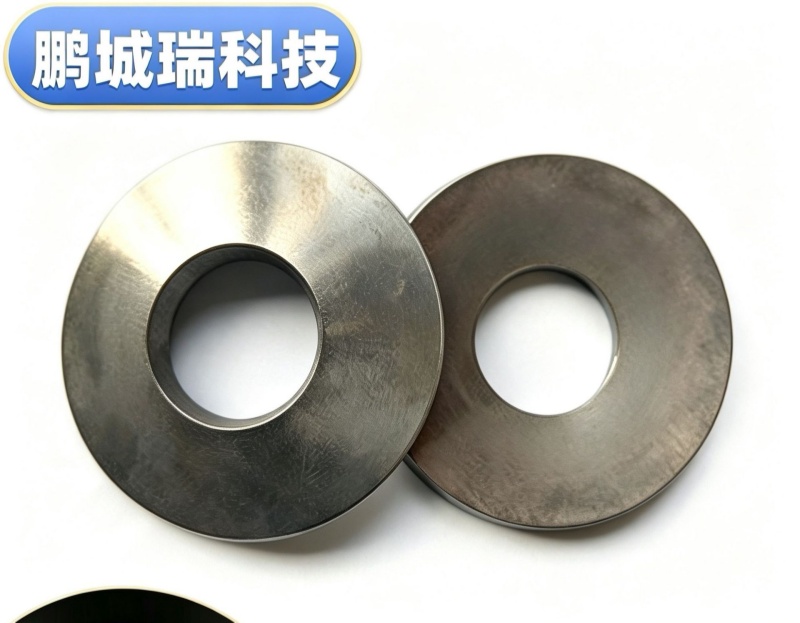
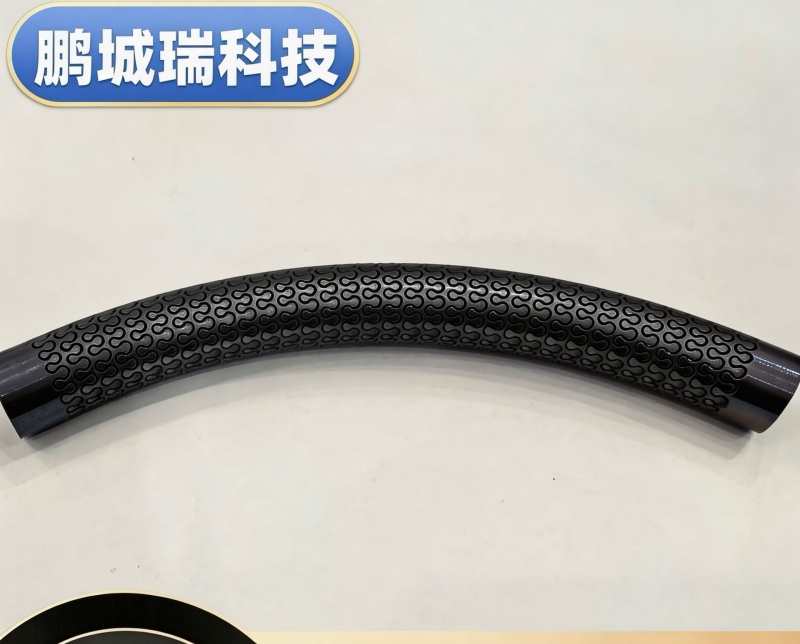
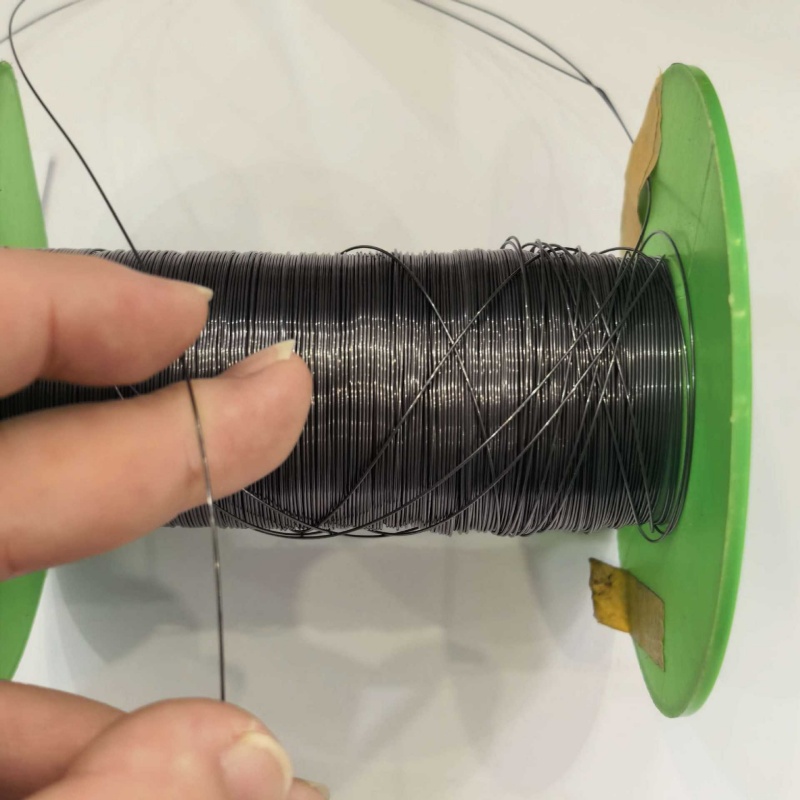
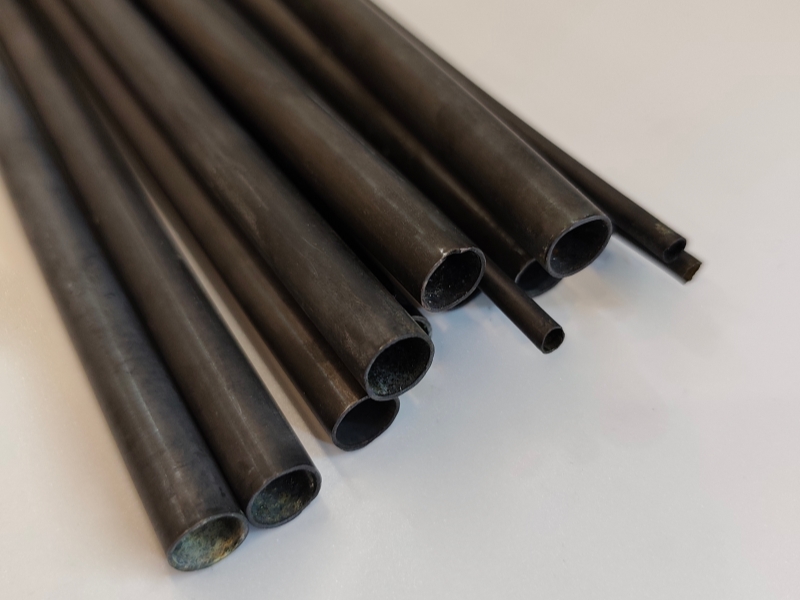
Nitinol
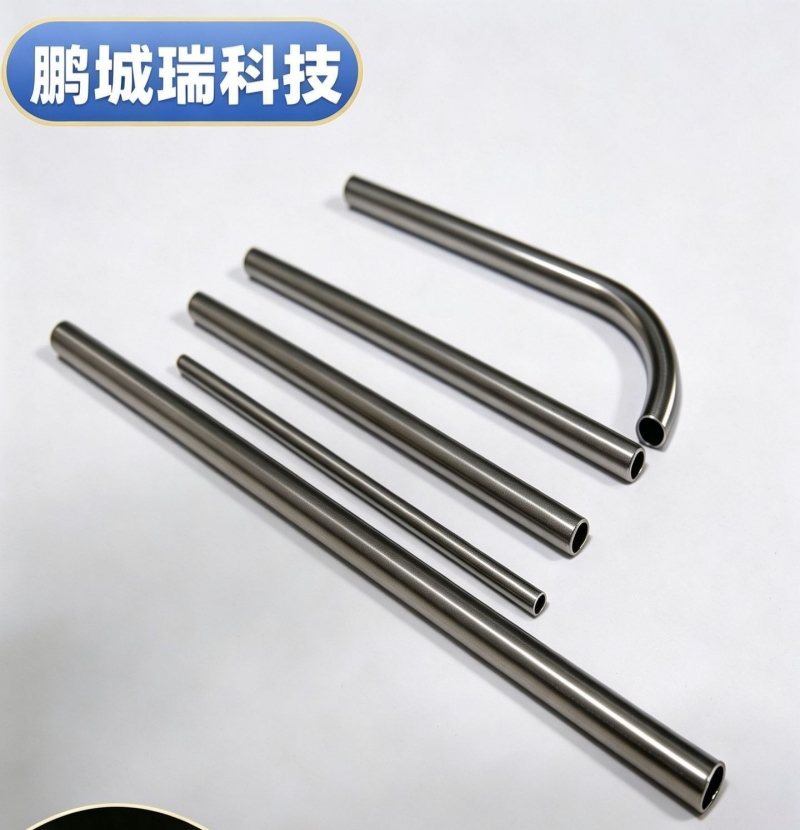
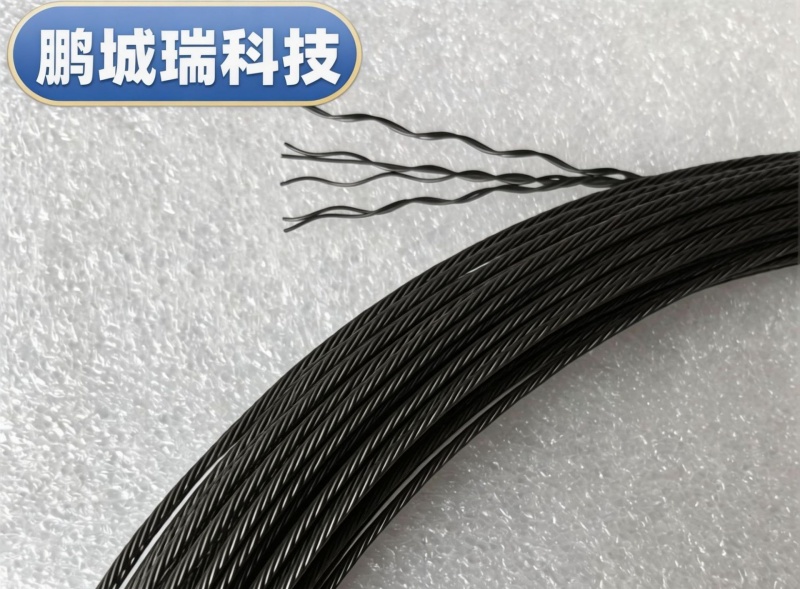
Seamless nickel titanium tube Nickel titanium fiber wire Nickel titanium plateApplication Area
Medical Industry New Energy Aerospace Machinery Manufacturing Marine Engineering Petrochemical IndustryContact Us
Contacts:Manager Wu +86 13632667260


 WeChat
 Call me
X