
 Chinese
 English
Service Hotline
+86 18948275773+86 13632667260


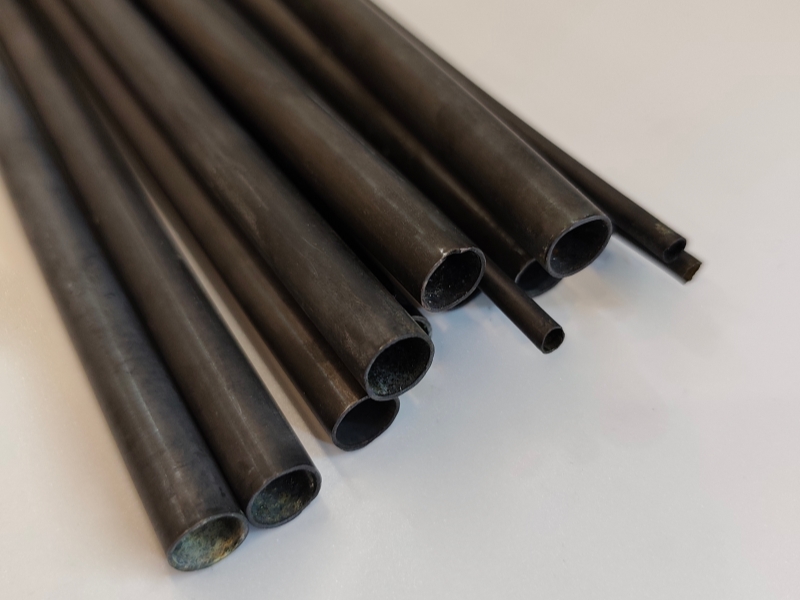
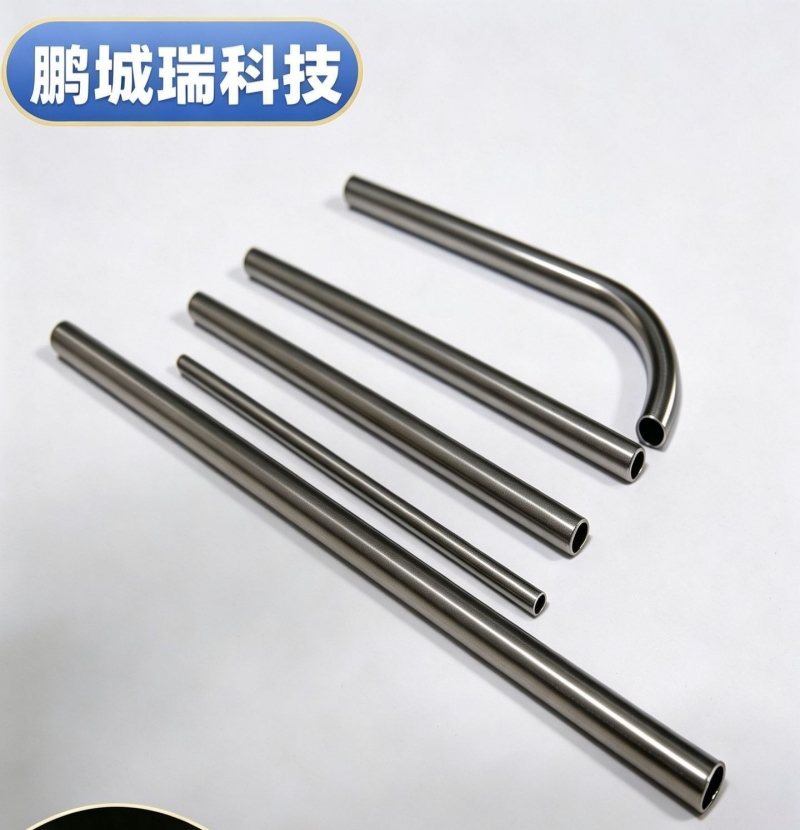
In simple terms, a nickel-titanium shape memory alloy tube is a tube made of nickel-titanium shape memory alloy, possessing two core characteristics of this alloy: shape memory effect and superelasticity.
I. Detailed explanation of core features
1. Shape memory effect
◦ Principle: At low temperatures (martensite phase), an alloy can be easily bent and deformed. However, when heated above a certain specific temperature (referred to as the "austenite transformation end temperature Af"), it will fully "remember" and revert to its previously set high-temperature shape (austenite phase).
◦ Significance for tubes: It is possible to create tubes that automatically expand at body temperature. For example, a straight alloy tube can be bent into a complex shape in ice water, and after being implanted into the human body, it can automatically straighten itself relying on body temperature.
2. Super-elasticity
◦ Principle: At room temperature (above the Af temperature), when an alloy is subjected to external force, it undergoes elastic deformation that is much greater than that of ordinary metals (up to 8% or more). However, once the external force is removed, it immediately returns to its original shape without any permanent deformation. This process is stress-induced martensitic transformation.
◦ The significance of the tube: It endows the tube with extremely high flexibility and fatigue resistance. It can bend through a large angle without breaking, making it highly suitable for use in environments requiring twists and turns.
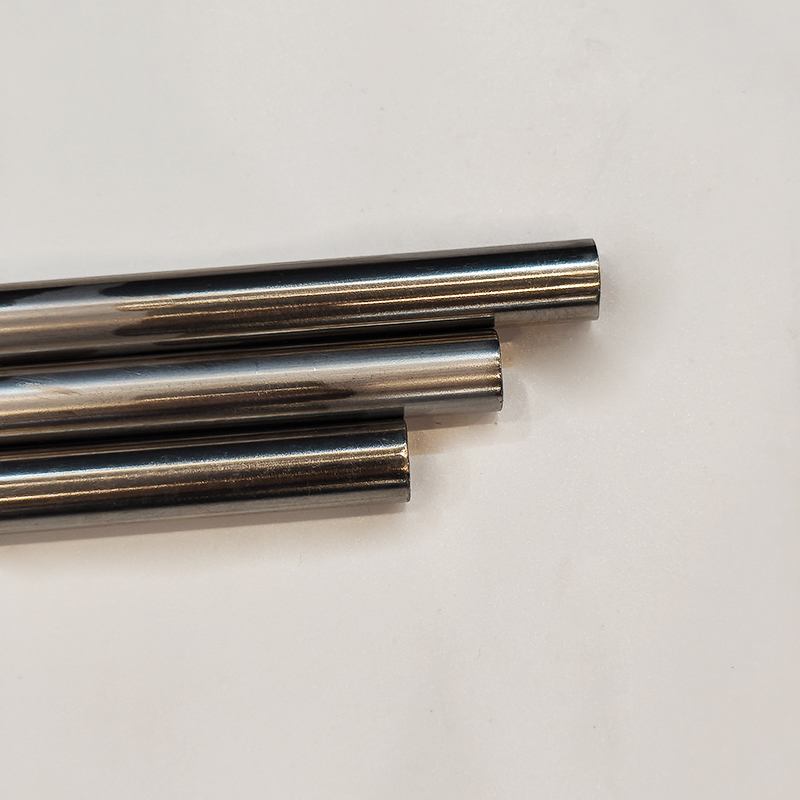
Nickel-titanium shape memory alloy tube
II. Main application areas of nickel-titanium shape memory alloy tubes
Based on the above characteristics, the primary applications of nickel-titanium alloy tubes are concentrated in two highly demanding fields: medical devices and high-end industry.
1. Medical devices
Here, the biocompatibility of nickel-titanium alloy tubes is crucial (a dense titanium oxide passivation film usually forms on the surface of medical-grade nickel-titanium alloy).
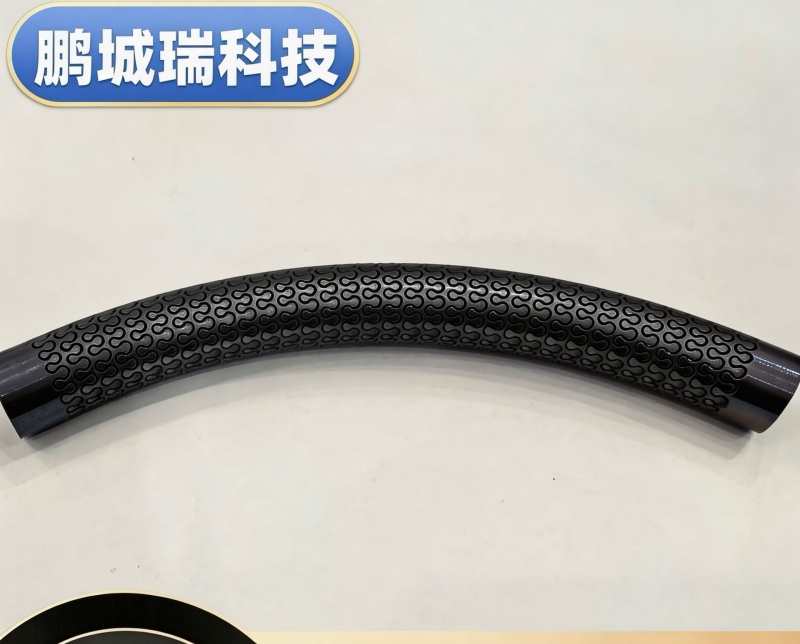
• Vascular stent: This is the most renowned application. An ultra-thin nickel-titanium alloy tube is laser-engraved into a mesh structure. The stent is compressed into an extremely thin catheter and delivered to the lesion site (such as the coronary artery) through the blood vessel. Upon release, it expands spontaneously at body temperature, or is expanded by a balloon, utilizing its superelasticity to permanently prop open the narrowed blood vessel.
• Guidewire: Used in interventional procedures to guide catheters to their target locations. Its superelasticity allows the guidewire to easily pass through complex and curved blood vessels without kinking or permanently deforming, providing excellent support and tracking for the procedure.
• Thrombectomy device: Used to remove thrombus from cerebral blood vessels. The head of the device is usually a mesh structure made of nitinol alloy tube, which can be inserted into the blood vessel through minimally invasive means, capture the thrombus, and then be withdrawn.
• Orthopedic implants: such as nails and bone plates used for internal fixation of fractures. They can utilize their shape memory effect to generate continuous clamping force (dynamic compression) in the body, promoting bone healing.
• Dental orthodontic wire: Utilizing its super elasticity and gentle yet continuous restoring force, it can provide more comfortable and efficient orthodontic treatment compared to traditional steel wires.
2. Industry and aerospace
• Pipe fittings: Used for connecting hydraulic pipelines. The alloy pipe fittings, with an inner diameter slightly smaller than the outer diameter of the pipe, are expanded at low temperatures. After being fitted onto the pipe to be connected, the temperature rises, causing the fittings to contract and generate a strong clamping force, achieving a "heat-shrink connection" with excellent sealing performance.
• Actuator: Utilizing the shape memory effect, it directly converts thermal energy (heated by electric current) into mechanical motion. It can serve as a compact and silent driving component for applications such as satellite antenna deployment, temperature control valves, and robotic joints.
• Damping and shock absorption: Utilizing the characteristic of absorbing a large amount of energy during the superelastic phase transition process, it is applied to seismic resistance of building structures and shock isolation of precision instruments.
III. Key points of manufacturing process
Manufacturing a high-performance nickel-titanium memory alloy tube is a technology-intensive process:
1. Melting and forging: The melting of nickel and titanium needs to be conducted under vacuum or inert gas protection to prevent oxidation and ensure uniform composition.
2. Piercing and drawing: The ingot is made into a hollow tube billet, and then the diameter and wall thickness are gradually reduced through multiple cold drawings. This process requires intermediate annealing to eliminate work hardening.
3. Shape memory treatment: This is the most crucial step. Through specific heat treatment (such as quenching at around 500°C), the tube is "set" to its final shape and phase transition temperature that needs to be memorized.
4. Laser cutting/engraving: For complex components such as brackets, precision machining techniques like femtosecond laser are used to cut intricate patterns on thin tubes.
5. Surface treatment: Electrolytic polishing, acid pickling, etc. are performed to obtain a smooth surface and improve corrosion resistance and biocompatibility.
The nickel-titanium shape-memory alloy tube is more than just a metal tube; it is an "intelligent" component that integrates materials science, mechanics, and thermodynamics. It transforms advanced material properties into practical solutions for cutting-edge problems in the medical and engineering fields, especially in the realm of minimally invasive medicine, where it serves as an almost irreplaceable key material, continuously driving technological advancements.
Huizhou Pengchengrui is a modern high-tech enterprise specializing in the research and development, smelting, rolling, drawing, sales, and service of nickel-titanium memory alloy materials. Its subsidiary, Wuge Nickel-Titanium Alloy Company, primarily focuses on nickel-titanium high-temperature alloys (such as nickel-titanium copper high-temperature alloys) and nickel-titanium room-temperature alloys. It serves as a supplier of nickel-titanium alloy materials, wires, and tubes. We welcome friends with needs to come and discuss.
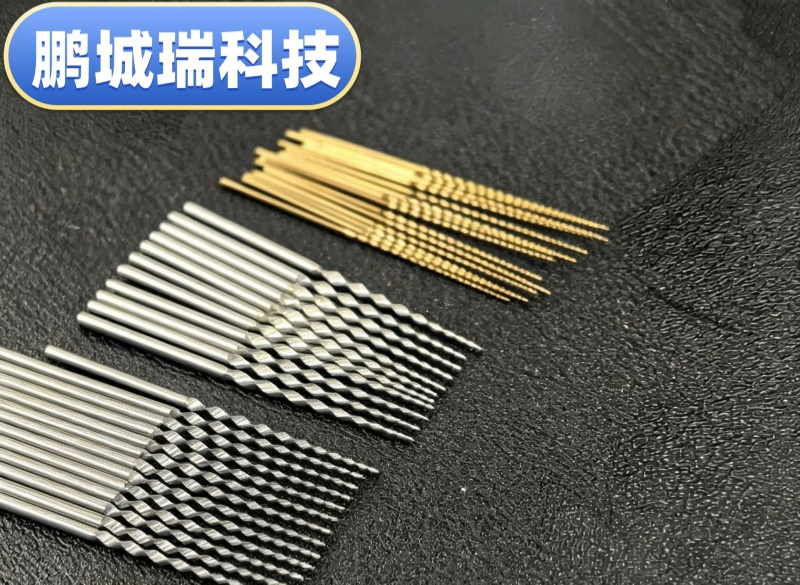
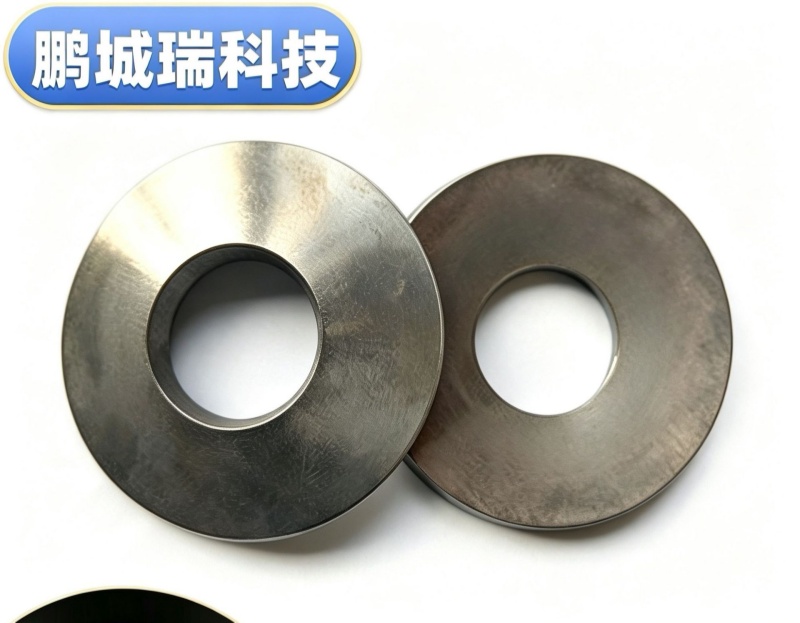
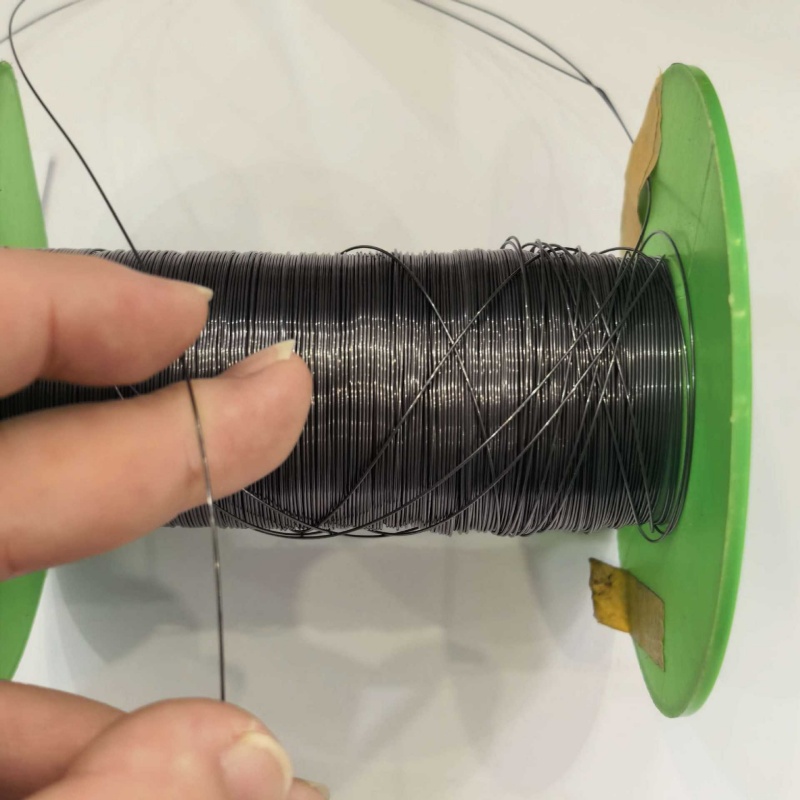
Nitinol
Seamless nickel titanium tube Nickel titanium fiber wire Nickel titanium plateApplication Area
Medical Industry New Energy Aerospace Machinery Manufacturing Marine Engineering Petrochemical IndustryContact Us
Contacts:Manager Wu +86 13632667260


 WeChat
 Call me
X