
 Chinese
 English
Service Hotline
+86 18948275773+86 13632667260


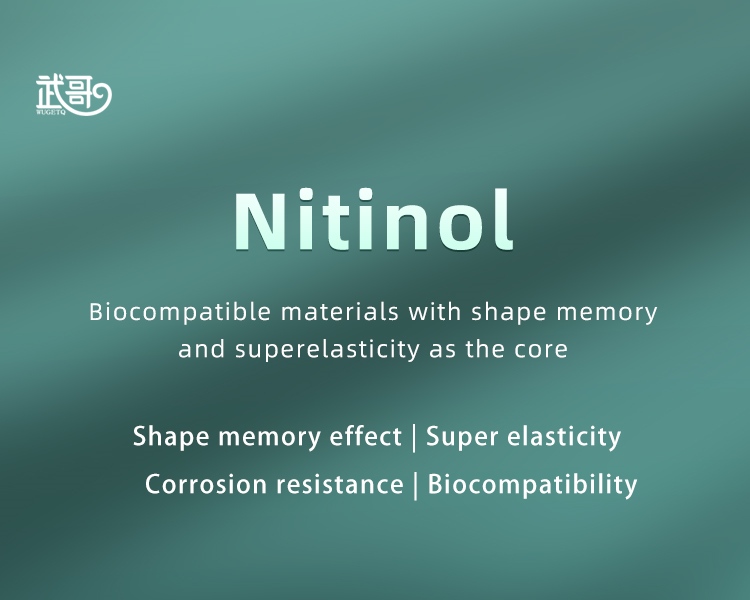

The superelasticity (also known as pseudo elasticity) of nickel titanium wire is triggered by stress, which triggers its internal crystal structure (austenite phase) ↔ The reversible transformation of stress-induced martensitic phase can be achieved without relying on temperature changes, and can spontaneously recover to its original state after external force is removed.
1、 Implementation process (3 key stages)
1. Initial stable state (austenitic phase)
At room temperature (and above its "phase transition temperature"), the crystal structure of nickel titanium wire is stable in the austenite phase, and the material itself has high hardness and fixed morphology.
2. External force action (stress-induced martensitic transformation)
When a sufficiently large external force (such as bending or stretching) is applied, stress will break the stability of the austenite phase, forcing the crystal structure to transform into the martensite phase (i.e. "stress-induced martensite"). During this process, the material can undergo significant deformation far exceeding that of ordinary metals such as stainless steel (up to 8% -10%, while stainless steel only accounts for about 0.2%), and the internal stress remains stable during deformation, without rapid fracture due to increased deformation.
3. External force removal (reverse phase transition recovery)
When the external force is relieved, the stress disappears, and the "stress-induced martensite" will spontaneously reverse and transform back into the austenite phase, restoring the crystal structure to its initial state. The nickel titanium wire will also rebound to its original shape before being subjected to force, without any permanent deformation residue, thus exhibiting "superelasticity".
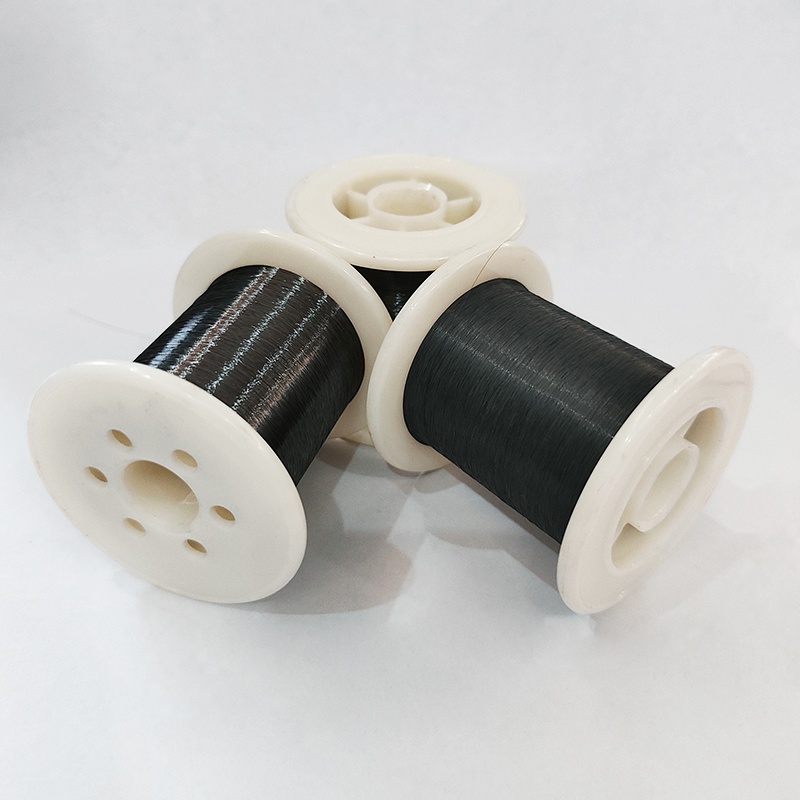
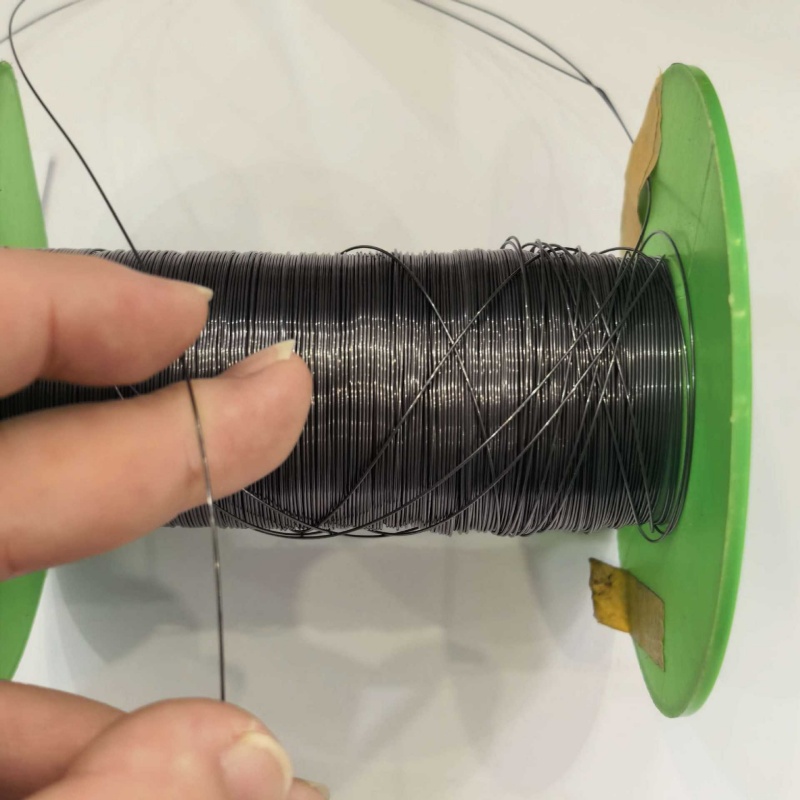
Nickel-titanium wire
2、 Temperature and stress threshold
Temperature condition: Superelasticity only takes effect when the working temperature of nickel titanium wire is higher than its phase transition temperature (if the temperature is lower than the phase transition temperature, it will not rebound after external deformation and needs to be heated to recover, which is known as the "shape memory effect").
Stress threshold: An external force exceeding the "martensitic transformation initiation stress" is required to trigger the crystal structure transformation. Below this threshold, the material only exhibits ordinary elasticity.
The shape memory function of nickel titanium wire only takes effect around the "phase transition temperature", which can be customized by adjusting the composition of nickel titanium alloy (such as slight changes in nickel content), for example:
Medical orthodontic wire/stent: The phase change temperature is set to the body temperature (around 37 ℃), and the shape can be restored upon contact with body temperature after implantation.
Industrial devices (such as temperature control valves): The phase change temperature can be set to tens to hundreds of degrees according to demand.
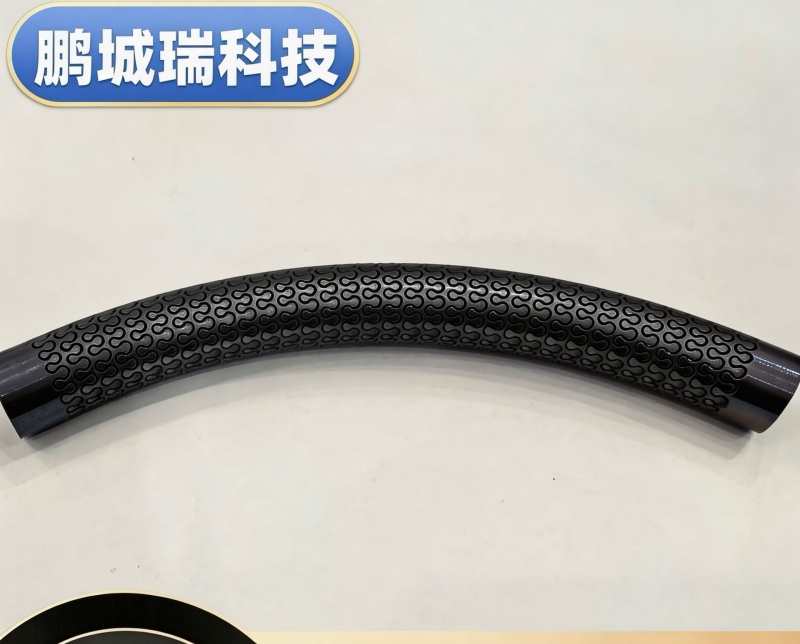
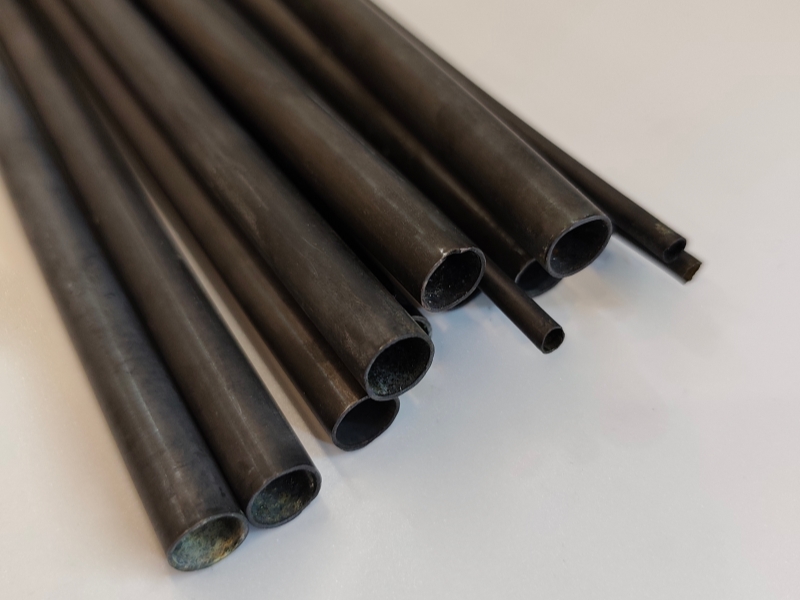
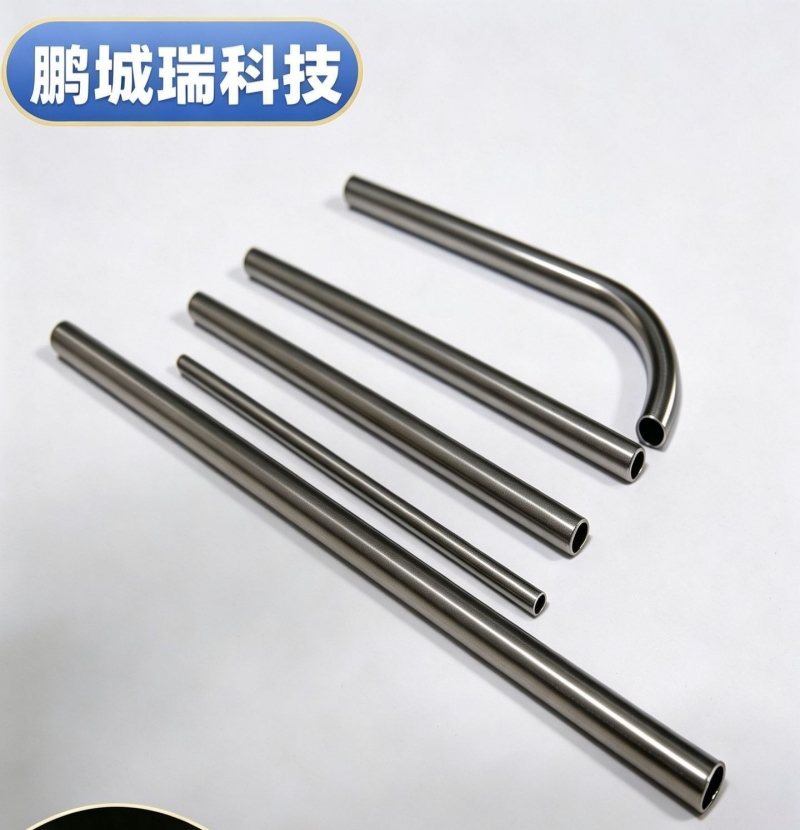
Wuge Nickel Titanium Alloy Materials, the company's main products are nickel titanium high-temperature alloys (such as nickel titanium copper high-temperature alloys) and nickel titanium room temperature alloys. It is a supplier of nickel titanium alloy materials and wire and pipe materials, and has a great interest in the civilian application of nickel titanium alloys. We are looking for like-minded partners.
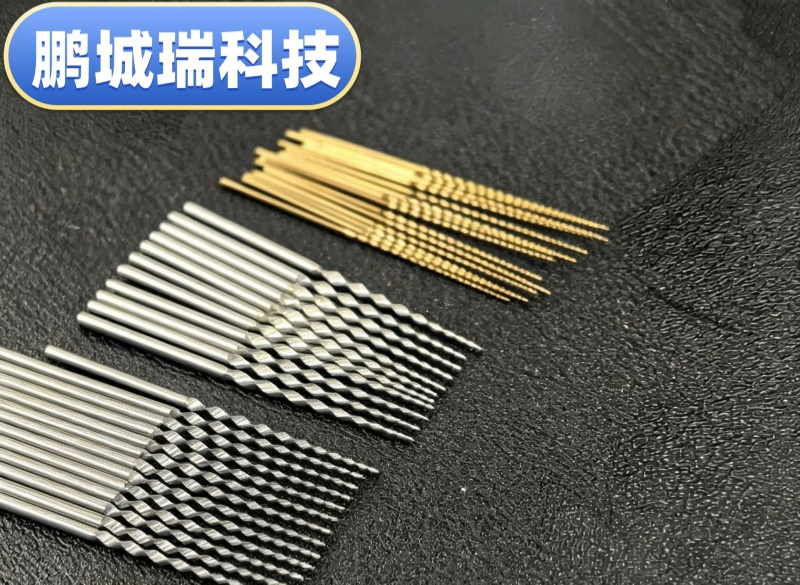
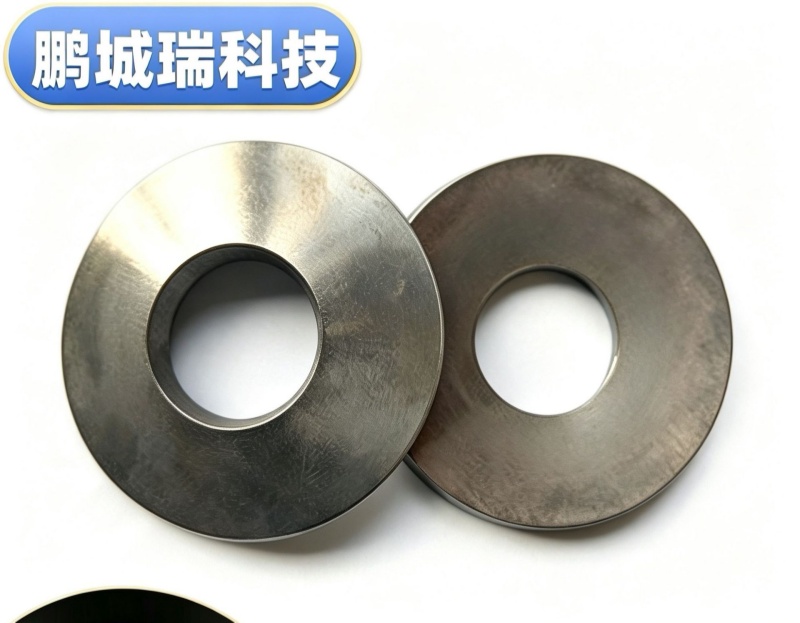
Nitinol
Seamless nickel titanium tube Nickel titanium fiber wire Nickel titanium plateApplication Area
Medical Industry New Energy Aerospace Machinery Manufacturing Marine Engineering Petrochemical IndustryContact Us
Contacts:Manager Wu +86 13632667260


 WeChat
 Call me
X