
 Chinese
 English
Service Hotline
+86 18948275773+86 13632667260


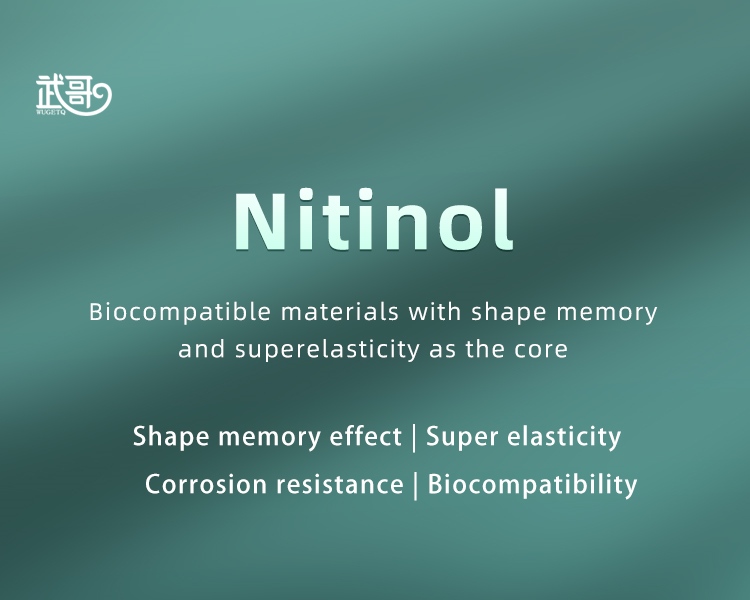

In badminton, the racket string is the key medium connecting the player and the ball. Choosing the right racket string that suits oneself can make the technical performance more stable and even bring significant improvement in hand feel. At present, the mainstream badminton racket strings are mainly divided into three categories: nickel titanium alloy strings, carbon fiber strings, and various composite strings. They each have their own emphasis on performance and need to be selected according to individual needs.
1、 Mainstream racket string types and characteristics
The different materials of racket strings directly affect the hitting power, ball control accuracy, and durability. The core differences among the three common types of strings are as follows:

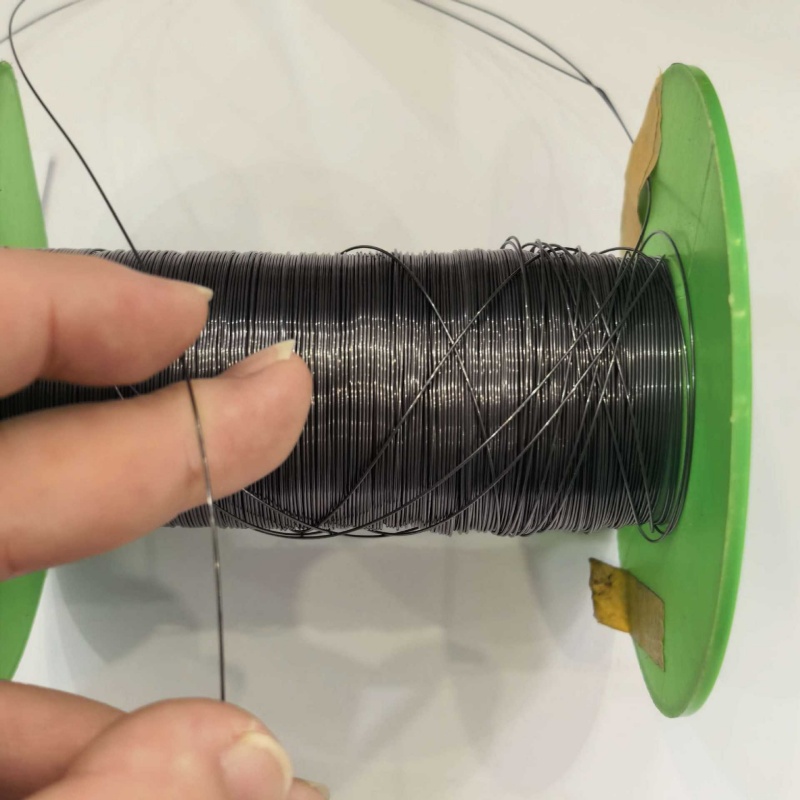
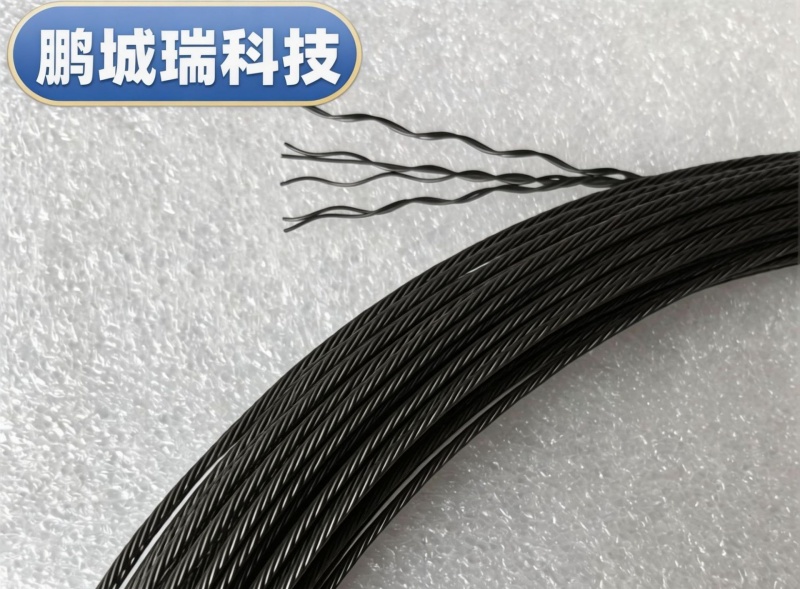
Nickel titanium alloy wire
Nickel titanium alloy wire: high strength, wear resistance, and long service life, with the most prominent advantage being excellent rebound performance - it can effectively amplify the hitting force, improve the flying speed of the ball, and is suitable for players who pursue offensive efficiency. However, its torque control ability is relatively weak, and it is necessary to optimize the overall feel by adjusting the parameters of the racket surface or frame.
Carbon fiber thread: Featuring lightweight characteristics, it also has excellent wear resistance and lifespan performance. Its core advantage lies in its strong torque control ability and stable performance, which can improve the smoothness and stability of swinging and hitting, helping players to control the landing point more accurately. But compared to nickel titanium alloy wire, its rebound performance is slightly weaker. If you want to enhance the hitting power, you need to adjust the hitting surface accordingly.
Multiple composite wires: made of two or more materials mixed together, with the core design concept of "complementing each other's strengths and weaknesses" - retaining the rebound performance and wear resistance similar to nickel titanium alloy wires, while incorporating the stable characteristics of carbon fiber wires, achieving a balance in strength, ball control, and durability, suitable for players who pursue comprehensive performance.
2、 How to choose the right racket string for oneself?
Choosing tennis racket strings is not about 'the more expensive the better', the key is to match an individual's strength, technical level, and playing habits. Specific dimensions can refer to the following:
1. Choose according to strength and weight: Players who are heavier and have sufficient strength will have a higher load on the wire when hitting the ball. It is recommended to choose high-strength wire (such as nickel titanium alloy wire, high durability composite wire), which can withstand greater force, improve the stability and durability of the racket, and reduce the frequency of wire breakage.
2. Select based on technical level: Players with higher technical level have more detailed requirements for ball control accuracy and swing feel. The strong torque control ability and stability of carbon fiber thread can help them accurately handle small movements such as rubbing, placing, and hooking diagonal; Players who are in the beginner or advanced stage of technology can prioritize wear-resistant and easy to use wires (such as nickel titanium alloy wires or basic composite wires) to lower the technical threshold.
3. Choose according to playing habits: If your playing style leans towards quick attacks, frequent use of techniques such as killing and assault, the high rebound performance of nickel titanium alloy lines can amplify the power of the attack; If the playing style focuses more on slow control and is good at controlling the rhythm through delicate handling in front of the net and pulling and hanging landing points, the precise ball control ability of the carbon fiber line is more suitable; If the playing style is comprehensive, requiring both offensive strength and emphasis on ball control stability, the balanced characteristics of multiple composite lines would be a more suitable choice.
In short, there is no "standard answer" for choosing racket strings, only the "most suitable answer for oneself". By combining one's own strength, skills, and playing style, selecting from the three mainstream types of strings, one can make the racket your "capable assistant" and perform at a better level in sports.
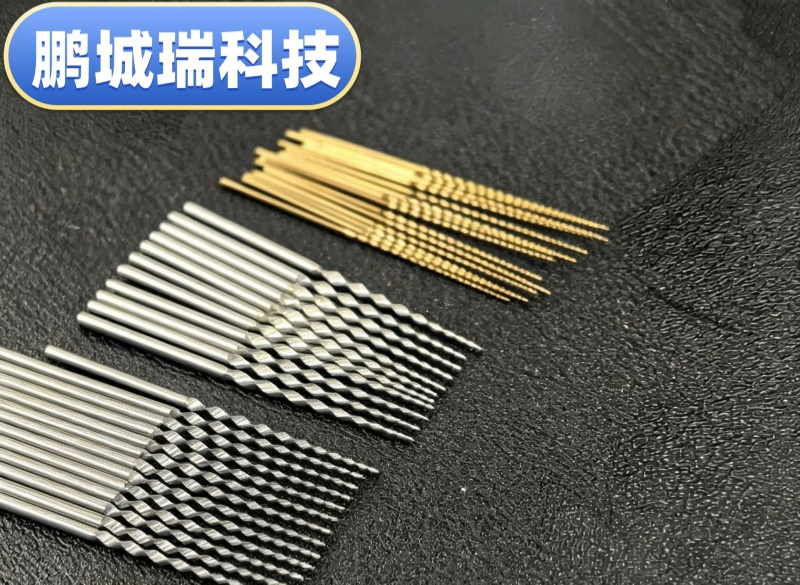
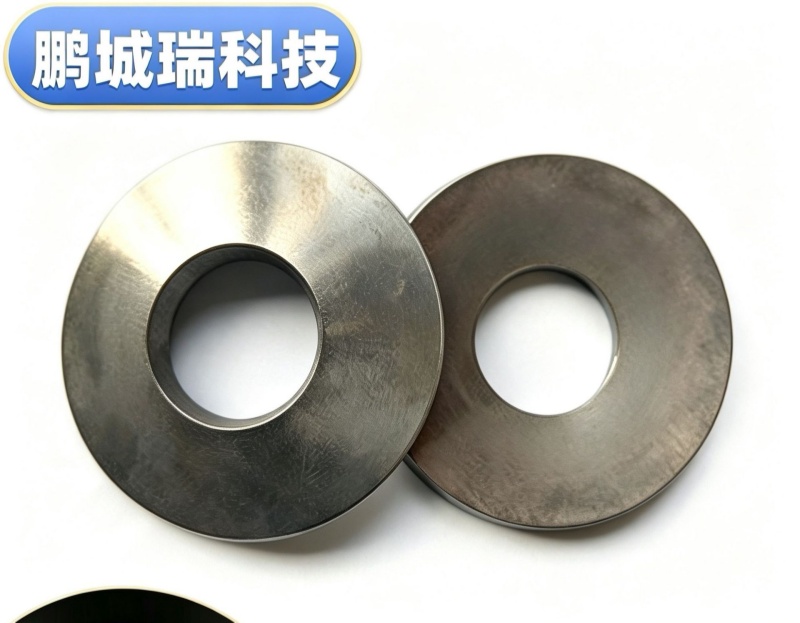
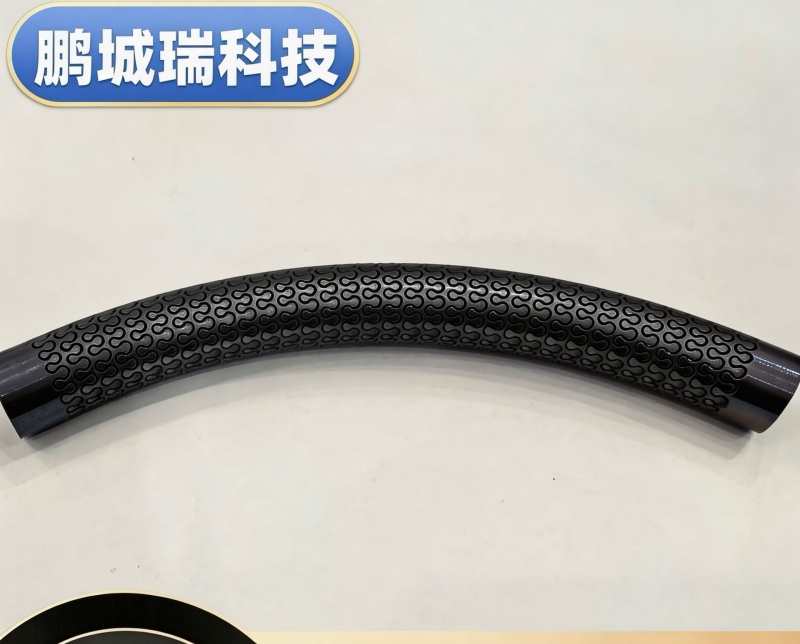
Wuge Nickel Titanium Alloy Material is a supplier of nickel titanium alloy materials and wire pipes. We have a great interest in the civilian application of nickel titanium alloys and are looking for like-minded partners.
Nitinol
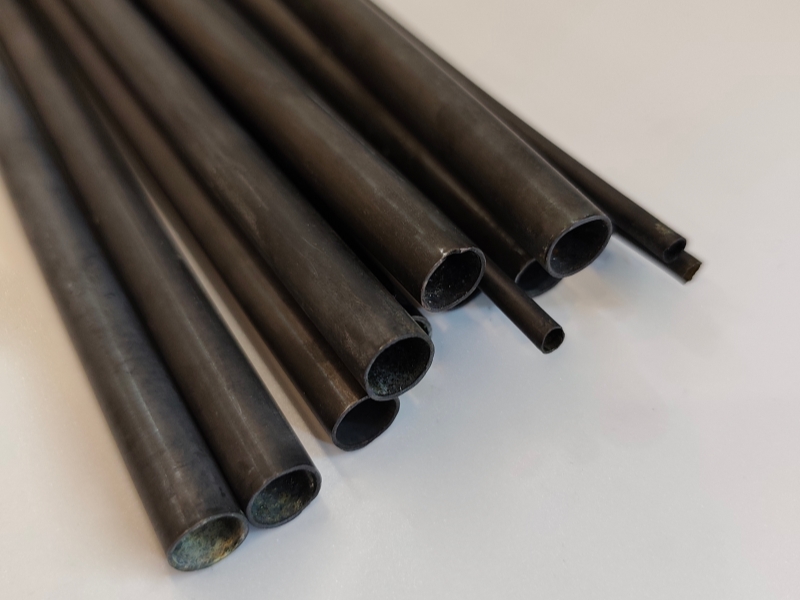
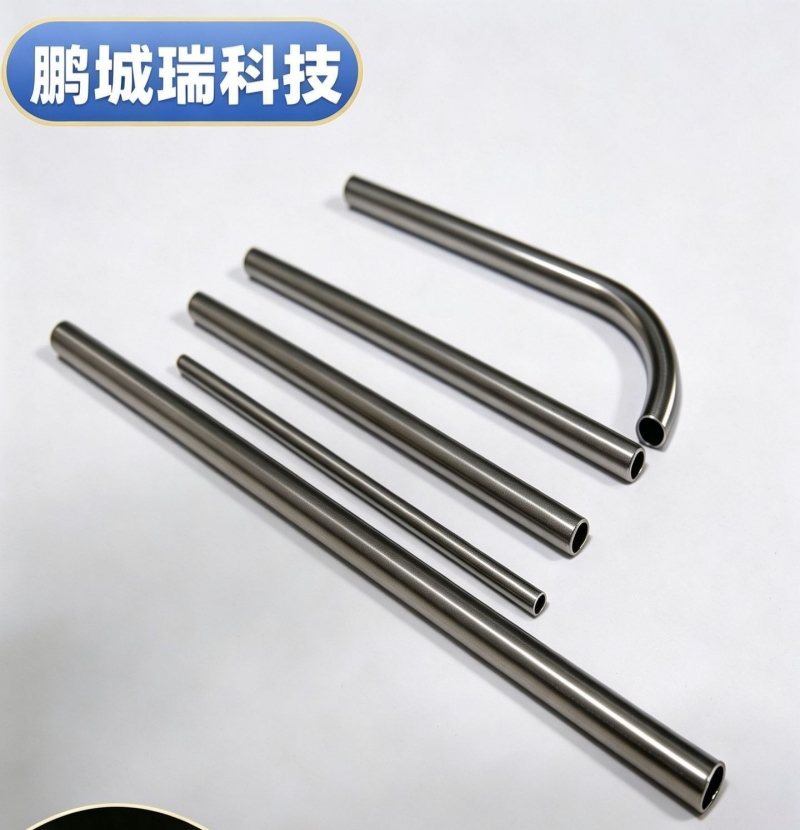
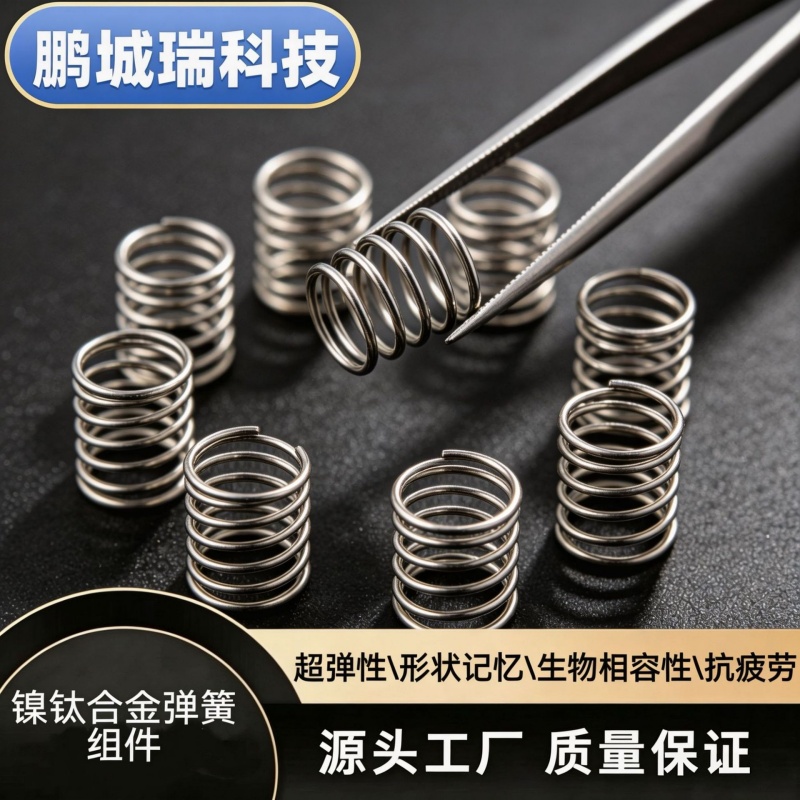
Seamless nickel titanium tube Nickel titanium fiber wire Nickel titanium plateApplication Area
Medical Industry New Energy Aerospace Machinery Manufacturing Marine Engineering Petrochemical IndustryContact Us
Contacts:Manager Wu +86 13632667260


 WeChat
 Call me
X