
 Chinese
 English
Service Hotline
+86 18948275773+86 13632667260


In the strategic layout of cultivating new quality productive forces and developing new industries during the 15th Five Year Plan period, new materials, as the core support for manufacturing upgrading, are ushering in a critical development window. Among them, nickel titanium alloy, which combines shape memory effect and superelasticity, has become a key breakthrough direction in the field of high-end new materials due to its irreplaceability in multiple fields. This special alloy, known as "memory metal", not only rewrites the application logic of traditional materials, but also builds a bridge for technological innovation in key fields such as healthcare and aerospace, becoming an important indicator of the competitiveness of the national materials industry.
Magical Characteristics: The "Performance Password" of Nickel Titanium Alloy
The unique value of nickel titanium alloy lies in the synergistic effect of its four core characteristics, which make it stand out among many metal materials.
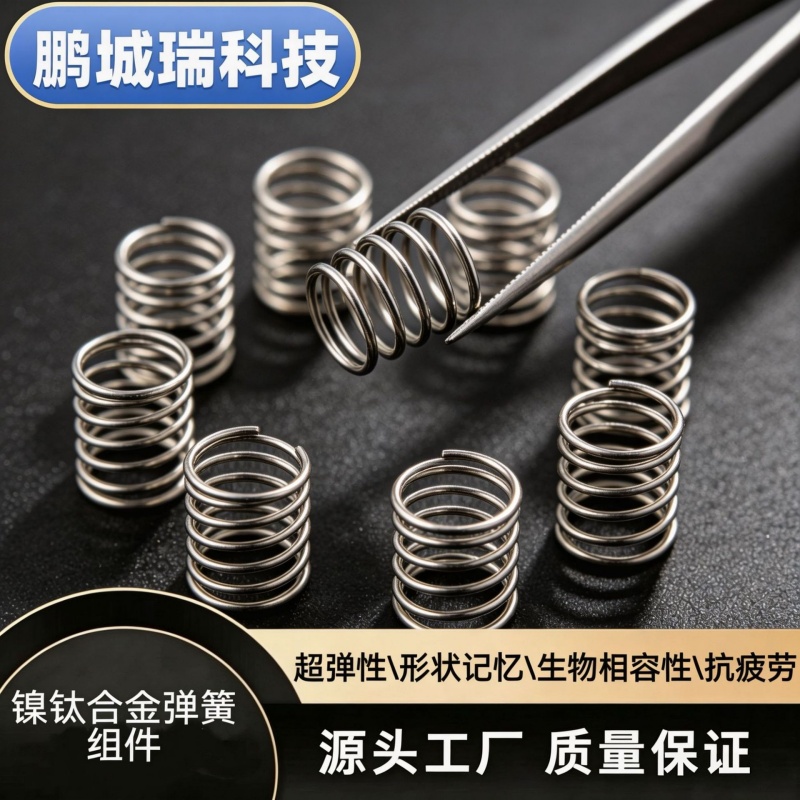
The shape memory effect is its most prominent indicator. Under specific temperature conditions, this alloy can accurately "remember" its original shape. Even if it undergoes severe deformation under external force, as long as it is heated above the transformation temperature, it will quickly recover its initial shape. For example, nickel titanium alloy wire can be prefabricated into a specific curve, which can be bent and shaped freely at low temperatures, but can immediately rebound and recover after heating up. This characteristic provides infinite possibilities for precision structural design.
Super elasticity endows it with extremely strong resistance to deformation, capable of withstanding deformation far beyond that of ordinary metals within the elastic range without causing permanent damage. The eyeglass frame made of nickel titanium alloy, even if twisted to an exaggerated angle, can still remain intact after being loosened, which is a vivid manifestation of this characteristic.
Good biocompatibility makes nickel titanium alloy an ideal choice for human implant materials, with minimal interaction with human tissues and no significant immune or toxic reactions, providing a basic guarantee for the safety of medical implant devices.
Excellent corrosion resistance enables it to maintain stable performance in harsh environments such as chemical erosion and extreme temperatures. Whether it is the complex environment of human body fluids or the harsh working conditions in the aerospace industry, it can maintain the integrity of its structure and performance.
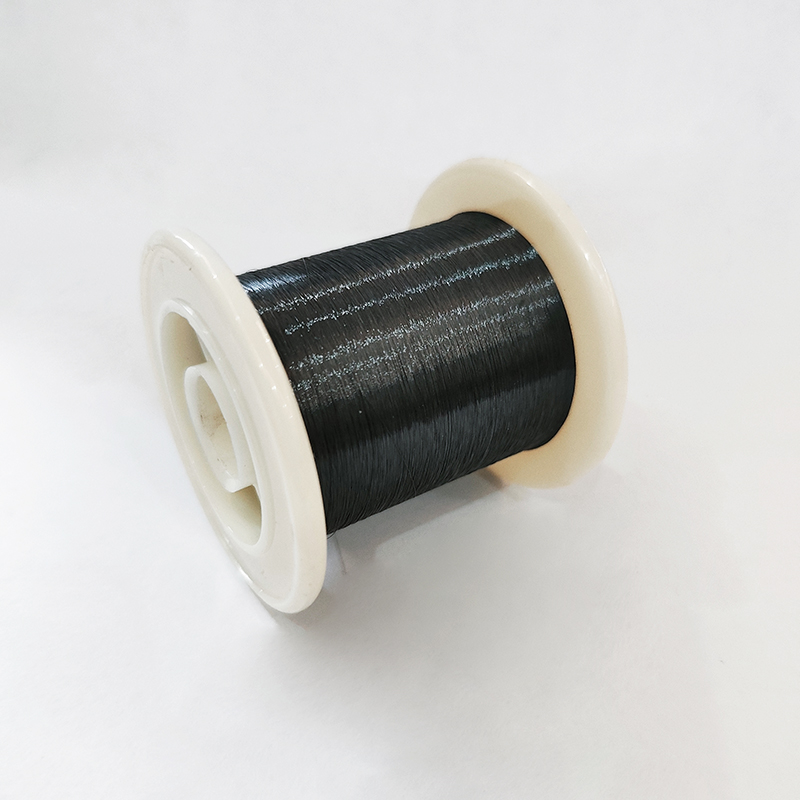
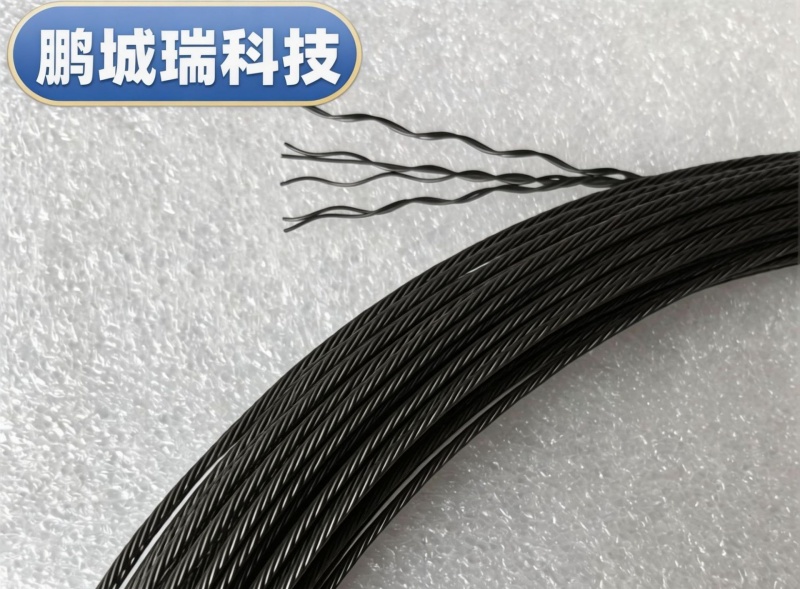
Nickel titanium fiber wire
Diversified penetration: the "material cornerstone" that empowers thousands of industries and businesses
The characteristic advantages of nickel titanium alloys are being deeply applied in multiple key fields, becoming a hidden engine for industrial upgrading.
In the field of healthcare, nickel titanium alloy has become the "core material" for high-end medical devices. Vascular stents utilize the shape memory effect to maintain a contracted state during catheter delivery. Upon reaching the lesion site, they rapidly expand and support the blood vessels through body temperature heating. At the same time, their superelastic properties form a flexible fit with the blood vessel wall, reducing the risk of thrombosis. Orthodontic wires use continuous and stable elastic force to gradually guide tooth alignment in the oral environment, combining comfort and orthodontic effect. In addition, the manufacturing of high-end implants such as artificial joints and minimally invasive surgical instruments increasingly relies on the biocompatibility and mechanical properties of nickel titanium alloys. Currently, the medical field accounts for over 35% of China's total demand for nickel titanium alloys.
In the aerospace field, nickel titanium alloy has become a "solution" for lightweight and high reliability. The precision components of aircraft engines and key parts such as the folding mechanism of aircraft wings have been designed compactly using their shape memory characteristics, reducing structural weight while improving operational reliability. In extreme temperature difference environments, the stability of nickel titanium alloys can better ensure the normal operation of spacecraft components and provide material support for space missions.
In the field of electronics and consumer goods, nickel titanium alloys are reshaping the product experience. The nickel titanium alloy components in micro relays achieve fast switching control through shape memory effect, with response speed and reliability far exceeding traditional components; The use of nickel titanium alloy in mobile phone antennas improves the device's resistance to drops while ensuring signal transmission quality; High end watch straps extend the product's lifespan through their corrosion resistance and flexibility. Nickel titanium alloy wire is used on tennis rackets, which can effectively amplify the hitting force and improve the flying speed of the ball, making it suitable for players who pursue offensive efficiency.

Nickel titanium alloy tennis racket
In the field of new energy vehicles, the application potential of nickel titanium alloys is gradually being released. Its use in battery connectors, sensor components, and other parts not only meets the demand for lightweight, but also enhances the operational stability of new energy vehicles, becoming an important material support for the electrification transformation of the automotive industry.
Industrial Landscape: A Development Path of Opportunities and Challenges Coexistence
The nickel titanium alloy industry in China has formed a development pattern with both scale and potential under the dual effects of policy driving and market demand. Data shows that the current market size of nickel titanium alloys in China is about 12 billion yuan, and it is expected to exceed 18 billion yuan by 2025, with an average annual compound growth rate of about 8%, and is expected to climb to over 25 billion yuan by 2030. In terms of industrial distribution, eastern coastal regions such as Jiangsu and Guangdong lead research and development and production with a complete industrial chain and technological resources, while central and western regions gradually form new industrial clusters based on cost advantages and policy support.
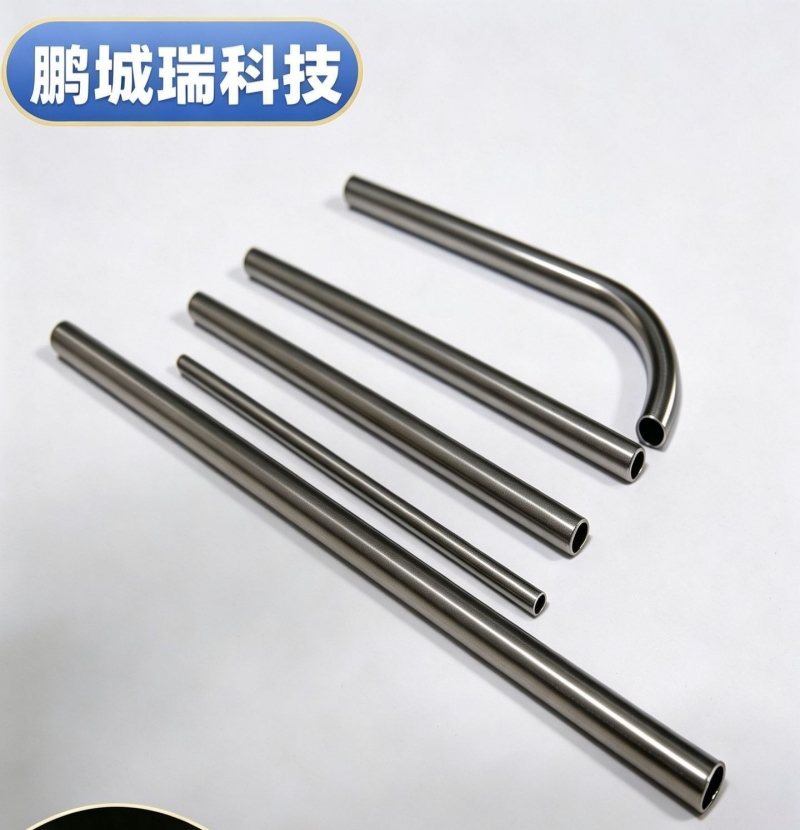
The domestic enterprise echelon has initially taken shape, with leading companies such as Baotai Co., Ltd. and Western Materials occupying about 40% of the market share through technological accumulation. Small and medium-sized enterprises such as Wuge Nickel Titanium Alloy have achieved innovative breakthroughs in the sub fields of nickel titanium room temperature alloys and nickel titanium copper high-temperature alloys. In terms of product system, a supply capacity covering multiple categories such as nickel titanium strips, plates, rods, wires, and pipes has been formed to meet the application needs of different fields.
However, industrial development still faces multiple challenges. At the technical level, there is a gap between the core technology of high-end products and the international leading level. The fatigue life and precision machining accuracy of medical implant grade nickel titanium alloys need to be improved. The localization rate of high-end medical equipment and aerospace components is less than 30%, and the import value of related products will reach 800 million US dollars in 2023. Insufficient R&D investment has become a key bottleneck, with the average R&D expenditure of domestic enterprises accounting for only 5% -7% of revenue, far lower than the level of over 15% for European and American enterprises, resulting in a low proportion of core patents and severe homogeneous competition. At the level of the industrial chain, the price fluctuations of raw materials nickel and titanium bring significant cost pressure, while traditional production processes have high energy consumption and a gap with the development requirements of green manufacturing.
Breakthrough in the 15th Five Year Plan: Building New Advantages in the High end Materials Industry
In response to the development requirements of the 15th Five Year Plan period, the nickel titanium alloy industry needs to take technological innovation as the core and policy coordination as the support, achieving a breakthrough from scale expansion to quality improvement.
Technological innovation should focus on three major directions: in material research and development, promote breakthroughs in multi-component alloying technology, optimize phase transition temperature and mechanical properties by adding elements such as copper and iron, meet high-end demands in medical, aerospace and other fields, and strive to increase the research and development proportion of high-performance alloys for medical use to over 70%; In terms of process upgrading, advanced technologies such as vacuum melting and powder metallurgy are promoted to increase material utilization by more than 10%. At the same time, low-energy production processes and recycling technologies are developed to reduce carbon footprint and production costs; In equipment research and development, we will break through the bottleneck of key equipment such as precision rolling and micro scale processing, and improve the production accuracy and stability of high-end products.
Policy and industrial ecological construction need to form a joint force. We should continue the policy support during the 14th Five Year Plan period, increase research and development subsidies through the New Materials Industry Fund, strengthen intellectual property protection, improve the national and industry standard systems for nickel titanium alloy products, and promote alignment with international standards. Building a collaborative innovation mechanism among universities, research institutes, and enterprises in the industrial chain to accelerate the industrialization of basic research results; Cultivate a group of "specialized, refined, unique and new" enterprises to form technological advantages in segmented fields; Optimize the raw material supply chain and respond to price volatility risks through long-term agreements, strategic reserves, and other means.
Market expansion should implement a "dual wheel drive" strategy: in the domestic market, relying on the upgrading needs of industries such as medical health and new energy vehicles, expanding the penetration rate of high-end products, and striving to increase the localization rate of the medical field to over 50%; In the international market, we aim to create mid-range products with cost-effectiveness advantages for growth markets such as Asia Pacific and Latin America. At the same time, through technological cooperation, we aim to break through barriers to entry in the European and American markets and increase our global market share.
As a key direction of the new materials industry during the 15th Five Year Plan period, the development of nickel titanium alloys is not only related to technological breakthroughs in a material, but also carries the strategic mission of upgrading China's high-end manufacturing industry. From medical implants to aerospace engineering, from consumer electronics to new energy vehicles, the "memory ability" of nickel titanium alloys is writing a new chapter in material innovation. With the gradual breakthrough of technological bottlenecks and the continuous improvement of industrial ecology, this magical "memory metal" will undoubtedly inject lasting momentum into the high-quality development of China's manufacturing industry in the wave of new industrial development.
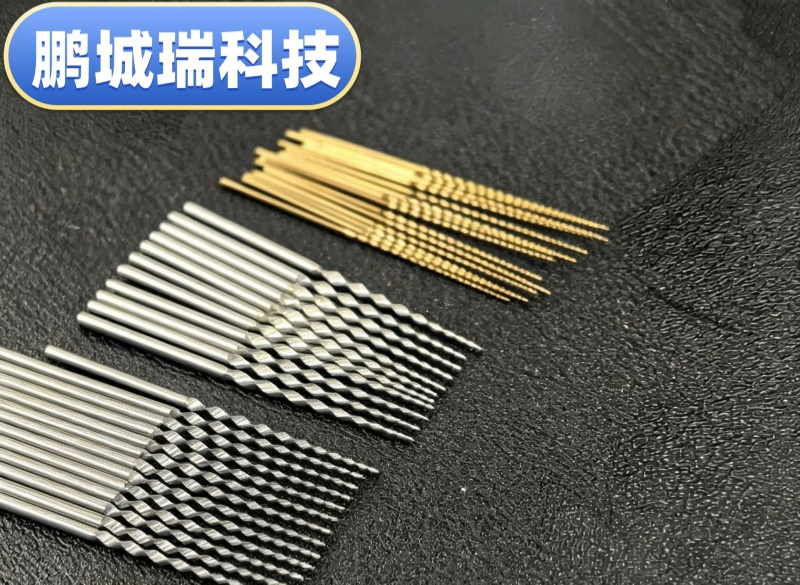
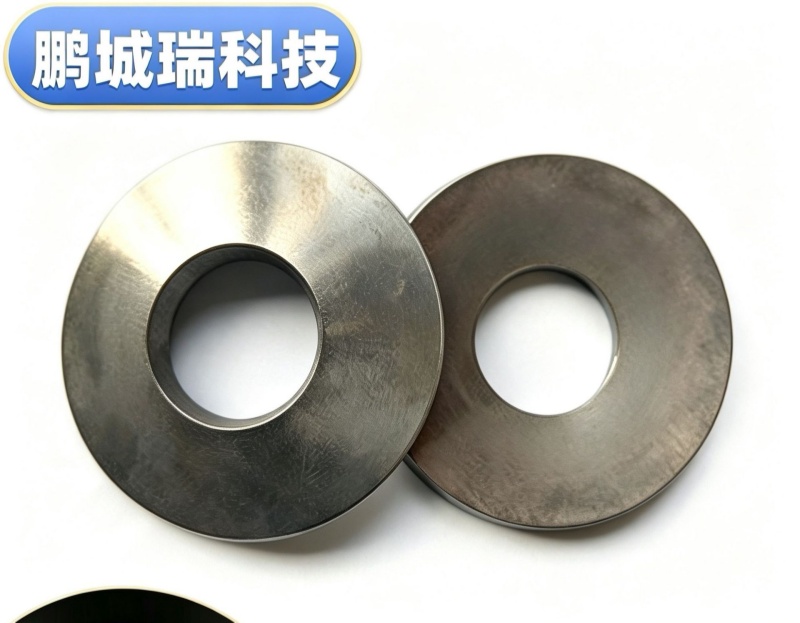
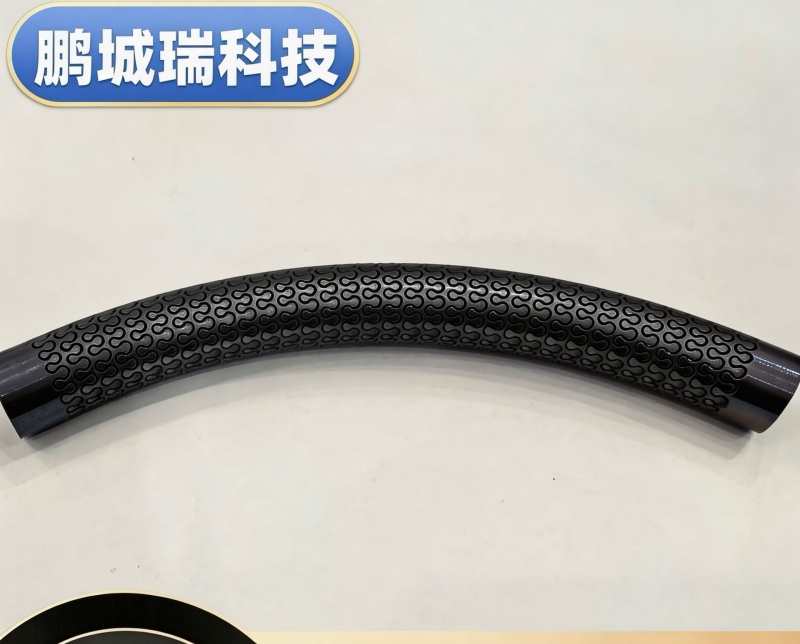
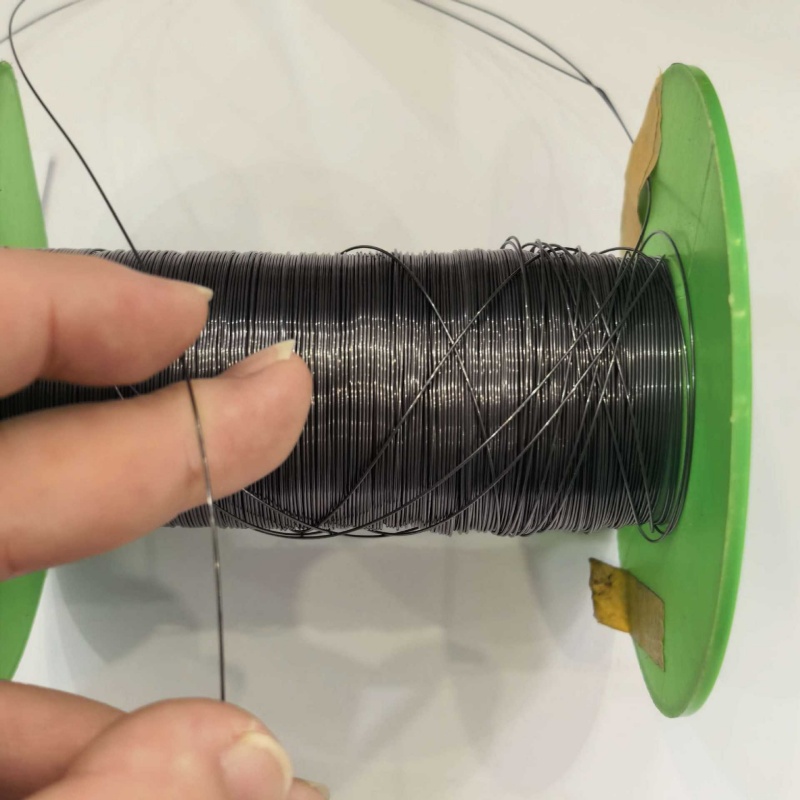
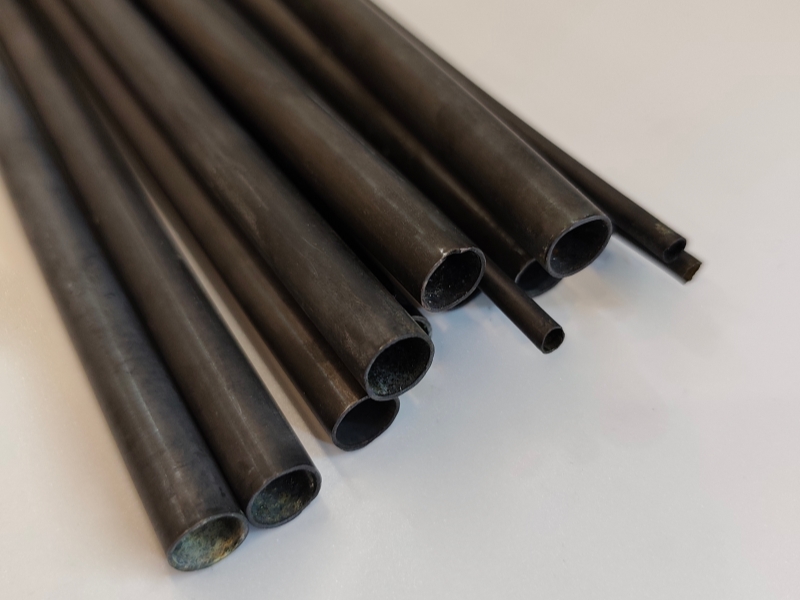
Nitinol
Seamless nickel titanium tube Nickel titanium fiber wire Nickel titanium plateApplication Area
Medical Industry New Energy Aerospace Machinery Manufacturing Marine Engineering Petrochemical IndustryContact Us
Contacts:Manager Wu +86 13632667260


 WeChat
 Call me
X