
 Chinese
 English
Service Hotline
+86 18948275773+86 13632667260

The core difficulties in processing nickel titanium alloys lie in their superelasticity, shape memory effect, and high work hardening rate, requiring targeted selection of processing techniques to balance accuracy and material properties.
1、 Core processing technology and characteristics
Different processing requirements correspond to different processes, and the key is to control cutting force and temperature to avoid material rebound or performance damage.
Plastic processing: using hot forging, hot rolling, and cold rolling processes, it needs to be carried out at the temperature of the beta phase zone (about 800-1000 ℃) to reduce the hardness of the material; After cold processing, annealing is required to relieve stress, which is suitable for preparing basic billets such as bars, plates, and wires.
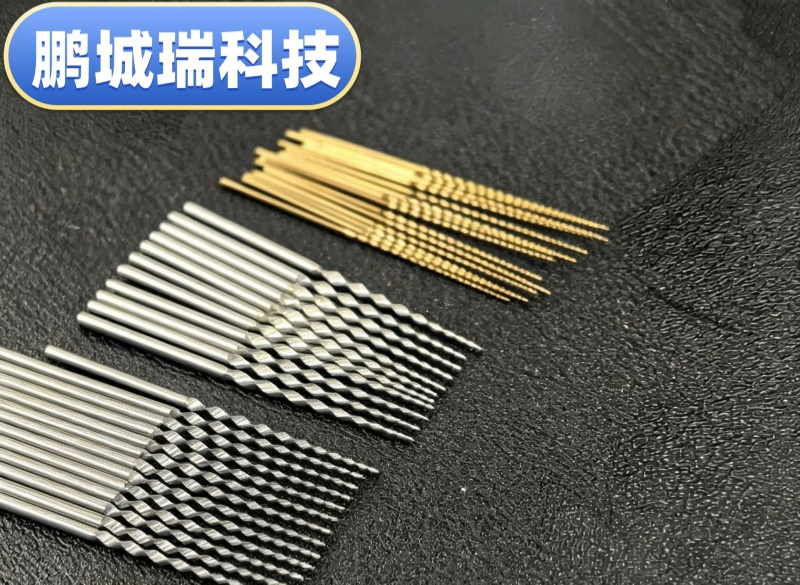
Cutting processing: high-speed milling, slow wire EDM (WEDM), mechanical cutting requires ultra-fine grain hard alloy cutting tools (such as WC Co), high speed, low feed rate, to avoid work hardening; Electric discharge machining (without physical cutting force) is more suitable for complex high-precision parts, avoiding material rebound, and suitable for mechanical cutting: simple shaped parts (such as gaskets); Electric spark: medical stents, precision fixtures.
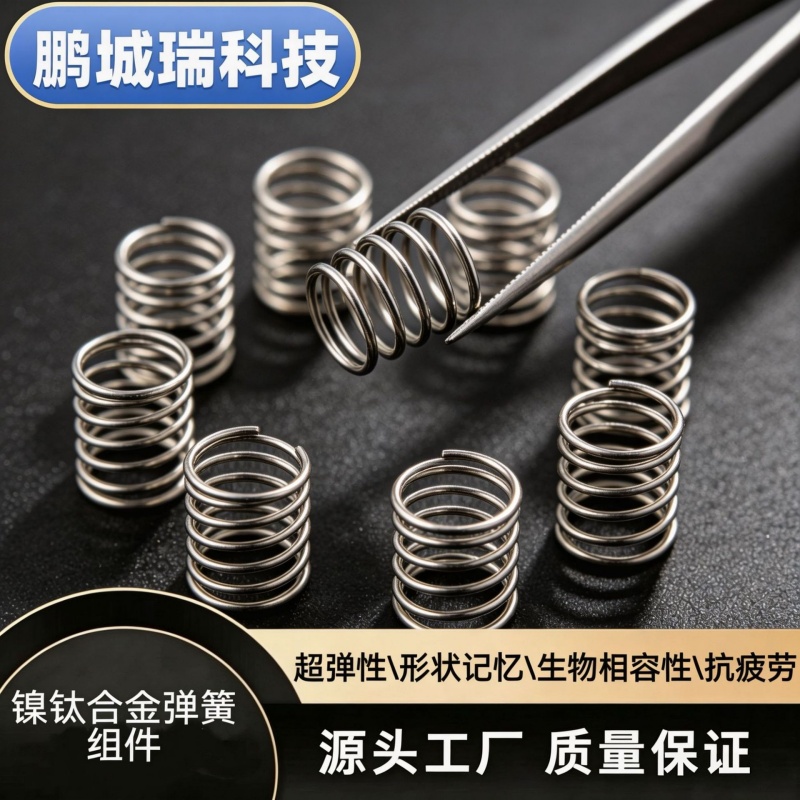
Forming processing: laser forming (SLM), thermoforming, and laser additive manufacturing (SLM) can directly prepare complex structures, requiring control of laser power (to avoid element burnout) and post heat treatment (to optimize shape memory performance); Hot forming requires shaping above the Af temperature (austenite end temperature) and maintaining shape after cooling, suitable for SLM: personalized medical implants (such as bone nails); Thermoforming: Shape memory components (such as self expanding conduits).
Surface treatment: electrochemical polishing, plasma spraying, electrochemical polishing improves surface smoothness (Ra ≤ 0.1 μ m), avoiding tissue irritation during biological implantation; Plasma spraying (such as TiO ₂ coating) enhances wear resistance or biocompatibility, suitable for medical implants (such as heart stents) and wear-resistant parts.

Nickel titanium alloy vacuum melting furnace
2、 Key considerations for processing
1. Temperature control: The processing temperature should avoid the martensitic austenite transformation zone (usually -50~100 ℃), otherwise the material will experience uncontrollable rebound due to phase transformation, affecting accuracy.
2. Tool/equipment selection: High speed steel tools (easily worn) are prohibited for mechanical cutting, and ceramic or CBN (cubic boron nitride) tools are preferred; The molding process requires ensuring the temperature control accuracy of the equipment (within ± 5 ℃).
3. Post processing: Almost all processed materials require annealing treatment (300-500 ℃, insulation for 1-2 hours) to eliminate processing stress, restore shape memory or superelastic properties of the material.
4. Safety protection: Nickel titanium alloy contains nickel, and processing dust/debris may cause allergies. Dust masks should be worn; Cutting fluid should choose extreme pressure coolant to avoid material oxidation caused by high temperature.
3、 Key processing points in typical application areas
In the medical field (such as stents and guide wires), slow wire EDM+electrochemical polishing is preferred to ensure dimensional accuracy (± 0.001mm) and surface biocompatibility, and microcracks on the surface are prohibited.
Aerospace (such as connecting components): commonly used hot forging+CNC milling, which requires non-destructive testing (such as ultrasonic testing) to ensure that there are no defects inside, while retaining the high-temperature stability of the material.
Consumer electronics (such as eyeglass frames and headphone stands): They are often formed using cold-rolled wire and bent pipes, and require low-temperature annealing (around 350 ℃) after processing to balance elasticity and shaping.
Wuge Nickel Titanium Alloy Material is a supplier of nickel titanium alloy materials and wire pipes. We have our own factory and complete equipment, and have been engaged in the processing of nickel titanium alloy materials for a long time. We are committed to exploring the application market of nickel titanium alloys and seeking like-minded partners.
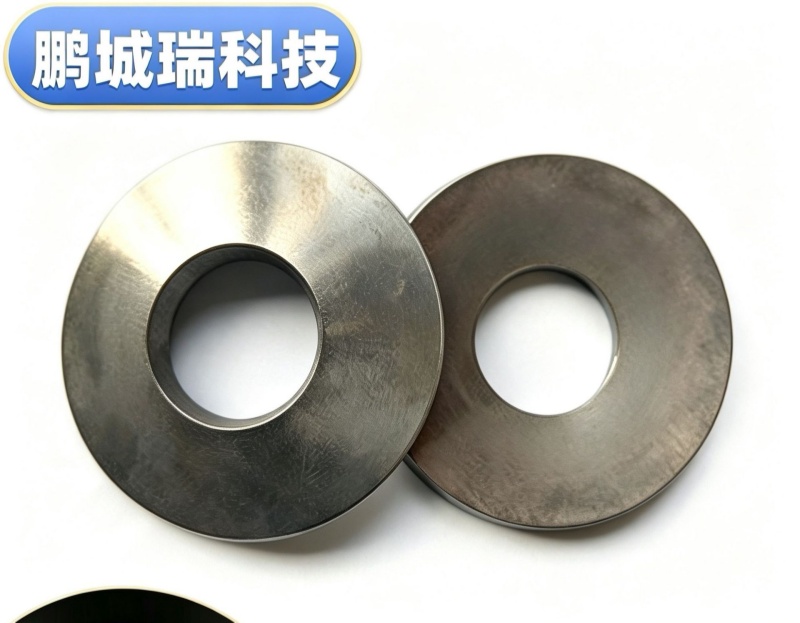
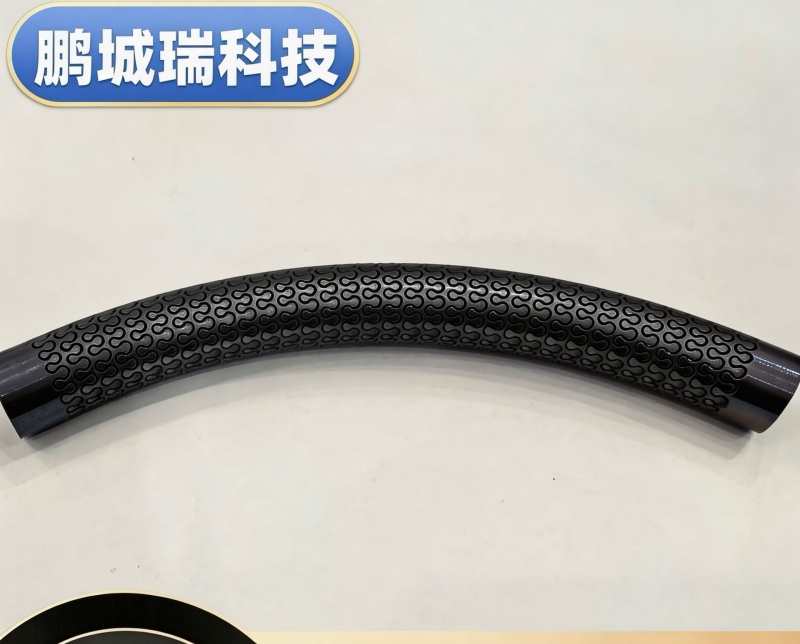
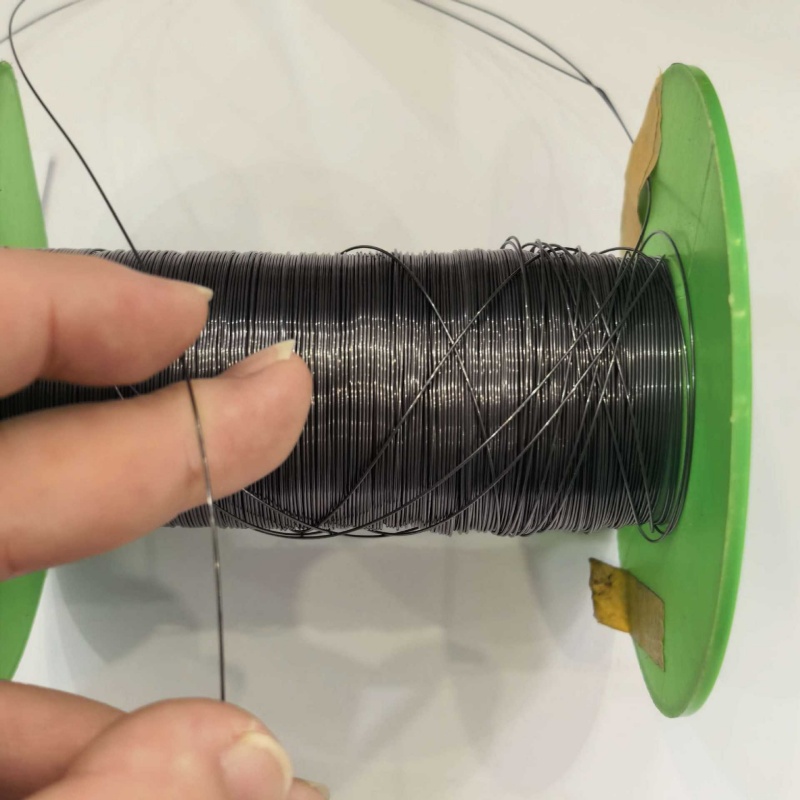
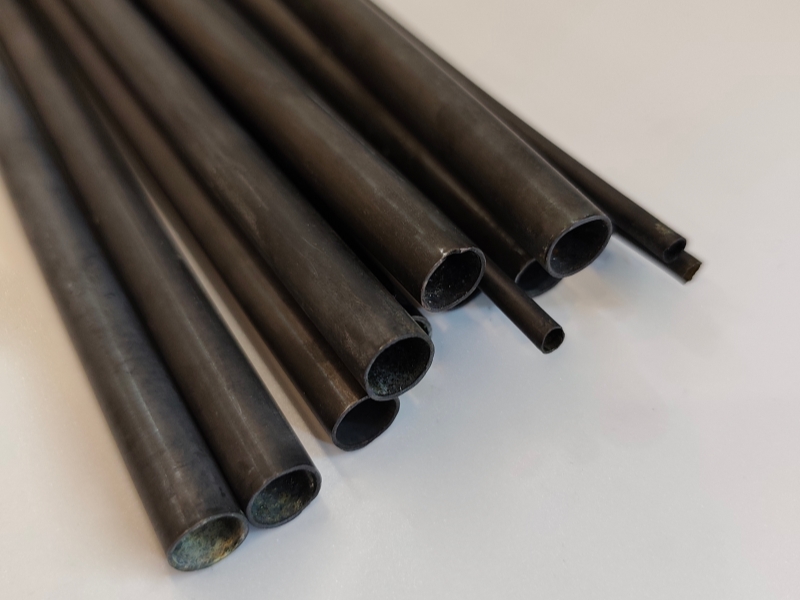
Nitinol
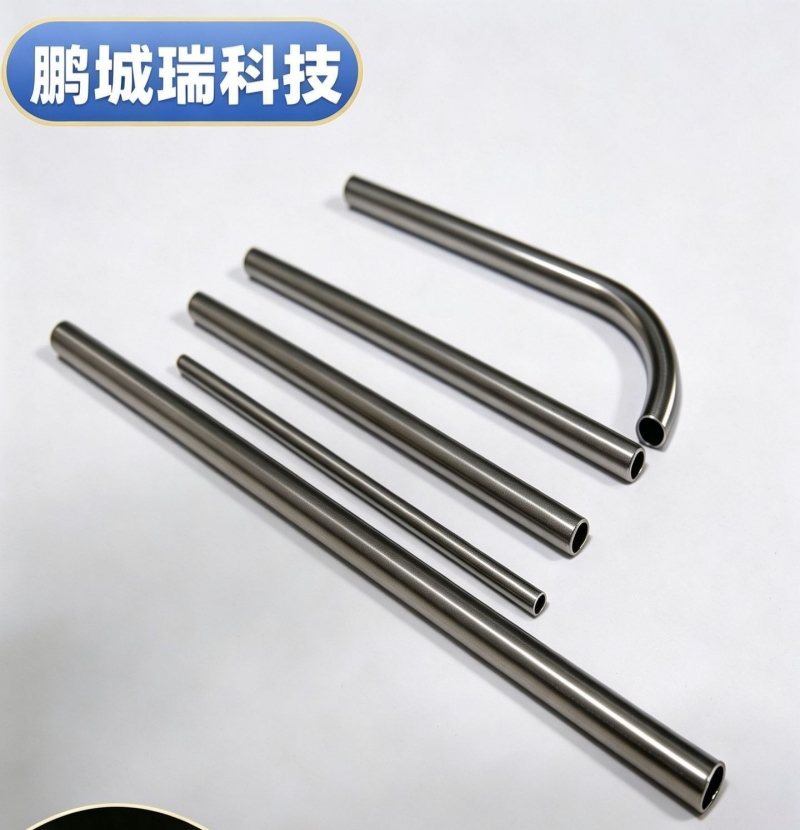
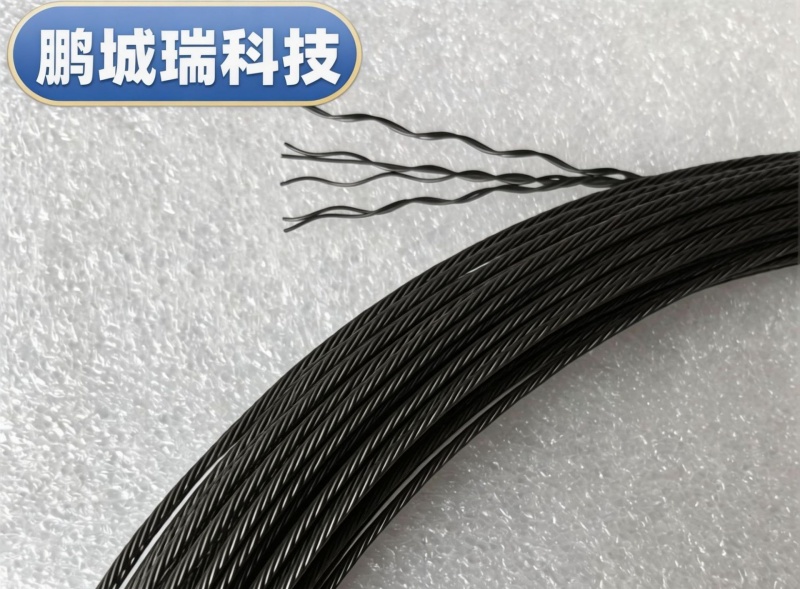
Seamless nickel titanium tube Nickel titanium fiber wire Nickel titanium plateApplication Area
Medical Industry New Energy Aerospace Machinery Manufacturing Marine Engineering Petrochemical IndustryContact Us
Contacts:Manager Wu +86 13632667260


 WeChat
 Call me
X