
 Chinese
 English
Service Hotline
+86 18948275773+86 13632667260


The core difference between nickel titanium alloy (NiTi) and nickel titanium copper alloy (NiTiCu) lies in whether copper element is added, which directly leads to significant differences in phase transition temperature, mechanical properties, and application scenarios between the two.
Comparison Table of Core Differences
| Comparison dimensions | Nickel titanium alloy (NiTi) | Nickel titanium copper alloy (NiTiCu) |
|---|---|---|
| Main components | Nickel (about 50%~51%), Titanium (balance) | Nickel, Titanium (base)+Copper (usually 5% ~10%, replacing some nickel) |
| Phase transition temperature range | Wide (usually 10~50 ℃, adjustable by composition) | Extremely narrow (usually<5 ℃, even<2 ℃, more precise temperature control) |
| Phase transition lag | large (about 15~30 ℃, large temperature difference between cold and hot phase transitions) | extremely small (about 15 ℃, temperature difference between cold and hot phase transitions is close to the same) |
| Mechanical properties | Shape memory effect/excellent superelasticity, long fatigue life | Slightly higher strength, increased rigidity, and more stable superelasticity at low temperatures |
| Processing difficulty | Conventional melting and rolling, mature processing technology | Copper element increases the difficulty of melting uniformity, resulting in higher processing costs |
| Core advantages | Balanced comprehensive performance, high cost-effectiveness, wide applicability | Accurate phase change temperature, small hysteresis, suitable for temperature sensitive scenarios |
Differences in typical application scenarios
Nickel titanium alloy: Due to its balanced comprehensive performance, it is often used in scenarios where temperature accuracy is not strictly required, such as:
Medical field: vascular stents, orthodontic wires, orthopedic internal fixators;
Industrial field: pipeline joints, intelligent valves, anti scalding devices.
Nickel titanium copper alloy: Due to its precise phase transition temperature and small hysteresis, it focuses on scenarios that require extremely high temperature control, such as:
Precision medicine: temperature triggered components of minimally invasive instruments (requiring precise deformation at specific human temperatures);
Electronics/Aerospace: Precision sensors, temperature control switches, and tiny drive components for spacecraft.

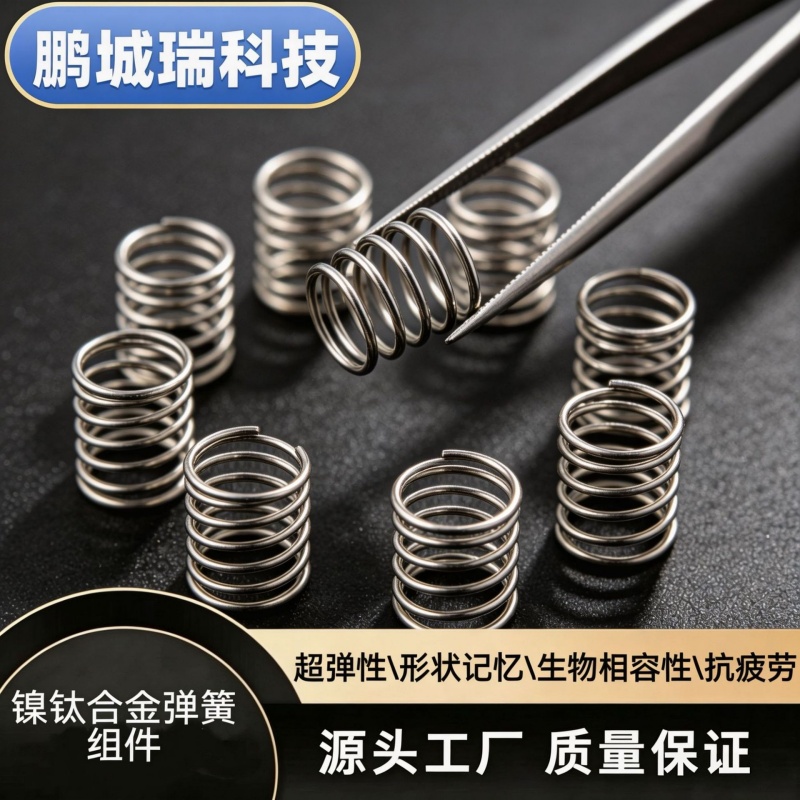
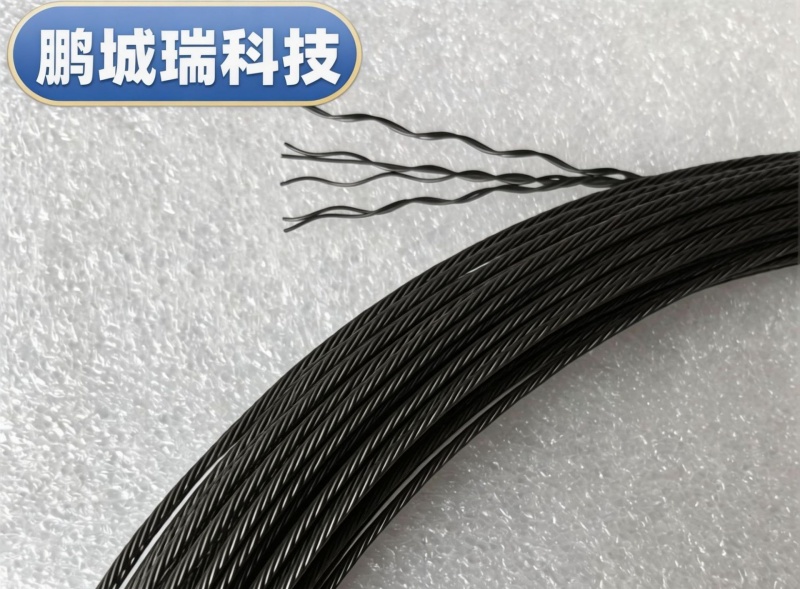
Wuge Nickel Titanium Alloy Materials, the company's main products are nickel titanium high-temperature alloys (such as nickel titanium copper high-temperature alloys) and nickel titanium room temperature alloys. It is a supplier of nickel titanium alloy materials and wire and pipe materials, and has a great interest in the civilian application of nickel titanium alloys. We are looking for like-minded partners.
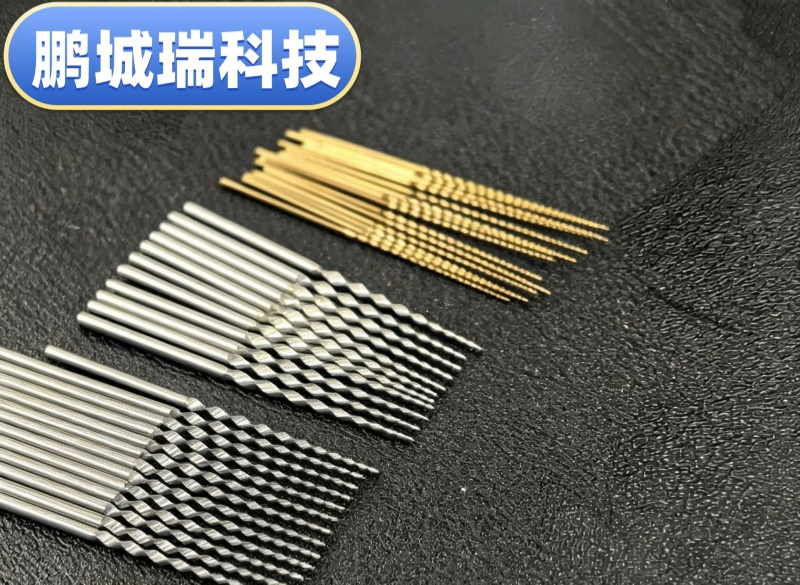
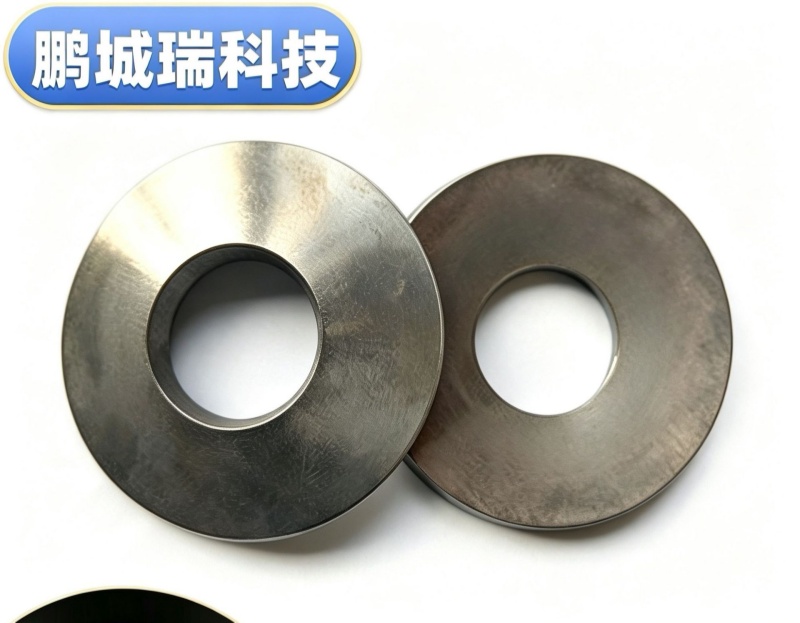
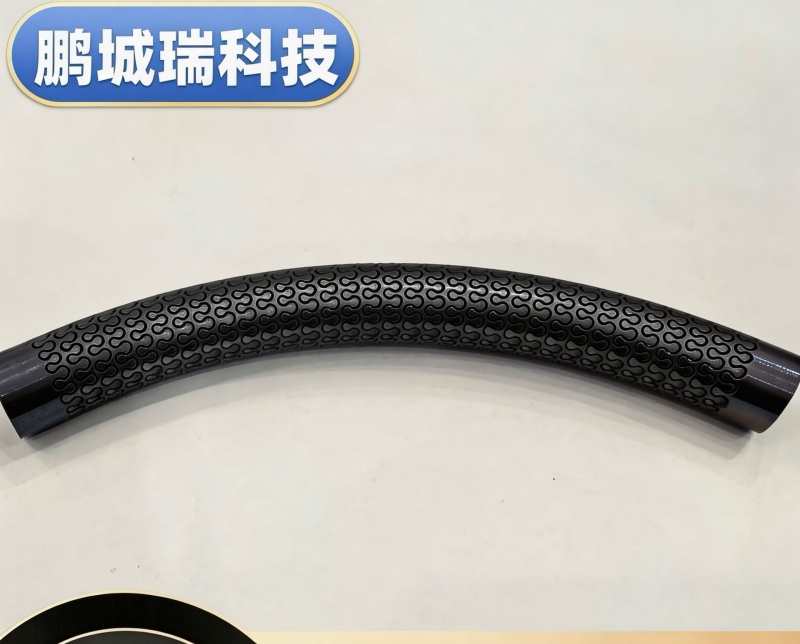
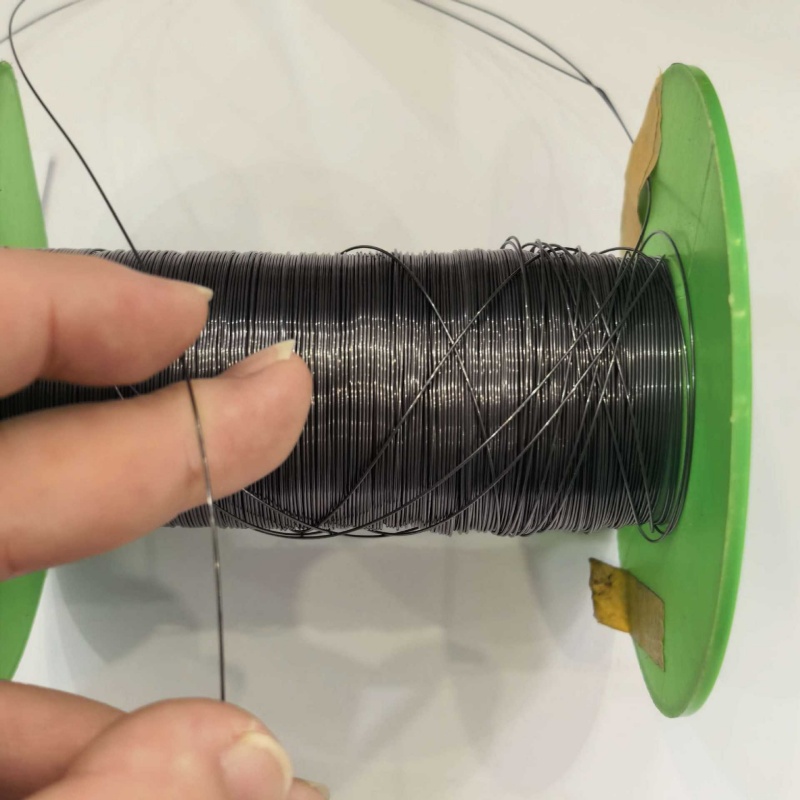
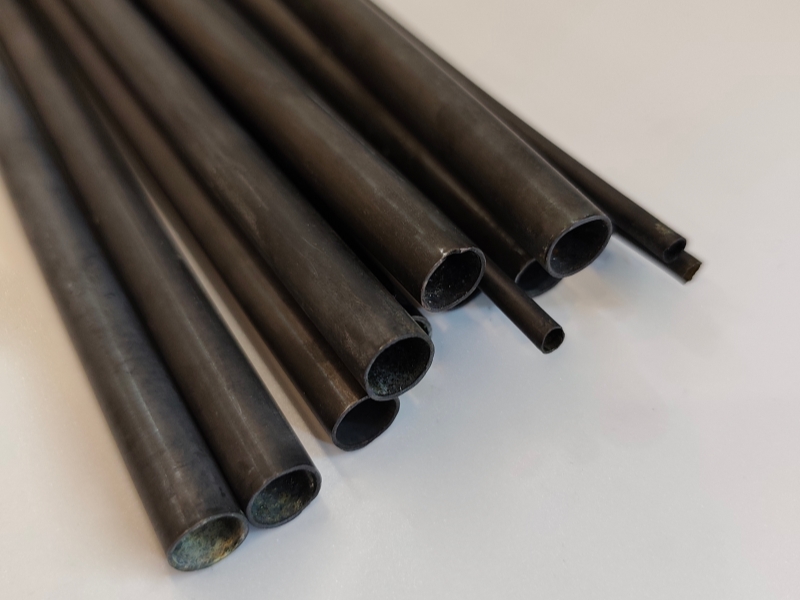
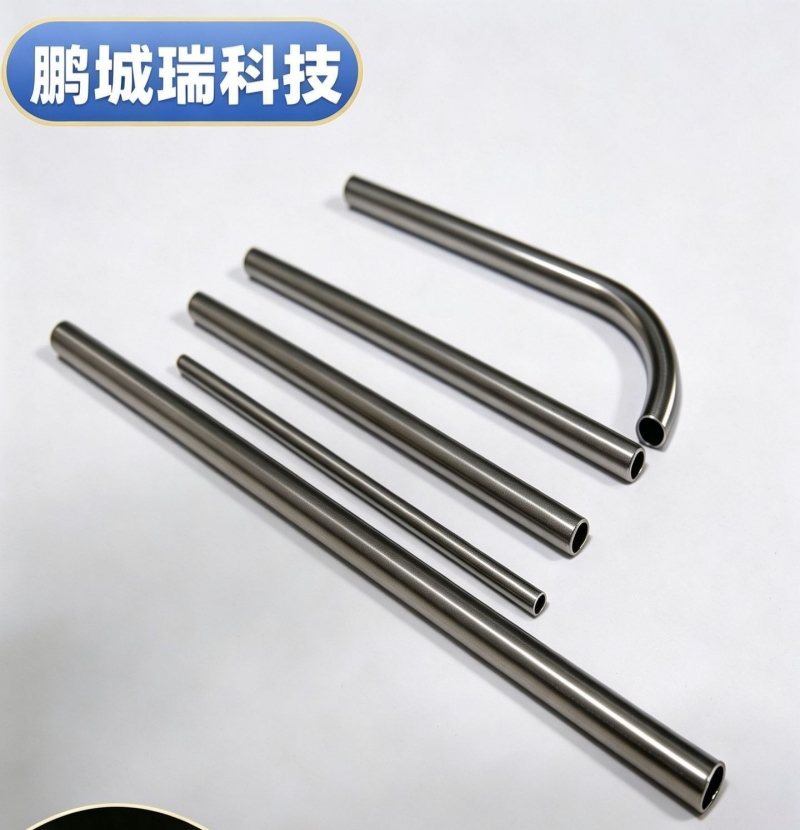
Nitinol
Seamless nickel titanium tube Nickel titanium fiber wire Nickel titanium plateApplication Area
Medical Industry New Energy Aerospace Machinery Manufacturing Marine Engineering Petrochemical IndustryContact Us
Contacts:Manager Wu +86 13632667260


 WeChat
 Call me
X