
 Chinese
 English
Service Hotline
+86 18948275773+86 13632667260


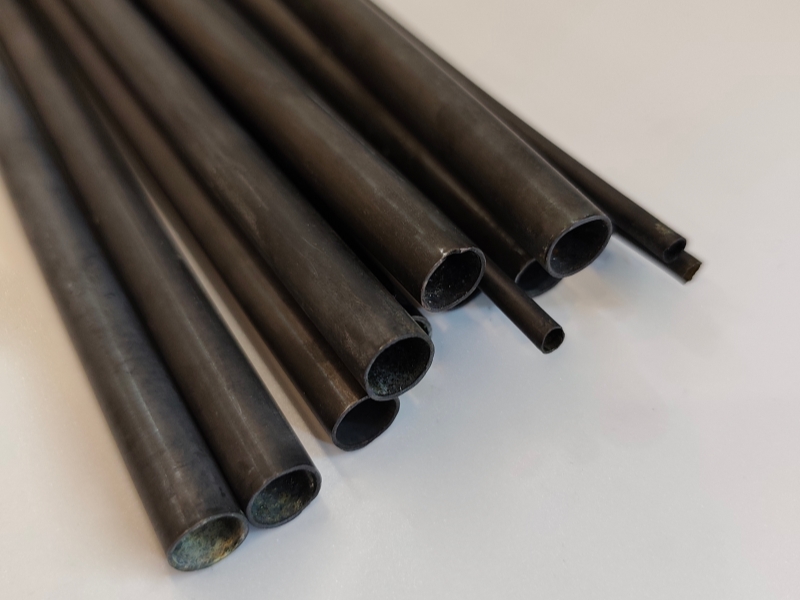
Nickel titanium alloy tubes are divided into industrial grade and medical intervention grade (stents, microcatheters, ultra-fine ultra thin walls), and the difference between the two is completely different. The main import benchmarks are Confluent from the United States and Nippon Steel from Japan; Domestic leaders include BOWEI Alloy, Western Superconductor, and ORIZI, with a large number of small and medium-sized factories coexisting.
1. Industrial grade nickel titanium pipes (ordinary memory fittings, springs, sensors)
The difference is very small, and most scenes can be replaced equally
-The composition, phase transition temperature, and mechanical properties can be benchmarked against ASTM F2063 by reputable manufacturers;
-Advantages: Short delivery time, low price, flexible customization;
-The main difference lies in the consistency of large batches, while small batches have good single piece performance. During continuous production in large batches, the phase transition temperature and fatigue life dispersion may be slightly higher than imports;
-Under normal industrial conditions, domestic production is fully sufficient.
2. Medical intervention grade (core difference here, outer diameter 0.3-1mm, wall thickness 0.03-0.15mm ultra-thin wall, used for stents, nerve/coronary microcatheters)
>Nickel titanium is extremely sensitive to its composition. Small fluctuations in the nickel titanium atomic ratio and oxygen/carbon/iron impurities can alter the phase transition temperature, superelasticity, and fatigue life, directly affecting the clinical performance of the device.
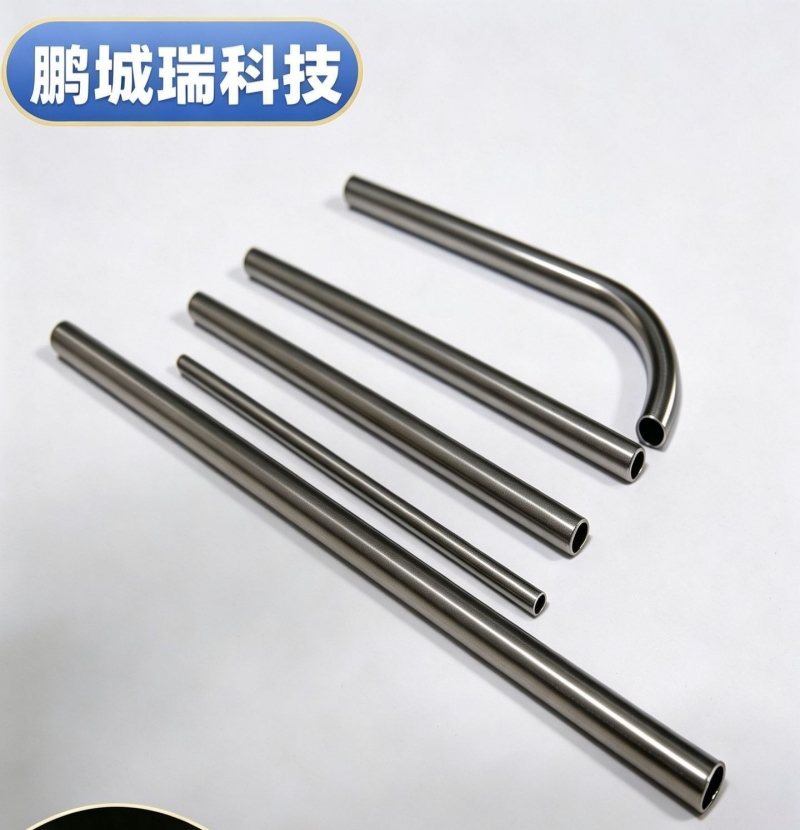
Nickel titanium alloy tube
✅ Domestic leading enterprises (approaching international standards)
Purity and impurities: High end domestic total impurities can reach 40-50 ppm, close to the level of imports; Second tier domestic products generally have a concentration of 80-120ppm, high impurities, decreased fatigue life, and are prone to crack sources.
Dimensional accuracy: The head roundness and wall thickness tolerance can reach micrometer level, meeting the needs of neural intervention; However, the stable yield of large batches is slightly lower than that of imports, and small batches of samples are good, resulting in higher screening costs for mass production.
Inner surface quality: The roughness Ra of the inner hole is crucial and directly affects the push and blood compatibility; The head can achieve Ra<0.1 μ m, which is close to the inlet; Ordinary domestic inner holes are prone to scratches, burrs, and oxide layers.
Consistency of phase transition temperature: Imported products can achieve a batch temperature of ± 1-2 ℃; Domestic heads can achieve ± 2-3 ℃, while ordinary manufacturers fluctuate by ± 5 ℃ or more. The super elastic platform of the human body will drift at 37 ℃.
Fatigue life: Imported products can maintain stability for more than 10 cycles; Domestic top products can meet the standard, but there is greater dispersion between batches, and some batches may expire prematurely.
Post processing and database: Import decades of accumulated complete process libraries for heat treatment and electrolytic polishing; Domestic technology is catching up quickly, but there is a lack of engineering database accumulation for long-term fatigue, corrosion, and nickel ion precipitation.
⚠️ Domestic small and medium-sized manufacturers
Significant differences: poor impurity control, large size fluctuations, poor internal pore quality, phase transition temperature drift. It is recommended to choose qualified manufacturers.
Core advantages of imports
Large batch consistency: Ten thousand grade pipes, with minimal performance fluctuations for each one, and low screening costs for downstream equipment manufacturers;
Ultra fine and ultra-thin extreme specifications: nerve intervention ultra-thin tube with an outer diameter of less than 0.3mm, imported still dominates;
Endorsement of regulations and clinical data: With a long history of FDA and CE certification, downstream medical devices have easier material traceability during registration;
Disadvantages: expensive price, long delivery time, high minimum order quantity.
How to summarize in a simple way
General industrial use: Regular domestic factories are basically sufficient, with little difference, and domestic production is preferred;
Peripheral intervention and routine coronary artery: Domestic head nickel titanium tubes have been commercialized in large quantities, narrowing the performance gap and being replaceable;
Neural intervention with ultra-fine, ultra-thin, high fatigue and strict implantation scenarios: Domestic production of the head can be done, but there is still a gap between the stability, yield, and extreme specifications of mass production and imports. Many device manufacturers have conducted parallel verification of domestic and imported products;
Do not generalize whether domestic products are good or bad, as the main difference lies not in individual samples, but in the consistency, yield, and batch dispersion of mass production.
Selection Tips
-Medical implants must be confirmed to comply with ASTM F2063, YY/T 1875-2023, and provide complete melting records, impurity reports, phase transition temperatures, fatigue test data, and ISO13485 system;
-Avoid suppliers who only report mechanical properties and do not provide batch data on impurity oxygen content and phase transition temperature.
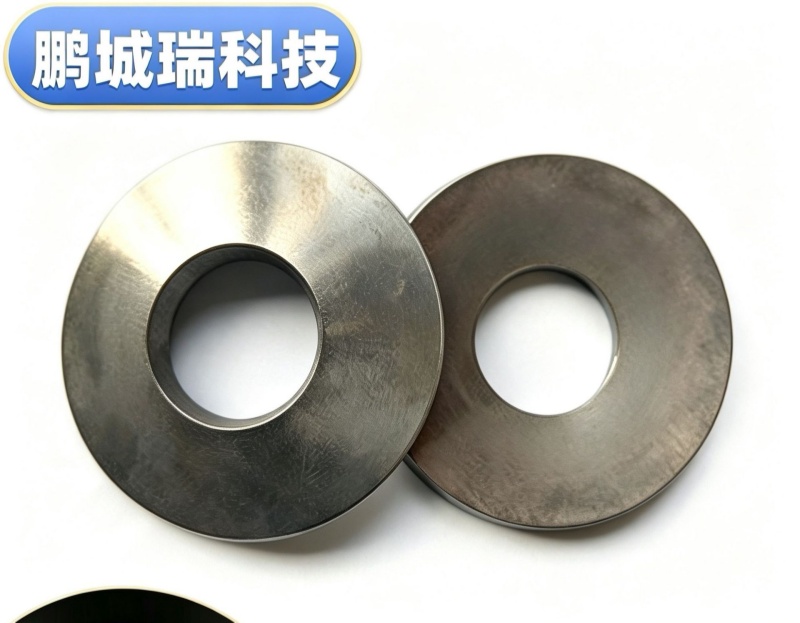
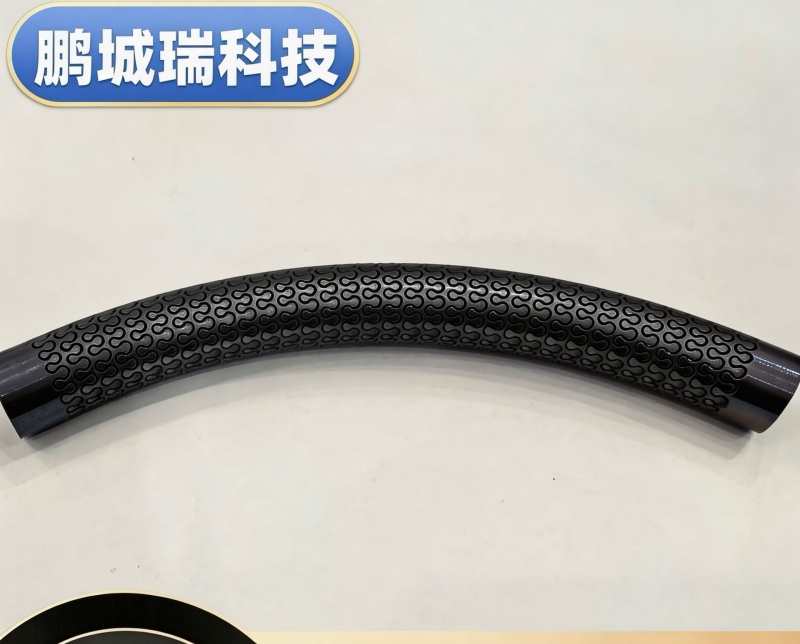
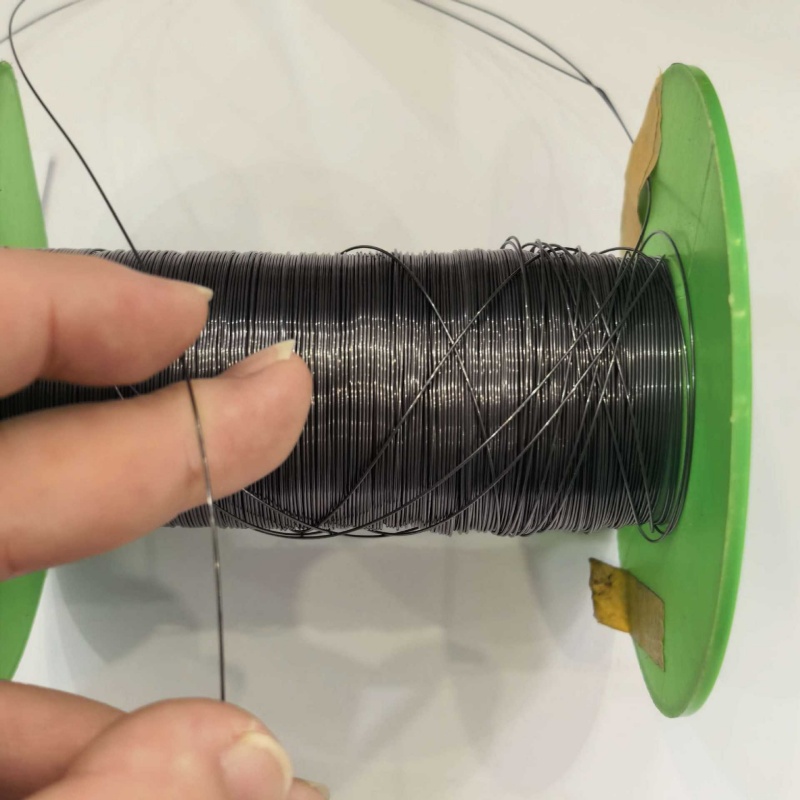
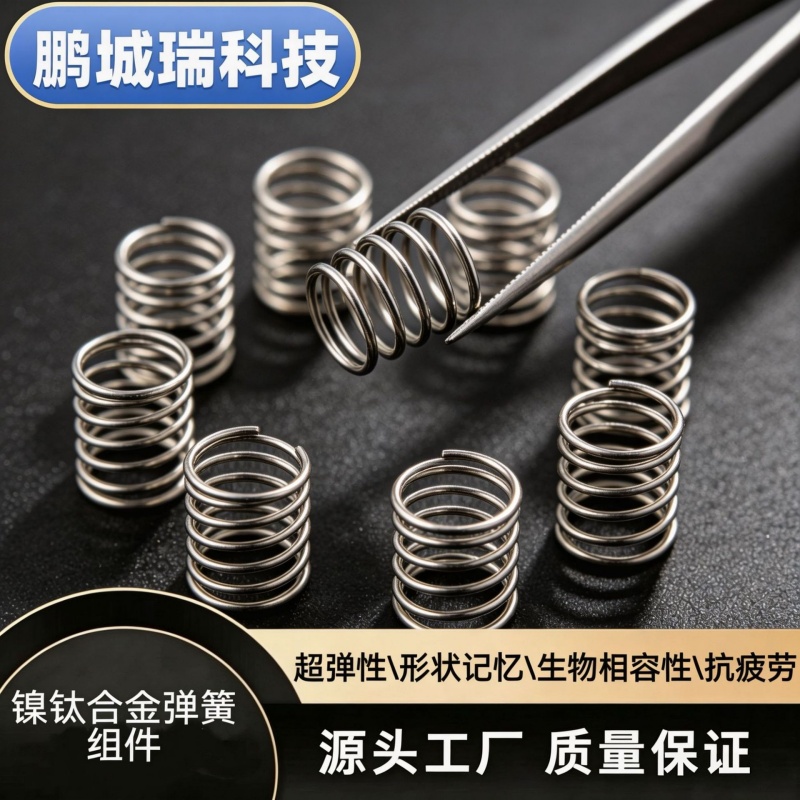
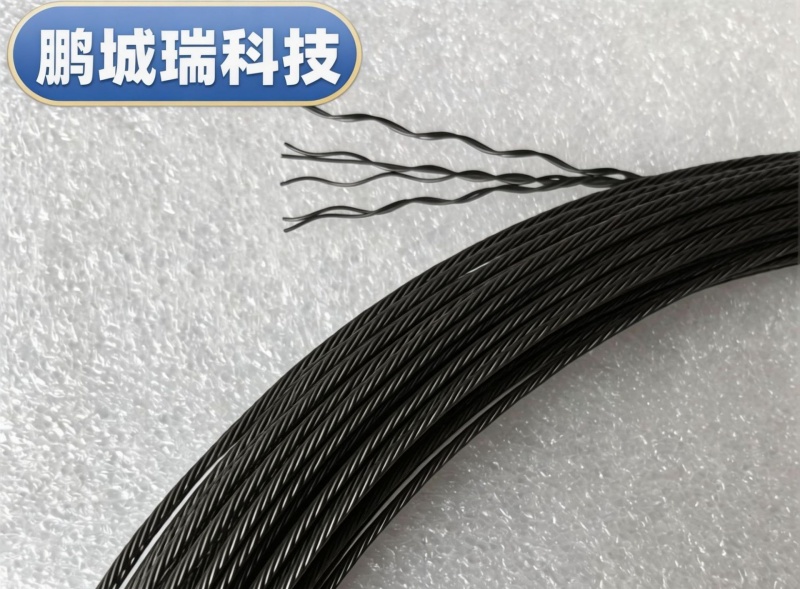
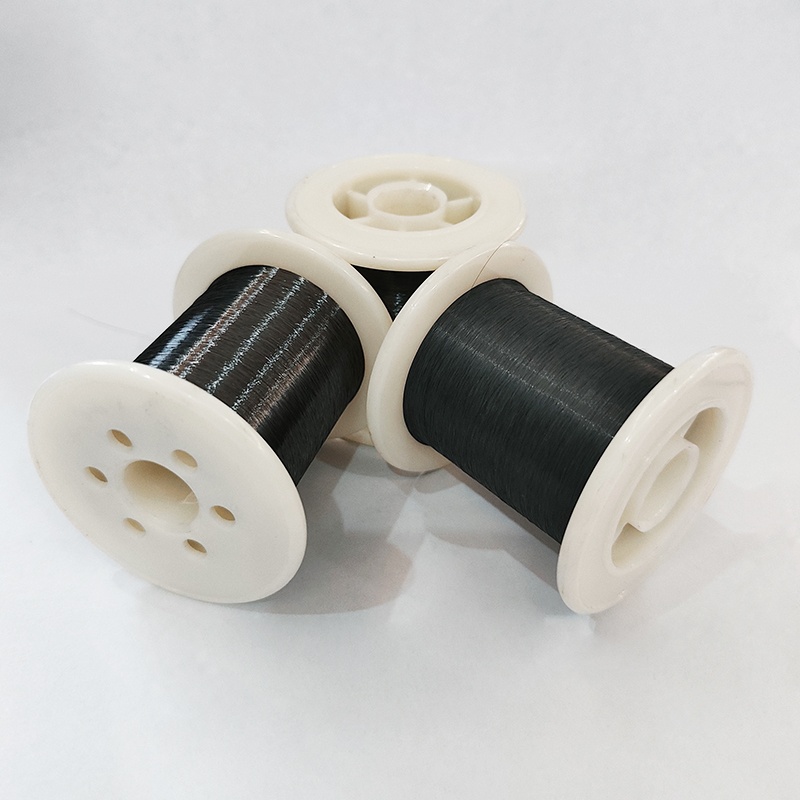
Huizhou Pengchengrui Technology Co., Ltd. specializes in the research and production of nickel titanium alloy pipes with a wall thickness of 0.08mm-4mm. The pipes have high precision, smooth surface, strong batch stability, and meet the needs of medical precision fittings and industrial memory fittings. Relying on its own production line to reduce intermediate links, with fast delivery time and outstanding cost-effectiveness, it can flexibly undertake scientific research samples, small batch trial production, and large-scale orders, providing high-quality nickel titanium pipe solutions for industries such as interventional instruments and automation equipment.
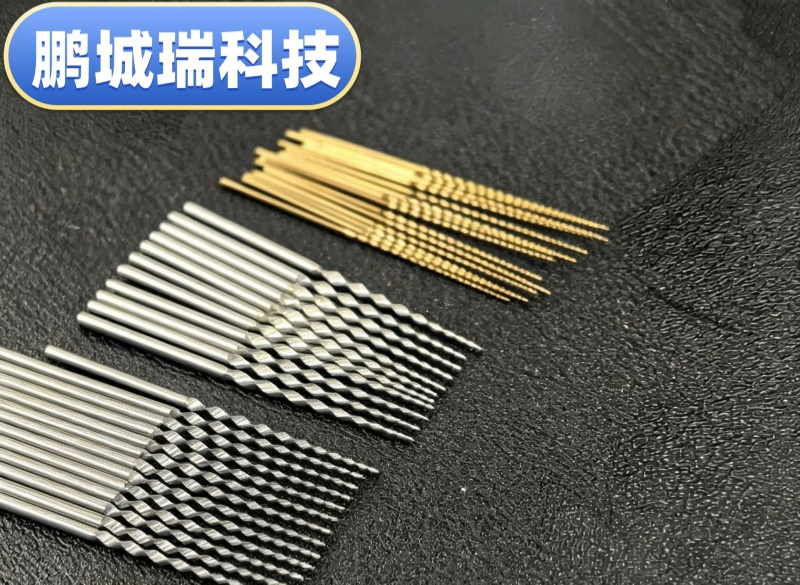
Nitinol
Seamless nickel titanium tube Nickel titanium fiber wire Nickel titanium plateApplication Area
Medical Industry New Energy Aerospace Machinery Manufacturing Marine Engineering Petrochemical IndustryContact Us
Contacts:Manager Wu +86 13632667260


 WeChat
 Call me
X