
 Chinese
 English
Service Hotline
+86 18948275773+86 13632667260


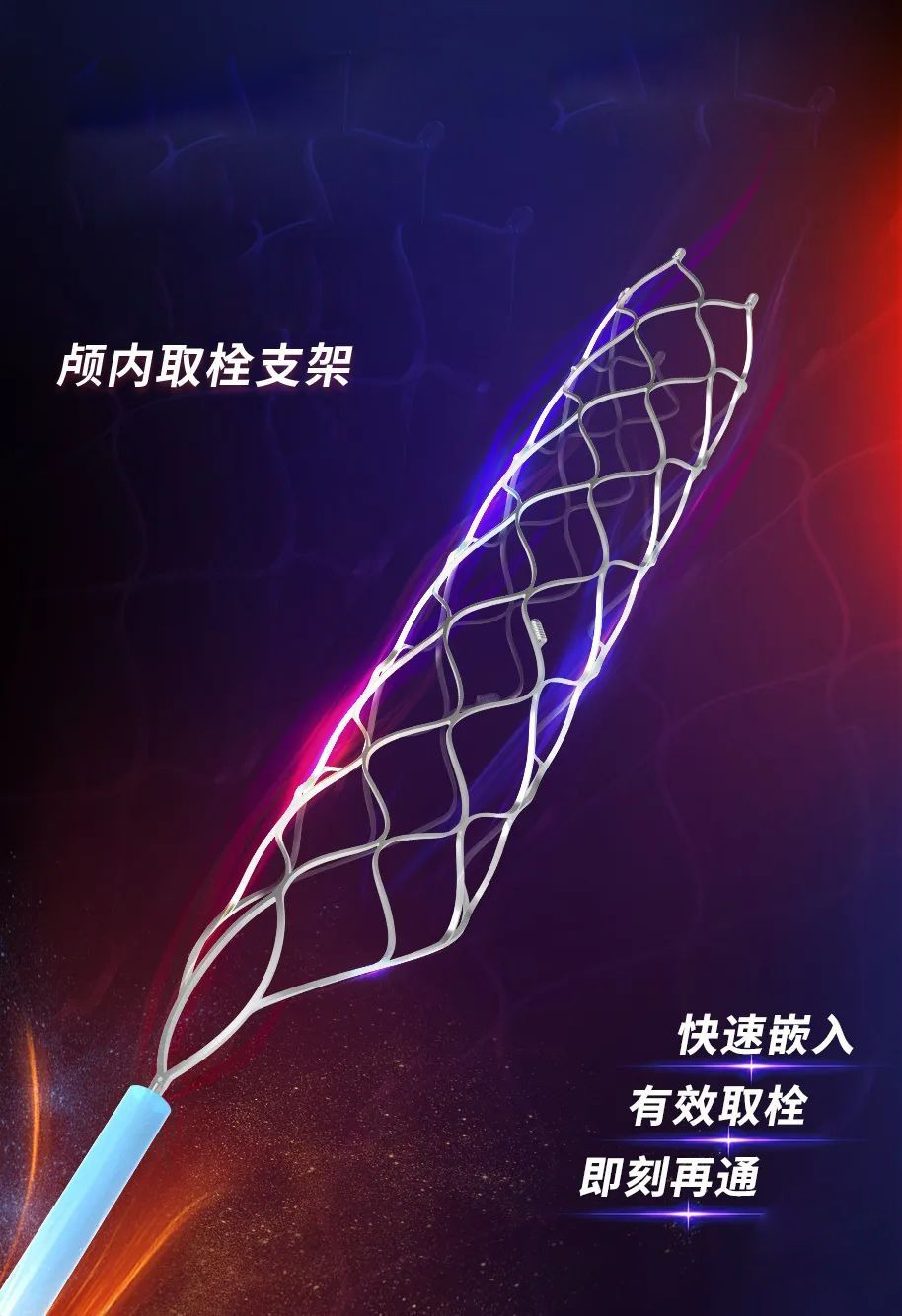
The thrombectomy stent is used for intracranial tortuous and delicate cerebral blood vessels, capturing thrombi and fully recovering them. It has extremely high requirements for compressible delivery, automatic expansion, smooth and non damaging blood vessels, and repeated deformation without failure. The unique shape memory and super elasticity of nickel titanium alloy cannot be replaced by stainless steel and cobalt chromium alloy. It is explained in six core advantages:
1、 Temperature controlled shape memory: achieving self expanding delivery without the need for balloon dilation
The nickel titanium phase transition temperature can be precisely controlled between 28-35 ℃ (lower than the human body's 37 ℃):
In vitro low-temperature compression: At low temperatures, the martensitic phase has a soft texture, which can compress the mesh scaffold into an extremely fine diameter and insert it into a microcatheter (intracranial catheter inner diameter is only 0.4-0.7mm);
Automatic restoration upon insertion into the skull: After the catheter is pushed to the thrombus location and the stent is released, the blood at 37 ℃ heats up and turns into austenite phase, instantly restoring the factory preset large aperture cage structure and automatically expanding the embedded thrombus trap;
Shortboard comparison: Stainless steel/cobalt chromium is a balloon dilation type, and intracranial small blood vessels cannot tolerate balloon inflation, which can easily cause vascular dissection and rupture, making it completely unsuitable for stroke thrombectomy.
2、 Super elastic and adaptable to extremely tortuous intracranial blood vessels
Ordinary stainless steel has an elastic strain of only 0.5%, while nickel titanium can reach 8% to 10%. Bending, twisting, and significant compression will not cause permanent deformation
The intracranial arteries have a large number of S-shaped bends, sharp angle bifurcations, and vascular stenosis. The stent runs through the entire course of the blood vessel bending without jamming or collapsing;
After grasping the thrombus and retracting it, the stent can contract and smoothly retract the catheter again, repeatedly opening/closing tens of thousands of times without fatigue fracture;
The elastic modulus is close to the human blood vessel wall (20-40GPa), and the support force is gentle and gradual, without forcefully tearing the fragile intracranial membrane, greatly reducing the risk of postoperative spasms and bleeding.
3、 Mechanical structure adaptation for bolt operation logic
The bolt removal bracket requires three major mechanical properties, and only nickel titanium can simultaneously meet them:
Radial soft support: After expansion, it evenly adheres to the blood vessel wall, with the mesh embedded in the thrombus, firmly locking in the large thrombus, and is not easy to fall off and form distal embolism when retracted;
Low rebound, no displacement: After release, the shape is stable and will not violently bounce and puncture blood vessels;
Recyclable repeated operation: When the plug is not completely removed once, the bracket can be retracted and repositioned for release, and the nickel titanium deformation performance does not deteriorate after multiple times.
4、 Excellent biocompatibility and corrosion resistance to body fluids
A stable titanium dioxide passivation film is formed on the titanium substrate, which does not corrode or precipitate heavy metal ions in the blood and cerebrospinal fluid for a long time, and has no obvious allergic or inflammatory reactions;
After electrochemical polishing, the surface has extremely low roughness, combined with hydrophilic coating to reduce platelet adhesion and avoid secondary thrombosis on the stent surface during surgery;
Non ferromagnetic, postoperative 1.5T/3.0T magnetic resonance imaging can be safely performed, and metal artifacts are much weaker than stainless steel instruments.
5、 Extremely high fatigue life, stable and reliable throughout the surgery process
Intracranial blood vessels continuously pulsate with heartbeat, and the stent needs to withstand repeated small deformations:
-Nickel titanium can withstand more than 5 million pulsation cycles without producing microcracks or fractures;
-Laser cutting of thin nickel titanium thin-walled pipes can not only create a fine mesh structure to capture blood clots, but also maintain overall lightness and flexibility.
6、 Processing technology adapted for small precision intracranial instruments
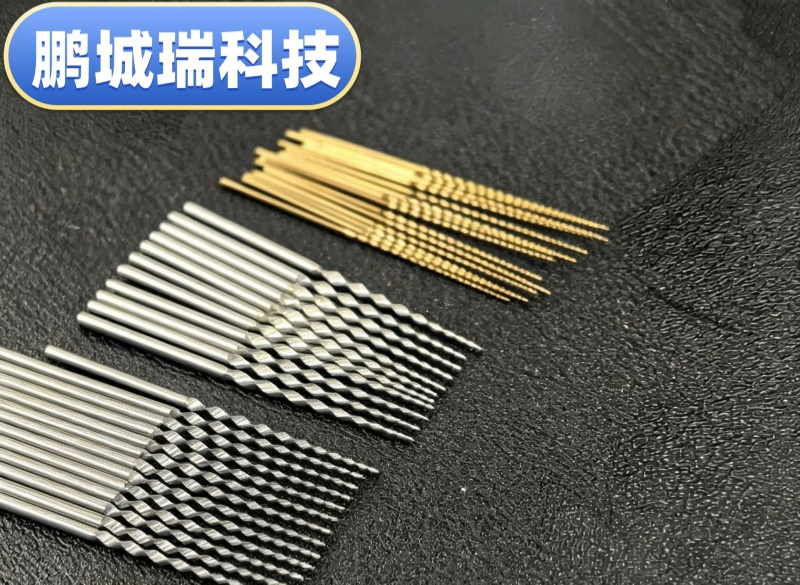
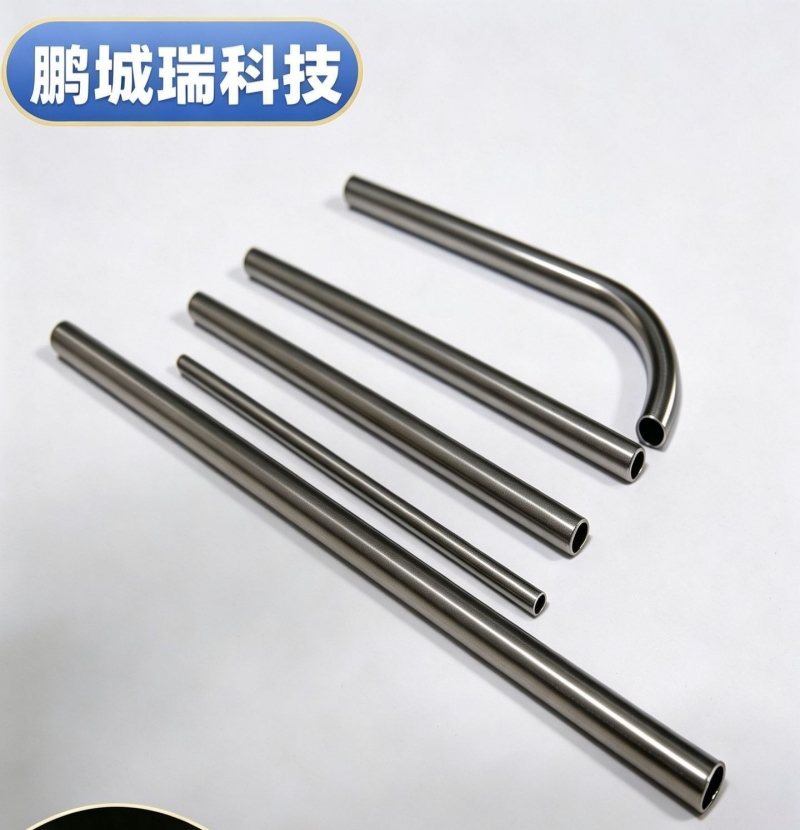
It can draw ultra-thin seamless nickel titanium capillary tubes, with tube walls as thin as 0.025mm, and laser cut hexagonal/diamond mesh cage structures;
Easy to composite platinum and tungsten imaging wires, allowing for clear visualization of stent position and precise localization of thrombus under intraoperative DSA fluoroscopy;
Mature surface modification technology: hydrophilic coatings and anticoagulant coatings are suitable for minimally invasive neural intervention scenarios.
Nickel titanium alloy is the only metal material that simultaneously meets the four major surgical requirements of "low-temperature compression fine delivery, body temperature self expansion thrombus grasping, flexible bending without damaging blood vessels, and repeatable recovery", making it the standard substrate for all intracranial thrombectomy stents.
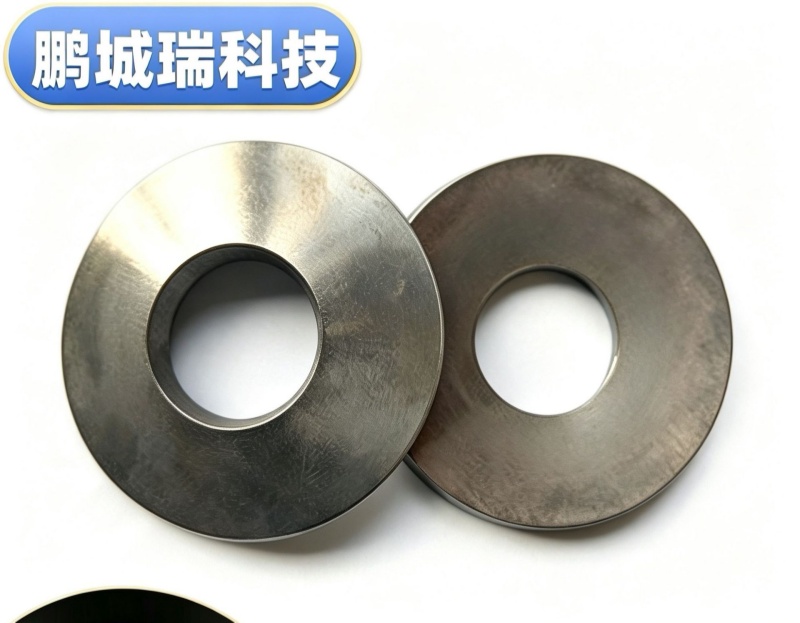
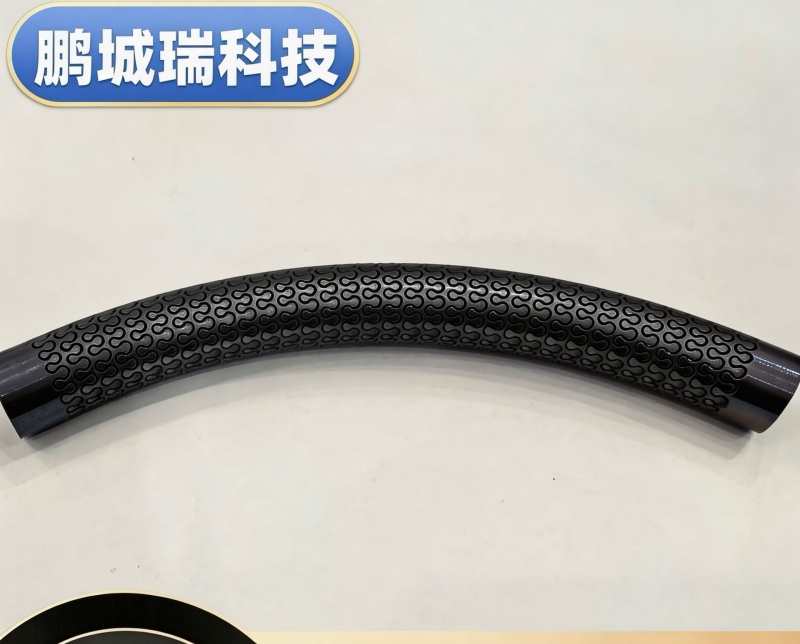
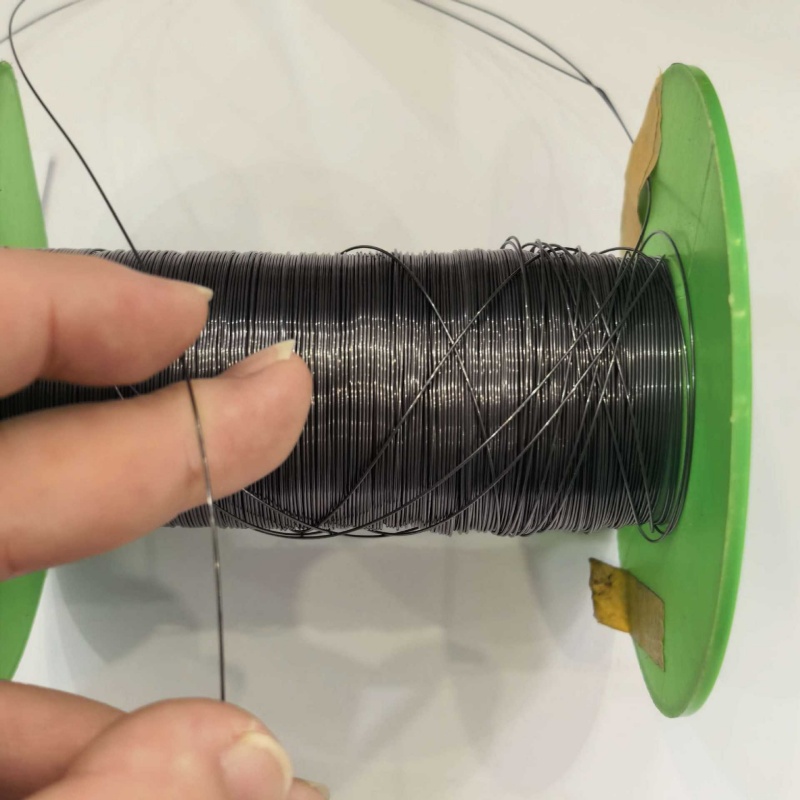
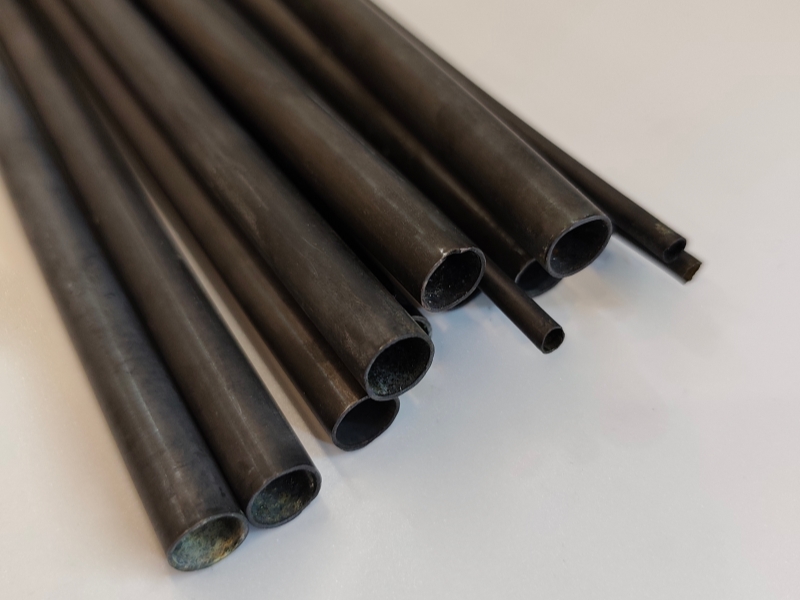
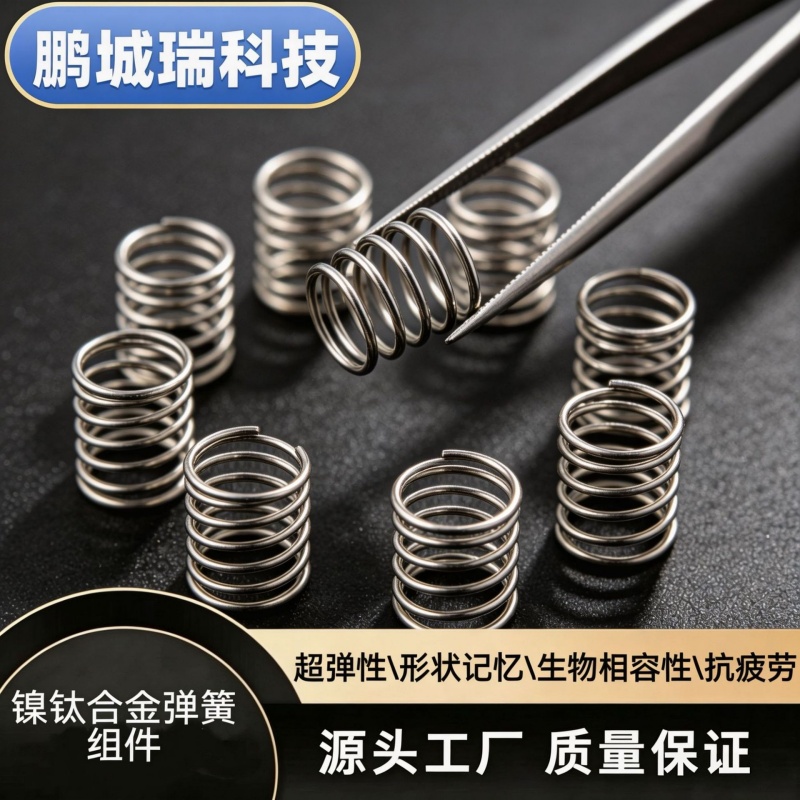
Nitinol
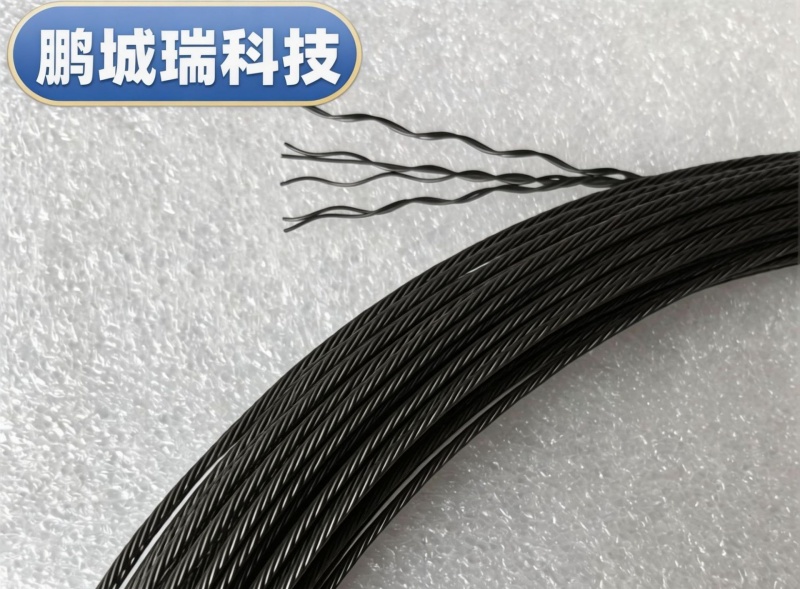
Seamless nickel titanium tube Nickel titanium fiber wire Nickel titanium plateApplication Area
Medical Industry New Energy Aerospace Machinery Manufacturing Marine Engineering Petrochemical IndustryContact Us
Contacts:Manager Wu +86 13632667260


 WeChat
 Call me
X