
 Chinese
 English
Service Hotline
+86 18948275773+86 13632667260



Nickel-titanium memory plates (nickel-titanium shape memory alloy plates) are primarily utilized in the new energy sector for thermal management, adaptive structures, energy recovery, temperature control actuation, and safety protection, owing to their unique shape memory effect, superelasticity, corrosion resistance, and temperature-controlled phase transition characteristics. They serve as pivotal smart materials for enhancing the efficiency, reliability, and intelligence of new energy systems.
I. Solar thermal/photovoltaic system
(1)Adaptive light-tracking and structural support. Used as adaptive mounts/drivers for solar concentrators, heliostats, and photovoltaic panels.
Utilizing temperature changes to drive the deformation of the memory board, automatically adjusting the angle, achieving passive and precise light-tracking without motors, simplifying the structure, reducing energy consumption, and improving photoelectric/photothermal efficiency.
Recover to preset shape under high temperature, automatically tension/support, resist deformation from wind and snow, and enhance outdoor stability.
(2)Collector and heat pipe temperature control components: Temperature control valves and flow regulators for solar collectors/heat pipes.
The phase change temperature drives the automatic opening and closing of the memory board, regulates the flow rate of the medium, and cuts off the circuit when overheated to prevent damage from exposure to the sun.
(3)Flexible photovoltaic structure: Ultra-thin memory boards serve as the supporting framework for flexible solar thin films.
It combines super elasticity and shape memory, allowing for rollable transportation and self-resetting upon deployment on site. It is suitable for curved roofs, mountainous terrain, and spacecraft.
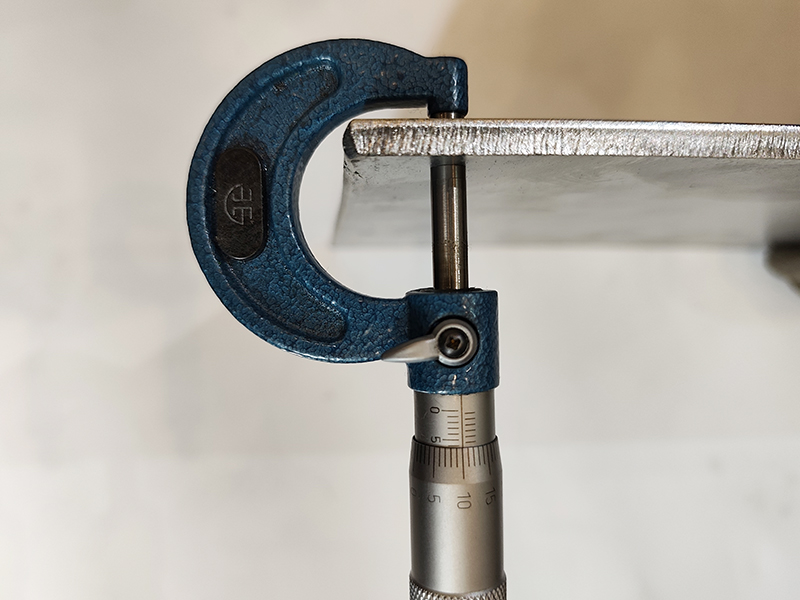
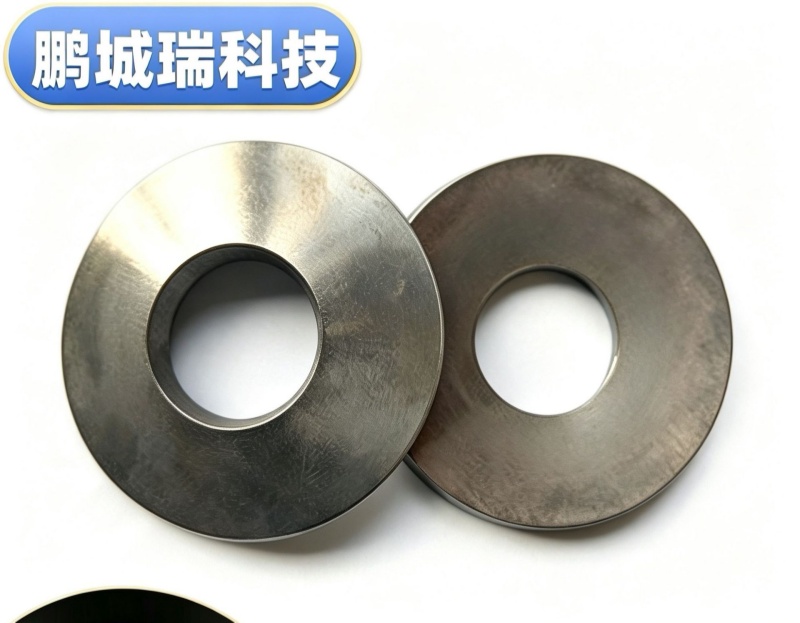
Nickel-titanium alloy plate with a wall thickness of 6mm
II. New energy vehicles (power battery/thermal management/electronic control)
(1)Power battery system Battery pack temperature control actuator: The memory board is made into a thermal switch and a heat dissipation guide plate. When the battery overheats, it automatically deforms to open the air duct and initiate heat dissipation.
Cell fastening and cushioning: The ultra-elastic memory plate serves as a compression spring/bracket, adapting to the expansion of the cell during charging and discharging, maintaining pre-tightening force, preventing loosening, and resisting vibration over the long term.
Extreme temperature protection: automatic insulation closure at low temperatures and automatic pressure relief at high temperatures, enhancing safety and cycle life.
(2)Thermal Management and Air Conditioning Snap-action card refrigeration/heat pump: Utilizing the solid-state phase change of nickel-titanium to absorb and release heat, developing a green refrigeration technology without refrigerant (-12℃ level), suitable for in-vehicle green air conditioning and battery cooling.
Temperature control valves and heat exchangers: corrosion-resistant, long-lasting, suitable for coolant/refrigerant circuits.
(3)Electronic control and wiring harness: Over-temperature protection switch, adaptive connector: Automatically disconnects/deforms in case of abnormal temperature, achieving passive thermal protection.
Lightweight corrosion-resistant terminals/shielding components: replacing stainless steel, reducing weight, and resisting electrochemical corrosion.
III. Wind Power Generation (Onshore/Offshore)
(1)Adaptive Blade Adjustment. Memory plates are embedded in the leading/trailing edges of the blades, which automatically undergo micro-deformations when wind speed/temperature changes, optimizing the airfoil, reducing wind resistance, suppressing flutter, and enhancing wind energy utilization.
Passive drive, no motor, no sensor, maintenance-free.
(2)Yaw/Pitch Actuation and Damping Used as a temperature control damper and overload protection component, it automatically deforms to unload under extreme operating conditions, protecting the gearbox and main shaft.
(3)Offshore Wind Power Anti-corrosion and Connection: Excellent seawater corrosion resistance, used for tower connections, submarine cable connectors, anti-corrosion fixtures, with a lifespan far exceeding that of stainless steel.
Ⅳ.Hydrogen energy and fuel cell bipolar plate/flow field plate (modified memory plate):
It combines conductivity, thermal conductivity, corrosion resistance, and elastic compensation, and is suitable for PEM water electrolysis and fuel cells, improving sealing performance and service life.
Temperature control and safety components: thermal control valves for hydrogen circuits, rupture discs, over-temperature protectors, featuring passive response and rapid action.
Electrolyzer electrode/separator: resistant to acid and alkali, resistant to hydrogen embrittlement, enhancing stability.
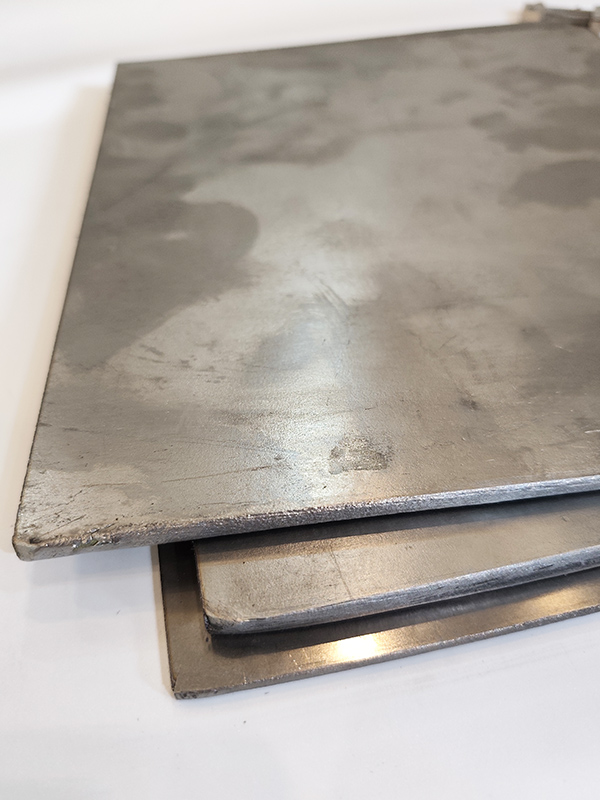
Nickel-titanium alloy plate
V. Low-grade heat recovery (industrial/photovoltaic/automotive waste heat) nickel-titanium heat engine (solid-state thermal power generation):
The memory plate/strip constitutes a wheel/crankshaft-type heat engine, which utilizes the cycle of heating contraction and cooling elongation to directly convert low-temperature waste heat (60–200°C) into mechanical/electrical energy.
Adaptation: Industrial waste heat, photovoltaic backplane waste heat, engine exhaust, geothermal water. Simple structure, noiseless, environmentally friendly.
VI. Smart grid and temperature control actuator for energy storage transformer/switchgear:
automatic over-temperature trip, ventilation, and passive safety protection.
Energy storage system (flywheel/compressed air): ultra-elastic seals, temperature control valves, buffer components, adaptable to pressure/temperature fluctuations.
Superconductor/current limiter: Maintains elasticity and shape stability at low temperatures, assisting in temperature control and structural support.
Ⅶ. Core Advantages (New Energy Scenario) Passive Drive:
No need for motor/power supply, relying on temperature self-response, energy-saving, reliable, and low cost.
Adaptive structure: shape memory + super-elasticity, fatigue resistance, impact resistance, long-term stability.
Extreme environment tolerance: resistance to high and low temperatures, corrosion resistance, radiation resistance, and hydrogen embrittlement resistance.
Lightweight: With a density of approximately 6.45 g/cm³, it is lower than steel, facilitating weight reduction and cost reduction.
Nickel-titanium memory plates, with "temperature-controlled self-adaptation, passive execution, structural intelligence, and long-life corrosion resistance" as their core values, cover the entire chain of solar energy, new energy vehicles, wind power, hydrogen energy, waste heat recovery, and grid energy storage in the new energy sector. They are key materials driving the system towards high efficiency, lightweight, intelligence, and safety.
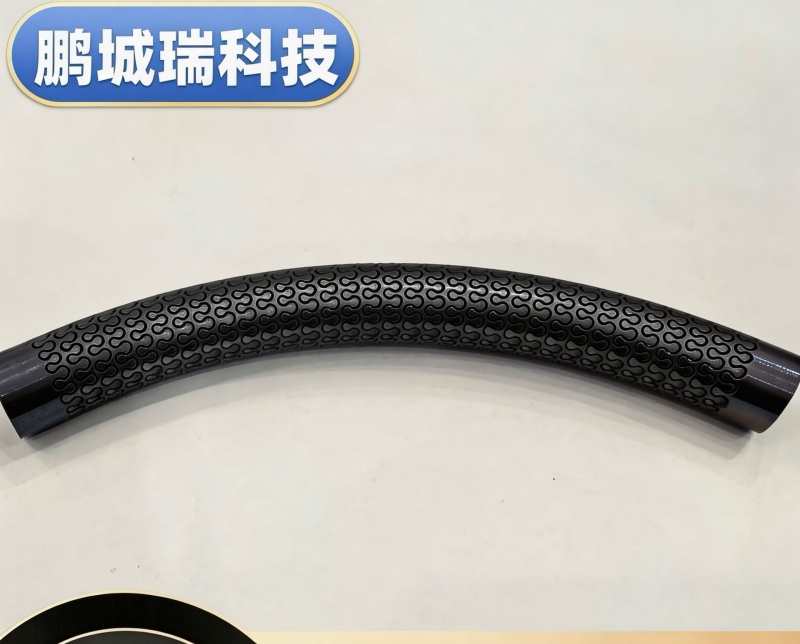
Huizhou Pengchengrui Technology provides nickel-titanium memory alloy plates with three specifications: 4mm, 6mm, and 8mm in thickness. The company possesses deep processing and manufacturing capabilities as well as product molding abilities, enabling it to solve technical challenges for its customers.
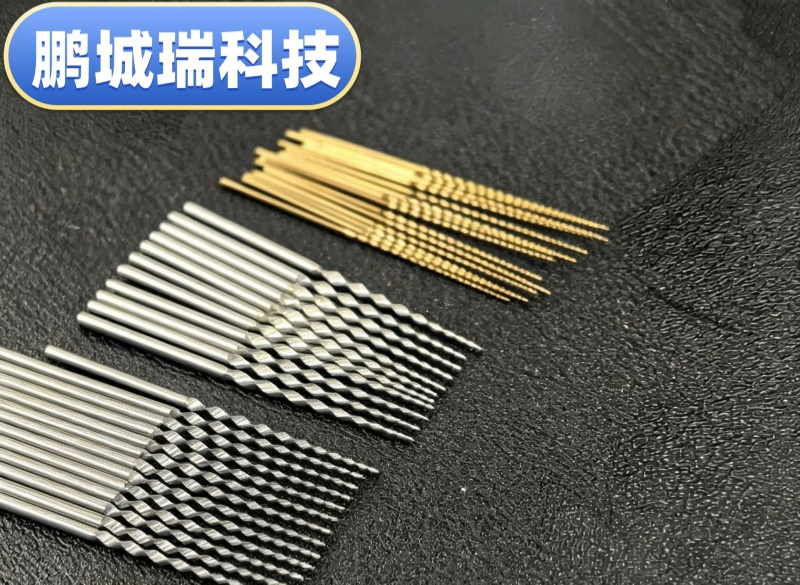
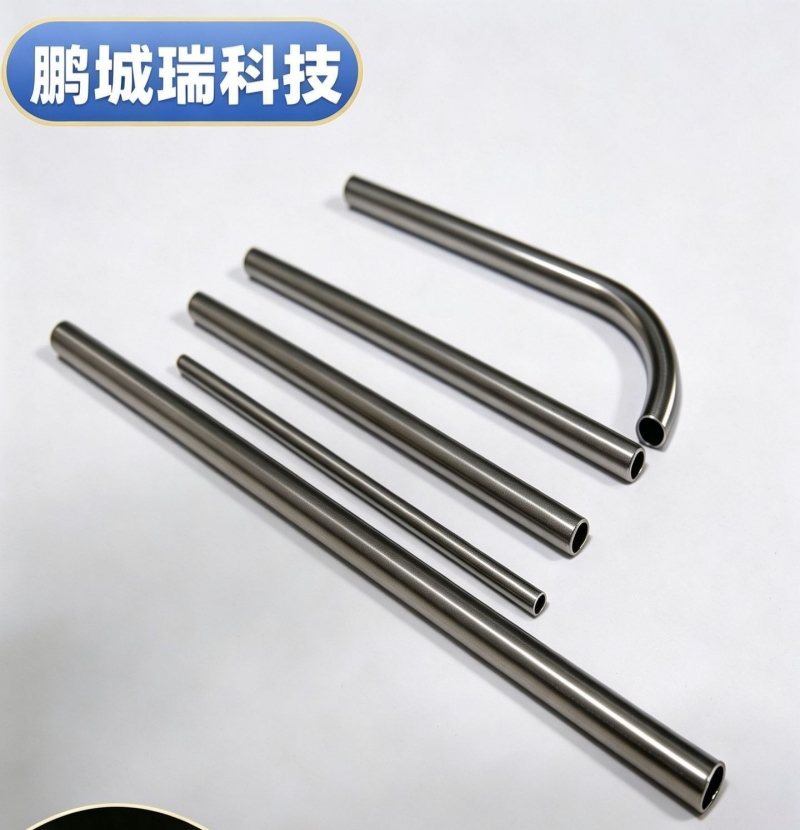
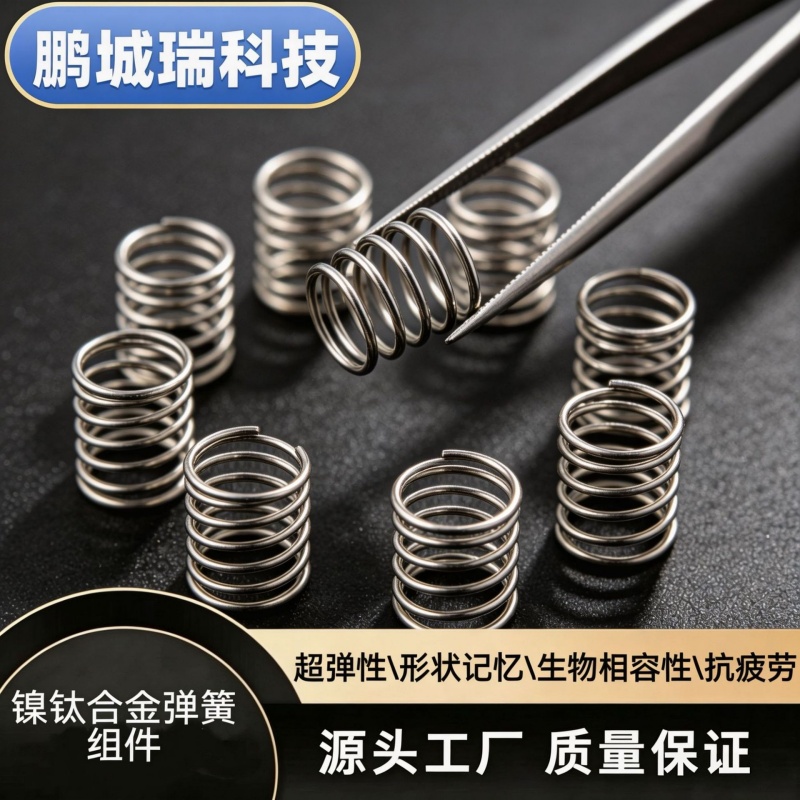
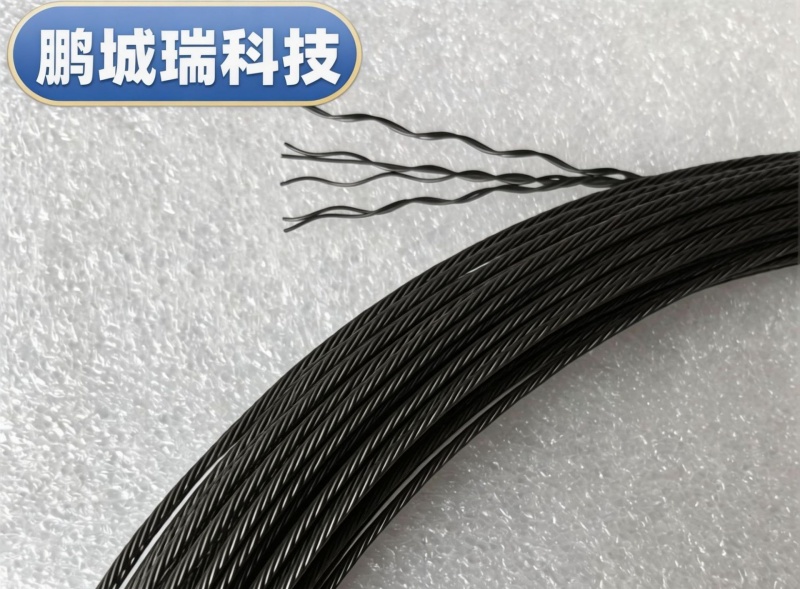
Nitinol
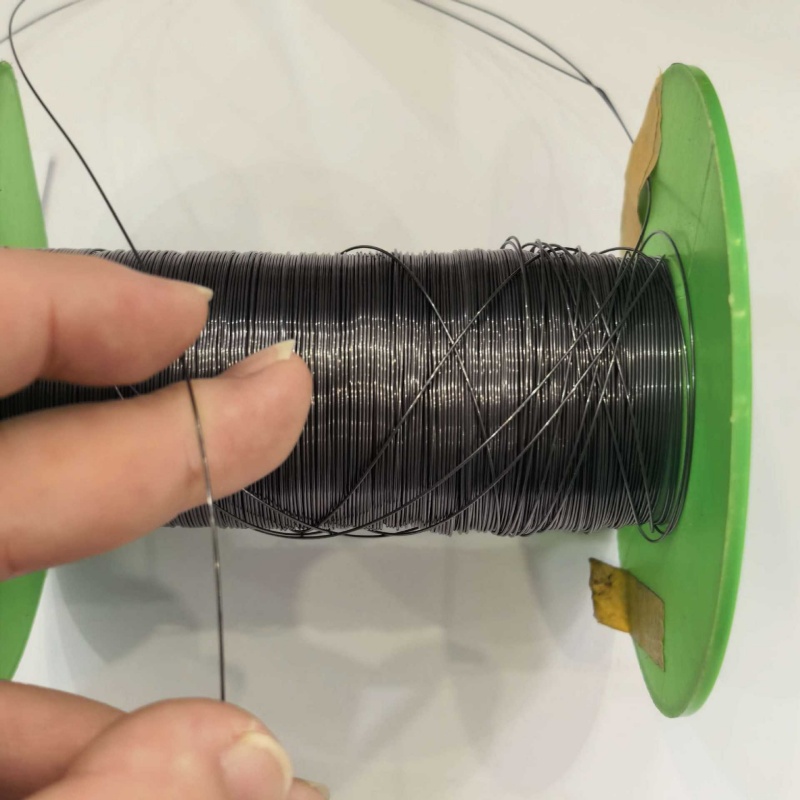
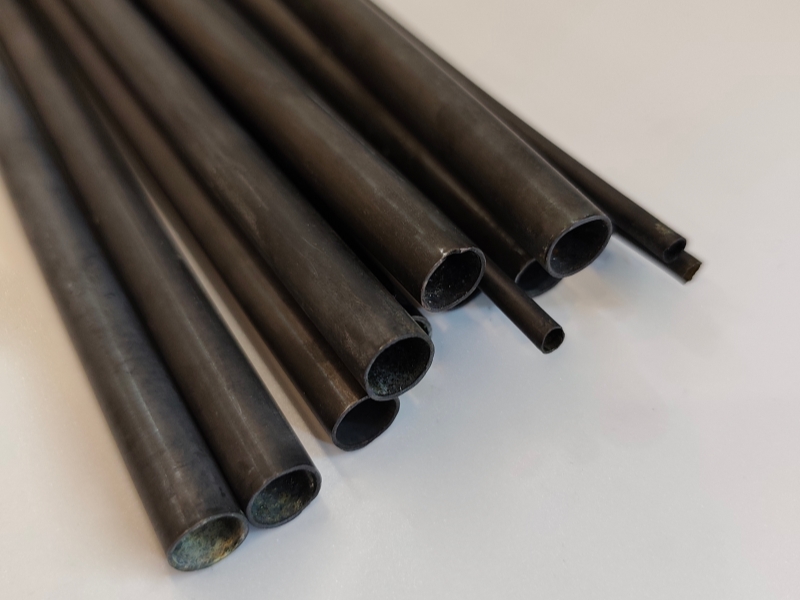
Seamless nickel titanium tube Nickel titanium fiber wire Nickel titanium plateApplication Area
Medical Industry New Energy Aerospace Machinery Manufacturing Marine Engineering Petrochemical IndustryContact Us
Contacts:Manager Wu +86 13632667260


 WeChat
 Call me
X