
 Chinese
 English
Service Hotline
+86 18948275773+86 13632667260



Under stress, nickel titanium alloy undergoes reversible martensitic transformation ↔ Austenitic phase transformation, accompanied by the absorption and release of a large amount of latent heat, thus achieving refrigeration/heating.
1、 There are two "forms" of nickel titanium alloy at room temperature:
(1) Austenite (parent phase)
More stable at high temperatures and without stress, with a regular, hard, and stiff structure.
(2) Martensite (deformation phase)
It is more stable under low temperature and stress, and the structure is deformable and soft.
The thermoelastic effect refers to the rapid interconversion of these two structures under stress.
2、 Four Steps to Understanding Refrigeration/Heating
① Loading (pressure/tension)
External force → Martensite → Austenite
Phase change releases heat → Heating
Fluid carries the tropics away
② Maintain stress
Structural stability in austenite
Isothermal/Near Isothermal Heat Release
③ Unload (remove force/relax)
External force disappears → austenite → martensite
Phase change absorbs heat → cooling
Fluid is cooled
④ Stress free recovery
Return to the initial martensite
Prepare for the next cycle
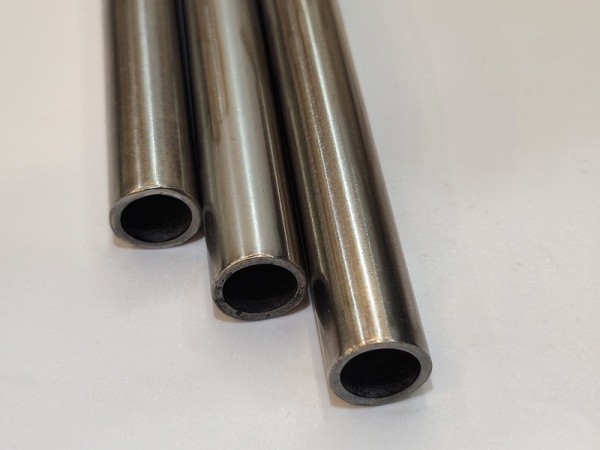
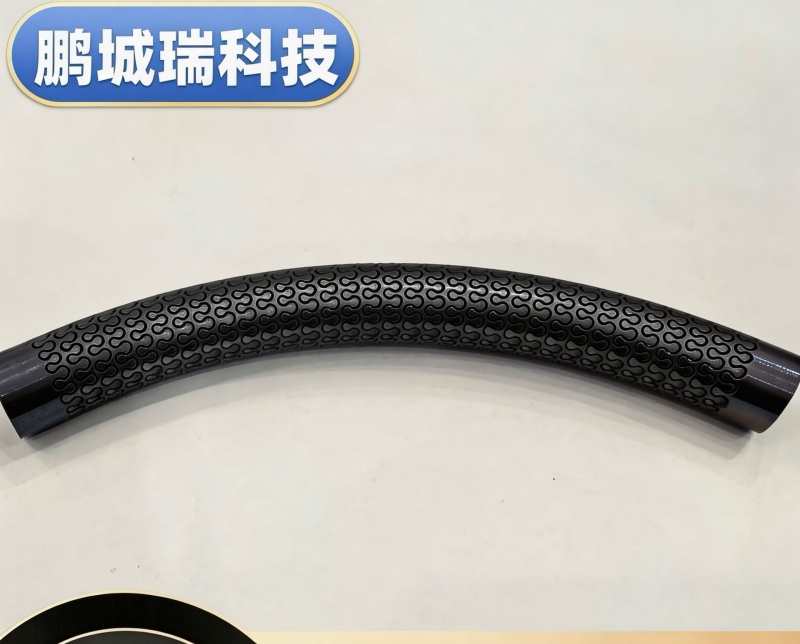
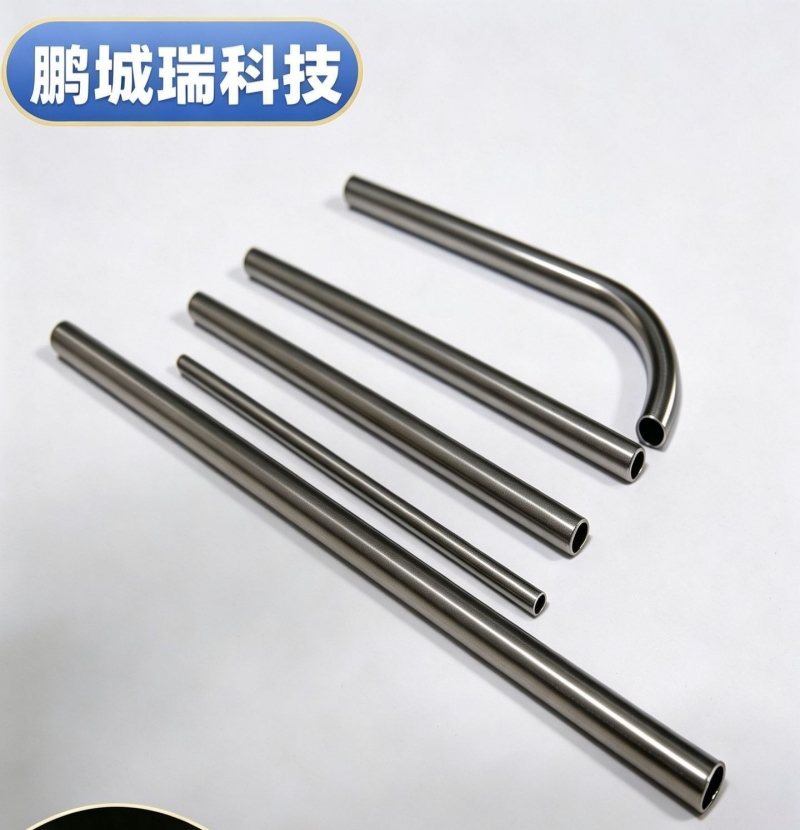
Nickel titanium alloy tube
3、 Why is nickel titanium particularly strong?
High latent heat of phase change → Strong cooling/heating capacity
Phase transition reversible → recyclable over a million times
Excellent super elasticity → able to withstand large strains continuously
Non toxic, fluorine free, and greenhouse gas free → truly green refrigeration
Stress induced reversible martensitic austenite transformation in nickel titanium alloys:
Pressure → phase change heat release → heating
Pressure relief → phase change heat absorption → refrigeration
This is the essence of the thermoelastic effect.
4、 Case Study of Elastic Thermal Effect of Nickel Titanium Alloy
(1) Hong Kong University of Science and Technology: Kilowatt level Thermal Air Conditioning (2025, Nature)
Core parameters: Total cooling power of 1284W (exceeding the kilowatt threshold), unit mass cooling power of 12.3W/g, operating frequency of 3.5Hz.
Technical architecture: 10 nickel titanium alloy units in series and fluid parallel; Each unit contains 4 thin-walled NiTi tubes; Use graphene nanofluid (2g/L) to enhance heat transfer.
Application scenarios: Home/commercial air conditioning, data center cooling.
Advantages: Zero refrigerant, quietness, and energy efficiency potential far exceeding traditional air conditioning (theoretical COP>20).
(2) Hong Kong University of Science and Technology: World's first sub zero bomb thermal refrigeration device (2026, Nature)
Core breakthrough: The temperature at the refrigeration end has dropped to -12 ℃, achieving for the first time stable thermoelastic cooling below zero degrees.
Materials and Design:
High nickel NiTi (51.2 at%), Af=-20.8 ℃, adiabatic peak temperature variation 16.3 ℃.
8 cascaded tubular units with a specific surface area of 8.68 mm ⁻¹, capable of withstanding a compressive stress of 900 MPa.
30% calcium chloride aqueous solution (antifreeze fluid) to avoid low-temperature blockage.
Applications: Medical cold chain (vaccines/biological samples), food freezing, low-temperature laboratory.
The thermoelastic effect is not thermal conduction, but rather "latent heat of phase change". Nickel titanium undergoes solid-state phase transition under stress, just like ice melting absorbs heat and water freezing releases heat, only occurring inside the metal.
Nickel titanium alloy is moving from a "special material" to a core solution for efficient fluid heat transfer, and its thermoelastic cooling provides a refrigerant free green path for carbon neutrality.
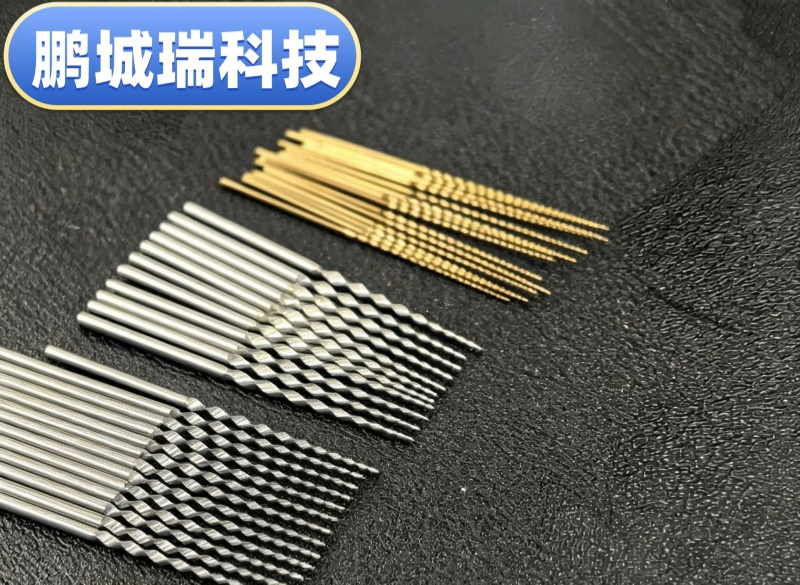
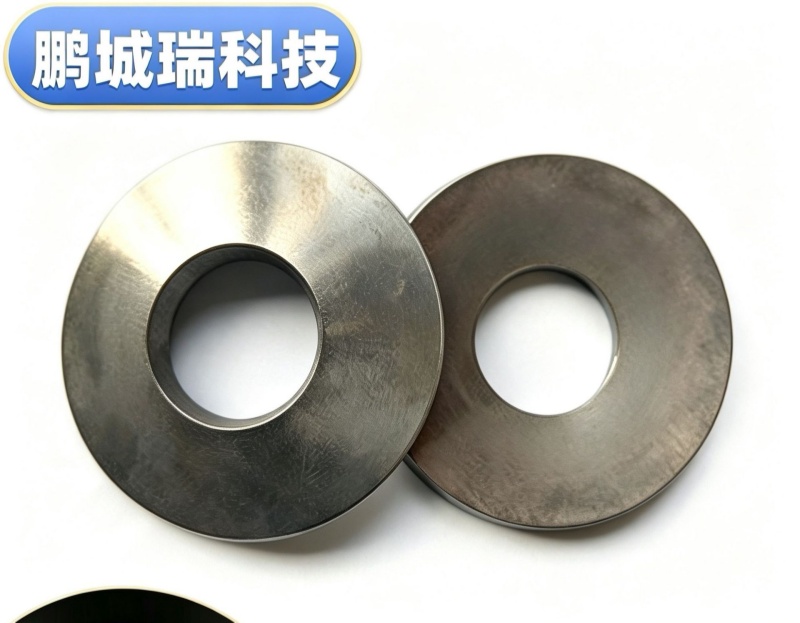
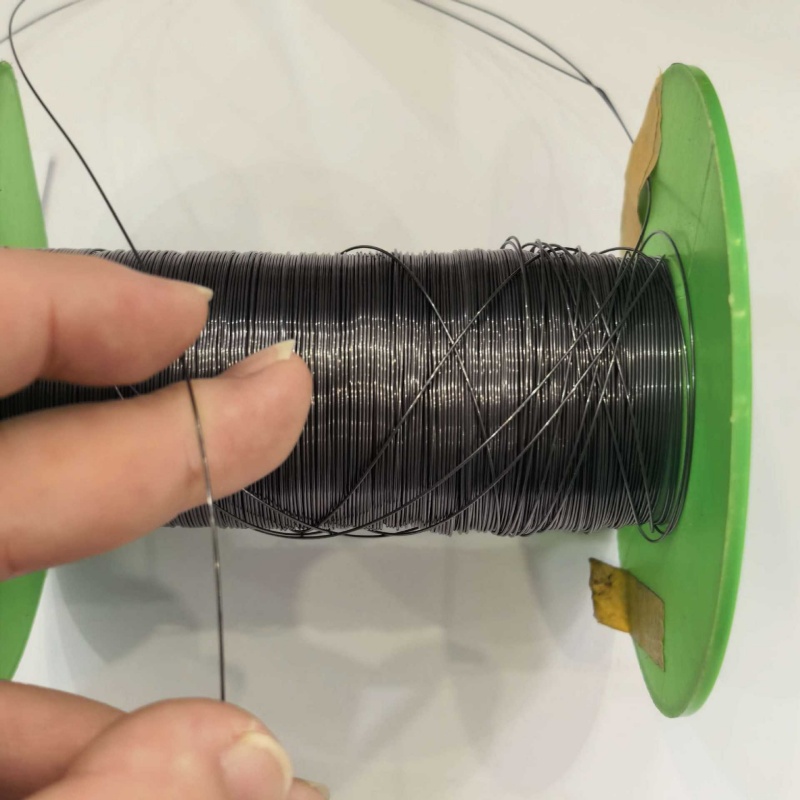
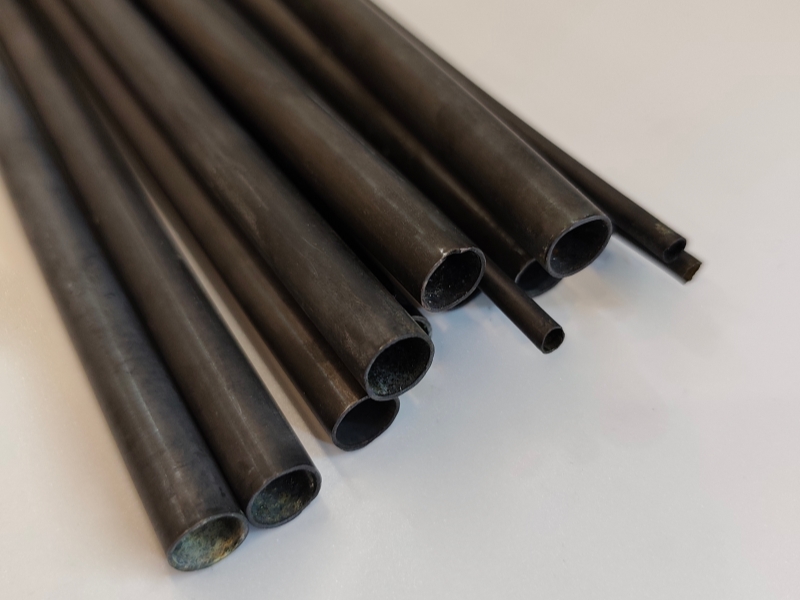
Pengchengrui in Huizhou is conducting in-depth research on nickel titanium alloys, providing three ideological products: nickel titanium memory alloy wire, pipe, and plate, to solve various technical problems of nickel titanium alloys.
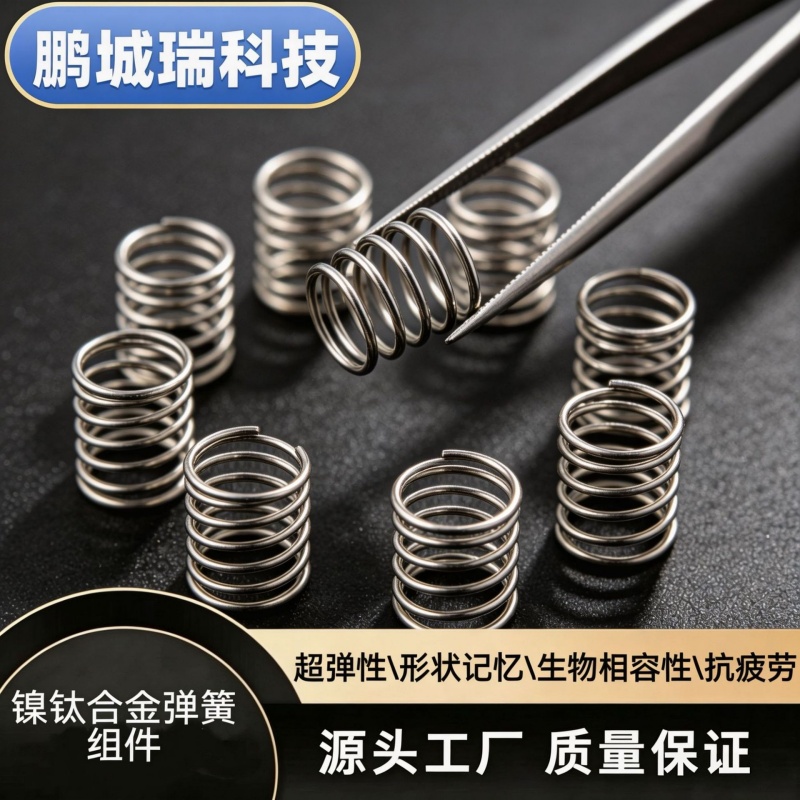
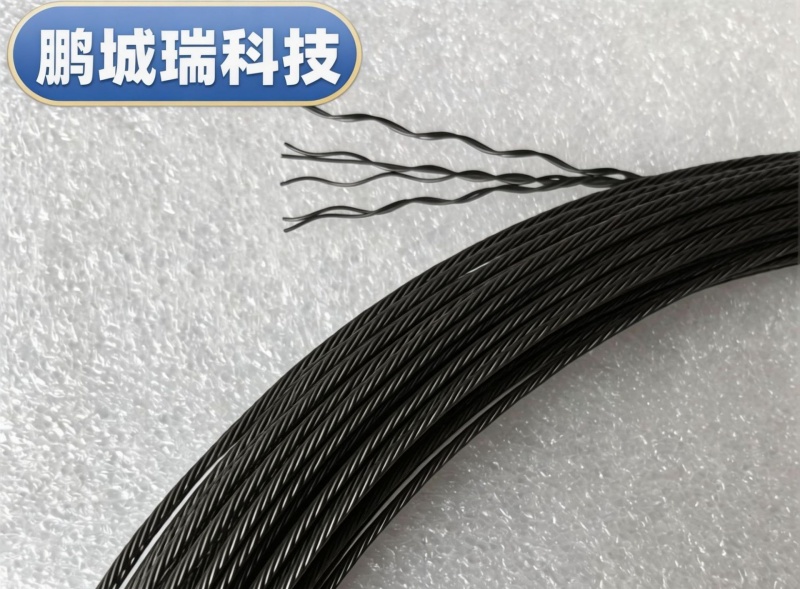
Nitinol
Seamless nickel titanium tube Nickel titanium fiber wire Nickel titanium plateApplication Area
Medical Industry New Energy Aerospace Machinery Manufacturing Marine Engineering Petrochemical IndustryContact Us
Contacts:Manager Wu +86 13632667260


 WeChat
 Call me
X