
 Chinese
 English
Service Hotline
+86 18948275773+86 13632667260

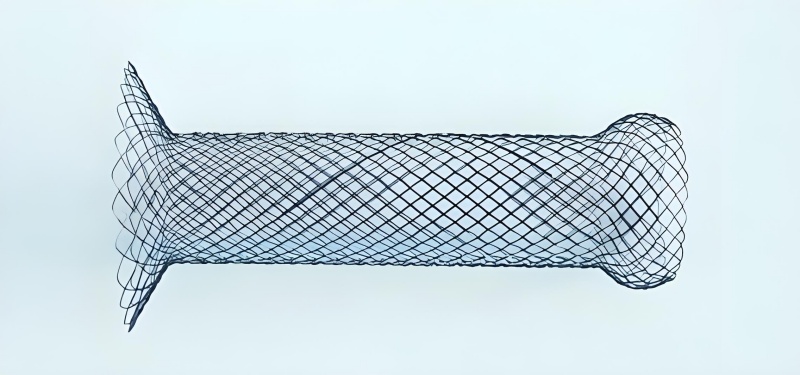
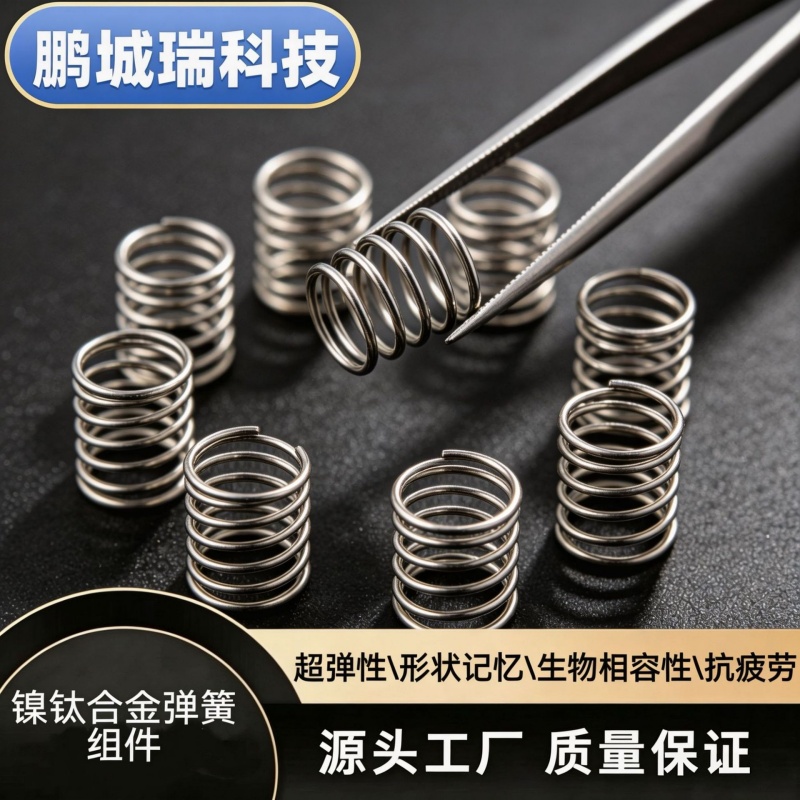
The nickel titanium shaped stent is based on near equiatomic ratio NiTi alloy and relies on core processes such as precision forming of pipes, laser cutting/weaving, heat setting, and surface treatment to achieve the unity of complex shaped structures and superelasticity/shape memory functions. It is the mainstream solution for minimally invasive interventional instruments such as blood vessels, digestive tract, and airway.
1、 Preparation of nickel titanium precision pipes
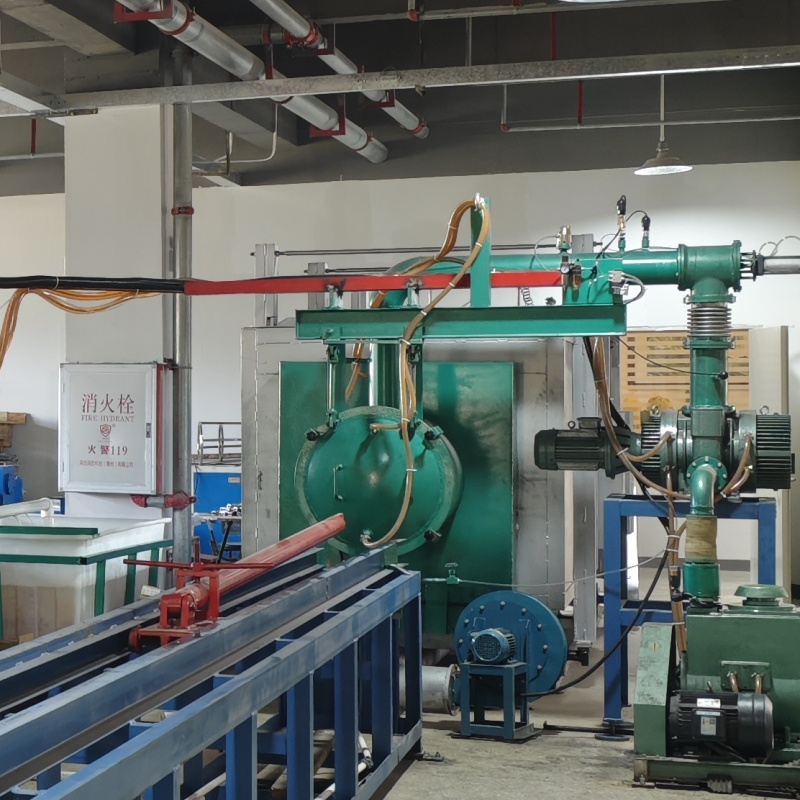
(1)Raw materials and smelting
Raw materials: high-purity Ni (≥ 99.5%), Ti (≥ 99.6%), atomic ratio of 50.4~50.8: 49.2~49.6 (regulating phase transition temperature Af ≈ 20~35 ℃), can add Fe/Cr/Cu to fine tune performance.
Melting: Vacuum Induction Melting (VIM)+Vacuum Self Consumable Arc Melting (VAR) dual process, vacuum degree ≤ 10 ⁻ Pa, multiple remelting to eliminate segregation, ingot diameter 50-200mm.
(2)Tube blank forming
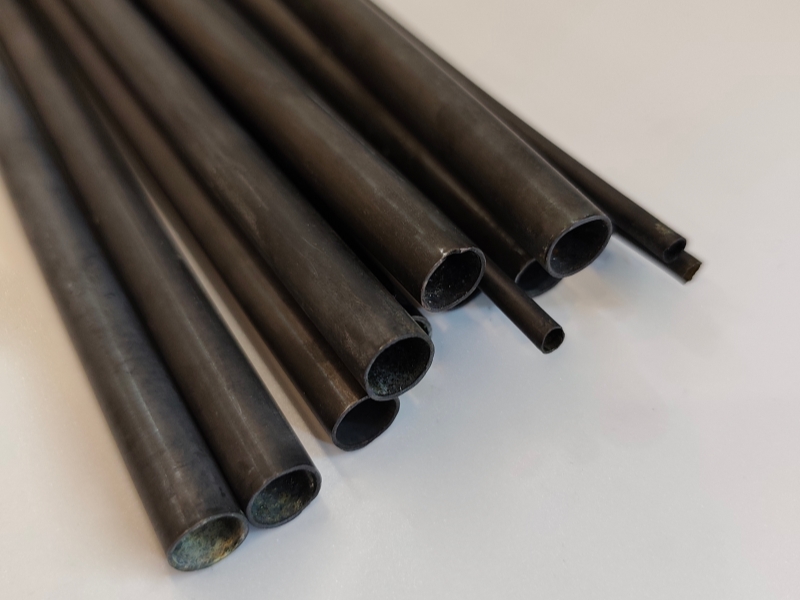
Ingots are hot forged at 800-1000 ℃ and then hot extruded into solid bars; Perforation of the electrode and hot spinning of the hollow capillary tube, external grinding and internal hole polishing, with a wall thickness uniformity of ≤ 0.02mm.
Irregular shaped tube blank: using core rod filling method (such as pure aluminum core material), combined with annealing and cold processing at 580-600 ℃ (processing rate of 30 ± 5%), followed by melting the core to remove aluminum and alkali washing to remove residue, to prepare elliptical/flat/spiral shaped tube blanks.
(3)Precision cold processing
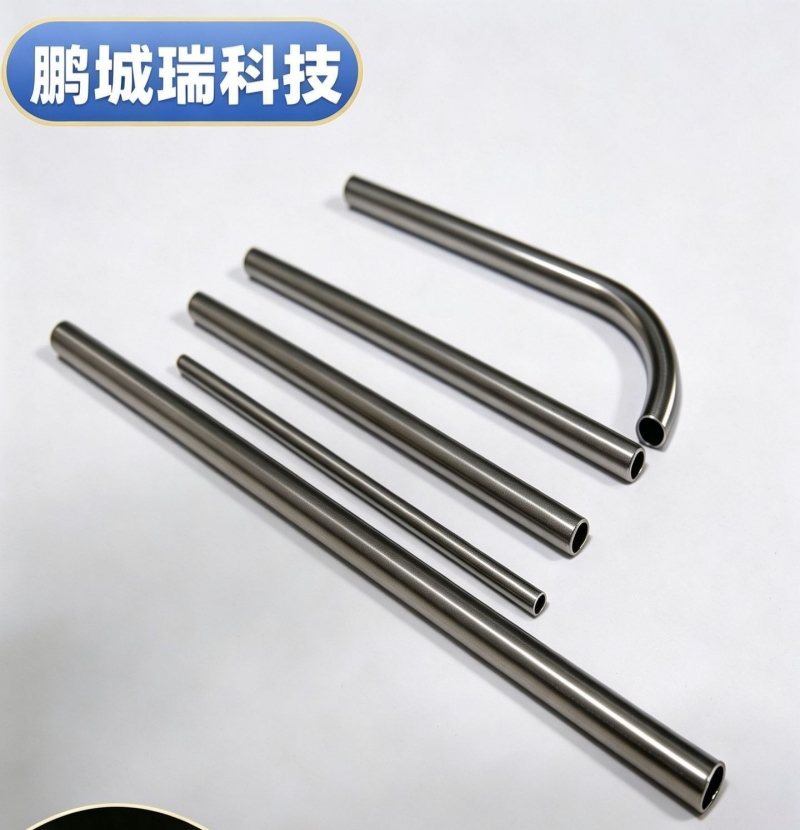
Multi pass cold drawing/cold rolling: alternate between empty drawing and core rod sizing, with a deformation of 8%~15% in each pass, and a cumulative deformation of 30%~50%. Draw to an outer diameter of 0.5~20mm and a wall thickness of 0.05~2mm.
Intermediate annealing: Vacuum annealing at 450-600 ℃ for 1-2 hours after every 1-2 passes to eliminate work hardening and prevent pipe cracking.
Finishing: straightening, cutting to length, ensuring straightness and dimensional accuracy.
(4)Heat treatment of pipes
Solution treatment: Hold at 800-1000 ℃ for 5-30 minutes, rapidly cool with water to obtain a single austenite structure.
Time treatment: Keep at 400-550 ℃ for 0.5-2 hours, air/water cooling, precipitate nano phase, stabilize phase transition temperature, and impart superelasticity/shape memory effect.
2、 Forming process of irregular bracket
(1)Laser cutting forming
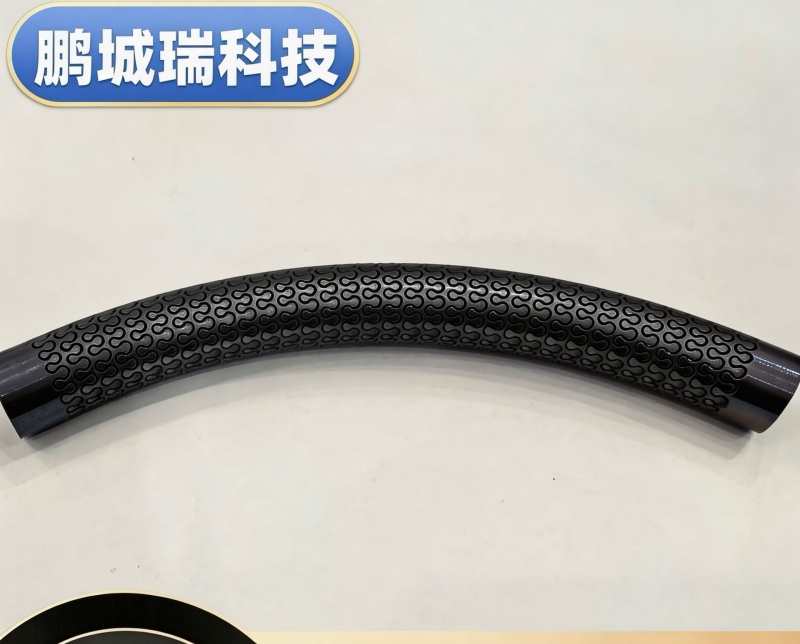
Process principle: Femtosecond/nanosecond pulse laser (power 100~500W) is used to non-contact cut pipes according to preset patterns, melt/vaporize materials, and blow off slag with coaxial airflow to form irregular structures such as grids/diamonds/spirals.
Key parameters: cutting speed of 5-20mm/s, pulse frequency of 10-50kHz, focal diameter of 20-50 μ m, ensuring a cutting roughness Ra ≤ 1.6 μ m and no cracks in the heat affected zone.
Alien adaptation: Variable diameter, variable wall thickness, spiral, segmented support and other alien structures are achieved through five axis linkage laser cutting, with an accuracy of ± 0.01mm.
(2)Weaving and Forming
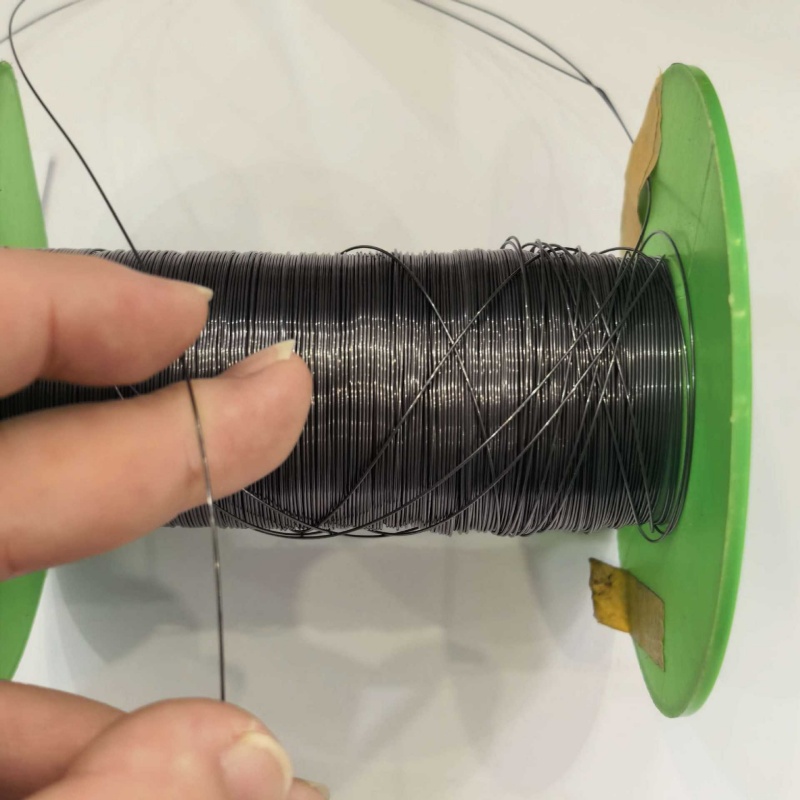
Using nickel titanium wire (diameter 0.08-0.25mm) as raw material, cross weave it into a three-dimensional irregular structure (such as segmented variable diameter, spiral, petal shape) on a customized core mold, and fix it with interlocking/spot welding between the wires.
Advantages: Good flexibility, no material loss, suitable for complex cavities such as airways/digestive tracts; Disadvantage: The accuracy is lower than that of laser cutting, and the radial support force is weaker.
(3)Other molding processes
Metal Injection Molding (MIM): NiTi powder+binder injection molding, degreased and vacuum sintered at 1240 ℃, suitable for porous/gradient shaped scaffolds, with low cost but limited accuracy.
Micro EDM: Micro electrical discharge machining, suitable for ultra small shaped features, low efficiency, mostly used for local fine structures.
3、 Irregular bracket heat setting
(1)Fixture shaping
Install the cut/woven bracket into customized shaped fixtures (such as spiral, variable diameter, segmented support molds) and fix it to the designed shaped form.
(2)Heat setting process
Vacuum/air furnace shaping: keep at 480~520 ℃ for 20~40 minutes (optimal 500 ℃/30 minutes), quickly water-cooled quenching, lock the irregular shape, and adjust the Af to 20~35 ℃ (suitable for human body temperature).
Gradient shaping: Segmented temperature control (such as 520 ℃ at the proximal end and 480 ℃ at the distal end) to achieve strong proximal support and good distal flexibility in gradient mechanical properties, matching the physiological structure of the cavity.
(3)Post molding processing
Remove the oxide scale by removing the tooling and acid washing (HF+HNO ∝ mixed solution), followed by ultrasonic cleaning to ensure a clean surface.
4、 Surface treatment
(1)Preprocessing
Sandblasting: 200-4000 mesh alumina/silicon carbide, removing slag and burrs, with a surface roughness of Ra0.8~3.2 μ m, used as a polishing base.
Electrolytic polishing: High chloric acid+ethanol electrolyte, voltage 15-30V, temperature 0-5 ℃, polished to Ra ≤ 0.2 μ m, reduces platelet adhesion, and improves endothelialization rate.
(2)Functional processing
Chemical treatment: Alkali etching/acid etching to construct micro nano rough structures, introducing - OH/- COOH functional groups to promote endothelial cell adhesion.
Coating treatment:
Heparin coating: Covalent grafting of heparin reduces coagulation risk and decreases thrombus formation.
Hydroxyapatite (HA) coating: PVD deposition enhances bone integration and adapts to the vascular bone interface.
Drug coating: loaded with rapamycin/paclitaxel to inhibit intimal hyperplasia and reduce restenosis rate.
5、 Key process difficulties and control points
(1) Composition and phase transition temperature control
The deviation of Ni/Ti atomic ratio is ≤ 0.1%, otherwise Af will shift, resulting in the scaffold being unable to self expand or insufficient rebound.
Full process vacuum protection, oxygen content ≤ 500ppm, to avoid NiTi oxidation embrittlement.
(2)Precision of Alien Forming
Laser cutting: Optimize the optical path and airflow, control the heat affected zone to ≤ 5 μ m, and prevent grid deformation.
Weaving: Core mold accuracy ± 0.005mm, wire diameter uniformity ± 0.002mm, ensuring consistency of irregular structures.
(3)Heat setting stability
The fitting degree between the fixture and the bracket should be ≥ 95% to avoid rebound after shaping; The standardized temperature fluctuation is ≤ ± 5 ℃ to ensure consistency of performance batches.
(4)Surface quality and biosafety
There are no cracks or pinholes on the surface, and the amount of Ni ion precipitation is ≤ 0.5 μ g/cm ²/day, which meets the biocompatibility standards for medical devices.
6、 Development Trends
(1) Intelligent manufacturing: laser cutting+AI path optimization, realizing one click programming of irregular structures, and improving accuracy to ± 0.005mm.
(2)Multi functional integration: irregular structure+drug coating+sensing function, achieving precise release and postoperative monitoring.
(3)Green technology: acid free polishing, vacuum closed-loop treatment, reducing pollution and improving biological safety.
Nitinol
Seamless nickel titanium tube Nickel titanium fiber wire Nickel titanium plateApplication Area
Medical Industry New Energy Aerospace Machinery Manufacturing Marine Engineering Petrochemical IndustryContact Us
Contacts:Manager Wu +86 13632667260


 WeChat
 Call me
X