
 Chinese
 English
Service Hotline
+86 18948275773+86 13632667260



Nickel titanium alloys, with their shape memory effect, superelasticity, thermoelastic effect, and excellent corrosion resistance, have achieved a breakthrough in the field of fluid heat transfer from "passive heat transfer" to "active regulation and efficient phase change heat transfer". Especially in the three directions of thermoelastic cooling, adaptive heat exchangers, and extreme working condition thermal management, they have shown great potential.
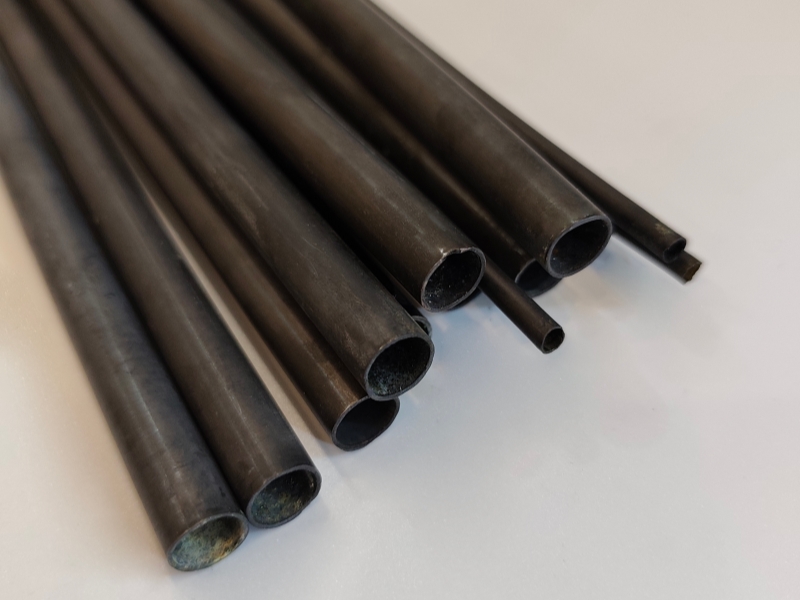
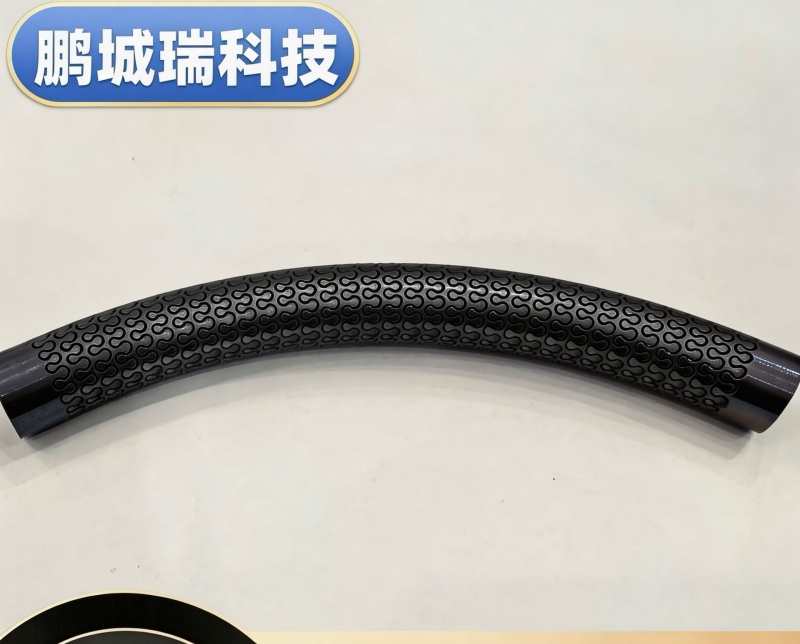
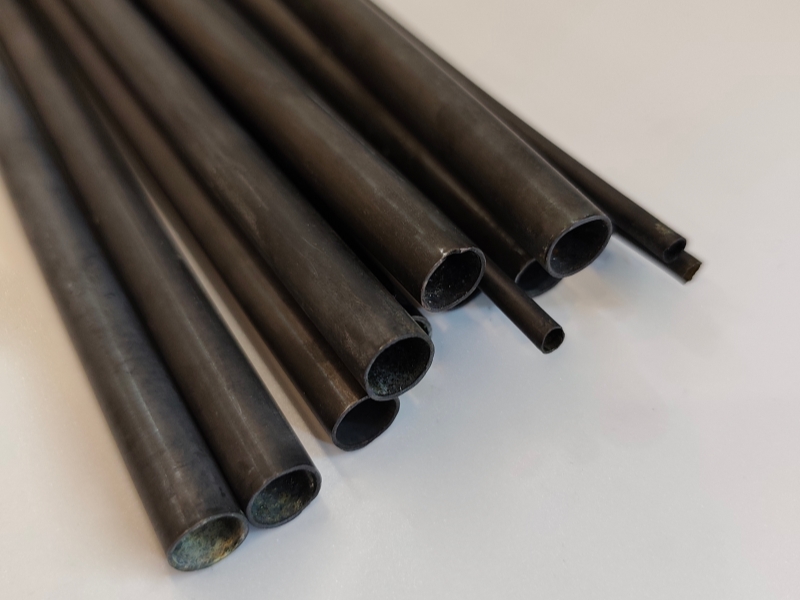
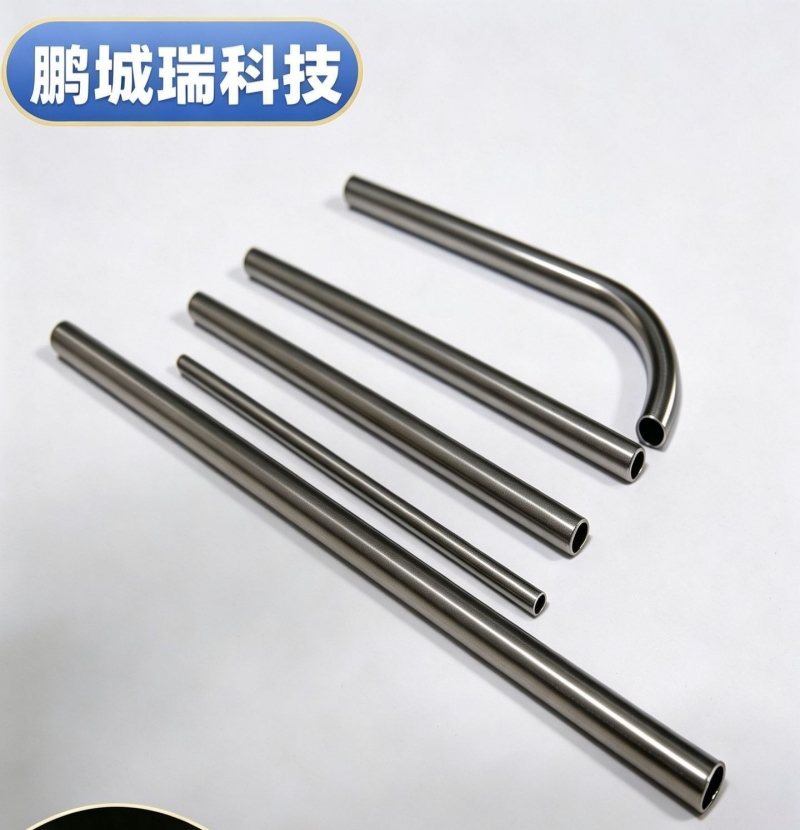
Multi size nickel titanium alloy tube
1、 Fluid Heat Transfer Principle of Nickel Titanium Alloy
The core principle of fluid heat transfer is based on the second law of thermodynamics and the basic mechanism of heat transfer, which means that heat spontaneously transfers from a high-temperature fluid to a low-temperature fluid, and this process is strengthened by optimizing the structure and flow state.
The heat transfer mechanism of nickel titanium alloy: Heat is transferred from the high temperature side to the low temperature side through solid walls such as nickel titanium alloy tubes and plates.
2、 Core characteristics and heat transfer advantages
The unique physical properties of nickel titanium alloy (NiTi) give it unparalleled advantages in fluid heat transfer compared to traditional metals
feature | principle | Heat exchange value |
| Thermoelastic effect | Stress induced martensitic austenite transformation, releasing/absorbing a large amount of latent heat | Realize efficient refrigeration/heating without refrigerants and zero greenhouse gases |
| Shape memory/hyperelasticity | Temperature/stress driven reversible deformation, automatically restoring the preset shape | Adaptive flow channel, self-cleaning, thermal stress compensation, dynamic enhanced heat transfer |
| High specific surface area structure | Can prepare complex structures such as thin-walled tubes, honeycombs, porous cores, etc | Significantly increase heat transfer area, reduce thermal resistance, and achieve compact design |
| Corrosion resistance/stain resistance | Surface passivation film, resistant to seawater, acid and alkali, and scaling | Long term stable operation, reduced maintenance, and efficient heat exchange |
| low thermal conductivity | About 18 W/(m · K), lower than copper and aluminum | Localization of heat that facilitates the thermoelastic effect and reduces ineffective heat loss |
3、 Study on Fluid Heat Transfer of Nickel Titanium Alloy
The domestic team is currently in a leading position in the field of Elastocaloric Cooling, focusing not only on the materials themselves but also on the construction of the entire system.
(1) Hong Kong University of Science and Technology (HKUST) - Professor Yang Zhengbao's team
Core breakthrough: kilowatt level refrigeration.
Technical route: They not only make materials, but also systems. By developing graphene nanofluid as a heat transfer medium and combining it with a multi cell structure of nickel titanium alloy tube bundles, the refrigeration power was successfully increased to 1284W, and the COP (coefficient of performance) reached 3.4.
Addressing pain points: It mainly solves the problems of low system efficiency and low power, proving the feasibility of this technology from laboratory to home applications.
(2) Southern University of Science and Technology (SUSTech) - Professor Cheng Xin/Team (and Collaborators)
Core breakthrough: anti fatigue, wide temperature range.
Technical route: Using the "three-phase nanostructure" design, nickel titanium alloys with gradient heterostructures are prepared through cold rolling process.
Addressing pain points: Solved the problem of "material fatigue (fatigue failure)". This new material has no performance degradation after 200 million cycles and can work stably over a wider temperature range, greatly improving the lifespan of the material.
(3) State Key Laboratory of Metal Material Strength, Xi'an Jiaotong University
Core breakthrough: additive manufacturing (3D printing).
Technical route: 3D printing of nickel titanium alloy using laser powder bed melting (LPBF) technology.
Addressing pain points: Solved the problem of "difficult processing". Traditional processing is difficult to create complex heat transfer structures, but 3D printing can produce pipes with complex microchannels inside, significantly increasing the heat transfer area (experiments have shown that the heat transfer area has increased by 8.7 times).
In the early days, international teams mainly focused on the basic properties of materials and biomedical applications, but in recent years, they have gradually shifted to the field of refrigeration.
(1) CU Boulder - Prof. Jun Cui
Core position: One of the earliest teams in the world to systematically study the thermal effects of projectiles.
Contribution: They have a profound accumulation in material screening and thermodynamic cycle design, providing a theoretical basis for later system optimization.
(2) Technical University of Denmark (DTU) - Prof. Nini Pryds&Prof. Alireza Rezaei
Core breakthrough: Large scale manufacturing and interface optimization.
Contribution: They are very concerned about how to integrate nickel titanium alloys into actual heat exchangers, researching how to reduce the heat transfer resistance between materials and fluids, and how to achieve greater cooling capacity through stacked structures.
(3) Nanyang Technological University (NTU) in Singapore
Core breakthrough: low-cost preparation.
Contribution: Exploring the use of non vacuum melting or new heat treatment processes to reduce the production cost of nickel titanium alloys and bring them closer to commercial applications.
Nickel titanium alloy is moving from a "special material" to a core solution for efficient fluid heat transfer. Its thermoelastic refrigeration provides a refrigerant free green path for carbon neutrality, adaptive heat transfer ensures the system remains efficient under variable operating conditions, and extreme environmental applications expand the boundaries of heat transfer technology. With continuous breakthroughs in materials, processes, and system design, nickel titanium high-efficiency heat transfer technology is expected to achieve large-scale industrialization in the next 5-10 years, reshaping the pattern of refrigeration, thermal management, and energy utilization.
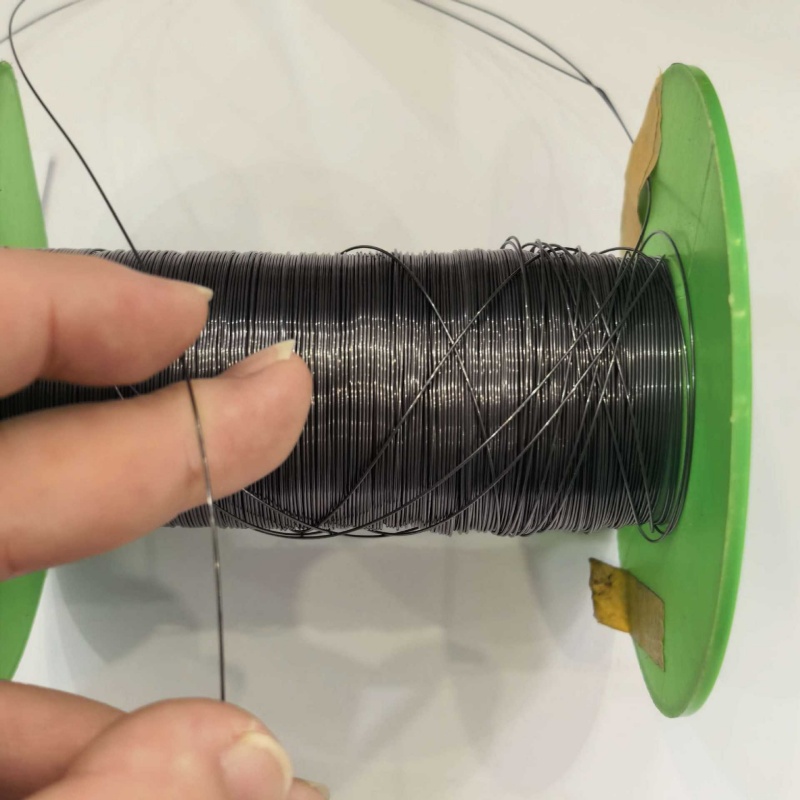
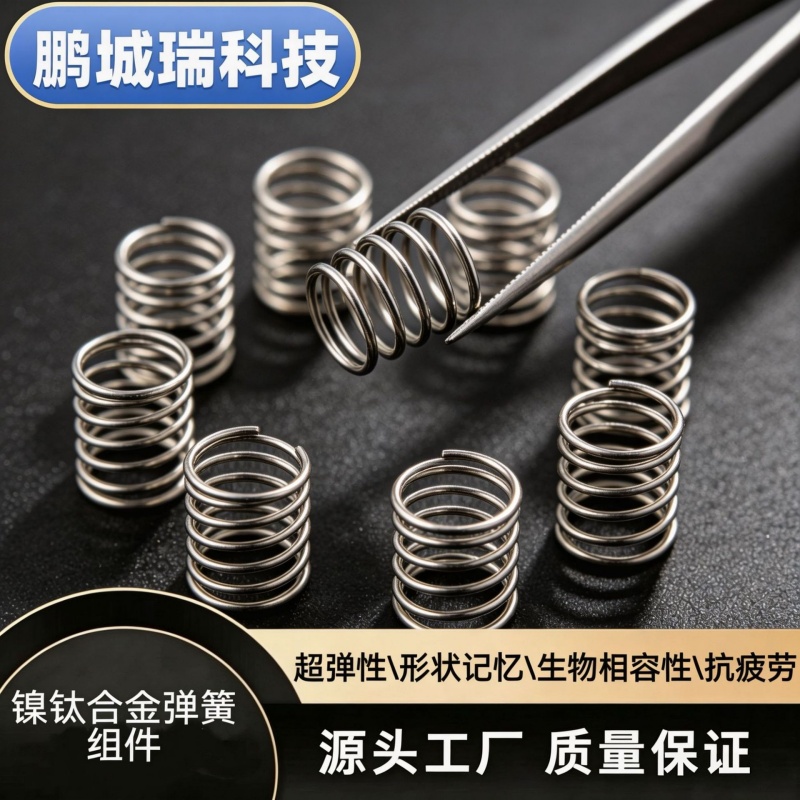
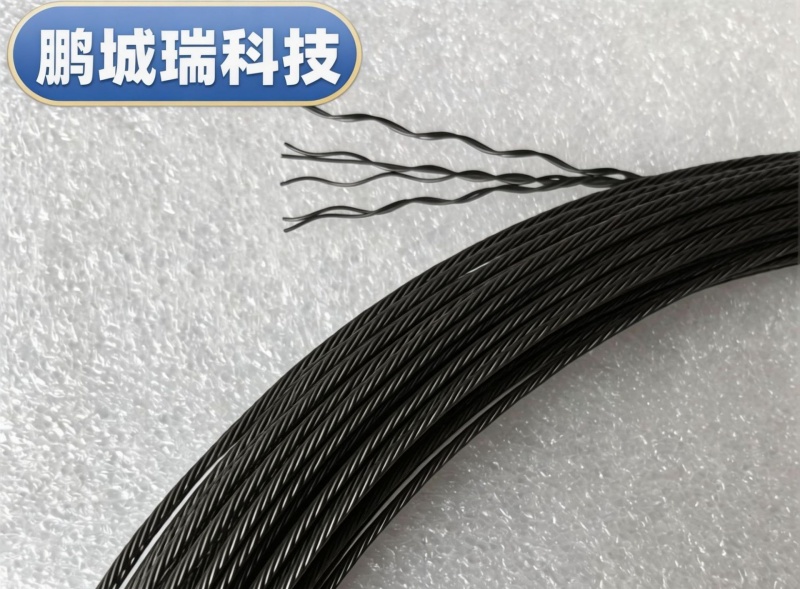
Huizhou Pengchengrui specializes in customized production starting from smelting, with deep processing throughout the entire industry chain. We offer three major categories of nickel titanium alloy wire, pipe, and plate materials, and welcome cooperation from major universities and research institutions to solve customers' technical difficulties in nickel titanium alloy.
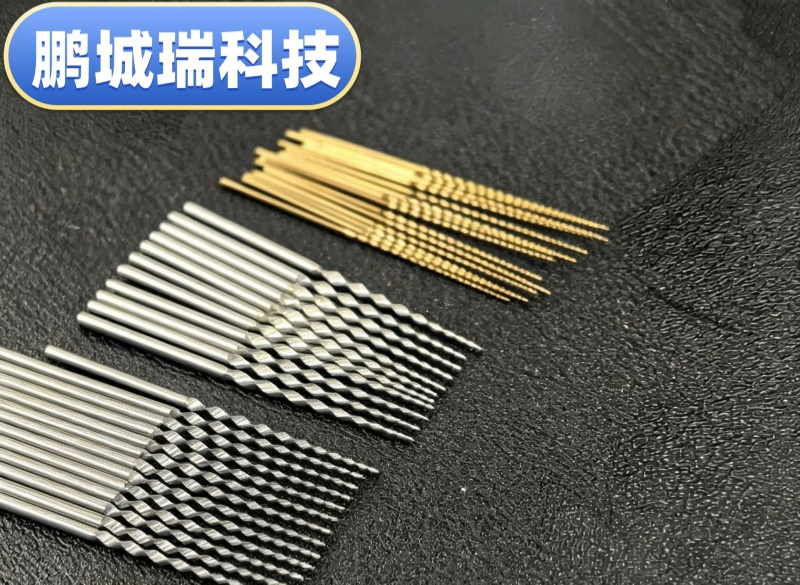
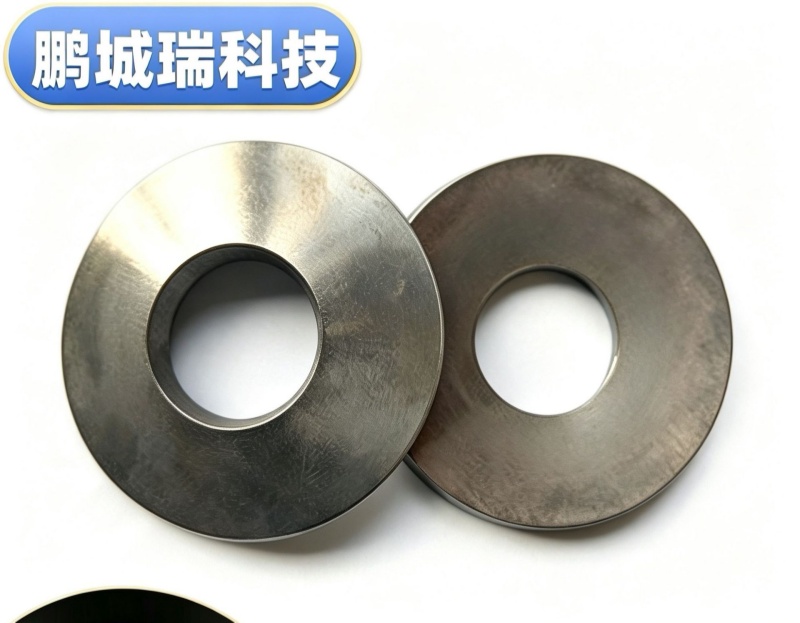
Nitinol
Seamless nickel titanium tube Nickel titanium fiber wire Nickel titanium plateApplication Area
Medical Industry New Energy Aerospace Machinery Manufacturing Marine Engineering Petrochemical IndustryContact Us
Contacts:Manager Wu +86 13632667260


 WeChat
 Call me
X