
 Chinese
 English
Service Hotline
+86 18948275773+86 13632667260


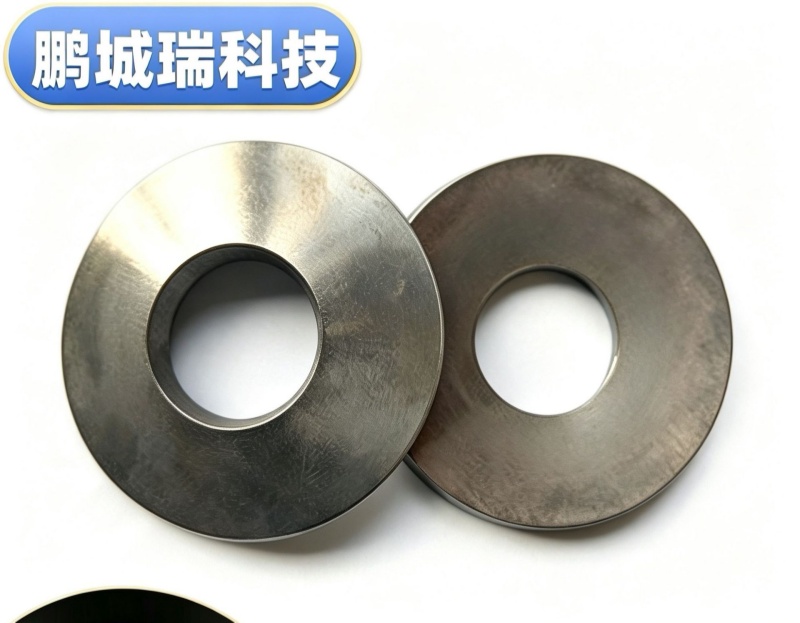
Nickel-titanium alloy plate (Nitinol) is a high-end functional material that combines shape memory effect, superelasticity, and biocompatibility, with outstanding advantages but high processing and cost thresholds.
I. Core Advantages
(1) Shape Memory Effect (SME) It can deform under low temperature/external force, and precisely recover its preset shape after being heated to the phase transition temperature, with recoverable strain up to 8%, far exceeding that of ordinary metals. It is suitable for temperature-controlled actuation, self-expanding structures, and precise reset mechanisms.
(2) Superelasticity (pseudo-elasticity) It can withstand large deformations (about 5%-8%) at room temperature, with no permanent deformation and rapid rebound after unloading. Its elastic limit is tens of times that of ordinary steel. It is used in scenarios requiring high flexibility, impact resistance, and repeated deformations (such as medical stents, eyeglass frames, and shock absorbers).
(3) Excellent biocompatibility: Non-toxic and without significant rejection, it meets the ASTM F2063 medical standard and can be implanted in the human body for a long time. It is widely used in vascular stents, orthopedic plates, orthodontic wires, and minimally invasive devices.
(4) Superior corrosion resistance: A dense TiO₂ passivation film is formed on the surface, making it resistant to seawater, bodily fluids, acids, alkalis, and salt spray, ensuring long-term stability in harsh environments.
(5) High fatigue strength and durability: Resistant to cyclic loading and crack propagation, suitable for high-frequency, long-life dynamic structures (such as micro-actuators, valves, sensors).
(6) Lightweight and High Strength: With a density of approximately 6.45 g/cm³, it is lighter than steel and boasts a tensile strength ranging from 750 to 1000 MPa, offering a balance between strength and weight reduction.
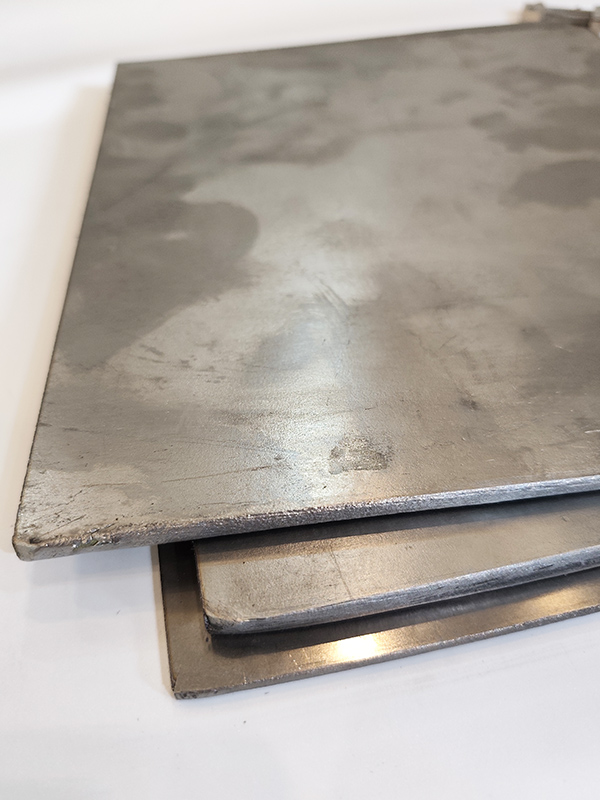
Nickel-titanium alloy plate
II. Main Disadvantages
(1) Extremely high raw material and processing costs: Pure nickel and high-purity titanium raw materials are expensive; smelting, rolling, and heat treatment require precise temperature control, resulting in high equipment and energy consumption costs, with prices ranging from 10 to 50 times that of stainless steel.
(2) High processing difficulty and complex technology. Cold processing is prone to work hardening and cracking, requiring multiple intermediate annealing and temperature-controlled rolling processes.
Machining (cutting, drilling, bending) is challenging, prone to tool sticking and difficult to control dimensions. Laser cutting, wire cutting, and electrochemical machining are commonly used.
The phase transition temperature window is narrow (±5℃), the heat treatment process is sensitive, and batch consistency is difficult to guarantee.
(3) Strong temperature dependence: Shape memory and superelasticity are strictly dependent on temperature. Beyond the phase transition range, properties undergo a sharp change, limiting the use temperature range (typically -50℃~100℃).
(4) Potential risks of nickel ions (strict control required for medical use)
Containing approximately 55% nickel, strict passivation/polishing is necessary for long-term implantation to avoid the release of nickel ions, which may trigger allergies or inflammation.
(5) Difficulty in welding and joining. Welding tends to produce brittle phases, alter the phase transformation temperature, and make it difficult to match the properties of the weld seam with those of the base material. Therefore, mechanical joining or special welding methods are often used.
(6) Size and specification limitations: Ultra-thin (<0.1mm), wide-format, and large-thickness boards have limited production capacity and higher prices, limiting their large-scale industrial application.
III. Applicable and Inapplicable Scenarios:
Most suitable for medical implants, minimally invasive devices, aerospace actuators, precision temperature control/flexible structures, and high-fatigue elastic components.
Not suitable for: large-scale structural components, low-cost general-purpose components, ultra-high/ultra-low temperature applications, and general industrial scenarios that are cost-sensitive.
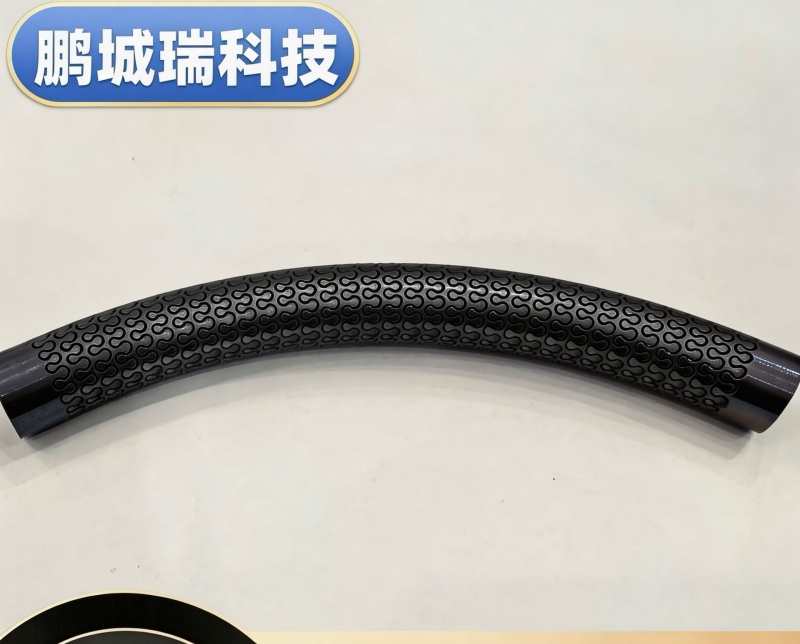
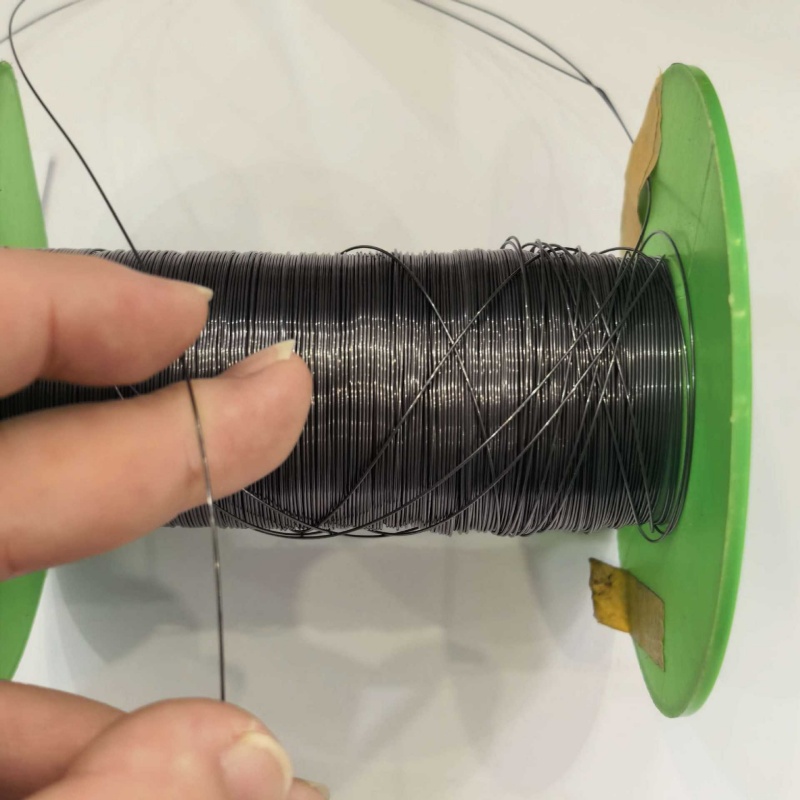
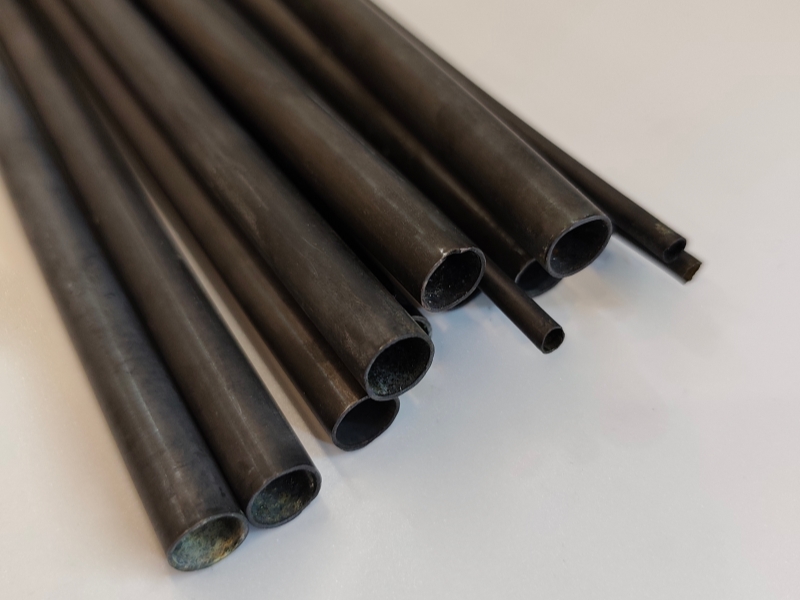
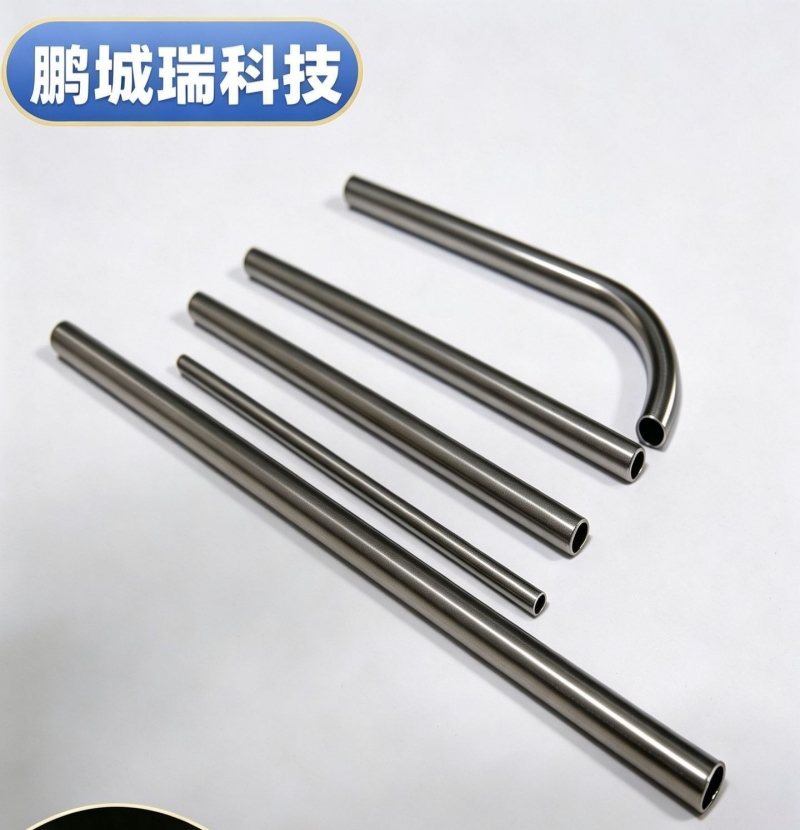
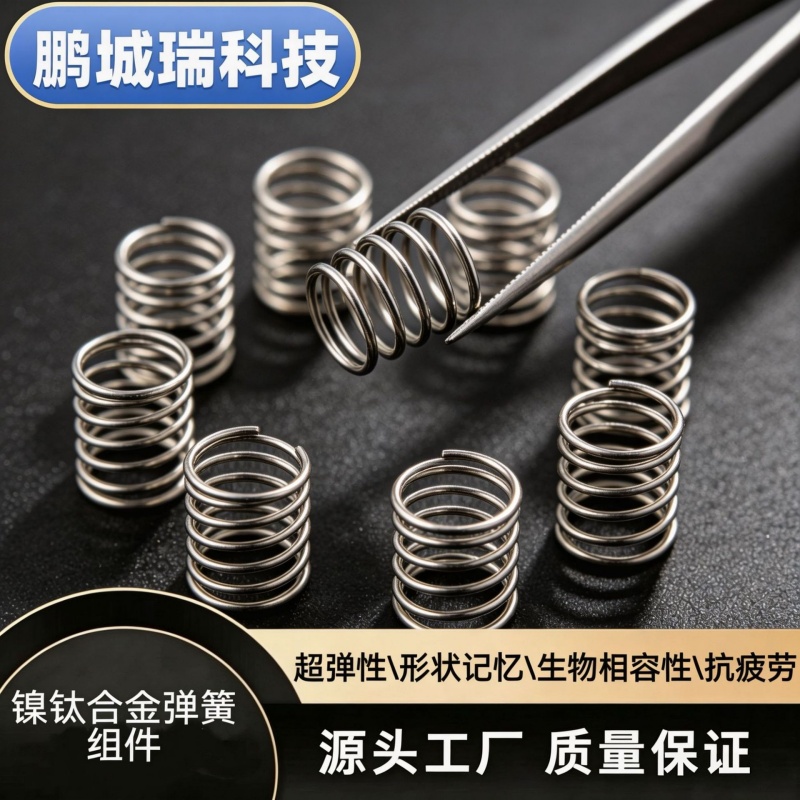
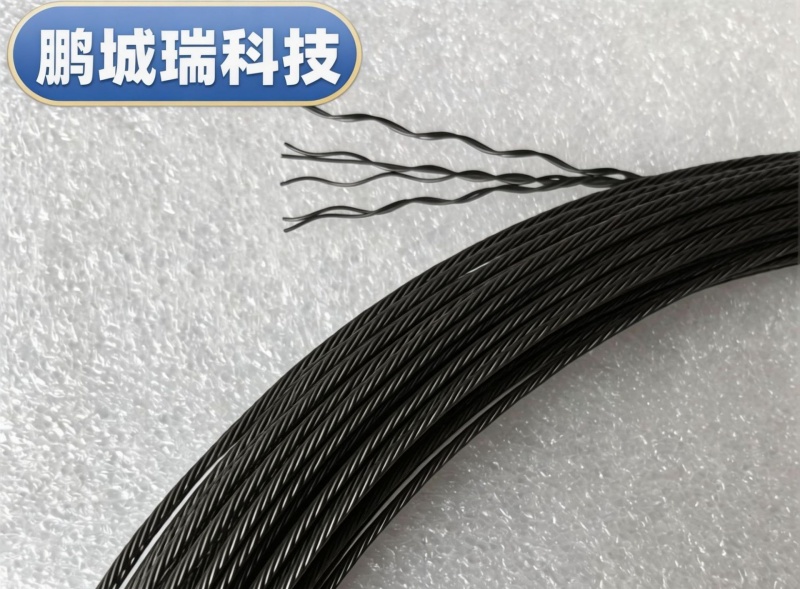
Huizhou Pengchengrui, starting from smelting and customization, provides deep processing across the entire industry chain, offering three ideologies: wire, tube, and plate. We welcome everyone to come and exchange ideas.
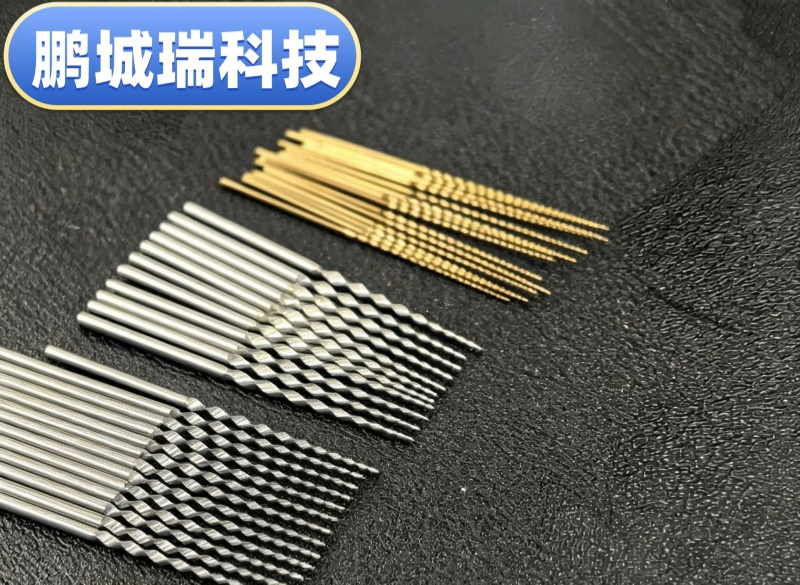
Nitinol
Seamless nickel titanium tube Nickel titanium fiber wire Nickel titanium plateApplication Area
Medical Industry New Energy Aerospace Machinery Manufacturing Marine Engineering Petrochemical IndustryContact Us
Contacts:Manager Wu +86 13632667260


 WeChat
 Call me
X