
 Chinese
 English
Service Hotline
+86 18948275773+86 13632667260



Deep processing of nickel titanium alloy sheet is the process of producing high-precision and high-performance parts/components that meet the requirements of medical, aviation, electronics, and other fields through processes such as cold and hot processing, precision forming, heat treatment, and surface treatment of the base sheet. The core is to accurately control its shape memory, superelasticity, and mechanical properties.
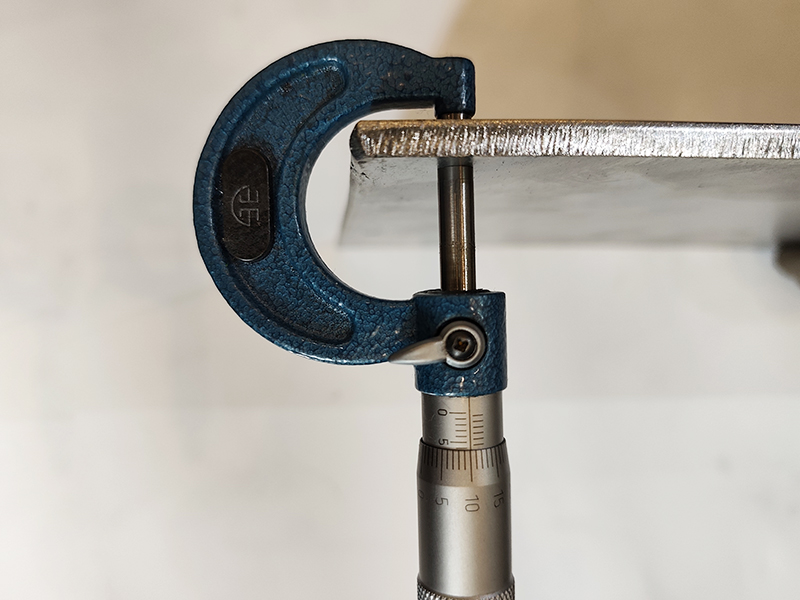
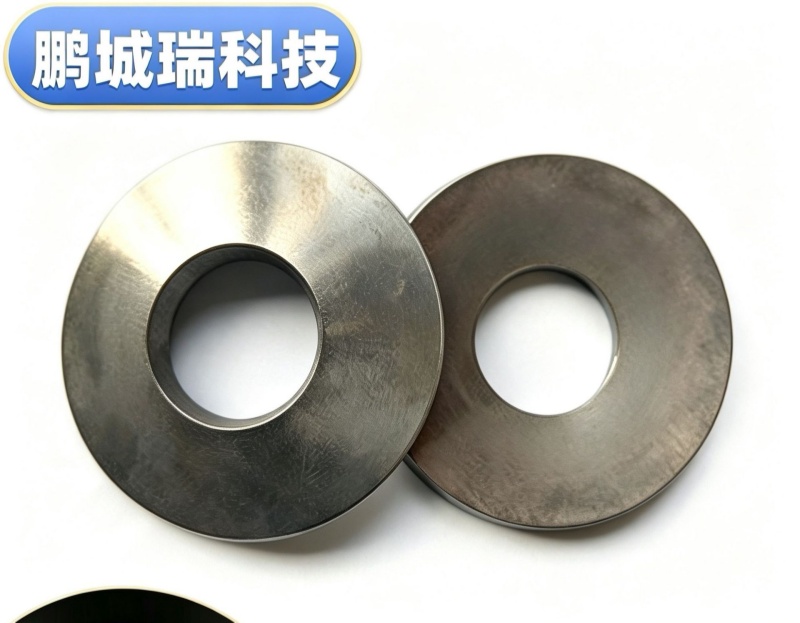
6mm thick nickel titanium alloy plate
1、 Core process flow (from raw material to finished product)
(1)Raw material pretreatment
Uncovering/Cutting: Uncovering and leveling the coil material, cutting it with laser/water jet/shearing machine according to size.
Surface cleaning: alkaline washing, acid washing, electrolytic polishing to remove oil stains, oxide scales, and impurities, ensuring the quality of subsequent processing.
(2) Cold and hot forming processing (core shaping)
Cold rolling (mainstream)
Multi pass small pressing (3% -10% per pass), strictly control the total deformation (≤ 30%), and avoid work hardening cracking.
Key: Intermediate annealing (750-850 ℃ insulation, recrystallization softening) to restore plasticity.
Applicable: ultra-thin board (0.02-0.5mm), high-precision strip.
thermoforming
700-900 ℃ temperature/hot forging, hot rolling, hot bending, allowing for large deformation, more uniform structure, and better fatigue resistance.
Applicable: Complex structures, large sizes, and parts with high fatigue requirements.
Precision molding
Stamping, bending, rounding, deep drawing (with mold and temperature control).
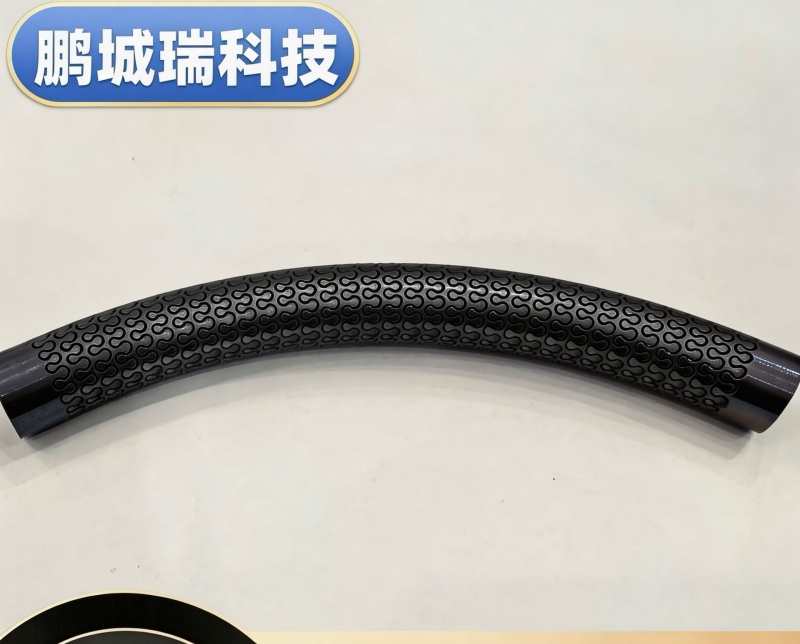
Laser cutting/microfabrication: with micrometer level precision, suitable for complex irregular shapes and micro hole arrays.
(3)Heat treatment (performance tuning)
Solution treatment: Keep at 750-850 ℃ for 0.5-12 hours, rapidly cool (water quenching/oil quenching), form a uniform single-phase, and retain memory characteristics.
Time treatment: Keep at 350-550 ℃ for 0.5-4h, cool slowly; The precipitation of Ni ₄ Ti ∝ is equal, regulating the phase transition temperature (Af/Ms) and strengthening the superelastic/memory effect.
Shape memory shaping: Fixed at 450-550 ℃, locked in target shape upon cooling, recoverable upon heating.
(4) Mechanical precision machining
Milling, grinding, drilling, tapping, and wire cutting to achieve high-precision dimensional and positional tolerances.
Difficulties: high hardness, sticking to the tool, easy to work harden, requiring specialized cutting tools and cooling.
(5)Surface treatment (functional/protective)
Polishing: mechanical/chemical/electrolytic polishing, Ra≤0.1μm, Reduce friction and enhance biocompatibility (medical).
Passivation/anodizing: Form a dense oxide film to enhance corrosion resistance.
Coating: PVD/electroplating (such as gold, platinum, titanium nitride) to improve wear resistance, conductivity, and anticoagulant properties.
(6)Testing and Quality Control
Dimensional/positional tolerances, surface roughness, metallographic structure, phase transition temperature (DSC), mechanical properties, fatigue testing, salt spray testing, etc.
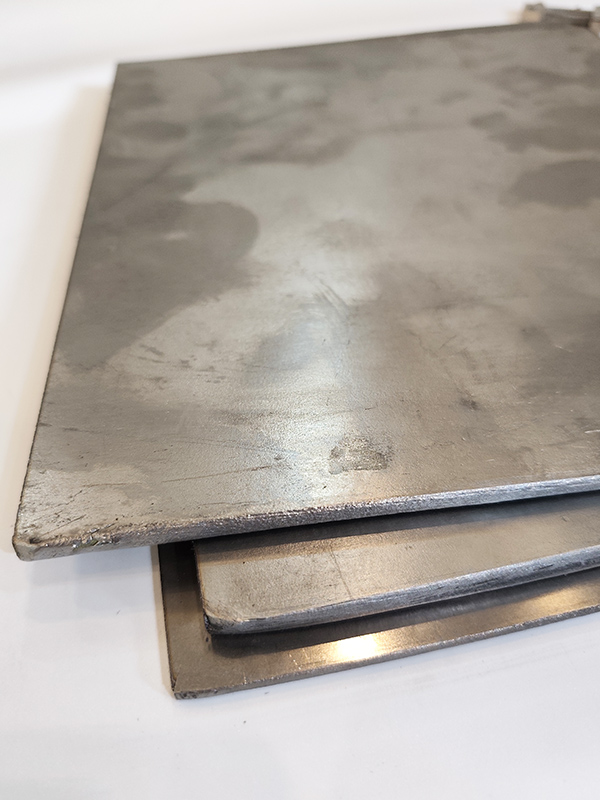
Nickel titanium alloy plate
2、 Key technical points and difficulties
Severe work hardening: Cold deformation is prone to brittle cracking, requiring multiple passes and intermediate annealing to strictly control the amount of deformation.
Extremely temperature sensitive: The heat treatment temperature/time/cooling rate directly determines the phase transition temperature and performance, requiring precise temperature control.
Composition and tissue uniformity: Component segregation can easily lead to performance fluctuations, affecting medical/aviation reliability.
High surface quality requirements: Medical implants require no defects, low roughness, and high cleanliness.
3、 Typical applications
Medical: vascular stents, stone retrieval baskets, orthopedic instruments
Aerospace: actuators, temperature control components, connectors
Electronics/Machinery: Connectors, Temperature Switches, Elastic Components
4、 Equipment and material selection
Core equipment: 20 roll precision cold rolling mill, vacuum/atmosphere heat treatment furnace, fiber laser cutting machine, precision grinder, electrolytic polishing line, DSC phase change tester.
Material grade: Medical grade (ASTM F2063, O ≤ 300ppm), industrial grade, aviation grade, selected according to purity and performance grading.
5、 Key points of quality control
1. The entire process is protected by inert gas (argon) to prevent oxidation and carbonization/oxygenation.
2. Conduct phase transition temperature (Af/Ms) testing for each batch to ensure consistent performance.
3. Medical components need to undergo nickel ion precipitation and biocompatibility verification.
Huizhou Pengchengrui specializes in customized nickel titanium alloy plates, starting from smelting and undergoing deep processing throughout the entire industry chain. The plates come in three sizes of wall thickness: 4mm, 6mm, and 8mm. We welcome inquiries from all of you.
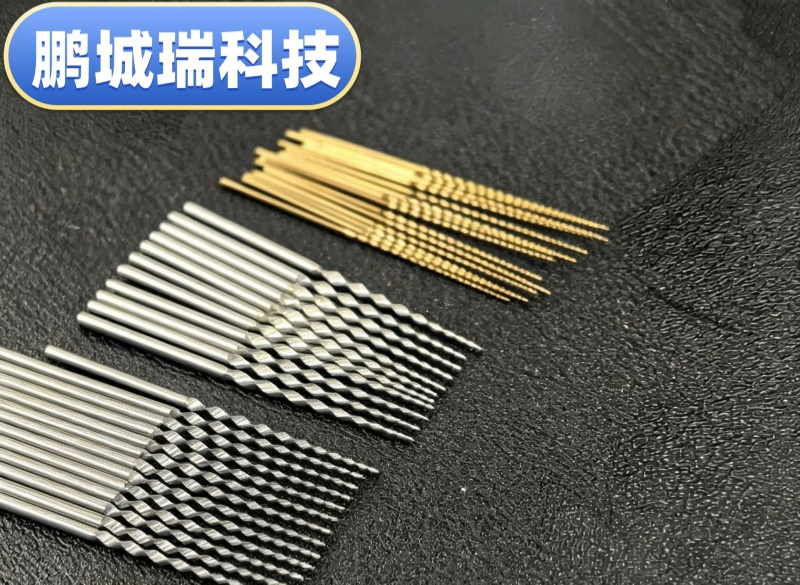
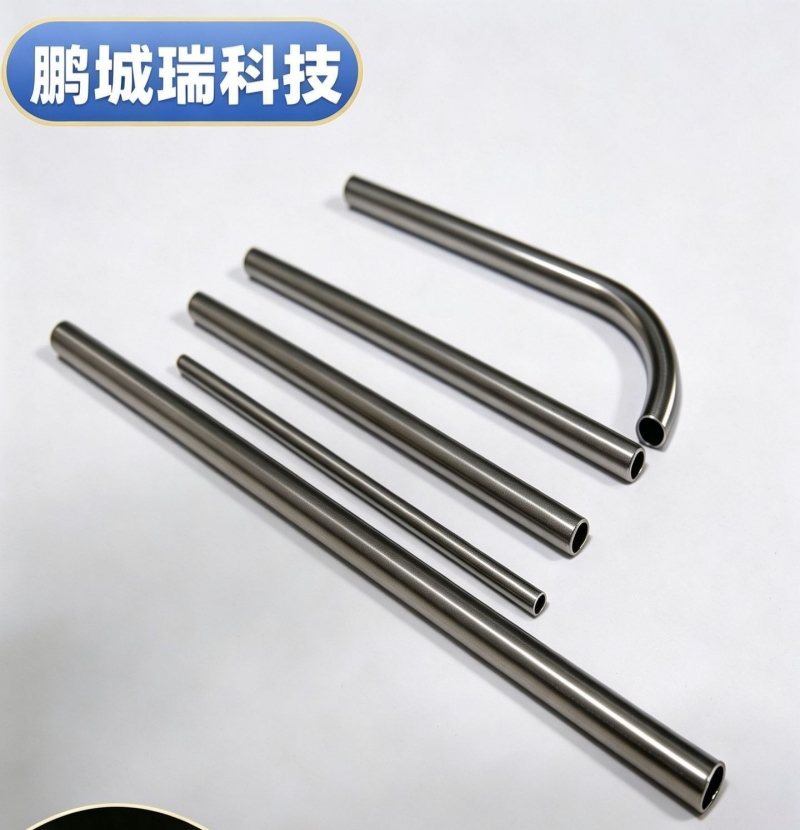
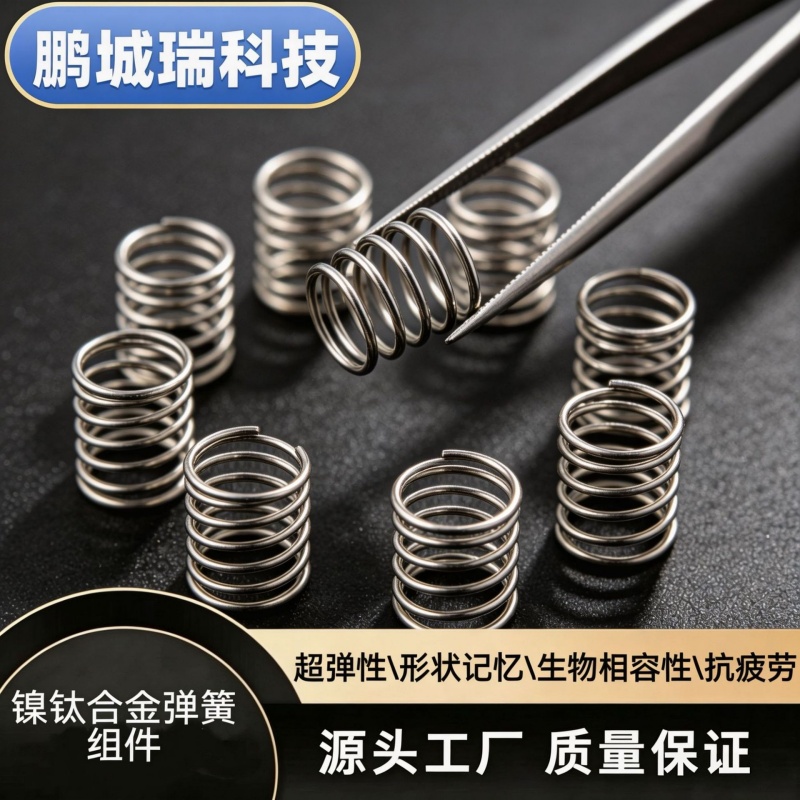
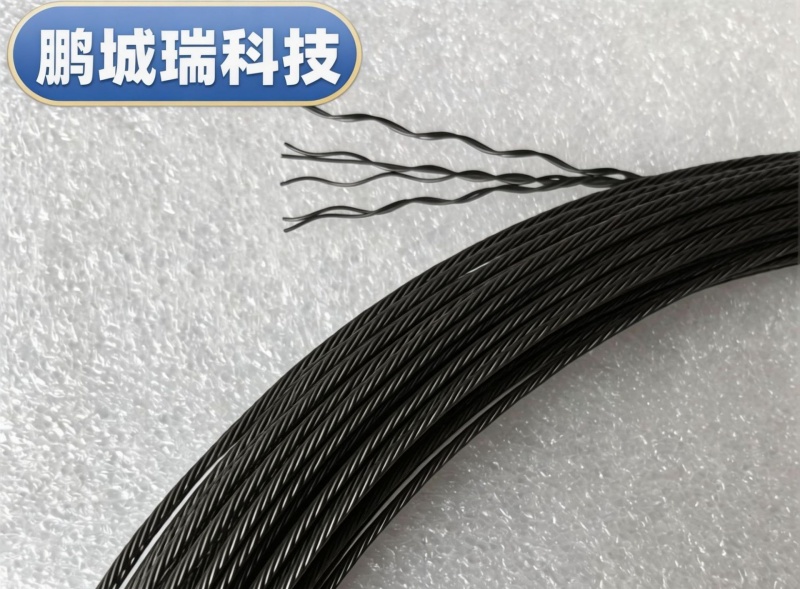
Nitinol
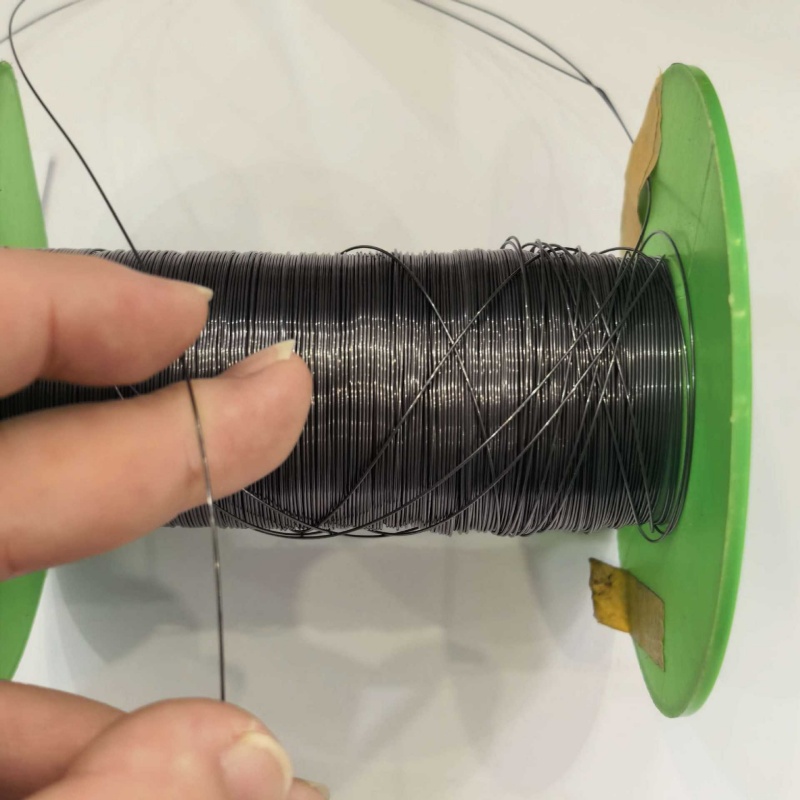
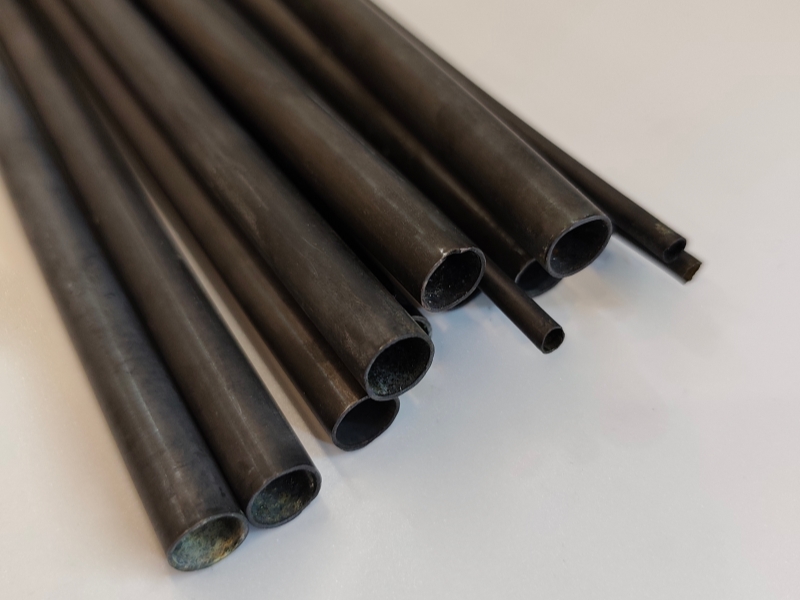
Seamless nickel titanium tube Nickel titanium fiber wire Nickel titanium plateApplication Area
Medical Industry New Energy Aerospace Machinery Manufacturing Marine Engineering Petrochemical IndustryContact Us
Contacts:Manager Wu +86 13632667260


 WeChat
 Call me
X