
 Chinese
 English
Service Hotline
+86 18948275773+86 13632667260


Nickel titanium alloy materials have various significant advantages, which have led to their widespread application in multiple fields. The following are the main advantages of nickel titanium alloy materials:
1. Shape memory characteristics
Definition: Nickel titanium alloy can automatically restore its original shape at a specific temperature, and this characteristic is called shape memory effect. This effect is actually the thermally induced phase transformation process of NiTi alloy, through which the material can automatically return to its original shape during heating and cooling processes through reverse phase transformation.
Application: This feature has important applications in fields such as healthcare (such as cardiovascular stents, dental braces), aerospace (such as aircraft tube fittings, spacecraft antennas), and consumer electronics (such as mobile phone antennas).
2. Super elasticity
Definition: Nickel titanium alloy has superelasticity, which means that it can generate a strain far greater than its elastic limit under external force and automatically recover its original shape when unloaded. This characteristic makes nickel titanium alloys perform well in situations where high elasticity is required.
Characteristic changes: Superelasticity can vary with changes in heat treatment conditions, and begins to decrease when heated to higher temperatures (such as above 400 ℃).
Application: Super elasticity has been widely used in medical devices (such as surgical sutures, pacemakers, etc.) and the automotive industry (such as engine heat-resistant fans and clutches).
3. Corrosion resistance
Characteristics: The corrosion resistance of nickel titanium alloy is superior to the best medical stainless steel currently available, and it can maintain good stability in acidic and alkaline environments.
Application: This characteristic makes nickel titanium alloys have broad application prospects in fields such as chemical engineering and marine engineering.
4. Biocompatibility
Characteristics: Although nickel itself may be carcinogenic, the titanium dioxide layer on the surface of nickel titanium alloy can inhibit the release of nickel, making it biocompatible.
Application: Nickel titanium alloys have been widely used in the medical field, such as surgical implants, dental restorative materials, etc.
5. Shock absorption
Characteristics: Nickel titanium alloy has good shock absorption, with an initial vibration amplitude only half that of stainless steel wire.
Application: This feature is very important in situations that require shock absorption, such as building earthquake resistance, shock absorption systems in aerospace, etc.
6. High strength and high fatigue life
Characteristics: Nickel titanium alloy has high strength and fatigue life, which can meet the needs of various complex and harsh environments.
Application: This characteristic enables nickel titanium alloys to be widely used in key components in aerospace, automotive industry, and other fields.
7. Processability and design flexibility
Characteristics: With the development of advanced manufacturing technologies such as 3D printing, the complex shape processing of nickel titanium alloys has become possible, providing new opportunities for their application in high-precision instruments and complex structural components.
Application: This characteristic makes nickel titanium alloys have broad application prospects in cutting-edge scientific fields such as robotics, flexible electronics, and smart materials.
In summary, nickel titanium alloy materials have been widely used in multiple fields due to their unique shape memory characteristics, superelasticity, corrosion resistance, biocompatibility, shock absorption, high strength, and high fatigue life. With the advancement of technology and the expansion of application areas, they continue to grow and develop.
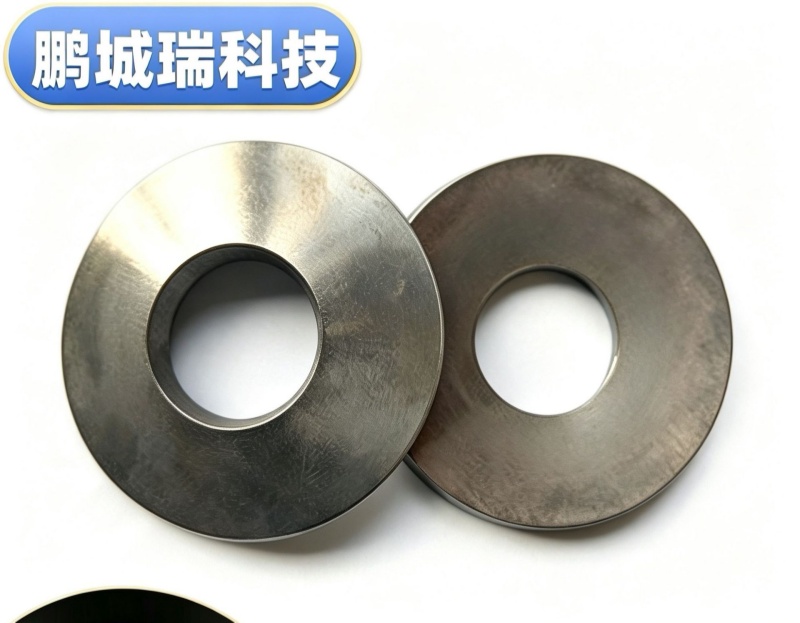
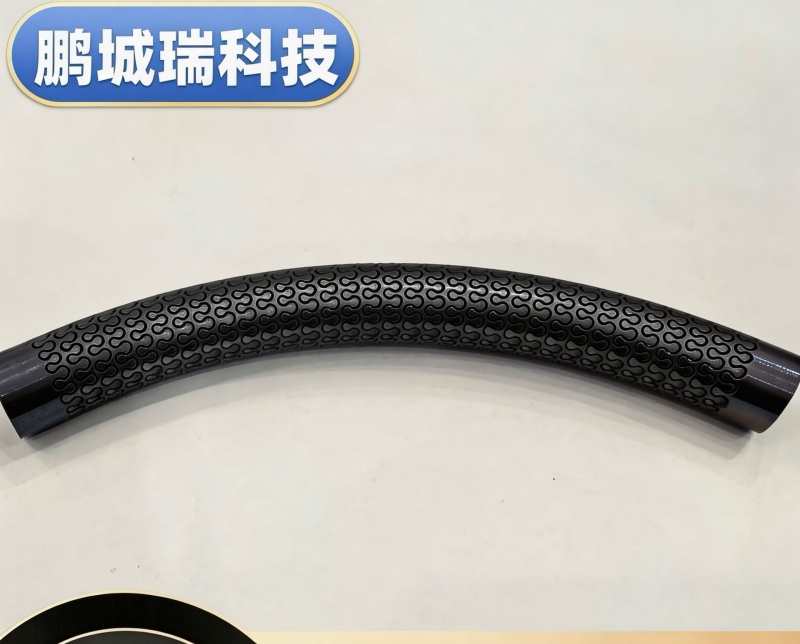
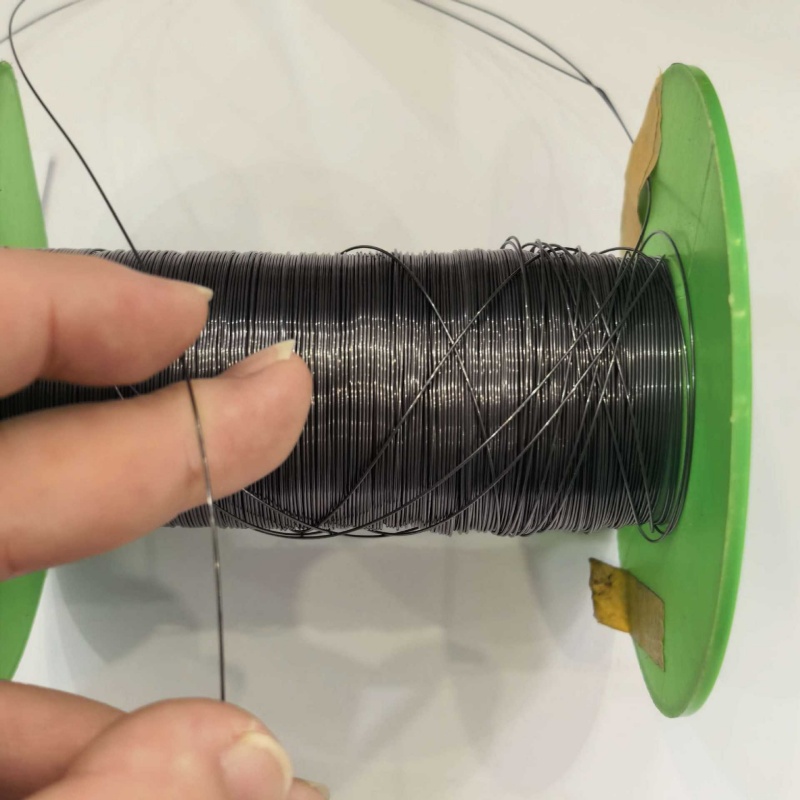
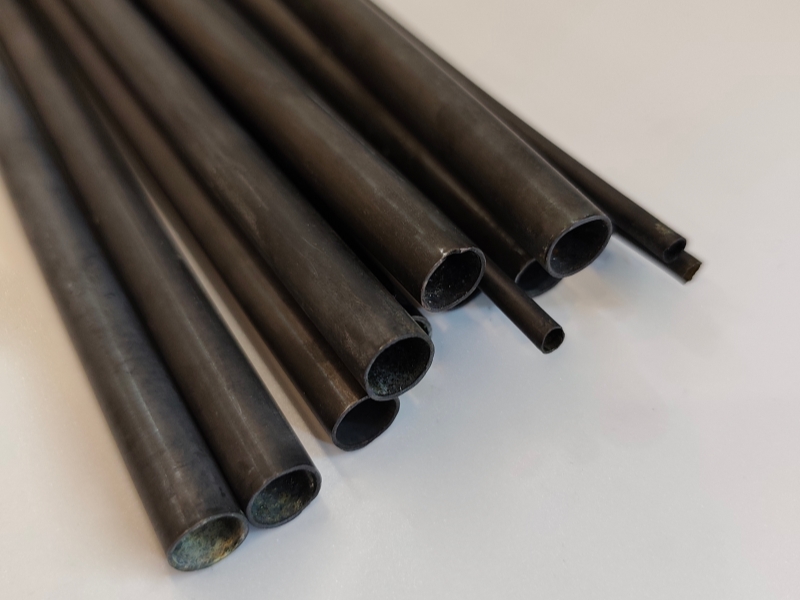
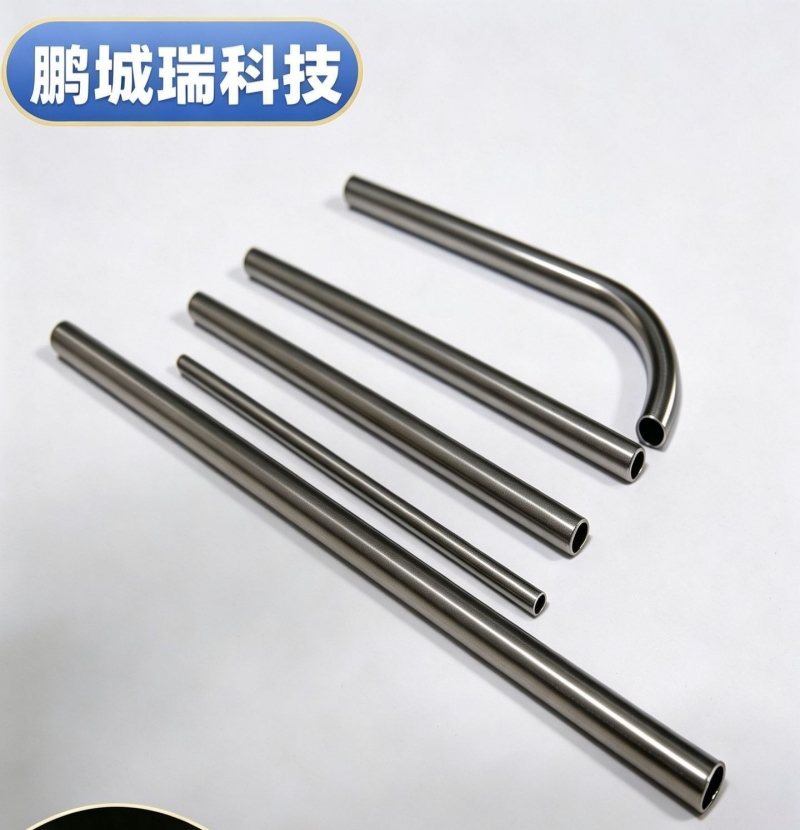
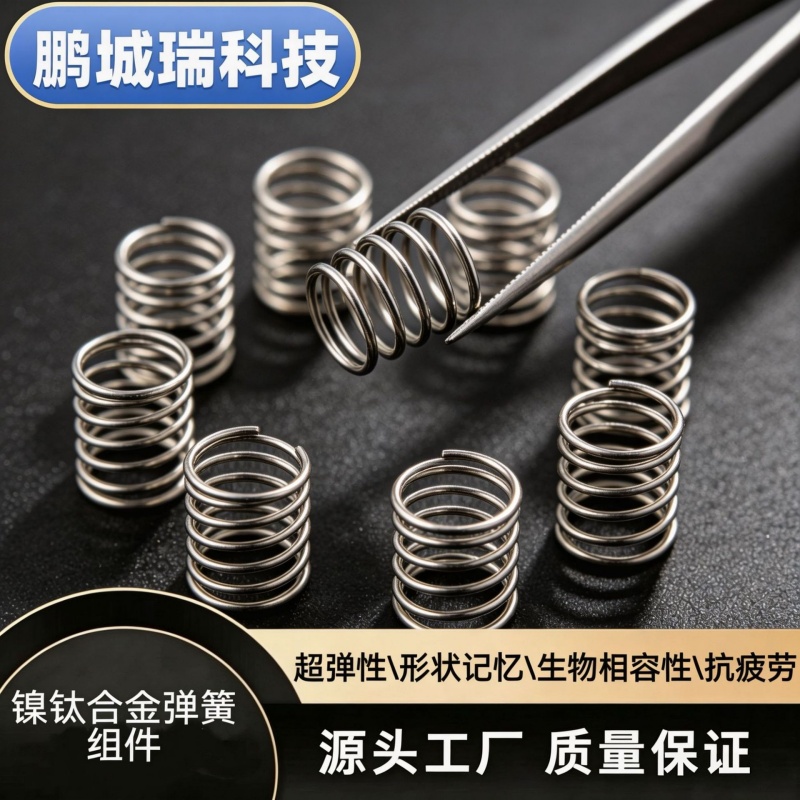
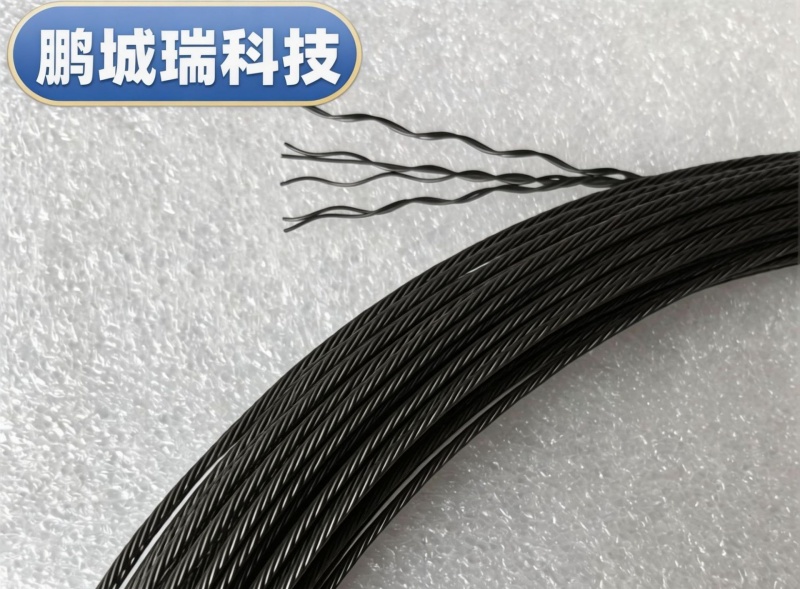
Nitinol
Seamless nickel titanium tube Nickel titanium fiber wire Nickel titanium plateApplication Area
Medical Industry New Energy Aerospace Machinery Manufacturing Marine Engineering Petrochemical IndustryContact Us
Contacts:Manager Wu +86 13632667260


 WeChat
 Call me
X