
 Chinese
 English
Service Hotline
+86 18948275773+86 13632667260


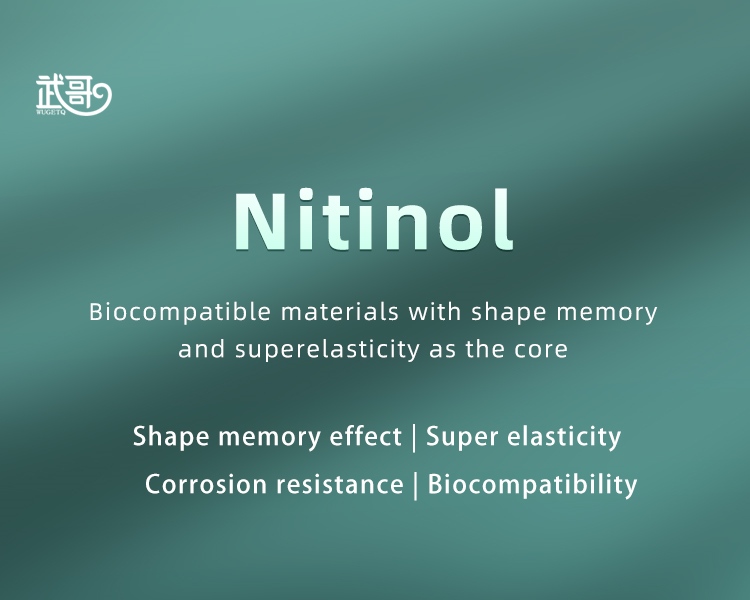

Shape Memory Alloys (SMA) are a type of metal material with a unique shape memory effect, which has attracted much attention due to its unique shape memory effect. After more than 80 years of research and development, this material has evolved into four categories: ordinary SMA, high-temperature SMA, magnetic SMA, and composite SMA, with over a hundred varieties. The following is an introduction to its principles and applications:
principle
Thermoelastic martensitic transformation: The shape memory effect of shape memory alloys originates from their internal thermoelastic martensitic transformation. Within a certain temperature range, alloys undergo martensitic transformation, transitioning from the high-temperature phase (austenite) to the low-temperature phase (martensite). This phase transformation is reversible, and as the temperature increases, martensite will transform back into austenite.
Crystal structure change: During the martensitic transformation process, the crystal structure of the alloy will change. The martensitic phase has a specific crystal structure and can undergo deformation under external stress. However, when the temperature rises to a certain degree, the martensitic phase will return to its original austenite crystal structure, thereby restoring the alloy to its original shape.
application
Aerospace field: used to manufacture folding mechanisms for blades and wings of aircraft engines. For example, in the design of some new aircraft, wing folding mechanisms made of shape memory alloys can automatically adjust the shape of the wings as needed during takeoff, landing, and flight, improving the aerodynamic performance and fuel efficiency of the aircraft.
Biomedical field: can be made into various medical devices, such as vascular stents, orthodontic wires, etc. Taking a vascular stent as an example, a stent made of shape memory alloy is compressed at low temperature and inserted into the site of vascular disease, and then restored to its original shape by body temperature, thereby widening the narrowed blood vessel and restoring blood flow.
In the field of mechanical engineering: applied to the connection, sealing, and other aspects of mechanical parts. For example, shape memory alloy bolts can be heated or cooled during assembly to achieve the desired shape, thereby achieving a tight connection and improving the reliability and stability of the connection.
In daily life, such as making eyeglass frames, shape memory alloy eyeglass frames have good elasticity and recovery ability, are not easily deformed, and can quickly restore their original state even if twisted. In addition, it is also applied in some intelligent products with automatic control, such as temperature control components made of shape memory alloys, which can automatically control the on/off of circuits according to temperature changes.
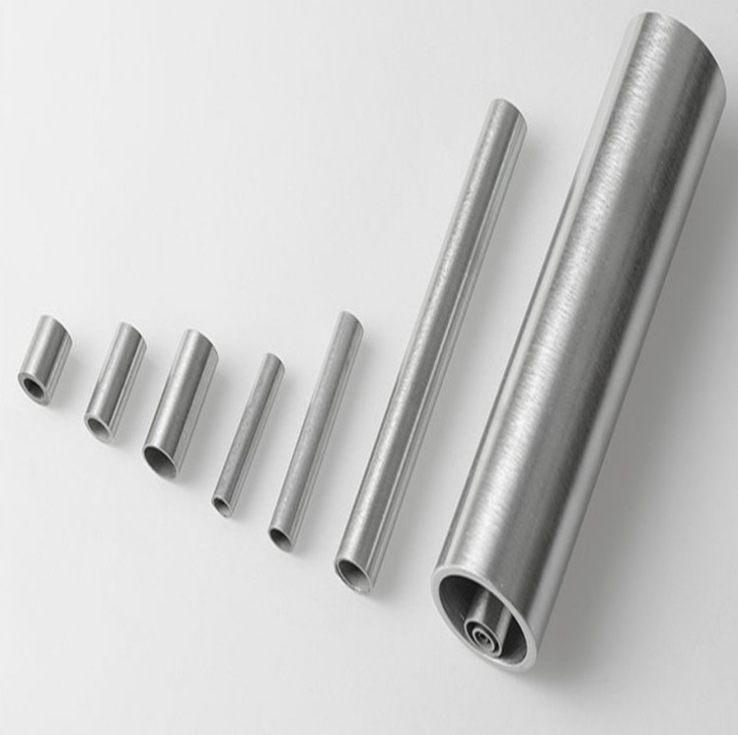
Nickel titanium memory alloy and shape memory alloy are not the same product concept. Nickel titanium memory alloy is a specific type of shape memory alloy. Here is a specific explanation:
Shape memory alloy: It is a general term for a large class of alloy materials with shape memory effect. In addition to the thermally induced shape memory effect, there are also some shape memory alloys that exhibit shape memory effects such as magnetic and electrical fields. It includes various systems, such as nickel titanium alloys, copper based alloys, iron-based alloys, etc.
Nickel titanium memory alloy: It is an alloy composed of two metal elements, nickel and titanium, and is the most widely used shape memory alloy with excellent performance. It has excellent shape memory effect, superelasticity, corrosion resistance, and biocompatibility, and has important applications in many fields such as aerospace, biomedical, and electronic information.
So, nickel titanium memory alloy is a specific alloy in shape memory alloys, and shape memory alloys are a broader category of materials.
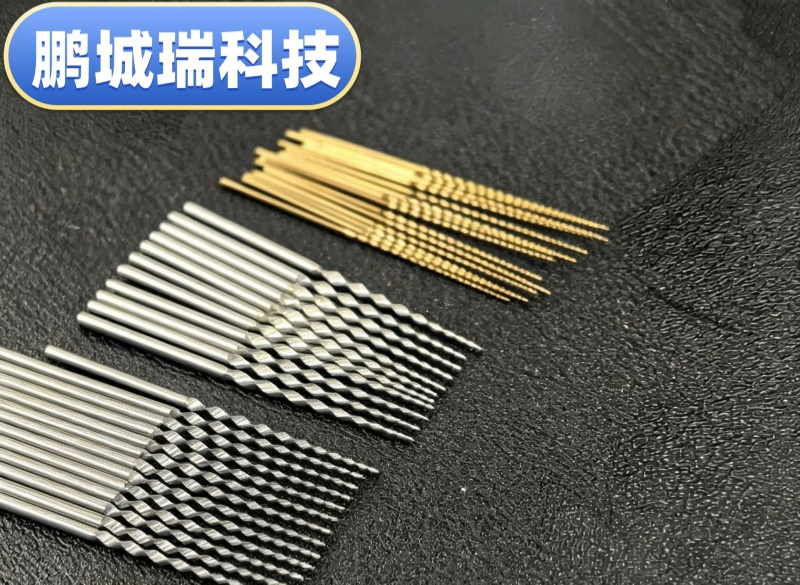
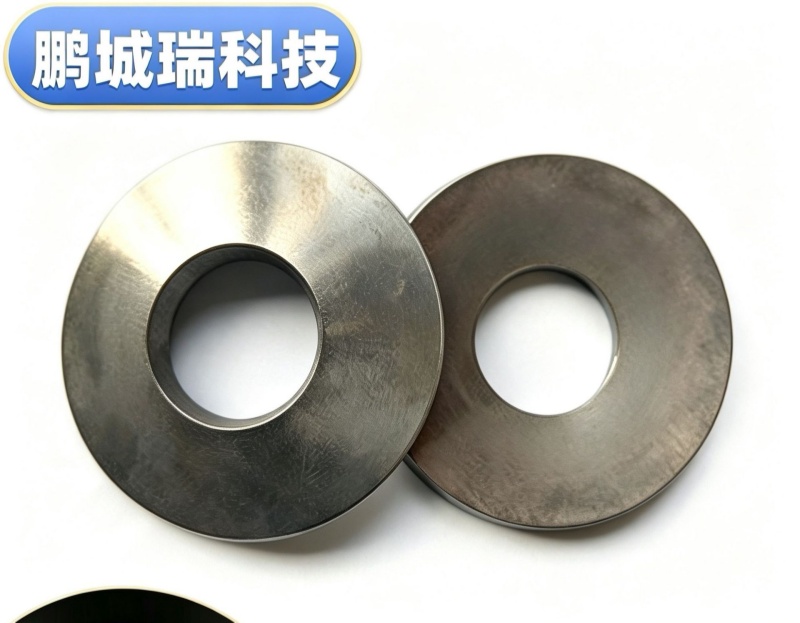
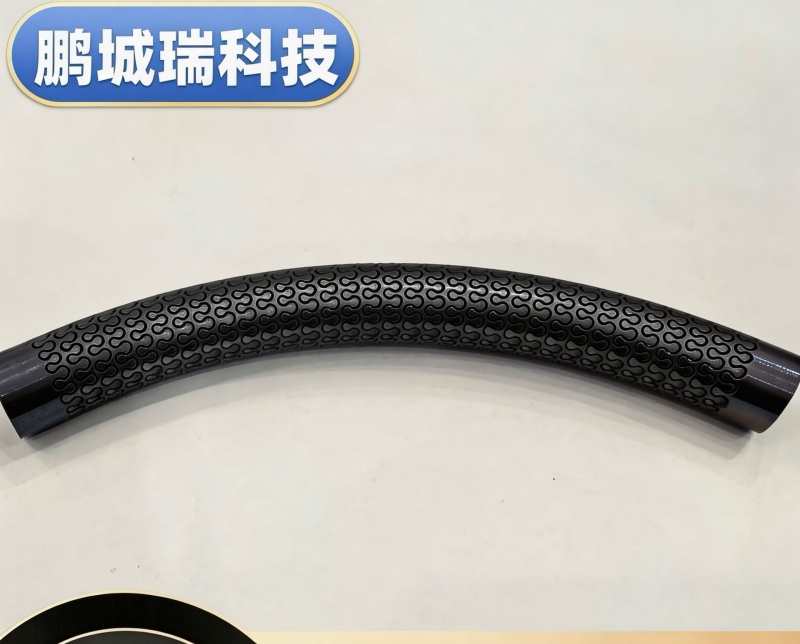
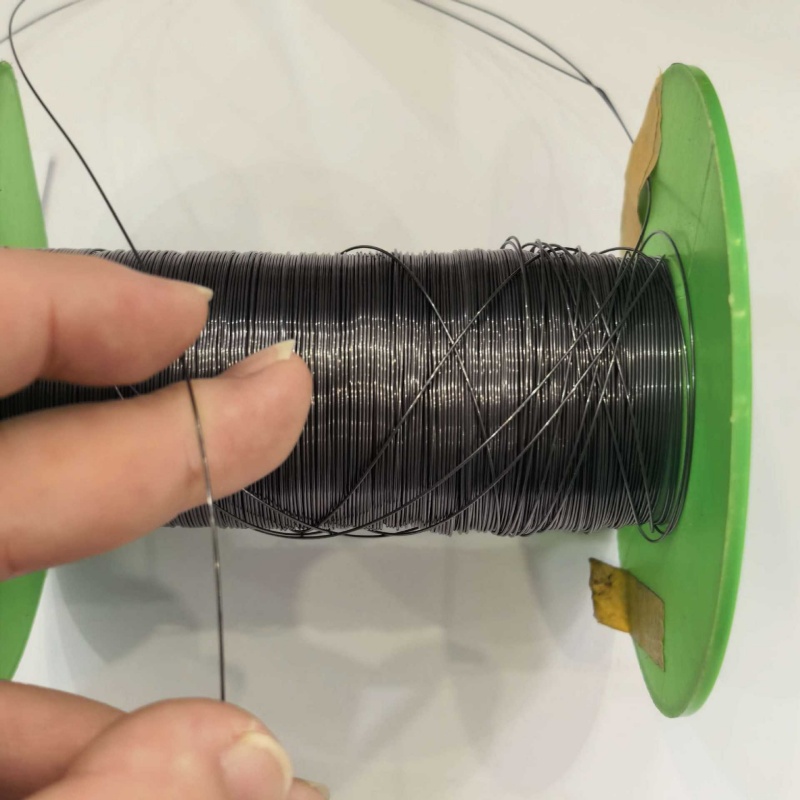
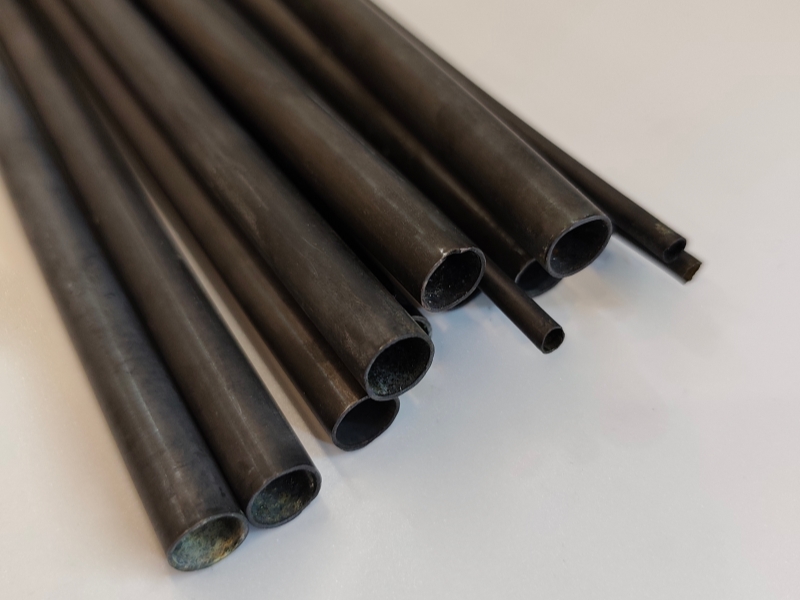
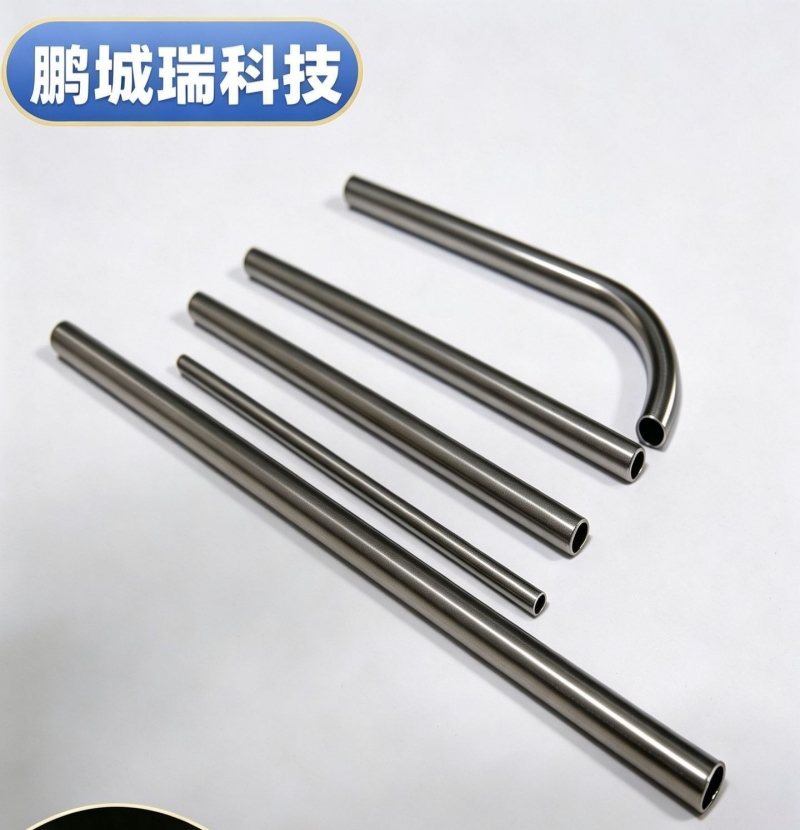
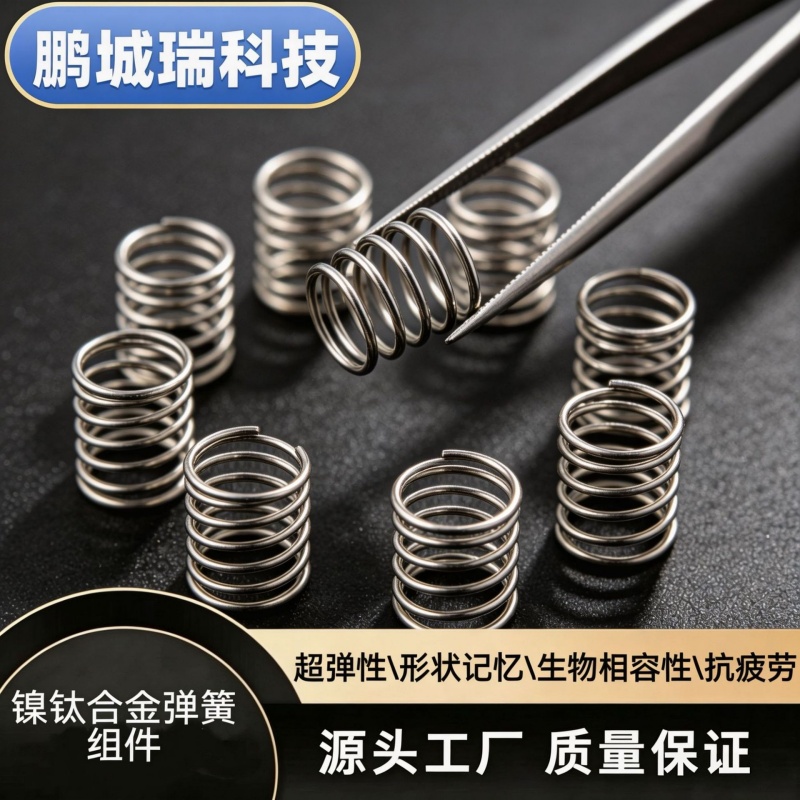
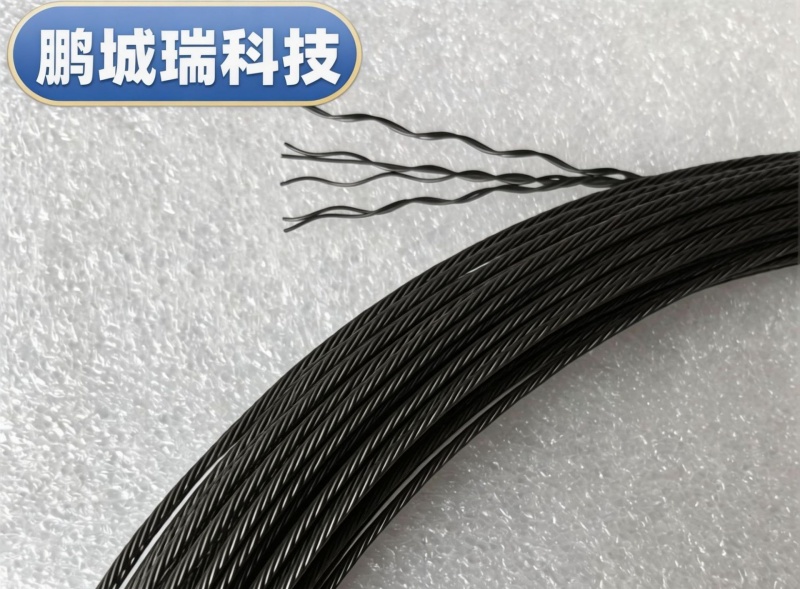
Nitinol
Seamless nickel titanium tube Nickel titanium fiber wire Nickel titanium plateApplication Area
Medical Industry New Energy Aerospace Machinery Manufacturing Marine Engineering Petrochemical IndustryContact Us
Contacts:Manager Wu +86 13632667260


 WeChat
 Call me
X