
 Chinese
 English
Service Hotline
+86 18948275773+86 13632667260


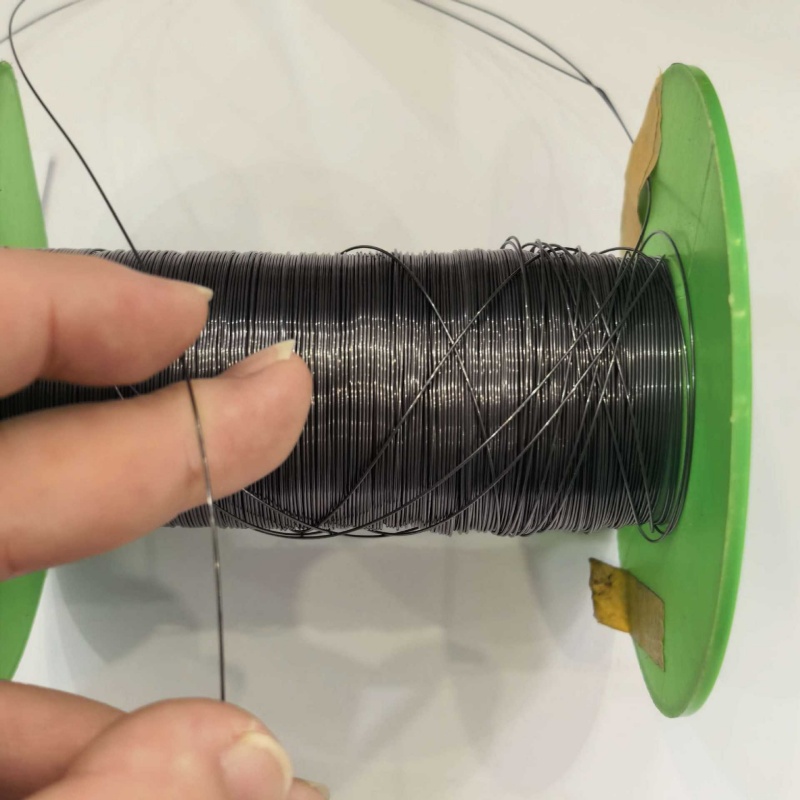
The heat treatment temperature of nickel titanium wire (nickel titanium shape memory alloy wire) is closely related to its properties (such as phase transition temperature, mechanical properties), while the change in surface color is mainly due to oxidation reaction at high temperature (in air atmosphere), which is related to the thickness and composition of the oxide film. The following provides a detailed explanation of the temperature range and purpose of heat treatment, as well as the corresponding color changes:
1、 Temperature range and purpose of heat treatment for nickel titanium wire
The heat treatment temperature of nickel titanium wire is usually adjusted according to the target performance (such as stress relief, phase transition temperature adjustment, recrystallization, etc.), with a common range of 200 ℃~800 ℃, as follows:
1. Stress relief heat treatment
Temperature range: 200 ℃~300 ℃
Purpose: To eliminate internal stresses generated during the processing (such as residual stresses after cold drawing), reduce wire deformation, and have a relatively small impact on the phase transition temperature.
Characteristics: Short duration (usually 30 minutes to 2 hours), avoiding excessive oxidation.
2. Phase change temperature adjustment heat treatment
Temperature range: 400 ℃~500 ℃
Purpose: By controlling the temperature and holding time, the quantity and distribution of precipitated phases (such as Ni ₄ Ti ∝) in the alloy can be adjusted to precisely regulate the transformation temperature (such as austenite final temperature Af, martensite final temperature Mf). This is one of the most critical heat treatment processes for nickel titanium shape memory alloys.
Characteristics: The insulation time is usually 1-4 hours. The higher the temperature and the longer the time, the more precipitated phases, and the phase transition temperature usually increases.
3. Heat treatment for recrystallization and grain refinement
Temperature range: 600 ℃~800 ℃
Purpose: To eliminate grain distortion caused by cold processing, promote recrystallization, and refine grains (but strict control is required to avoid excessive temperature leading to coarse grains).
Characteristics: Excessive temperature (such as over 800 ℃) may cause alloy element volatilization or abnormal grain growth, reducing mechanical properties. Therefore, careful control is necessary.
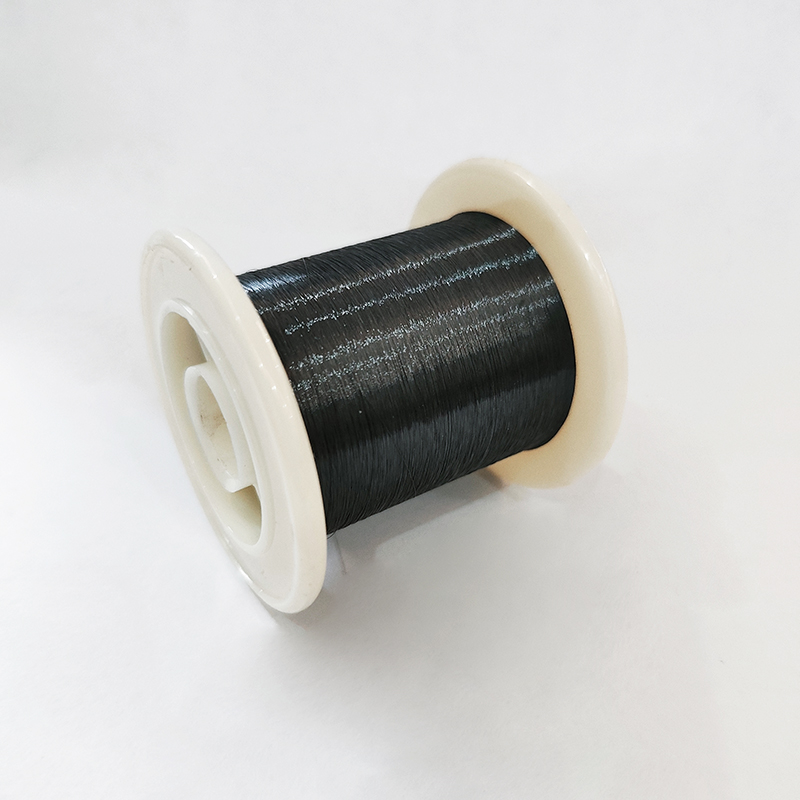
NiTi
2、 Color change of nickel titanium wire after heat treatment (in air atmosphere)
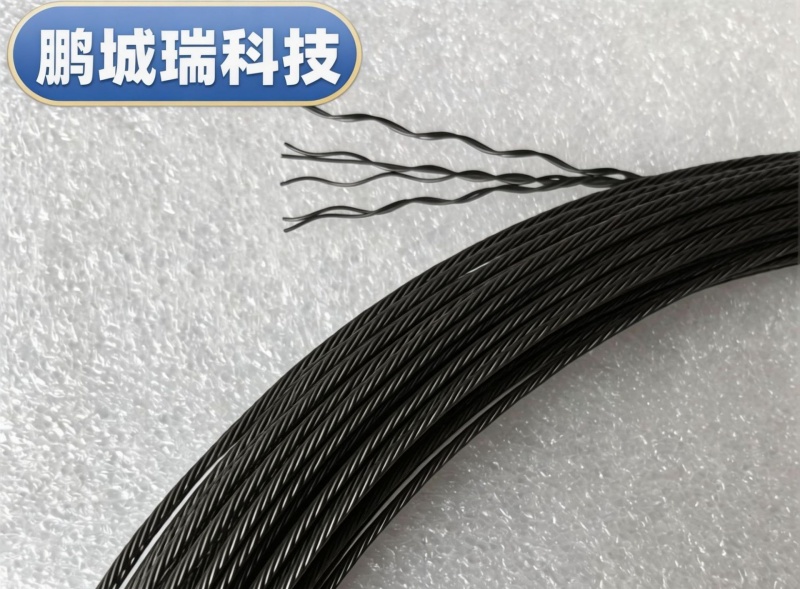
During heat treatment in air, an oxide film (mainly composed of TiO ₂ and NiO) will form on the surface of nickel titanium wire, and the thickness of the oxide film will exhibit different colors due to the interference effect of light. The corresponding relationship between color change and temperature is as follows (influenced by heating time and surface condition, with certain fluctuations):
200℃~300℃:
The oxide film is relatively thin (about 50-100nm), usually appearing light yellow or light gold. At this point, the oxidation reaction is weak and the color change is not significant, mainly corresponding to stress relief heat treatment.
300℃~400℃:
The thickness of the oxide film increases (about 100-200nm), and the color gradually changes to brown, dark blue, or blue black. This temperature range may be accompanied by a small amount of Ni ₄ Ti Ⅲ phase precipitation, with a noticeable color change.
400℃~500℃:
The oxide film further thickens (about 200-300nm), appearing bright blue, purple, or blue purple. This is a commonly used range for phase change temperature adjustment, with high color stability, and is often used as a "signature color" to determine whether the heat treatment temperature meets the standard.
500℃~600℃:
The thickness of the oxide film exceeds 300nm, and the color changes to dark gray or gray black. Some areas may have spots due to uneven oxidation. At this point, the oxidation reaction is more intense, and the oxide film may begin to become brittle.
Above 600 ℃:
The oxide film is too thick (even exceeding 1 μ m), with a black or grayish black surface, and may be accompanied by peeling of the oxide skin (due to a decrease in the adhesion between the oxide film and the substrate). At this temperature, it is important to be cautious about the impact of excessive oxidation on the properties of the silk material.
3、 Key factors affecting color
1. Atmosphere: If heat-treated in an inert gas (such as argon) or vacuum environment, there will be no oxidation reaction on the surface of nickel titanium wire, and the color will remain the silver white metallic color. Only slight changes in surface gloss may occur due to temperature rise.
2. Heating time: At the same temperature, the longer the heating time, the thicker the oxide film, and the color will shift towards the "dark" direction (such as blue after heating at 400 ℃ for 1 hour, and purple black after heating for 3 hours).
3. Surface condition: The rough surface after cold drawing is more prone to oxidation and color changes more significantly than the polished surface.
In summary, the heat treatment temperature of nickel titanium wire determines its performance adjustment direction, and the surface color (in air atmosphere) can be used as an "intuitive reference" to judge the heat treatment temperature, but it needs to be comprehensively analyzed in conjunction with specific process parameters.
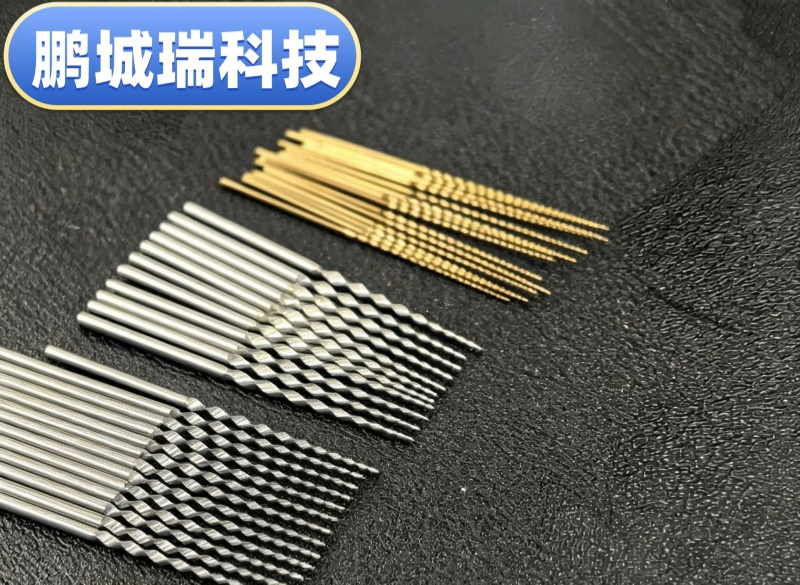
Nitinol
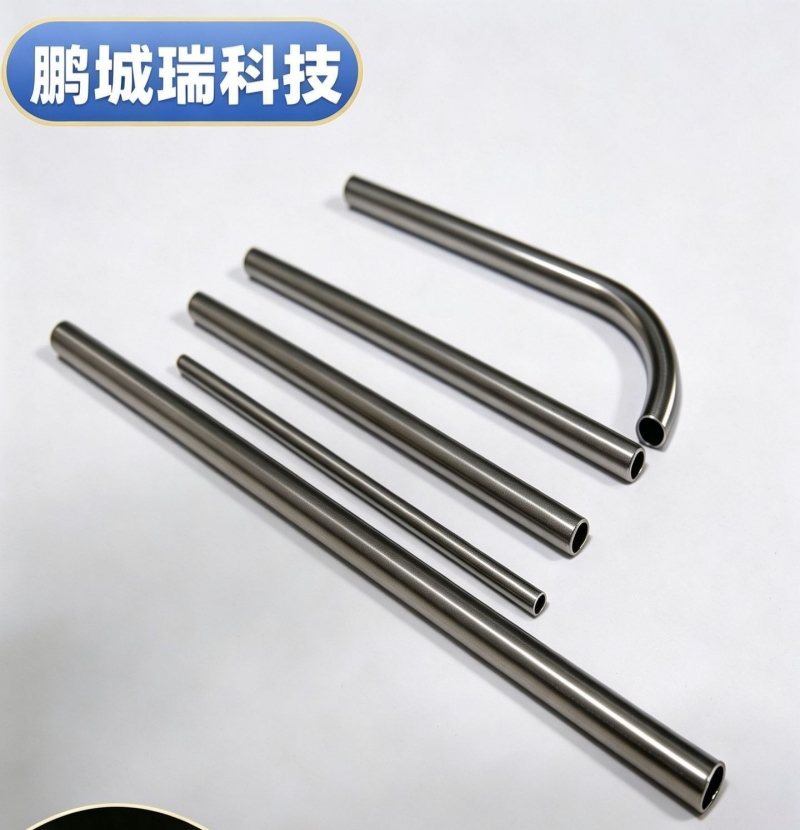
Seamless nickel titanium tube Nickel titanium fiber wire Nickel titanium plateApplication Area
Medical Industry New Energy Aerospace Machinery Manufacturing Marine Engineering Petrochemical IndustryContact Us
Contacts:Manager Wu +86 13632667260


 WeChat
 Call me
X