
 Chinese
 English
Service Hotline
+86 18948275773+86 13632667260


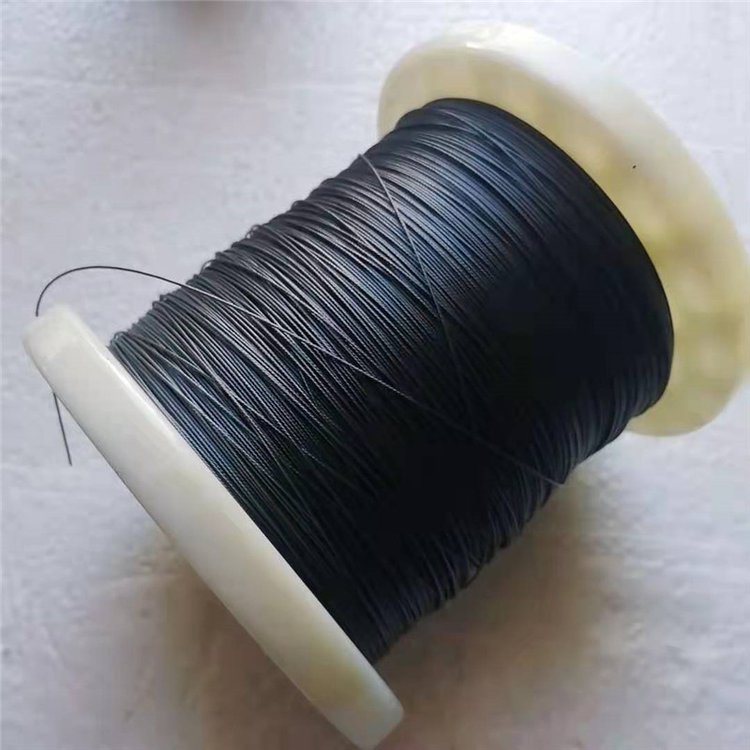
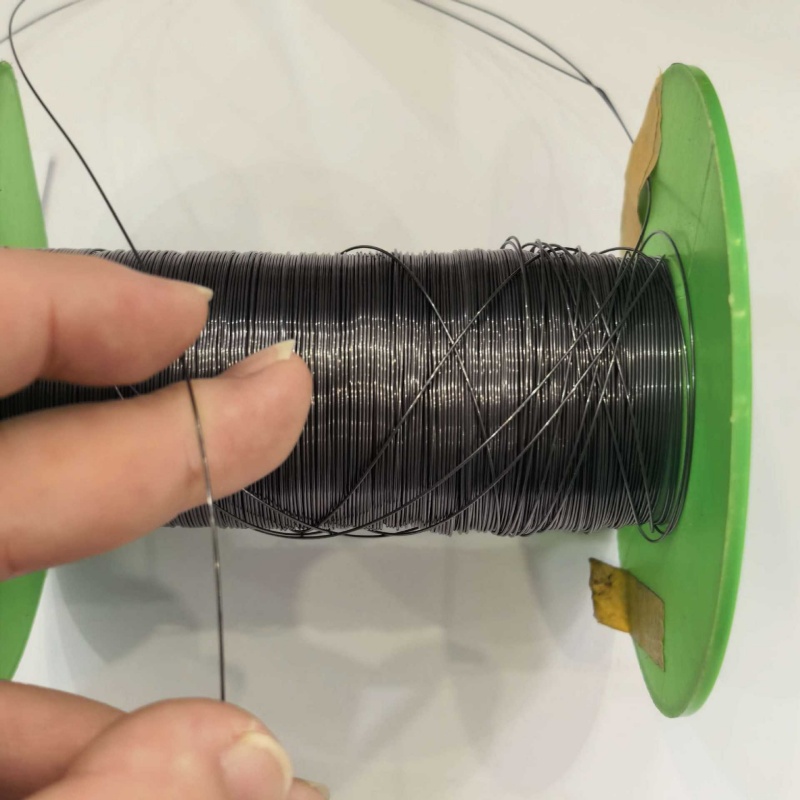
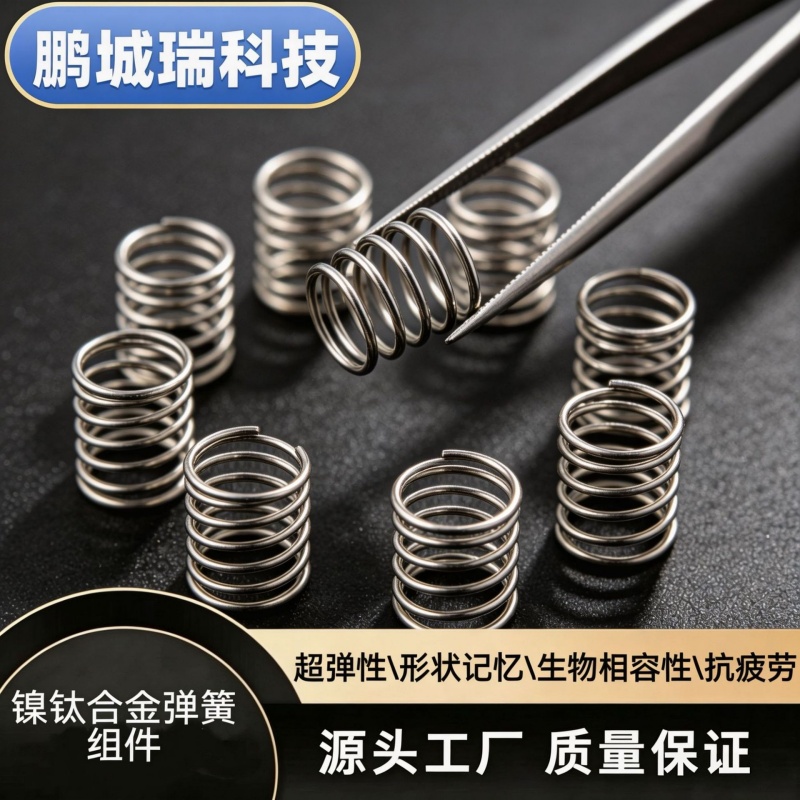
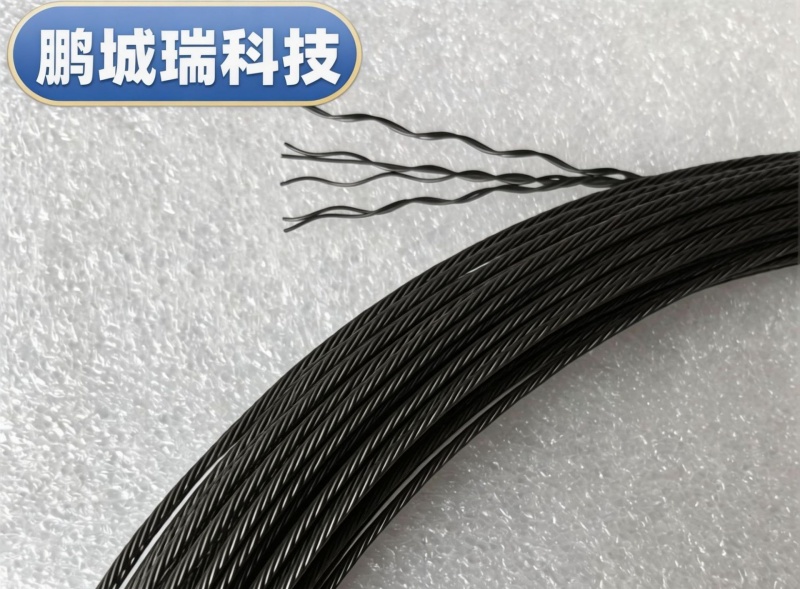
Nickel-titanium shape memory alloy fiber rope is a novel smart material component formed by bundling multiple thin nickel-titanium shape memory alloy wires in a specific manner (such as twisting or braiding). It inherits the excellent properties of nickel-titanium alloys, including superelasticity, shape memory effect, high damping, and biocompatibility. Meanwhile, through the "rope" structural form, it achieves revolutionary breakthroughs in flexibility, large strain, high power-to-weight ratio, and multifunctional integration, opening up a new door for innovative applications ranging from micro-medical devices to macro-engineering structures.
I. Core Features and Advantages
1. Dual Intelligent Response:
◦ Shape Memory Effect: After being stretched or deformed, it can be precisely restored to its pre-set "memory" shape through heating (electricity, light, hot air, etc.), generating significant restoring force and contraction strain.
◦ Superelasticity: It can withstand elastic deformation far exceeding that of ordinary metals (up to 8% or more) without undergoing permanent plastic deformation across a wide temperature range, providing excellent impact resistance and energy dissipation capabilities.
2. "Flexible Muscle" Characteristics:
◦ The fiber rope form endows it with both the strength of metal and the flexibility of polymer materials, allowing it to bend, knot, and weave into fabrics. It mimics the "contraction-relaxation" function of biological muscles, making it an ideal artificial muscle actuator.
3. High power density and power-to-weight ratio: Its contractile work capacity far exceeds that of traditional pneumatic, hydraulic, and motor drives, delivering greater force and displacement per unit weight and volume, making it particularly suitable for applications that are sensitive to space and weight.
4. Multi-functional integration potential:
◦ It can simultaneously serve as a sensor (with resistance changing with strain, enabling self-sensing deformation), a driver, and a structural component, achieving the integration of structural and functional aspects.
II. Current and Emerging Application Exploration Fields
1. Aerospace and Cutting-edge Equipment
• Shape-shifting Structures: Used to manufacture deformable wings and rotor blade skins, which can adjust their aerodynamic shapes adaptively by controlling the camber of the wing surface through the contraction of fiber ropes.
• Space deployable structure: Serving as the deployment drive mechanism for solar sails, antennas, and shading covers, it triggers the automatic and smooth deployment of the folding structure through electrical heating, replacing bulky motor mechanisms.
• Vibration and noise control: Leveraging its high damping characteristics, it can be woven into intelligent ropes for vibration isolation of satellite precision equipment, or for active vibration reduction in helicopter transmission systems.
2. Biomedical and Rehabilitation Engineering
• Minimally Invasive Interventional Devices:
◦ Smart Guidewires/Catheters: They can change their tip shape at body temperature or under electrical stimulation, enabling more precise navigation.
◦ Reconfigurable stent/embolizer: It unfolds into a complex three-dimensional structure at the lesion site, enhancing treatment precision.
• Surgical robot: Serving as the driving "muscle tendon" for dexterous surgical instruments, it provides fine manipulation and force feedback that is closer to the human hand's tactile sensation.
• Active rehabilitation/exoskeleton: Integrated into smart fabrics or exoskeleton joints, it provides gentle and compliant assistance for gait training or muscle strength enhancement.
3. Textiles and Flexible Wearable Devices
• Smart Temperature-Regulating Fabrics: Integrated into clothing, these fabrics automatically adjust their porosity in response to changes in ambient temperature, achieving dynamic heat retention or dissipation.
• Adaptive protective equipment: used in smart helmet linings or sports protective gear, it hardens instantly upon impact to absorb energy, while remaining soft and comfortable at other times.
• Transformable fashion and soft robots: Creating clothing that can change its shape and texture according to body temperature or electrical signals, or driving the movement of bionic robotic fish and soft grippers.
4. Civil Engineering and Safety Protection
• Structural Health Monitoring and Active Reinforcement: Embedded in concrete beams and suspension bridges, they can serve as long-term strain sensors, and can also actively contract and apply prestress when the structure is overloaded, enabling self-repair and reinforcement.
• Smart damper: used in seismic systems for buildings and bridges, it greatly dissipates seismic energy through phase change energy dissipation.
• Safety protection system: used in car crash energy absorption boxes or seat belt pretensioners, which contract instantly when a collision signal is triggered, achieving more proactive occupant restraint.
5. Energy and Bionic Systems
• Novel Actuators: Intelligent circuit breakers for microgrids, and high-frequency flapping mechanisms for bionic flapping-wing aircraft.
• Energy harvesting: Utilizing the hysteresis effect of its super-elastic cycle, it converts low-grade mechanical energy such as environmental vibration and human motion into electrical energy (thermal energy).
III. Challenges and Future Research Directions
1. Driving Efficiency and Thermal Management: The driving efficiency of electrothermal devices is relatively low, necessitating solutions to rapid response and heat dissipation issues. Research should focus on more efficient intrinsic heating (Joule heat optimization) or alternative driving methods (photothermal, magnetocaloric).
2. Fatigue life and reliability: Long-term fatigue performance under complex cyclic loading is crucial. It is necessary to conduct in-depth research on the stress distribution of rope structures, optimize braiding processes, training methods, and phase change cycle stability.
3. Precise Modeling and Control: Its hysteresis, nonlinearity, and temperature dependence complicate precise control. It is necessary to develop advanced constitutive models and adaptive control algorithms (such as closed-loop control based on resistance feedback).
4. System integration and scaling: The bottleneck in industrialization lies in how to seamlessly integrate fiber ropes with power supplies, control circuits, and sensing systems into final products at low cost and on a large scale.
5. Development of new materials: Explore novel memory alloy fiber materials with lower cost, wider phase transition temperature range, and higher power-to-weight ratio.
Nickel-titanium shape memory alloy fiber ropes break the boundaries between traditional rigid actuators and flexible structures, representing a disruptive "smart material system". Its application exploration is rapidly moving from prototype verification in the laboratory to practical application in high-end fields such as aerospace, biomedical, and robotics. With the cross-disciplinary advancements in materials science, precision manufacturing, and intelligent control technology, it is expected to give rise to a series of unprecedented adaptive, intelligent, and lightweight products and systems, profoundly influencing the development of future science and engineering.
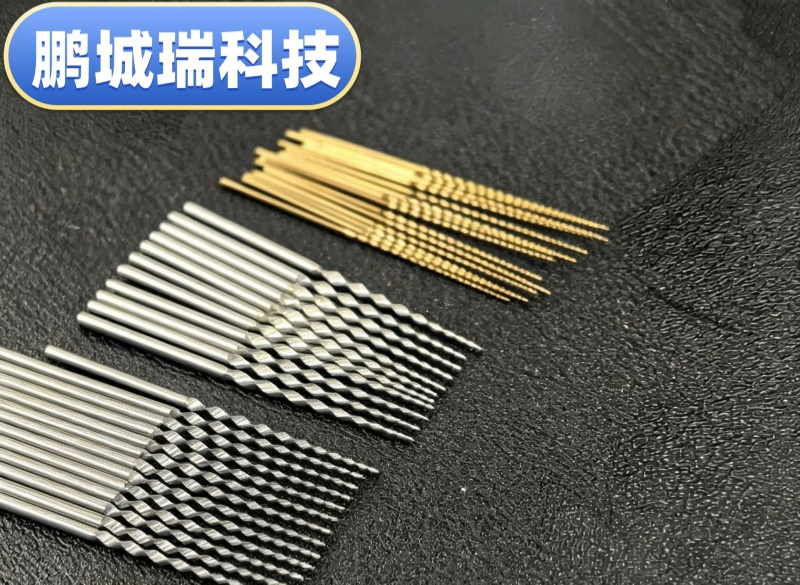
Nitinol
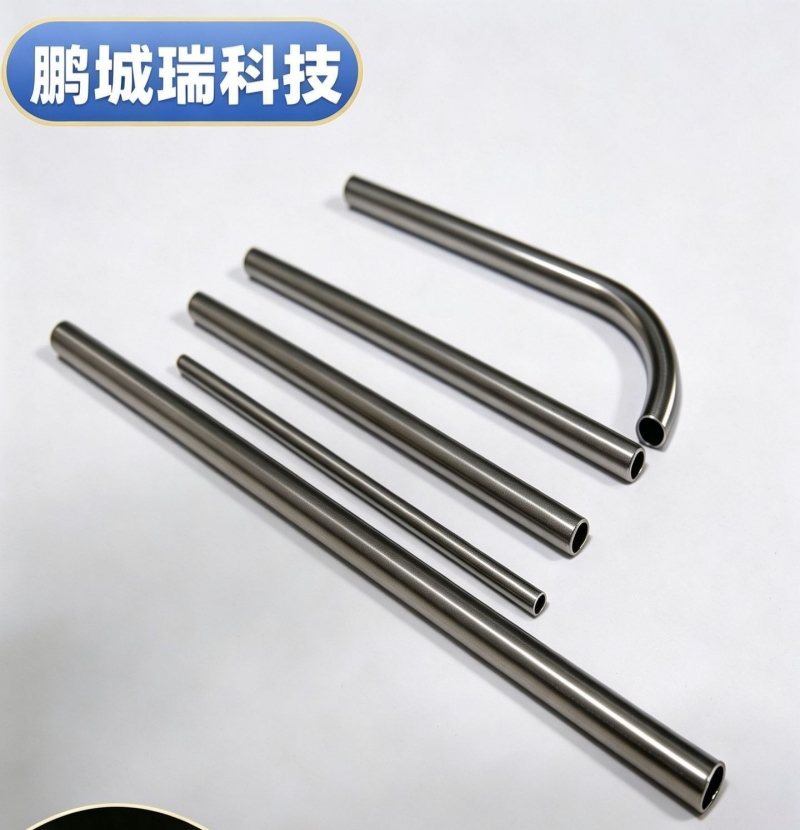
Seamless nickel titanium tube Nickel titanium fiber wire Nickel titanium plateApplication Area
Medical Industry New Energy Aerospace Machinery Manufacturing Marine Engineering Petrochemical IndustryContact Us
Contacts:Manager Wu +86 13632667260


 WeChat
 Call me
X