
 Chinese
 English
Service Hotline
+86 18948275773+86 13632667260


Nickel titanium high-temperature alloys are divided into binary (containing nickel and titanium) alloys and ternary (containing nickel, titanium, and other elements) alloys (such as nickel titanium copper high-temperature alloys). The following is a summary of Wuge nickel titanium alloy and an introduction to nickel titanium copper high-temperature alloy:
1、Basic information
Definition: Nickel titanium copper high-temperature alloy is an alloy material mainly composed of nickel, titanium, and copper, with the addition of other alloying elements, which has excellent properties in high-temperature environments.
Research history: Scientists invented nickel titanium memory alloys as early as the 1960s, but most alloys undergo thousands of transformations between two lattice states before cracking or even fracture. In 2015, researchers from Kiel University in Germany invented a nickel titanium copper memory alloy, which can undergo millions of deformations without breaking.
2、composition and structure
Composition: It usually contains major elements such as nickel (Ni), titanium (Ti), and copper (Cu), with nickel content generally ranging from 49.5% to 50.6%, titanium content ranging from 44.5% to 45.4%, and copper content ranging from 4.0% to 6.0%. In addition, other elements such as hafnium (Hf) may be added to further improve the properties of the alloy.
Structure: Alloys have a special crystal structure that undergoes martensitic and austenitic transformations at different temperatures. A research team led by expert Kuang Te from Kiel University in Germany found that at temperatures ranging from 22 ° C to 87 ° C, when martensite is completely transformed into austenite, two titanium atoms and copper atoms deposit in the lattice, forming the basic structure of the crystal in two phases. This phenomenon is called epitaxial growth.
3、Performance characteristics
Shape memory effect: It has good shape memory function and can recover to a pre-set shape during heating or cooling. Its phase transition temperature and shape memory characteristics can be controlled by adjusting the composition and heat treatment process.
High strength and high elasticity: Nickel titanium copper high-temperature alloy has high strength and good elasticity, with a tensile strength of over 600MPa and an elastic modulus of about 55-65GPa. It can withstand large stresses and recover to its original shape after unloading.
High temperature stability: It can maintain its mechanical properties and shape memory function even in high temperature environments, with a maximum operating temperature of 500 ℃ or even higher, suitable for industrial applications in high temperature environments.
Corrosion resistance: It has a certain resistance to corrosive media such as acid, alkali, salt, etc., and can maintain stability in harsh chemical environments, extending its service life.
Oxidation resistance: It has good oxidation resistance in high-temperature oxidation environments, can resist oxygen erosion, reduce oxidation rate, and ensure the stability of alloy performance at high temperatures.

Nickel titanium copper high-temperature alloy
4、application area
Aerospace field: can be used to manufacture wing folding systems for fighter jets, such as the wing folding components of the US F/A-18 Super Hornet fighter jet, which can easily change shape through electric heating and cooling, achieving lightweight wing folding and improving the maneuverability and energy utilization of fighter jets. In addition, it can also be applied to rocket engine components, spacecraft structural components, and connecting components.
In the field of medical devices, due to its excellent biocompatibility, shape memory effect, and corrosion resistance, it can be used to manufacture minimally invasive surgical instruments, vascular stents, orthodontic appliances, artificial heart valves, etc. It can perform well in the human body and is non irritating to human tissues, making it less likely to cause immune reactions.
In the field of robotics, it can replace traditional motors as driving components for robots, achieving more flexible movements and higher energy efficiency, making robot movements more natural and efficient.
In the field of electronic information, it is used to manufacture electromagnetic couplers, temperature sensors, microelectronics, and optical devices. Its shape memory effect and high-temperature stability help improve the performance and reliability of these devices.
Other fields: can also be applied to high-temperature pipelines and valves in the petrochemical industry; Heat exchangers and high-temperature equipment components in the energy sector; And in fields such as mechanical manufacturing and automotive industry, such as manufacturing exhaust system components and engine components for automobiles.
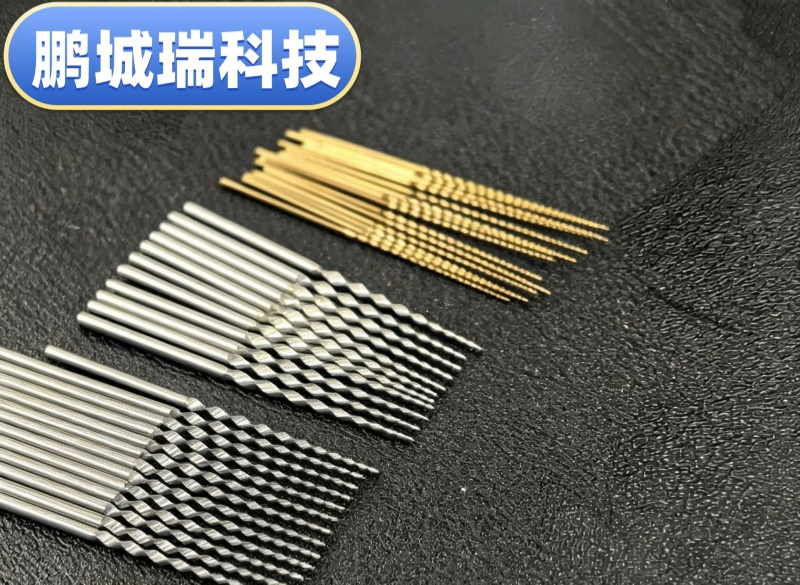
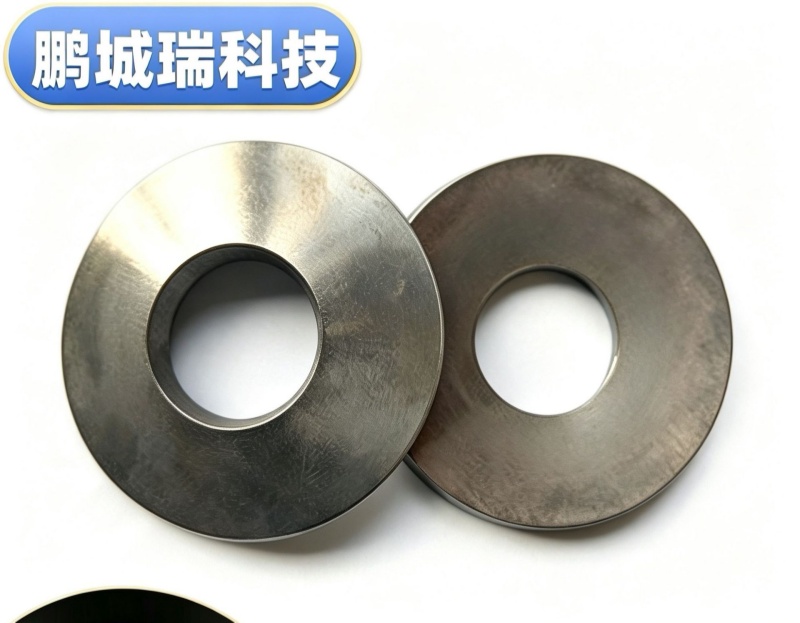
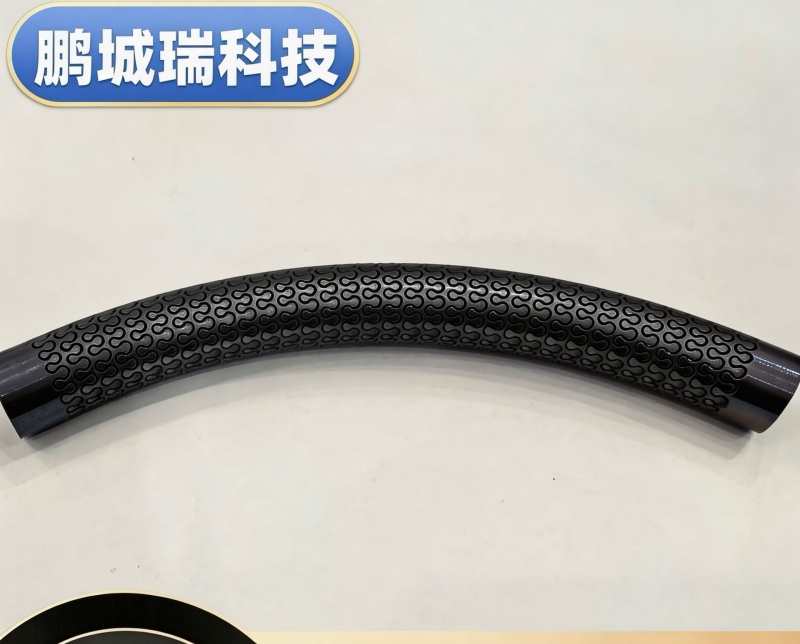
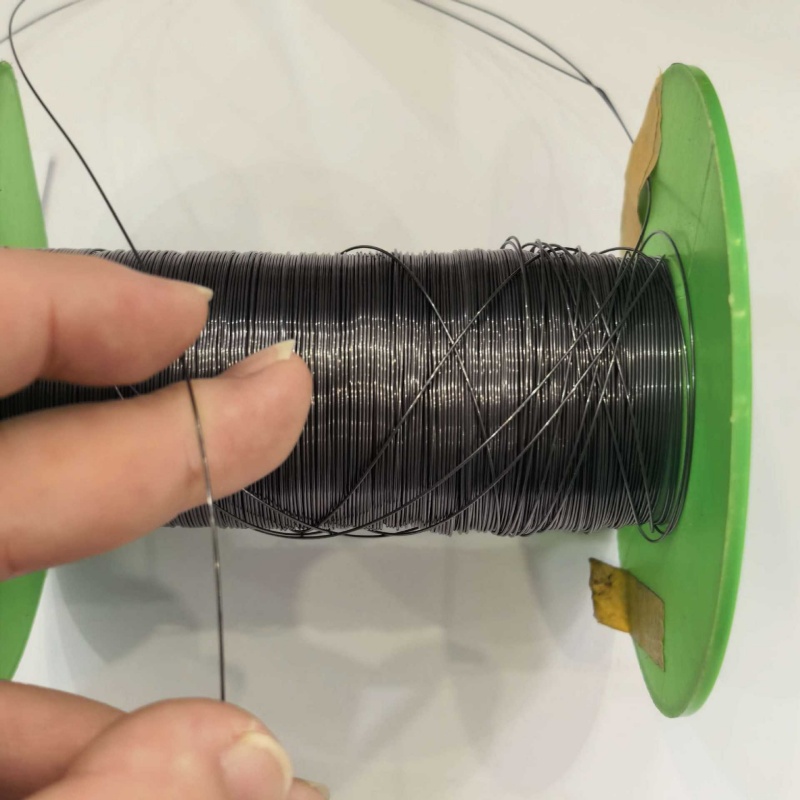
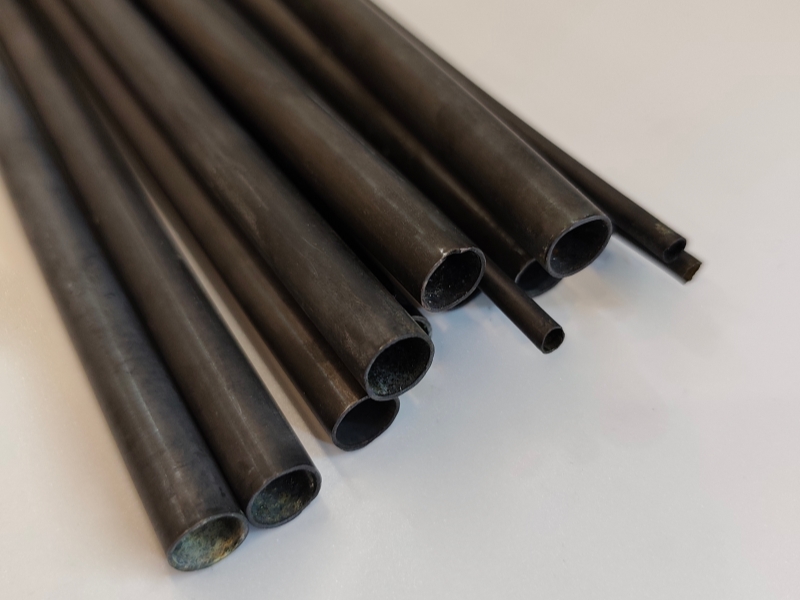
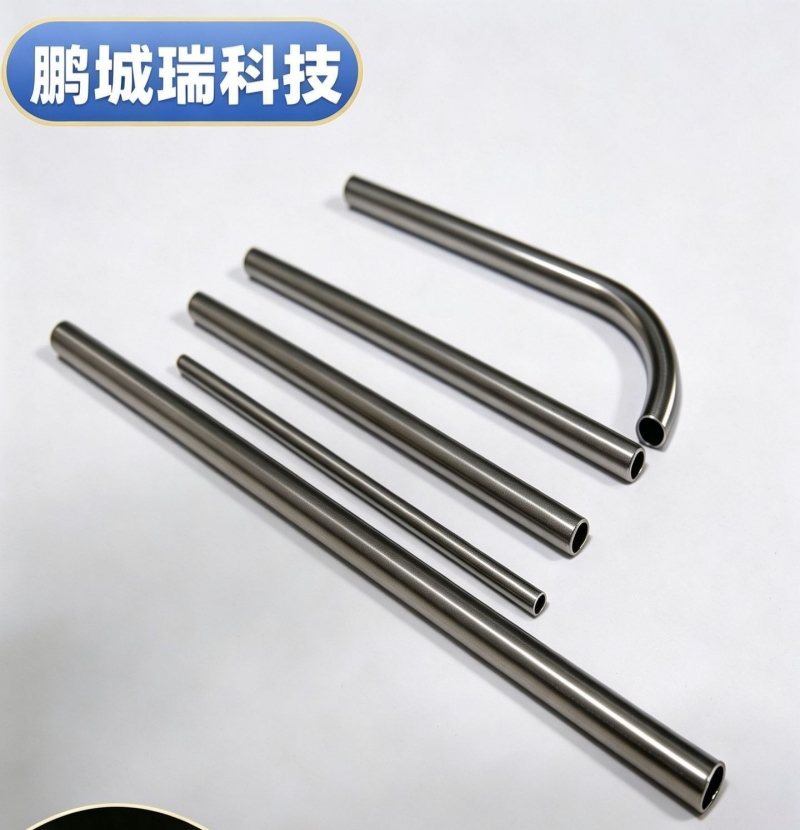
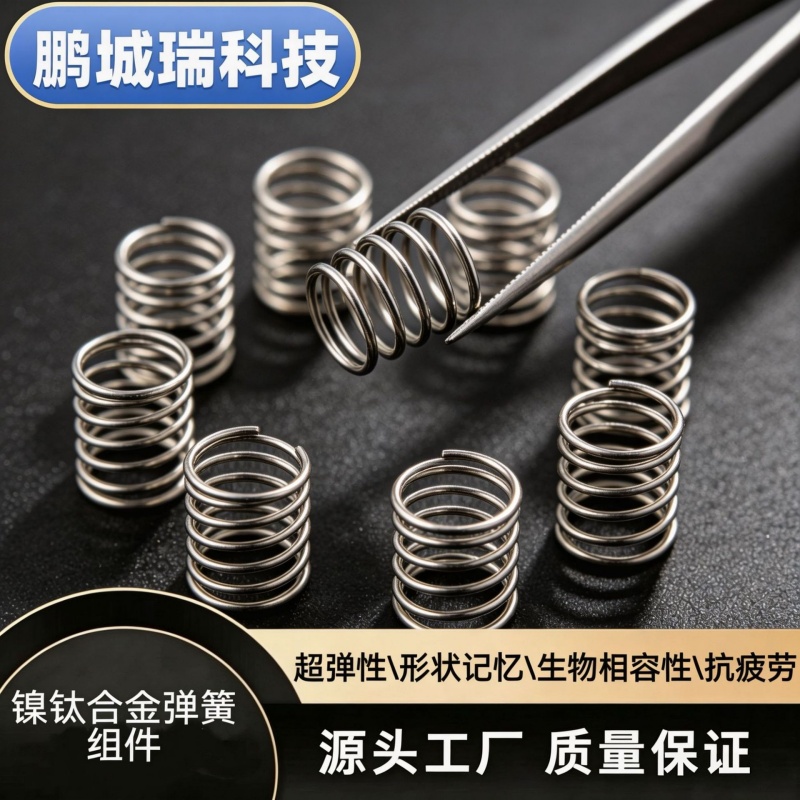
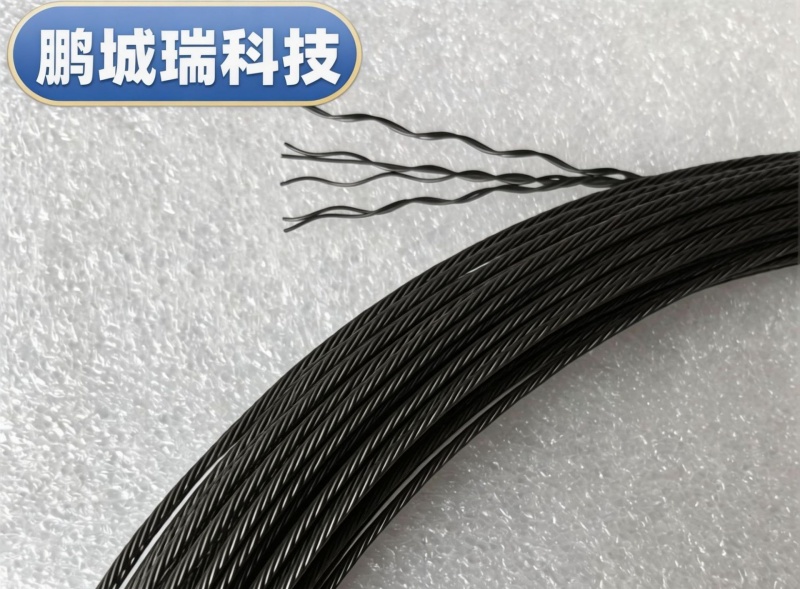
Nitinol
Seamless nickel titanium tube Nickel titanium fiber wire Nickel titanium plateApplication Area
Medical Industry New Energy Aerospace Machinery Manufacturing Marine Engineering Petrochemical IndustryContact Us
Contacts:Manager Wu +86 13632667260


 WeChat
 Call me
X