
 Chinese
 English
Service Hotline
+86 18948275773+86 13632667260



The production of nickel-titanium shape memory alloy coils centers on precise composition control, multiple plastic processing steps, and vacuum heat treatment, balancing dimensional accuracy and shape memory/superelasticity of the tubes. The core lies in controlling the parameters of each process to eliminate work hardening and precisely regulate the phase transition temperature. The simplified process comprises five core steps, with strict control over the Ni/Ti atomic ratio deviation throughout the entire process, ensuring it is ≤0.1%, and the vacuum degree during heat treatment is ≥10⁻³Pa.
1. Master alloy melting and billet preparation:
Using a dual process of vacuum induction melting and vacuum consumable electrode remelting, high-purity nickel-titanium ingots are produced, which are then hot forged and hot extruded into solid bars. Subsequently, hollow tubes are fabricated through electrode piercing and hot spinning. The outer circumference is ground and the inner hole is polished to remove oxide scale and burrs, ensuring a wall thickness uniformity deviation of ≤0.02mm.
2. Precision cold-drawn tube:
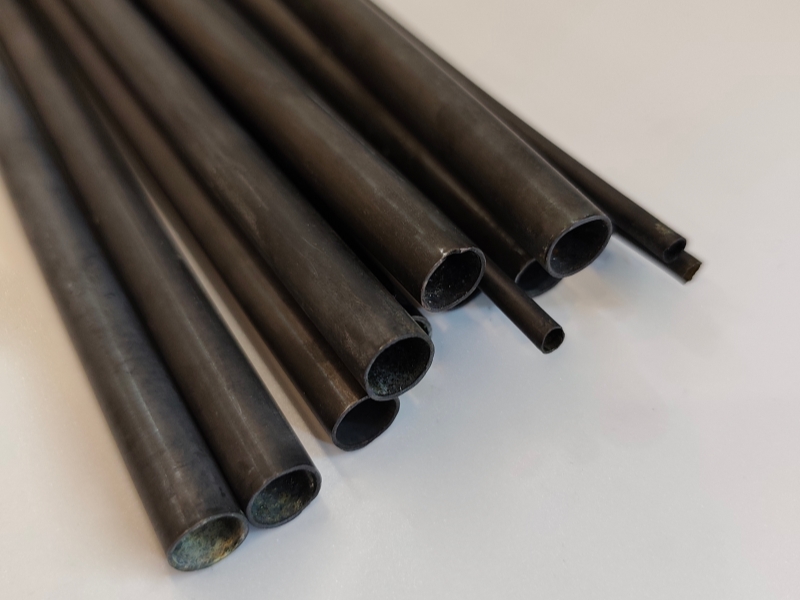
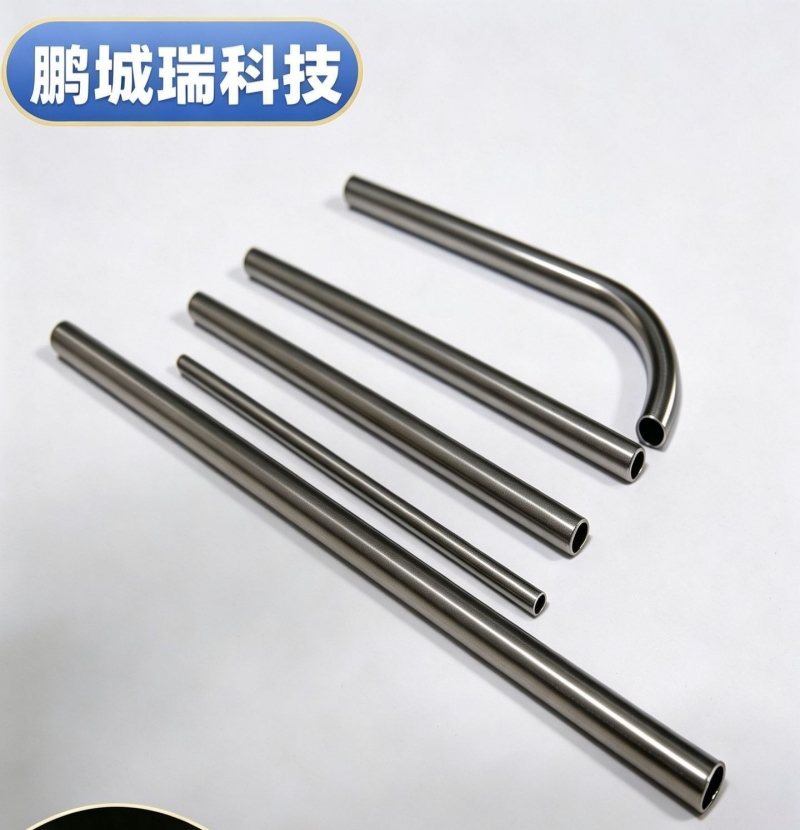
The process involves alternating between coreless empty drawing and mandrel-guided sizing drawing, with multiple passes to achieve the target specifications (outer diameter φ0.5~20mm, wall thickness 0.05~2mm). The deformation amount for each pass is controlled at 8%~15%. Immediately after every 1~2 passes, vacuum annealing at 450~600℃/1~2h is performed to eliminate work hardening. After finishing the final product tube, the outer diameter tolerance is ±0.01mm and the wall thickness tolerance is ±0.005mm.
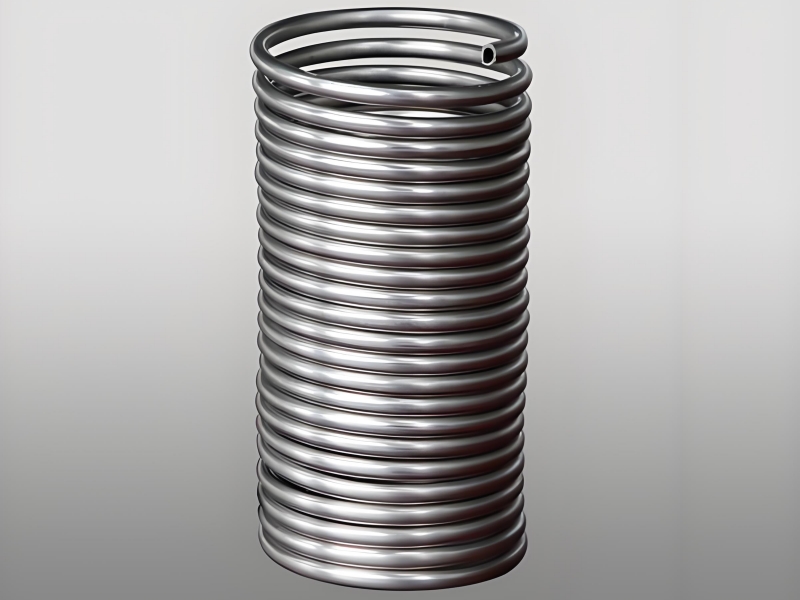
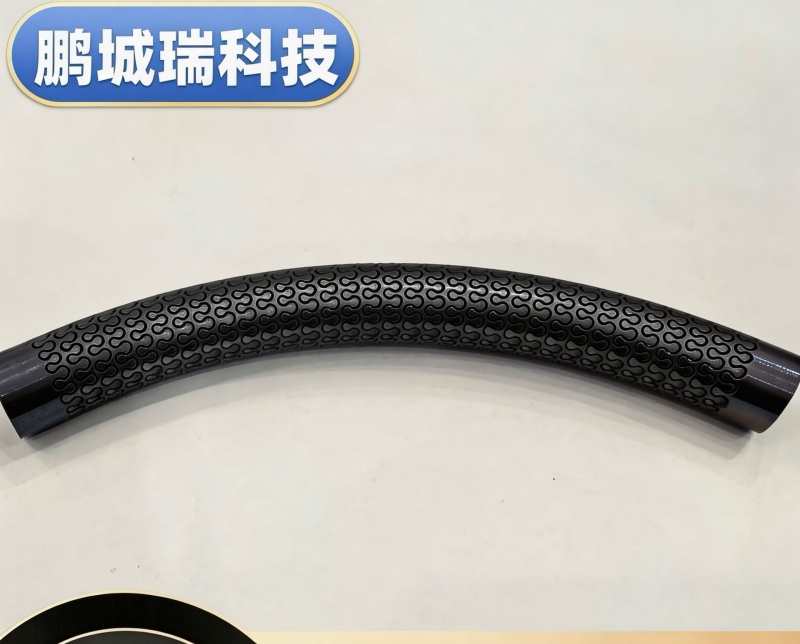
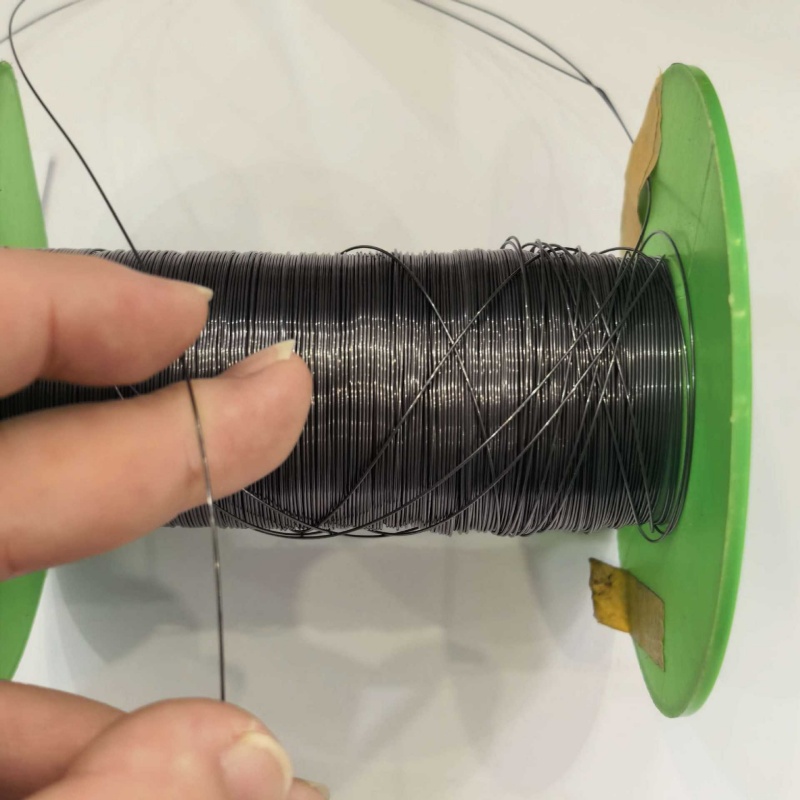
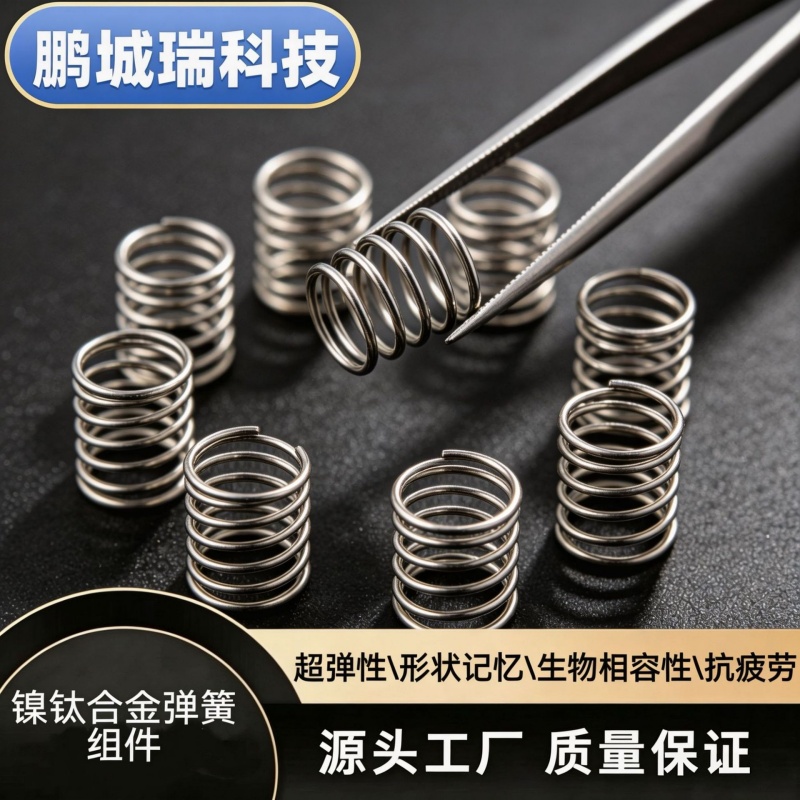
Nickel-titanium shape memory alloy coil
3. Coil forming:
Select the forming method according to the pipe diameter. For thin pipes with diameters ranging from φ0.5 to 10mm, a CNC servo winding machine is used to wind them around a ceramic/PTFE mold for cold bending, avoiding surface scratches. For thick pipes with diameters above φ10mm, they are heated to a low temperature of 200~300℃ for hot bending, preventing wrinkling and cracking of the pipe wall. After forming, a fixture is used to hold the coil and mold together to avoid rebound.
4. Shaping heat treatment (activating memory effect):
Place the coil with mold holding into the vacuum furnace, and adjust the parameters according to the purpose: for medical coils, maintain at 500~550℃ for 1~3 hours and cool naturally with the furnace, with the Af point conforming to human body temperature at 37~42℃; for industrial coils, maintain at 550~600℃ for 2~4 hours, cool down to 300℃ in the furnace, and then air cool, with the Af point controlled at -20~20℃. After shaping, perform low-temperature stress relief annealing at 300~350℃ to eliminate internal stress.
5. Post-processing and finished product inspection:
Industrial coils undergo acid pickling and passivation to enhance corrosion resistance, while medical coils undergo additional electrolytic polishing, ultrapure water cleaning, and high-temperature sterilization to ensure biocompatibility. The finished products undergo comprehensive testing, including dimensional inspection, tensile testing (with elastic strain ≥8%), phase transition temperature testing (DSC test), metallographic examination, and eddy current flaw detection. After passing the tests, they are cut according to requirements, packaged in sterile vacuum packaging for medical use, and packaged in moisture-proof and rust-proof packaging for industrial use.
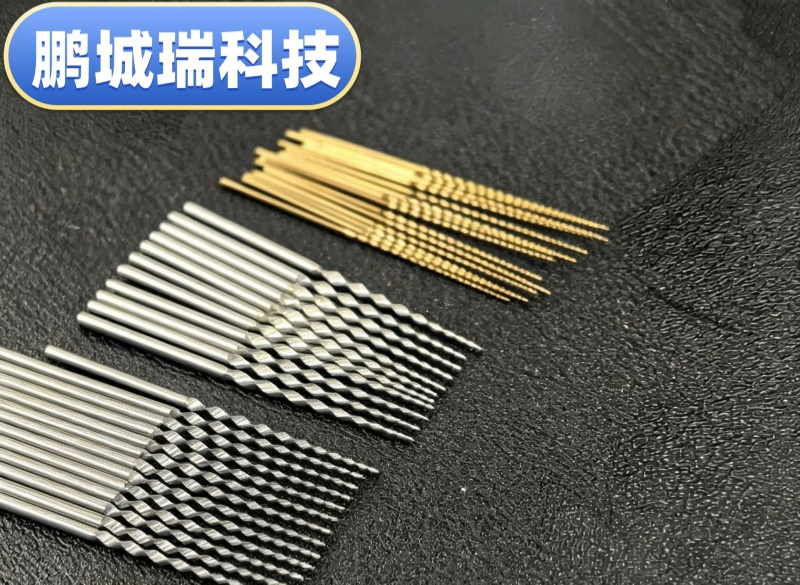
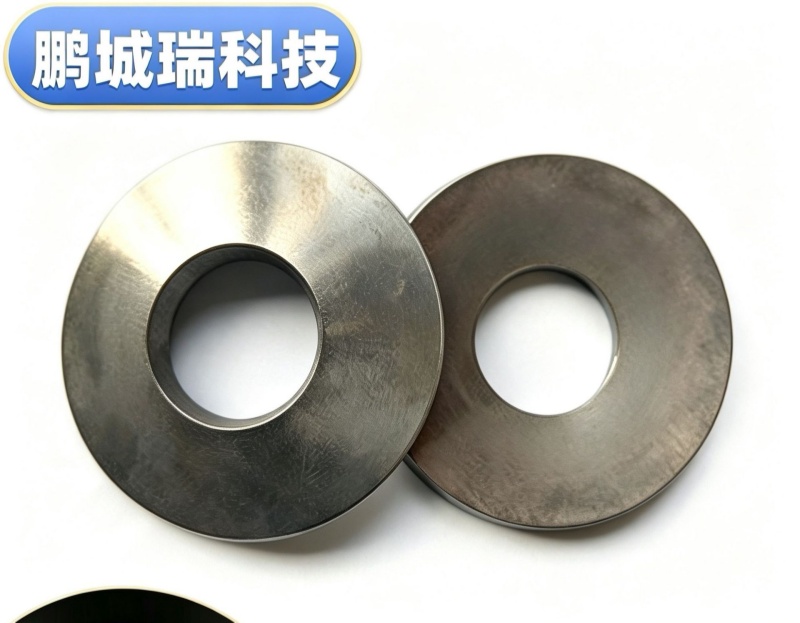
Nitinol
Seamless nickel titanium tube Nickel titanium fiber wire Nickel titanium plateApplication Area
Medical Industry New Energy Aerospace Machinery Manufacturing Marine Engineering Petrochemical IndustryContact Us
Contacts:Manager Wu +86 13632667260


 WeChat
 Call me
X