
 Chinese
 English
Service Hotline
+86 18948275773+86 13632667260


Nickel titanium alloys, with their unique shape memory effect, superelasticity, and biocompatibility, have been continuously breaking through in the fields of materials science and engineering in recent years, and their application scenarios are constantly expanding. The following analysis will be conducted from three dimensions: technological development trends, core application areas, and future challenges:
1、 Technological development trends
1. Innovation in additive manufacturing technology
Laser Powder Bed Melting (LPBF) technology has achieved a key breakthrough in 2025. By precisely controlling the laser power (250W) and scanning speed (900-1300mm/s), nickel titanium alloys with a density exceeding 99.5% can be prepared, with grain size refined to 20.5 μ m and tensile strength reaching 753MPa. The machine learning assisted process optimization system reduces the experimental cycle by 70% and achieves direct recovery of electric drive (recovery rate of 96.7%), eliminating the traditional hot bath process and providing millisecond level response solutions for precision components such as micro robotic arm joints.
2. Composition design and performance control
Rich titanium alloy (Ni49.8Ti50.2) is formed through fine grain strengthening and friction protection layer, reducing the specific wear rate by 33%. At the same time, the Weibull modulus reaches 18.9, and the defect distribution is more uniform. The development of strain glass alloy achieves wide temperature range hyperelasticity (working temperature extension of 40 ℃), suitable for precise force control of minimally invasive surgical instruments. Surface modification techniques such as laser remelting form a dense oxide layer, reducing nickel ion leakage to 0.08 μ g/cm ²/day, far exceeding ISO safety standards.
3. Environmental Protection and Sustainable Development
The EU's Horizon Europe program aims to promote the production of recycled nickel titanium alloys, with the goal of achieving a 30% share of recycled materials by 2028. The molten salt electrolytic co deposition technology reduces production costs to 400 yuan/kg (traditional atomization method costs 2000 yuan/kg), and increases raw material utilization to 75-85%. The special plan for new materials in China's 14th Five Year Plan sets the annual growth rate of research and development funds for nickel titanium alloys at 20%, accelerating the process of localization.
4. Nanotechnology and Intelligent Integration
Nano nickel titanium alloy (grain size<100nm) exhibits a high specific surface area (>100m ²/g), which increases the efficiency of hydrogen production through catalytic water splitting by 40%. At the same time, as an electrode material for lithium-ion batteries, its cycle life is extended to over 2000 times. 4D printing technology realizes the integrated manufacturing of gradient porous structure scaffolds, with a graded porosity (100-500 μ m) and a mechanical matching degree of 92% with bone tissue.
2、 Core application areas
1. Biomedical Engineering
Interventional device: Graded porous nickel titanium stent (Af=39 ℃) has a recovery rate of 99.5% under 8% strain, and the release of nickel ions is only 16% of the safe limit. It has been used for bone defect repair. The electrically driven chiral lattice structure (achieving 95% recovery in 8.7 seconds) has become a new driving scheme for minimally invasive surgical instruments.
Intelligent medical equipment: SMA driven wire material has passed the CML certification in the UK and is used as an optical anti shake motor for mobile phone lenses, replacing traditional voice coil motors and reducing power consumption by 60%. Degradable nickel titanium alloy (with added Mg element) completely degrades in vivo after 18 months and has entered the animal experimental stage.
2. Aerospace and high-end manufacturing
Structural components: Heterogeneous microstructure nickel titanium alloy (with a 52.3% increase in thermal efficiency) is used in the thermal management system of Airbus A350, with a cooling capacity of 38.5J/kg. The ultra strong elastic alloy developed in Japan (with strength equivalent to steel and 20 times higher ductility) can withstand extreme environments ranging from -80 ℃ to 80 ℃ and is suitable for deformable wings.
Precision control: NASA will use electrically driven nickel titanium alloy for the joint of the Mars rover sampling arm, achieving a positioning accuracy of ± 0.1mm at -60 ℃ and a lifespan of over 100000 times.
3. Consumer Electronics and Robotics
Intelligent terminal: Huawei P70 series adopts nickel titanium SMA motor, achieving 0.01 second fast focusing and reducing the volume by 40% compared to traditional electromagnetic drive. In VR tactile feedback gloves, nickel titanium alloy wire can simulate tactile forces of 0.1-5N through current control, with a response time of less than 50ms.
Flexible robot: The nickel titanium carbon nanotube composite driver developed by MIT generates 10% strain at 1V voltage for the peristaltic motion of soft robots, reducing energy consumption by 80%.
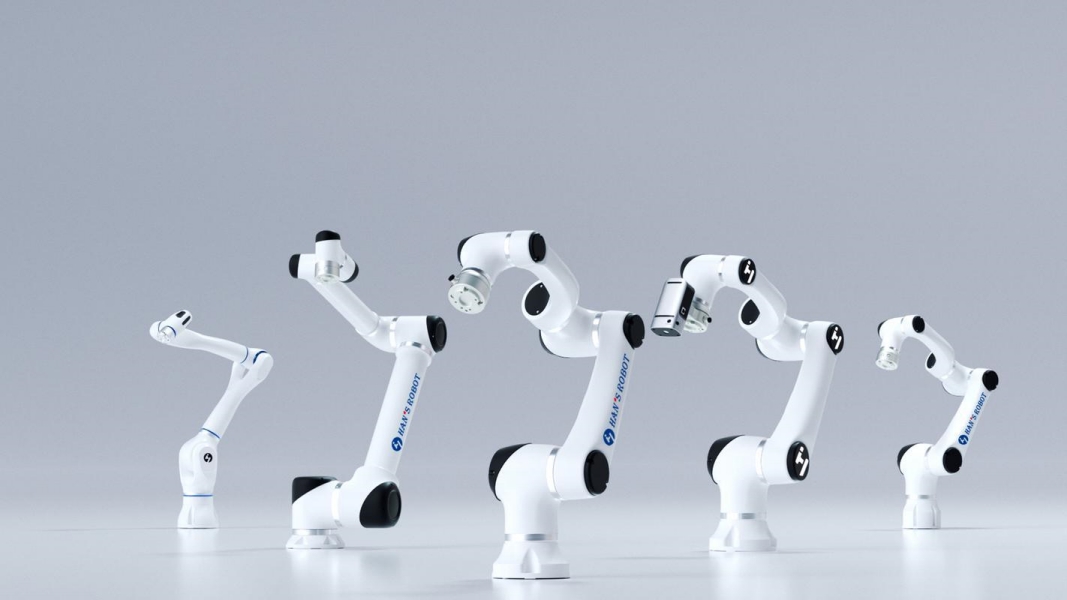
flexible robot
4. Energy and Environmental Protection
Clean energy: The nickel titanium alloy thermoacoustic engine has an efficiency of 18% at a temperature difference of 300 ℃, which is 30% higher than the traditional Stirling engine. It has been used in distributed energy systems. The self-healing nickel titanium pipeline developed by Sharif University can automatically repair cracks below 0.5mm by triggering shape memory effect through Joule heating.
Industrial application: The deep-sea oil and gas pipeline connection system (resistant to 180MPa pressure) uses nickel titanium alloy, with a leakage rate of<0.001ppm and a lifespan of over 20 years.
3、 Challenges and Future Prospects
1. Industrialization bottleneck
High purity melting technology is still monopolized by Japanese and German companies, with China's import dependence reaching 67%. However, after the commissioning of Baotai Group's 10000 ton vacuum melting production line in 2026, the localization rate is expected to increase to 40%. The average approval cycle for three types of medical devices in the medical field is 22 months, which restricts the speed of new product launches.
2. Direction of technological innovation
Cross scale design: Combining molecular dynamics simulation and machine learning to develop intelligent material systems with multi field coupling (force thermal electric) response.
Composite trend: The use of nickel titanium ceramic gradient materials in nuclear reactor control rods has increased the radiation dose resistance to 10 ^ 18 n/cm ², which is five times higher than that of pure nickel titanium alloys.
Biointegration: Nickel titanium alloy with surface grafted peptides increases osteoblast adhesion rate by three times and accelerates new bone formation rate by 40%.
3. Market growth forecast
The global market size of nickel titanium alloys is expected to increase from 739 million US dollars in 2025 to 998 million US dollars in 2032, CAGR 4.39%。 The growth rate of the Chinese market is leading, with a CAGR of 18% from 2025 to 2030, with the main contributions from the consumer electronics and new energy sectors.
Nickel titanium alloys are transitioning from "special materials" to "strategic materials", and their development presents three major characteristics: high-end technology (nanotechnology, intelligence), diversified applications (medical aviation energy full scene penetration), and green manufacturing (low consumption, regeneration). With the popularization of technologies such as 3D printing and AI process optimization, as well as the dual drive of policy support and market demand, nickel titanium alloys are expected to become a global market worth billions of dollars by 2030, continuing to lead the smart materials revolution.
Shenzhen Wuge Industrial Co., Ltd. was established in 2011, actively laying out in the field of nickel titanium memory alloys, providing nickel titanium high-temperature alloys (such as nickel titanium copper high-temperature alloys) and nickel titanium room temperature alloys. It is a supplier of nickel titanium alloy materials and wire pipes. The company has established its own factory building in Liandong U Valley of Huiyang Ecological Technology Innovation Park, which can customize alloy materials according to customer needs.
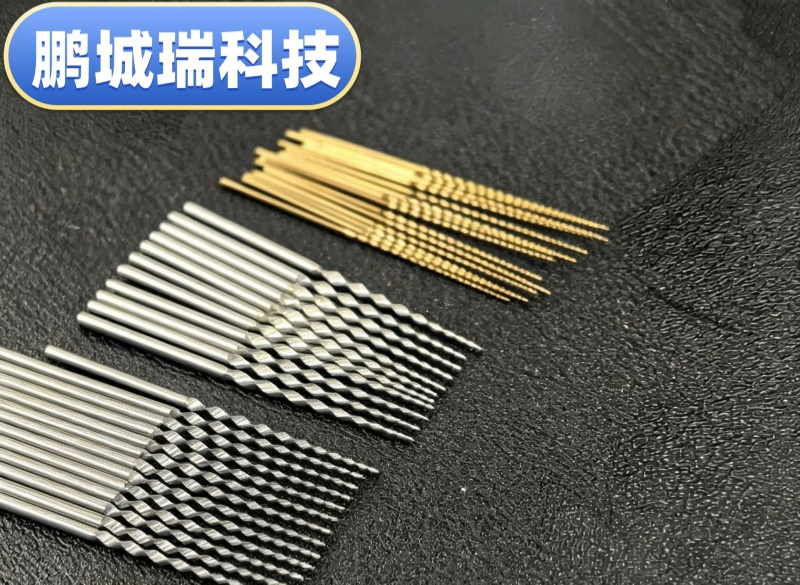
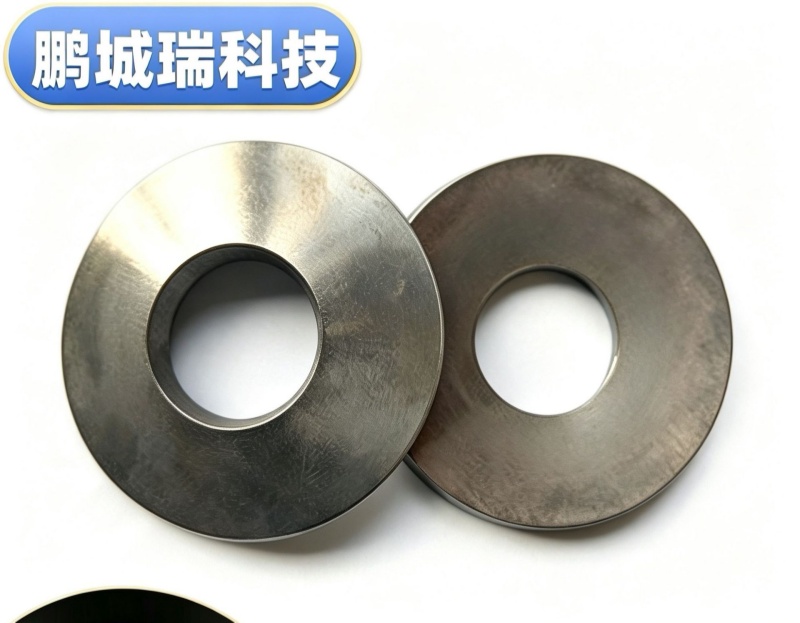
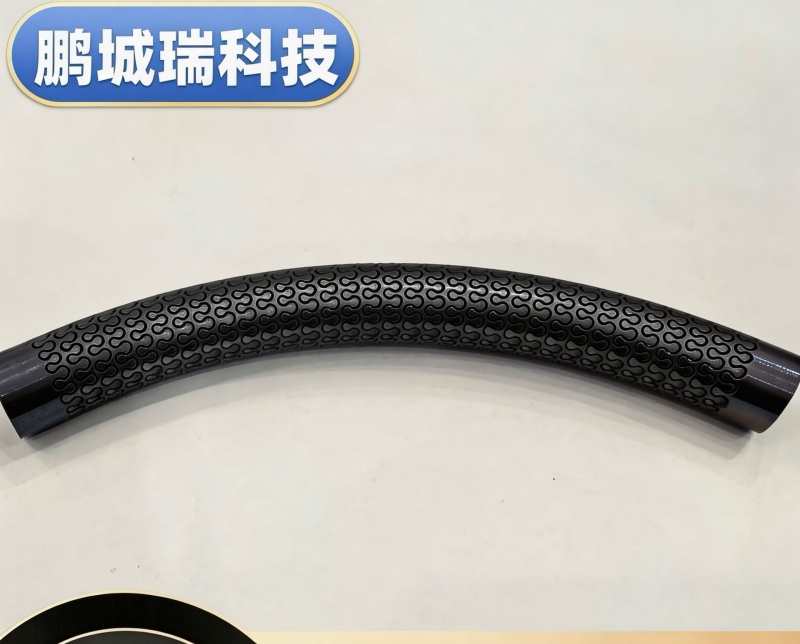
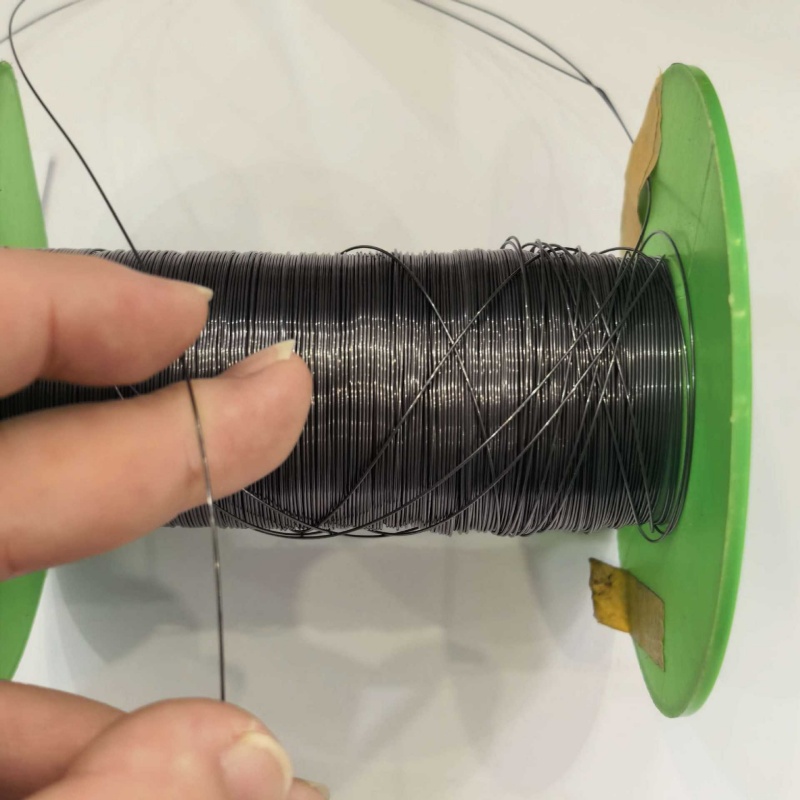
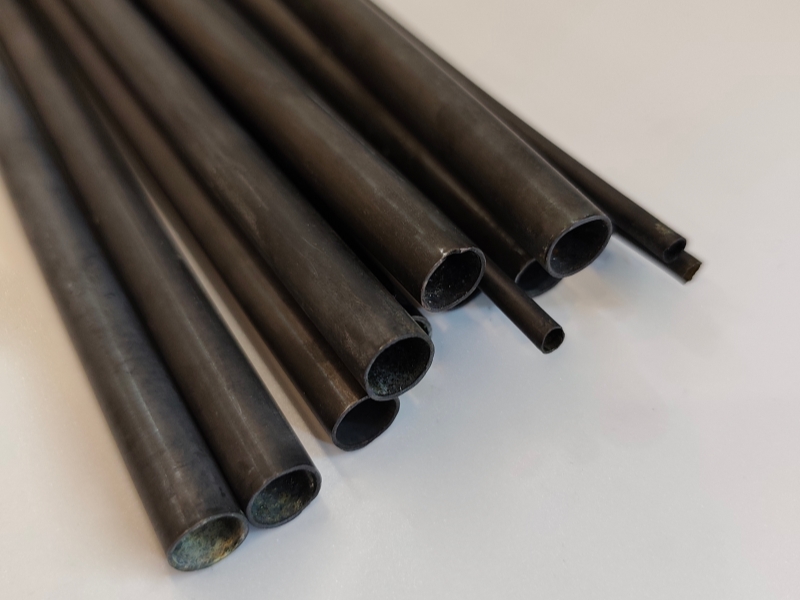
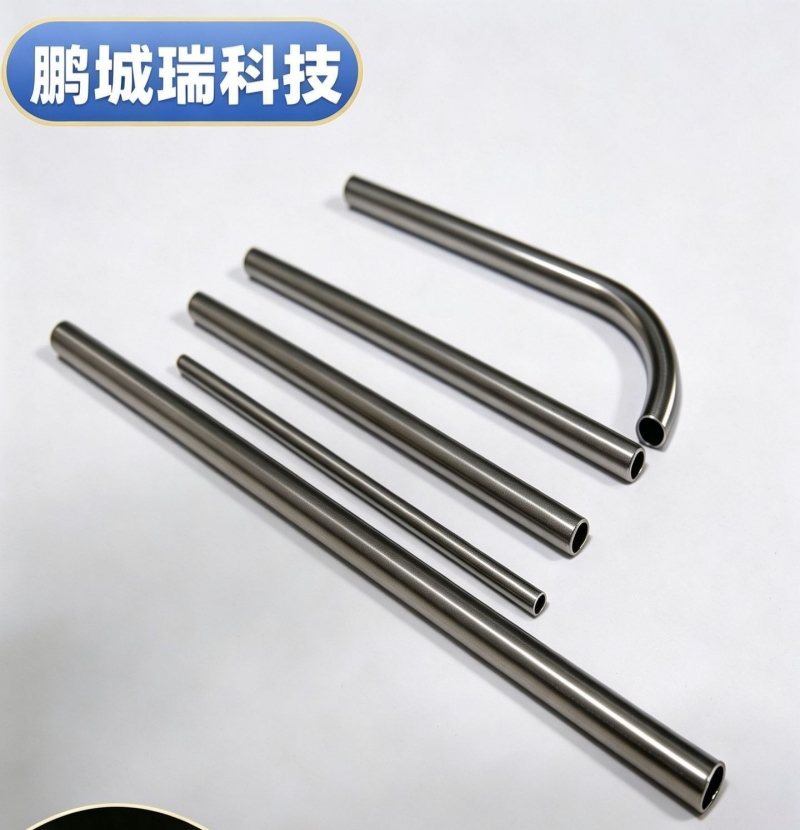
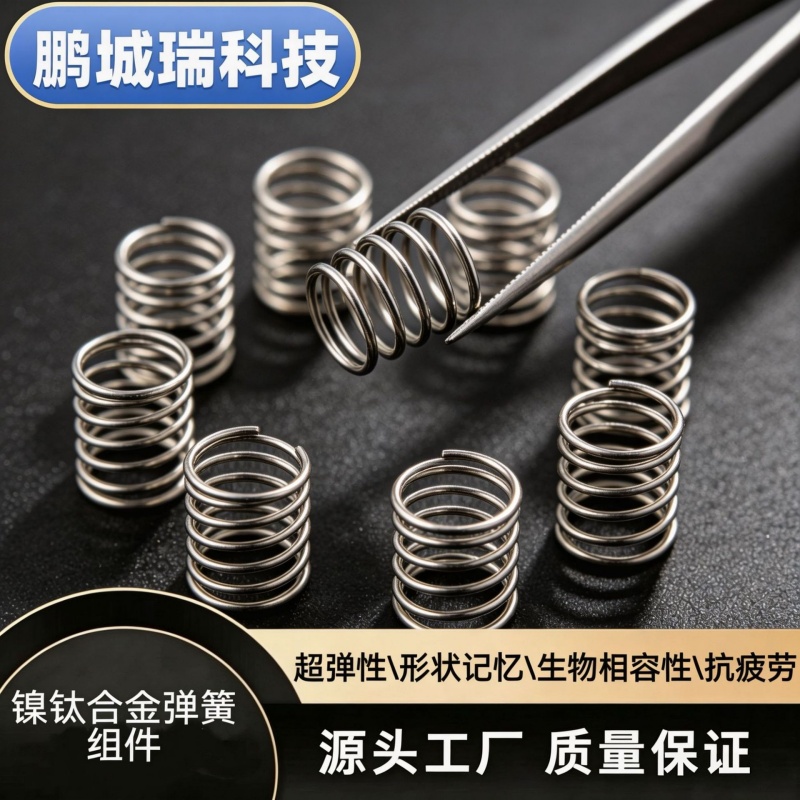
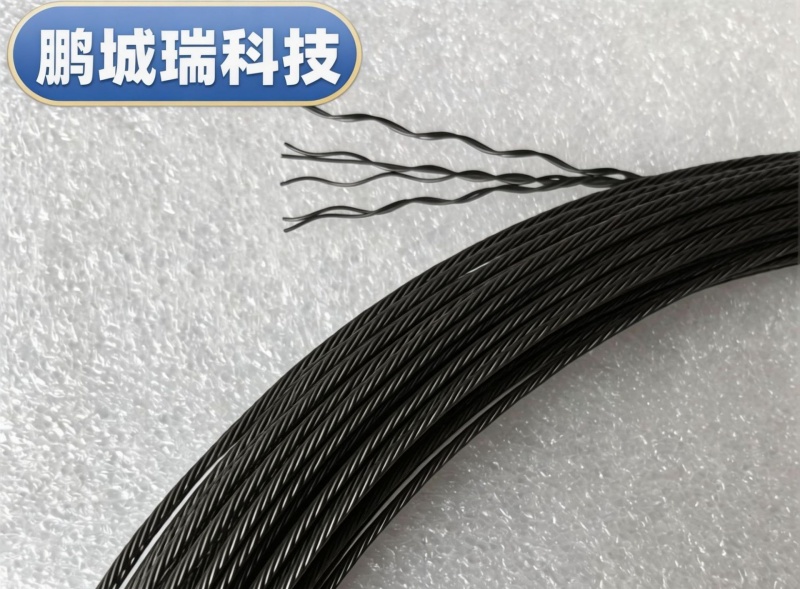
Nitinol
Seamless nickel titanium tube Nickel titanium fiber wire Nickel titanium plateApplication Area
Medical Industry New Energy Aerospace Machinery Manufacturing Marine Engineering Petrochemical IndustryContact Us
Contacts:Manager Wu +86 13632667260


 WeChat
 Call me
X