
 Chinese
 English
Service Hotline
+86 18948275773+86 13632667260



Nickel titanium high-temperature alloy, usually refers to nickel titanium shape memory alloy. Nickel titanium high-temperature alloys are divided into binary (containing nickel and titanium) alloys and ternary (containing nickel, titanium, and other elements) alloys (such as nickel titanium copper high-temperature alloys). Due to its excellent high-temperature stability, it is applied in specific high-temperature environments. Nickel titanium high-temperature alloys themselves have low toxicity, but it needs to be comprehensively judged based on their composition, usage scenarios, and contact methods. The following will explain the composition characteristics, potential risks, and safety precautions:
1、 Composition and Basic Safety of Nickel Titanium High Temperature Alloy
The main components of nickel titanium high-temperature alloys are nickel (Ni) and titanium (Ti), with a nickel content of about 55% and a titanium content of about 45%. Other elements such as copper, chromium, molybdenum, aluminum, niobium, etc. are added.
Titanium (Ti): It has stable chemical properties and forms a dense oxide film (titanium dioxide) on its surface at room temperature, which prevents further oxidation. Moreover, titanium itself is non-toxic and is a commonly used safe metal in the biomedical field (such as artificial joints, dental implants, etc.).
Nickel (Ni): Pure nickel itself has relatively stable chemical properties, but nickel ions have certain toxicity and allergenicity:
If nickel ions enter the human body through skin contact, inhalation, or ingestion, they may cause allergic reactions (such as dermatitis), long-term high-dose exposure may even damage liver and kidney function, or have potential carcinogenicity (the International Agency for Research on Cancer (IARC) lists nickel compounds as Group 1 carcinogens, but metallic nickel is classified as Group 2B, which means potential carcinogenicity).
2、 Potential risk scenarios of nickel titanium high-temperature alloys
The toxicity risk of nickel titanium alloy does not come from the overall structure of the alloy itself, but from the release of nickel ions, mainly related to the following situations:
1. Corrosion or wear leading to nickel ion precipitation
Nickel titanium alloy has strong corrosion resistance at room temperature, but in high temperature and strong acid/alkali environments, the surface oxide film may be damaged, leading to the release of nickel ions. If nickel ions are released through long-term exposure (such as inhalation through the respiratory tract or skin contact), it may pose health risks.
2. Special considerations in biomedical applications
Nickel titanium alloy is commonly used in orthopedic implants, orthodontic appliances, etc. At this time, it is necessary to strictly control the release of nickel ions (international standards usually require less than 0.5 μ g/cm ²/day). A minority of people may be allergic to nickel, leading to local inflammatory reactions, but the risk of qualified products is extremely low.
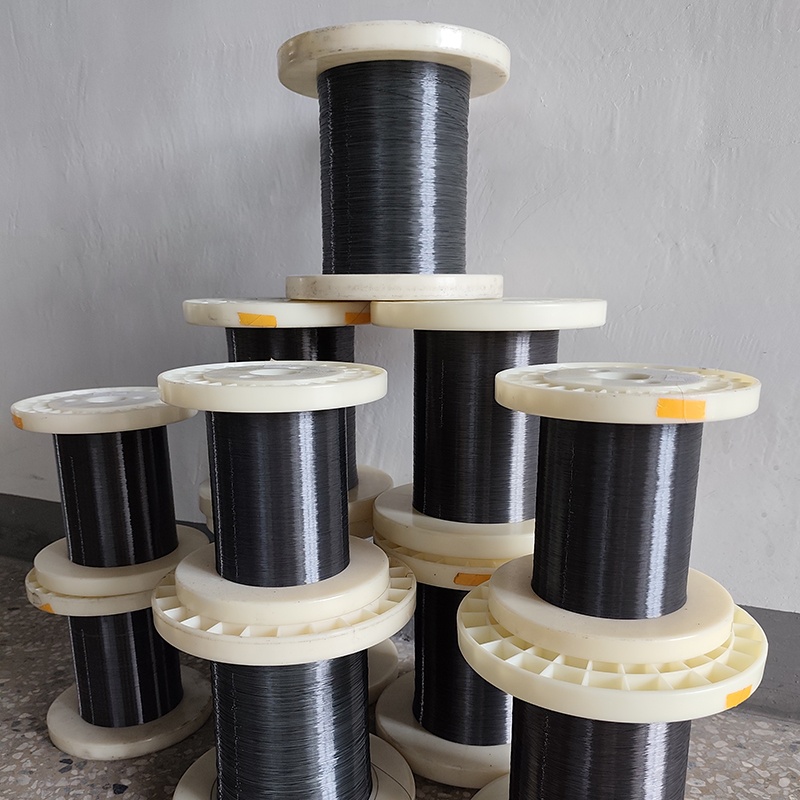
Nickel titanium high-temperature alloy
3、 Suggestions for safe use
1. Industrial scenario: When using nickel titanium alloy in high-temperature processing and acidic or alkaline environments, it is necessary to take protective measures (such as wearing gloves and masks) to avoid direct contact with the corroded alloy surface.
2. Biomedical field: Choose nickel titanium alloy products that meet the standards, and those with allergies need to undergo nickel allergy testing in advance.
3. Daily contact: Civilian products made of nickel titanium alloy (such as eyeglass frames and insulated cups) usually have good stability and no toxicity risk under normal use.
Nickel titanium high-temperature alloys themselves are non-toxic, but they may release toxic nickel ions in specific environments, and their risks depend on the conditions of use and protective measures. As long as it is used reasonably and protected properly, health hazards can be avoided.
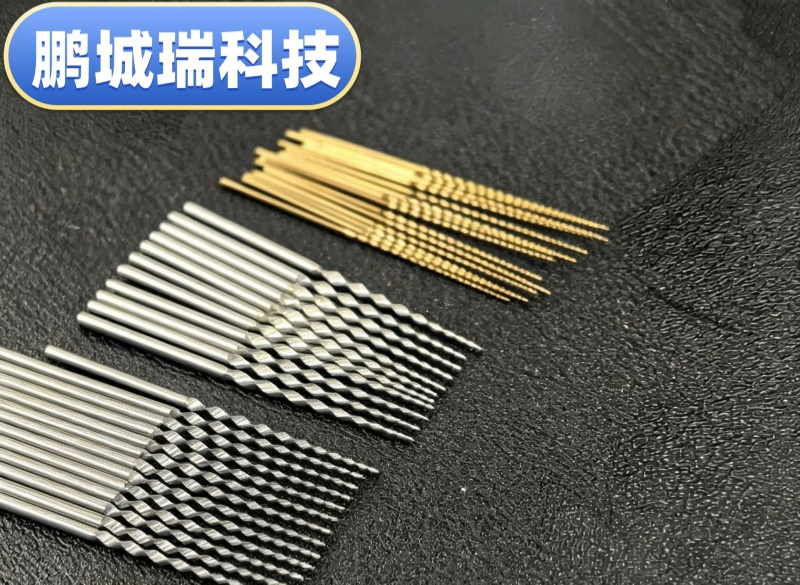
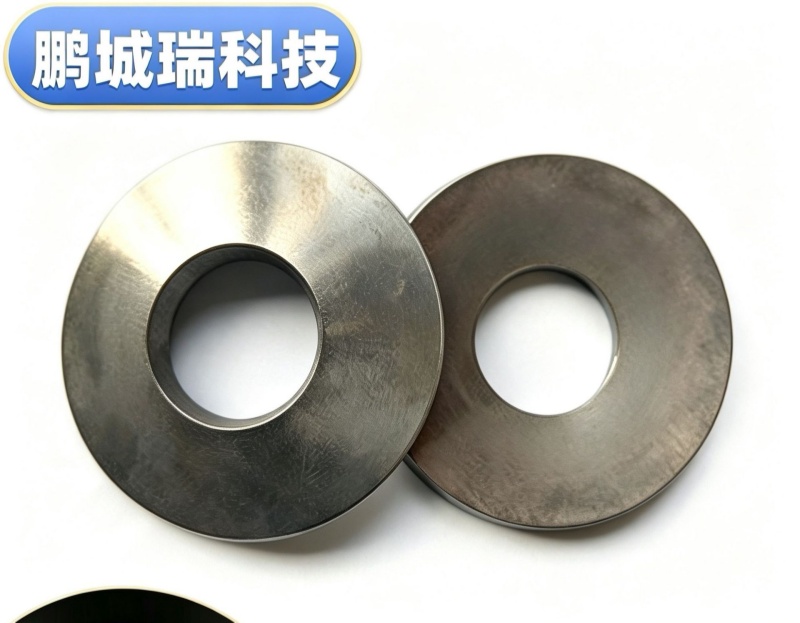
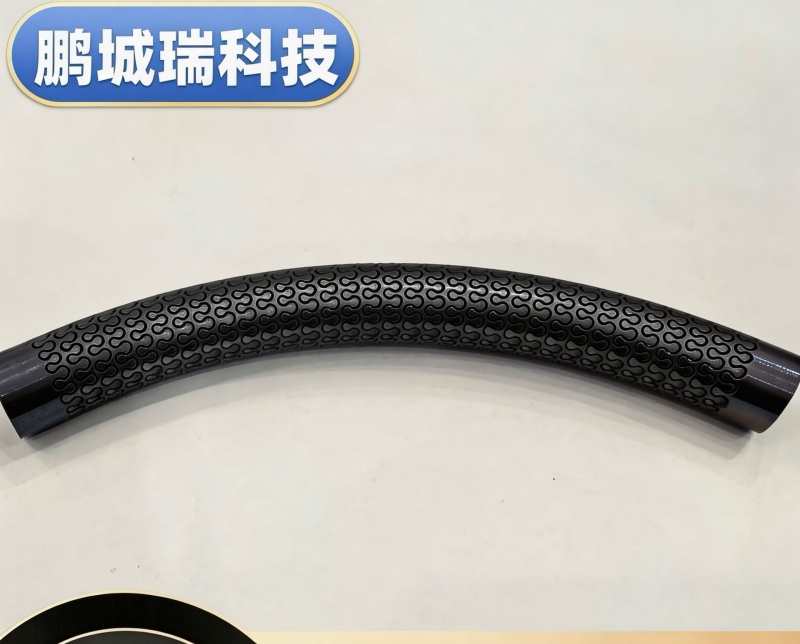
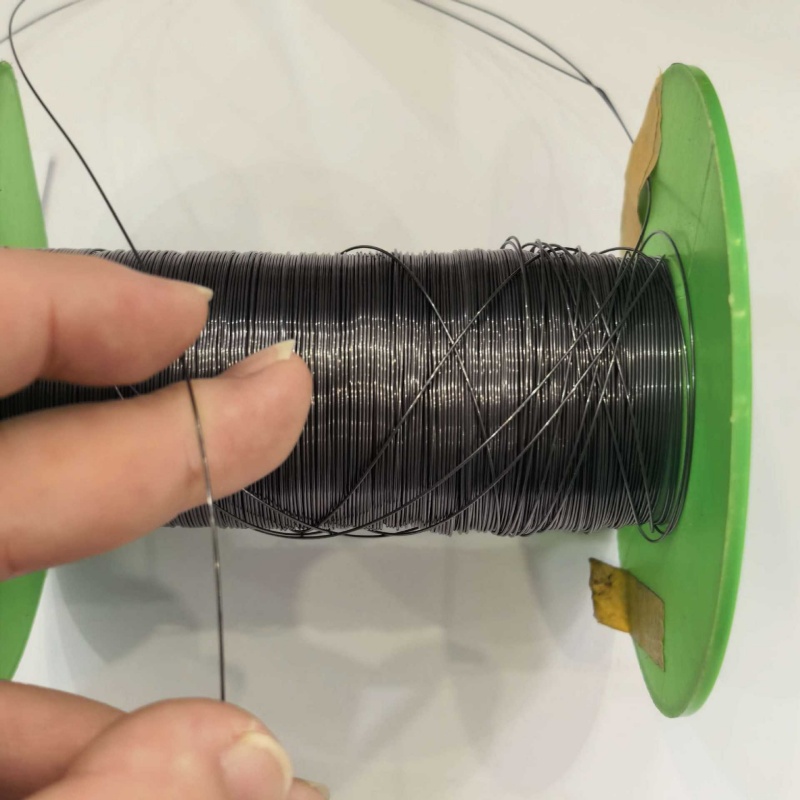
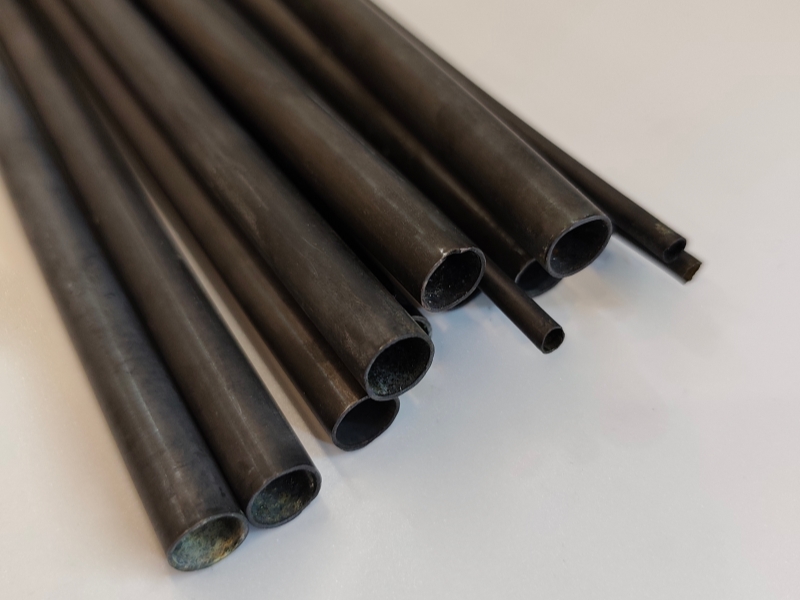
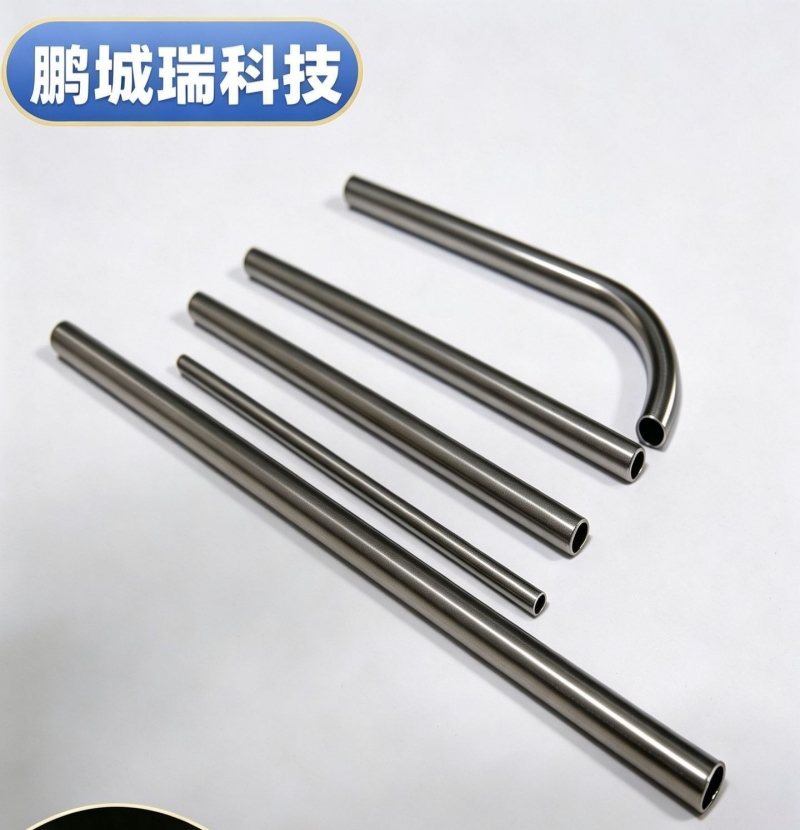
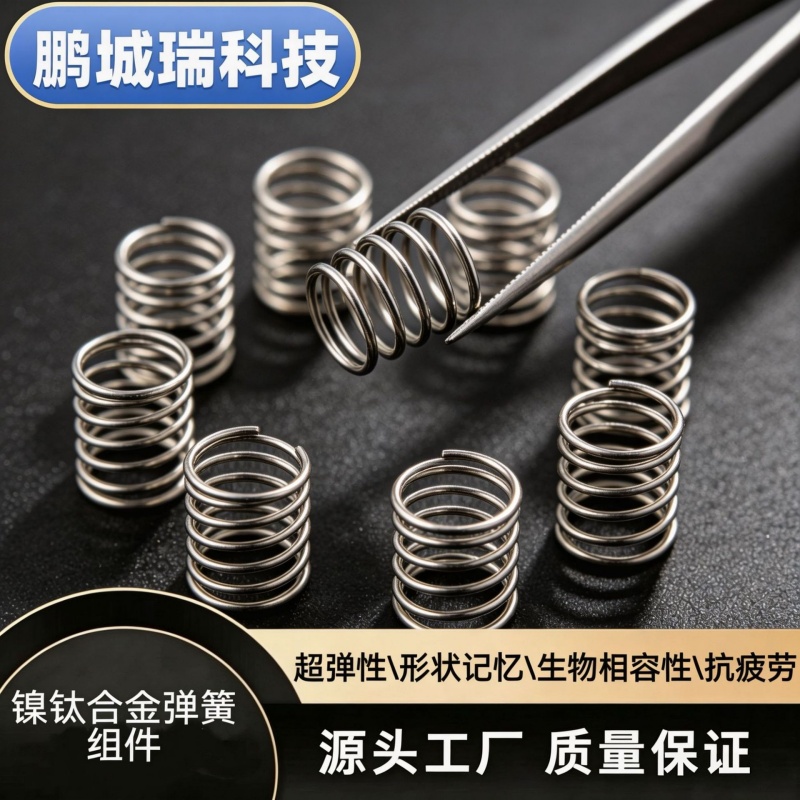
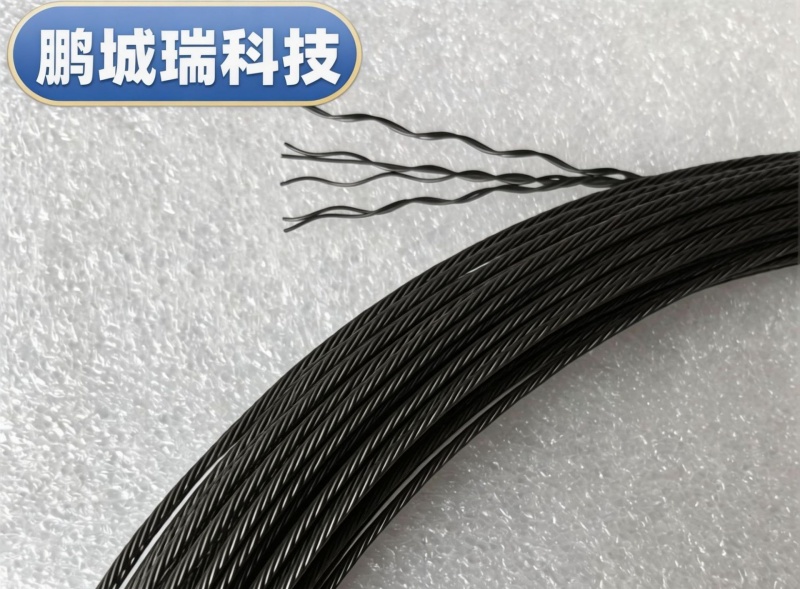
Nitinol
Seamless nickel titanium tube Nickel titanium fiber wire Nickel titanium plateApplication Area
Medical Industry New Energy Aerospace Machinery Manufacturing Marine Engineering Petrochemical IndustryContact Us
Contacts:Manager Wu +86 13632667260


 WeChat
 Call me
X